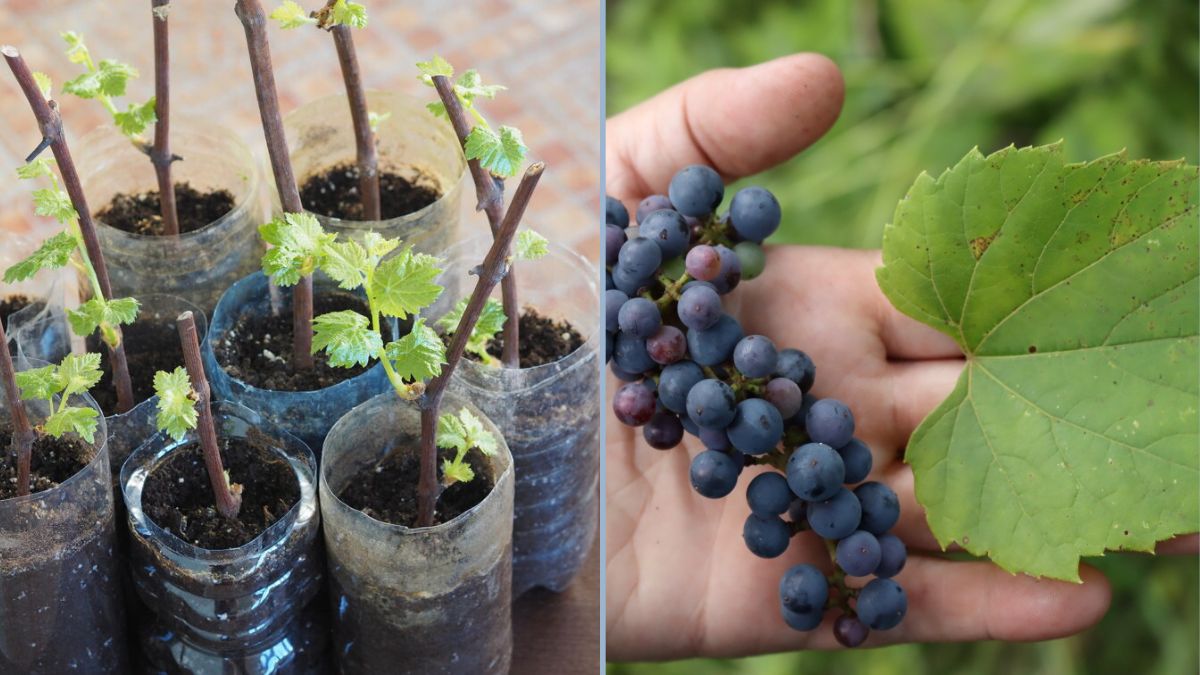
There’s something profoundly rewarding about growing wild plants — the kind that thrive without pampering, that connect us to the land’s natural rhythms. One such native treasure is Vitis arizonica, the Arizona wild grape. Hardy, drought-tolerant, and bursting with life, this wild grape species is a living link between the ancient landscapes of the American Southwest and the modern home garden.
If you’ve ever stumbled upon a wild grapevine twining along a desert creek or rocky canyon wall, you know its quiet magic. The curling tendrils, the heart-shaped leaves catching sunlight, and the clusters of dusty-blue grapes ripening under the hot sun — all hint at the tenacity and beauty of nature at its best.
The good news? You can grow Vitis arizonica right in your own garden — not from expensive nursery stock, but from simple stem cuttings. This guide will show you how to do it successfully while exploring the plant’s story, care, and ecological value.
Meet Vitis arizonica: The Desert’s Native Grape
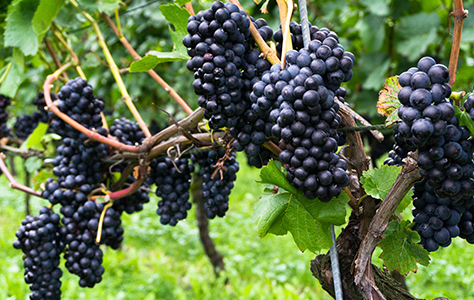
The Arizona wild grape (Vitis arizonica) is a deciduous, woody vine native to the southwestern United States and northern Mexico. You’ll find it in places like Arizona, New Mexico, Utah, and parts of Texas — usually growing along seasonal streams, canyon edges, or rocky slopes where its roots can find hidden moisture.
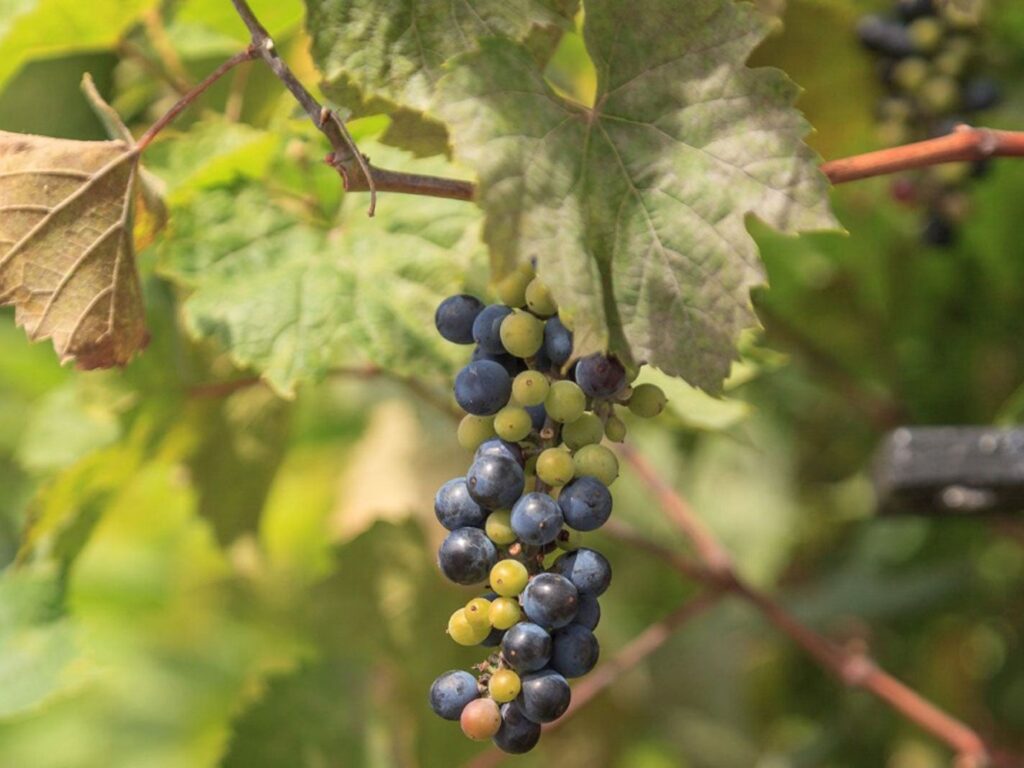
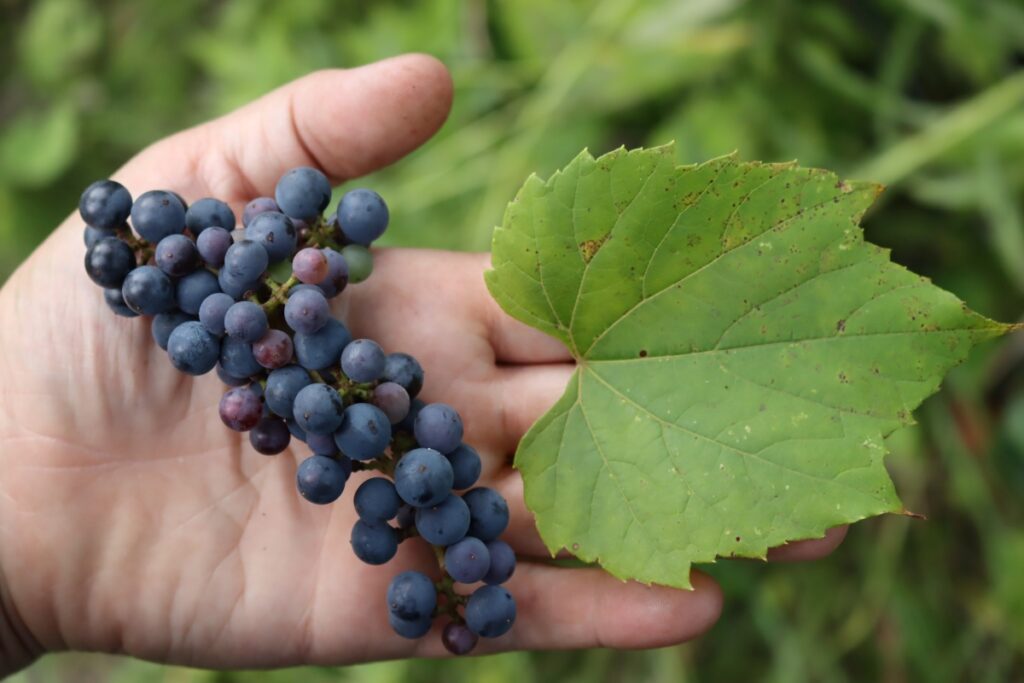
Though related to cultivated grapes (Vitis vinifera), the Arizona grape is far tougher. It evolved to survive intense heat, drought, and poor soils — yet it still produces small, dark-blue to black fruits that are edible and deliciously tangy when fully ripe.
Indigenous peoples across the region used these grapes for food, juice, and even dyes. Wildlife also depend on them: birds, foxes, and coyotes all feed on the fruit, while pollinators and beneficial insects thrive around their flowers.
For modern gardeners, Vitis arizonica offers a rare combination of beauty, resilience, and ecological value — a true native vine that can handle tough conditions and still give back abundantly.
Why Grow Wild Grapes from Cuttings?
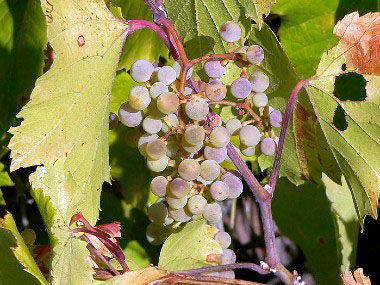
Growing grapes from seed is possible, but unpredictable. Seeds may not come true to the parent plant, and they can take several years to mature.
Cuttings, on the other hand, are a gardener’s shortcut — a form of cloning. By taking a small section of vine and encouraging it to root, you’re essentially creating a genetically identical plant to the parent. It’s faster, more reliable, and deeply satisfying.
Here’s why growing Vitis arizonica from cuttings is especially worthwhile:
- Adaptability – The Arizona grape can tolerate heat, wind, and poor soils far better than commercial grape varieties.
- Low Maintenance – Once established, it needs minimal care or irrigation.
- Wild Beauty – Its vines are vigorous and graceful, ideal for trellises, fences, or natural arbors.
- Ecological Value – It provides nectar for native bees and fruit for birds and mammals.
- Cultural Heritage – You’re preserving a native species deeply tied to the desert’s ecological story.
Preparing to Take Cuttings
Before you begin, it’s important to understand the basic anatomy of a grapevine cutting. You’ll be working with sections of mature wood — firm, woody stems from the previous year’s growth that have gone dormant in winter.
Here’s what you’ll need:
Tools and Materials
- Sharp pruning shears or a clean knife
- Rooting hormone powder or gel (optional, but recommended)
- Potting mix (equal parts sand, perlite, and compost or peat)
- Small pots or deep containers with drainage holes
- Plastic bags or a humidity dome
- A misting bottle or gentle watering can
If you’re collecting wild cuttings, make sure you do so responsibly. Always get permission if the vines grow on private or protected land, and take only a few small sections so the mother plant remains healthy.
Step-by-Step: Growing Wild Grapes from Cuttings
1. Choose the Right Vine
Look for a healthy, vigorous vine with no signs of disease or pest damage. The best time to take cuttings is during late winter to early spring, when the plant is dormant but the buds are well-formed.
Select one-year-old wood — stems that are brown and firm, about the thickness of a pencil.
2. Take the Cuttings
Using clean pruning shears, cut sections of vine 8 to 10 inches long with at least three to four buds per cutting.
Make the bottom cut just below a bud (this is where roots will form), and the top cut about an inch above the uppermost bud. Keep track of which end is “up” — grape cuttings won’t root if planted upside down.
If you’re not planting them right away, wrap the cuttings in a damp paper towel and store them in a plastic bag in the refrigerator for up to two weeks.
3. Prepare the Soil
Fill small pots or a seed tray with a well-draining rooting medium. A mix of coarse sand, perlite, and a bit of organic compost works perfectly. The goal is to keep the cuttings moist but never waterlogged.
Water the mix lightly before planting so it’s evenly damp.
4. Apply Rooting Hormone (Optional)
Dip the bottom inch of each cutting into rooting hormone powder or gel. This step isn’t strictly necessary — grapes will root naturally — but it can significantly improve your success rate, especially in dry or variable climates.
5. Plant the Cuttings
Insert the cuttings into the soil so that at least two buds are above the surface and one or two are buried below. Space them evenly if using a tray, or plant one per pot.
Gently firm the soil around each cutting and water well to settle it in.
6. Maintain Humidity and Warmth
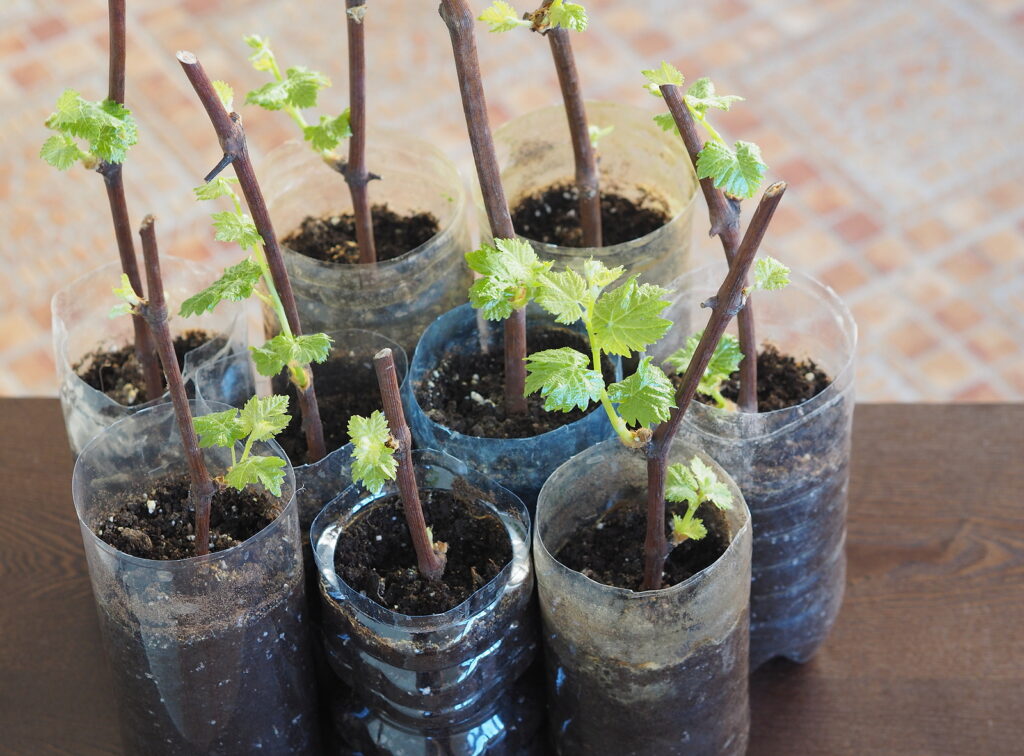
Cover the pots with a clear plastic bag or humidity dome to retain moisture, but make sure there’s some airflow to prevent mold. Keep them in a bright, warm spot (around 70°F / 21°C) but out of direct sunlight.
Mist the cuttings lightly every day to keep the humidity high and the soil slightly damp.
In about 3–6 weeks, you should start to see new leaf growth — a sign that roots are forming.
7. Transplanting the Rooted Cuttings
Once the cuttings have developed a strong root system (you’ll see roots poking through the pot’s drainage holes or feel resistance when gently tugged), they’re ready to move to larger containers or outdoors.
Before transplanting outside, harden off the young plants for about a week by gradually exposing them to outdoor conditions — sun, wind, and cooler air.
Plant them in full sun with well-drained soil, ideally on a slope or near a support structure where they can climb naturally.
Caring for Your Young Wild Grapevines
Once established, Vitis arizonica is surprisingly easy to care for. However, young plants still need some attention during their first growing season.
1. Watering
Keep the soil moist but not soggy. After the first year, the vine will develop deep roots that can find water even in dry conditions.
2. Sunlight
Full sun (6–8 hours daily) is ideal. The more sunlight the vine receives, the stronger and more productive it will be.
3. Pruning
Prune lightly during dormancy to remove weak or tangled growth. Wild grapes are vigorous growers and can spread quickly, so regular shaping will help keep them manageable.
4. Trellising
Provide support for climbing — a fence, pergola, or sturdy trellis. Wild grapes are natural climbers, and training them early encourages strong, fruit-bearing canes.
5. Pests and Diseases
Vitis arizonica is naturally resistant to many common grape diseases, but keep an eye out for leafhoppers or powdery mildew. Good airflow and proper spacing usually prevent issues.
When Will They Fruit?
Patience is key. Wild grapevines grown from cuttings typically start producing fruit in 2 to 3 years, depending on climate and care.
The grapes themselves are small but rich in flavor — tangy, slightly tart, and perfect for making jellies, syrups, or even wild-fermented wines. Birds will likely share your harvest, which is part of the plant’s charm and role in the ecosystem.
Ecological and Ornamental Value
Beyond fruit, Vitis arizonica adds immense value to native landscapes. It supports pollinators in spring, offers shelter and food for birds, and stabilizes soils with its deep roots.
Its trailing vines and beautiful, lobed leaves also make it an ornamental showpiece. In fall, the foliage turns shades of gold and red, creating a striking natural display.
For those who enjoy native plant gardening or permaculture, it’s a perfect addition — functional, beautiful, and self-sustaining.
Final Thoughts: A Vine Worth Growing
Growing wild grapes from cuttings is more than a gardening experiment — it’s a way of reconnecting with the wild landscapes that shaped our regions.
The Arizona wild grape stands as a symbol of adaptation and persistence, thriving in conditions that would challenge most cultivated plants. And yet, from a small cutting and a bit of care, it can grow into a living legacy in your own backyard.
Whether you’re restoring a native habitat, designing a drought-tolerant garden, or simply looking for a hardy vine with soul, Vitis arizonica delivers. It rewards patience with shade, fruit, and a sense of connection — proof that even the wildest things can thrive when given a place to grow.