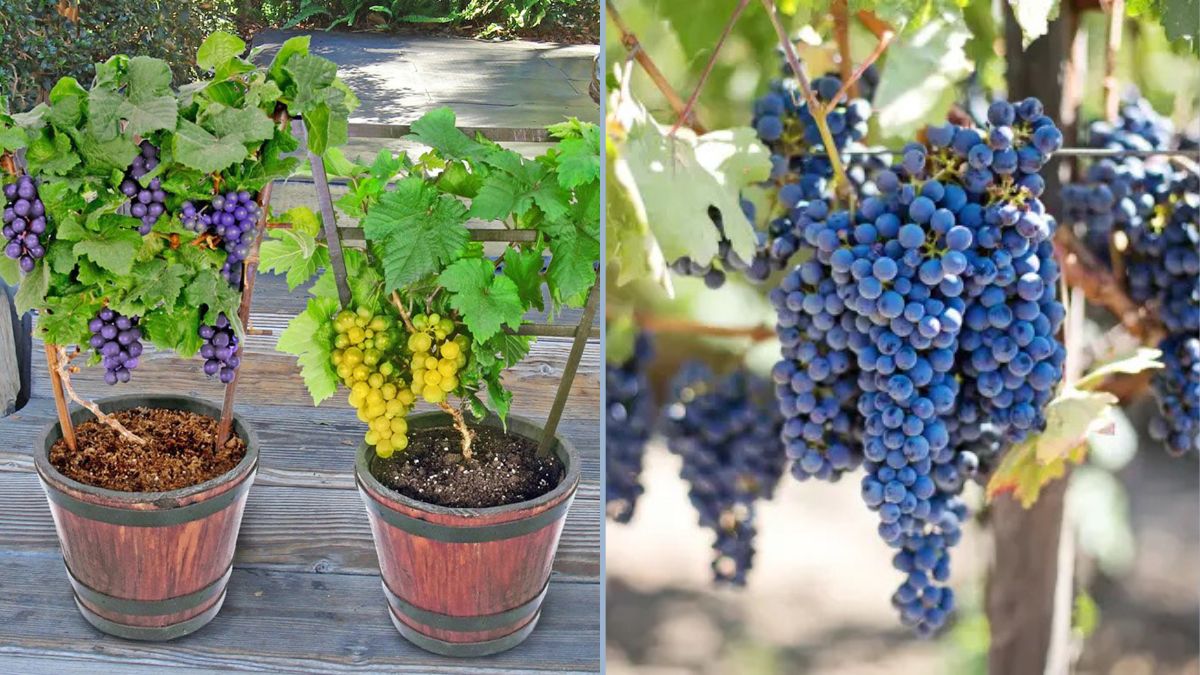
There’s a reason the Eastern Concord grape has become one of the most beloved grape varieties in North America. Its bold, sweet flavor — that unmistakable “grape” taste found in juices, jellies, and wines — has made it a classic for generations. But beyond its taste, Concord grapes are surprisingly easy to grow, resilient in variable climates, and stunningly beautiful when draped over a trellis or arbor.
If you’re thinking about planting your first vines or improving your harvest, you’re in for a rewarding experience. In this guide, we’ll explore practical tips for growing Eastern Concord grape vines, from planting and pruning to ripening and care — everything you need to enjoy a backyard bounty of deep-blue fruit year after year.
A Bit of History: The Legendary Concord Grape
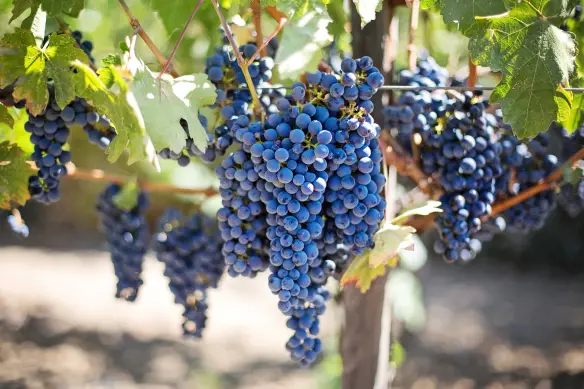
Before diving into growing tips, it’s worth knowing a little about where the Concord grape comes from.
The Concord grape (Vitis labrusca ‘Concord’) was developed in the mid-1800s by Ephraim Wales Bull in Concord, Massachusetts. Bull wanted to create a grape that could withstand the harsh New England climate while still producing sweet, flavorful fruit for juice and winemaking. After years of careful breeding, he introduced the Concord grape in 1849 — and it became an instant success.
Today, Concord grapes are grown across the eastern and midwestern United States, prized for their adaptability to cold winters and humid summers. They remain the heart of traditional grape jelly and iconic beverages like Welch’s Grape Juice.
But beyond nostalgia, the Concord is also a gardener’s delight — a hardy, generous vine that rewards patience and care with abundant fruit.
1. Choosing the Right Location: Sun, Soil, and Space
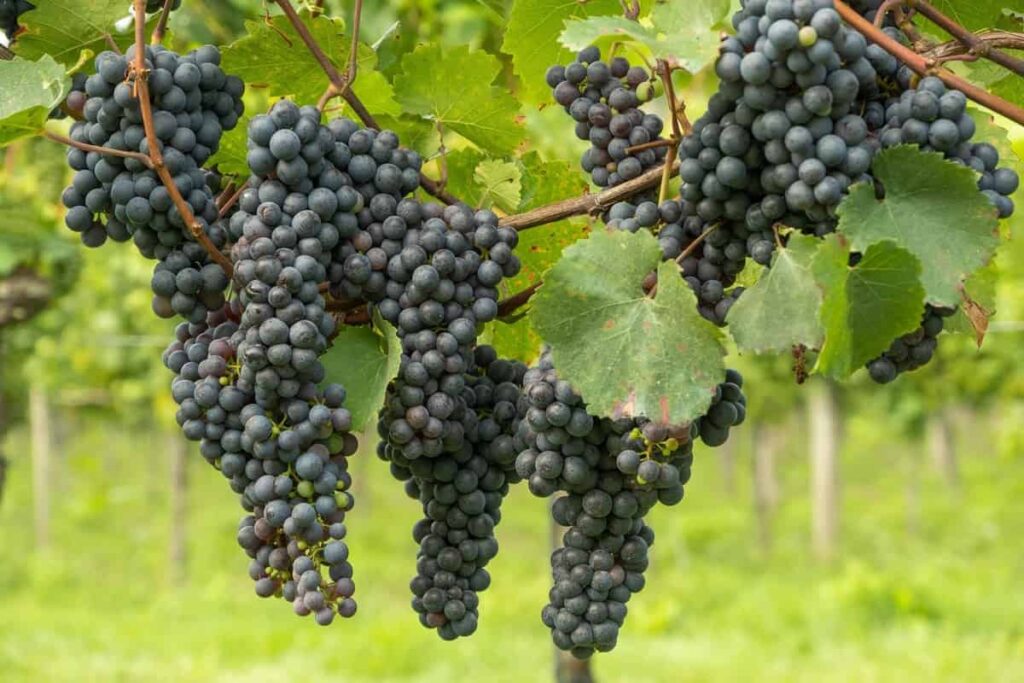
Like all grapevines, Concords love the sun. The more light they receive, the sweeter and fuller their fruit becomes.
Sunlight
Choose a location that gets at least 7–8 hours of direct sunlight daily. Morning sun is especially beneficial, helping dry dew from the leaves and reducing disease risk.
Soil
Concords prefer well-drained, slightly acidic soil with a pH between 5.5 and 6.5. Avoid heavy clay or soggy areas — grapes dislike “wet feet.”
If your soil is dense, improve drainage by adding compost, coarse sand, or even planting on a slight slope or raised bed.
Spacing
Concord vines are vigorous growers. Space vines 6–8 feet apart on the same row and 8–10 feet between rows. Give them plenty of room to climb and spread.
Proper spacing encourages airflow, reduces fungal problems, and ensures each vine gets ample sunlight.
2. Planting Concord Grapevines
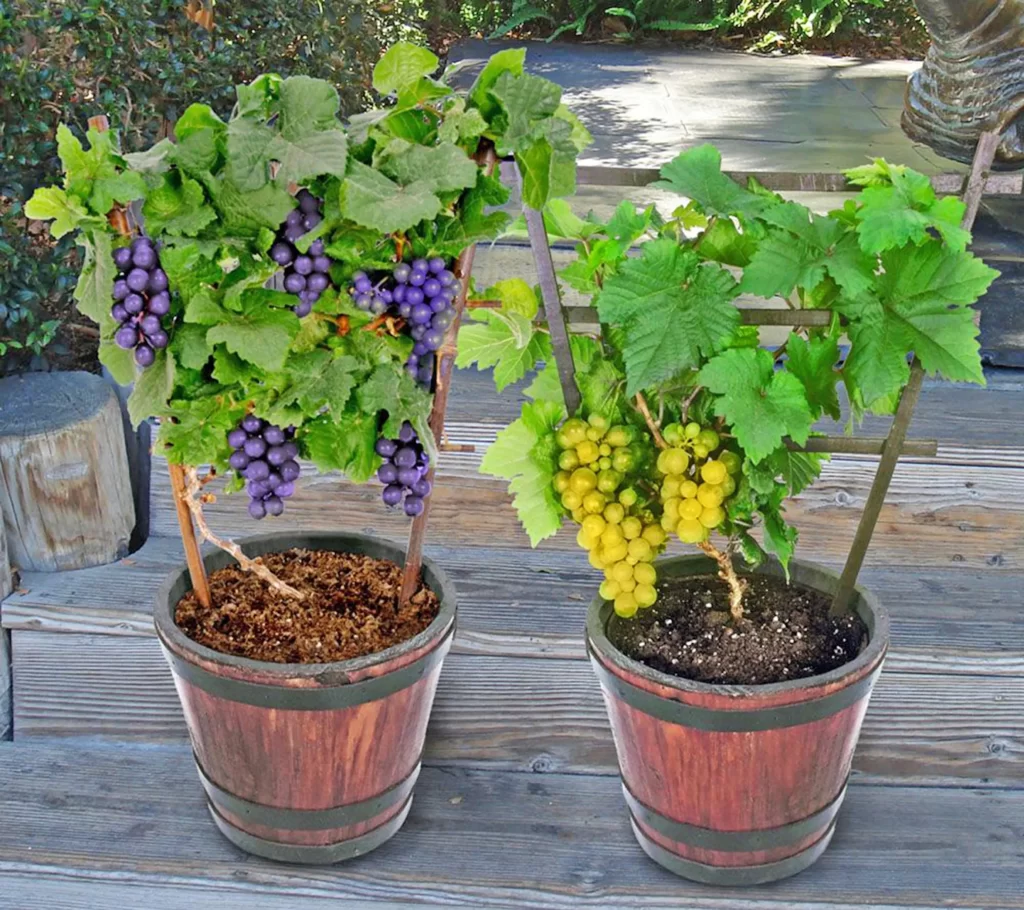
The best time to plant Concord grapes is in early spring, once the ground has thawed but before new growth begins.
Planting Steps:
- Dig a hole about 12 inches deep and 12 inches wide.
- Loosen the roots of your young vine and prune any broken or excessively long ones.
- Place the vine so that the crown (where roots meet the stem) sits just above ground level.
- Backfill with a mix of native soil and compost.
- Water thoroughly to settle the soil and eliminate air pockets.
- Mulch lightly around the base to conserve moisture, but keep mulch away from the trunk to prevent rot.
For the first few months, keep the soil consistently moist but never soggy. As the vine matures, it will develop deep roots that can tolerate drier conditions.
3. Building a Strong Support System
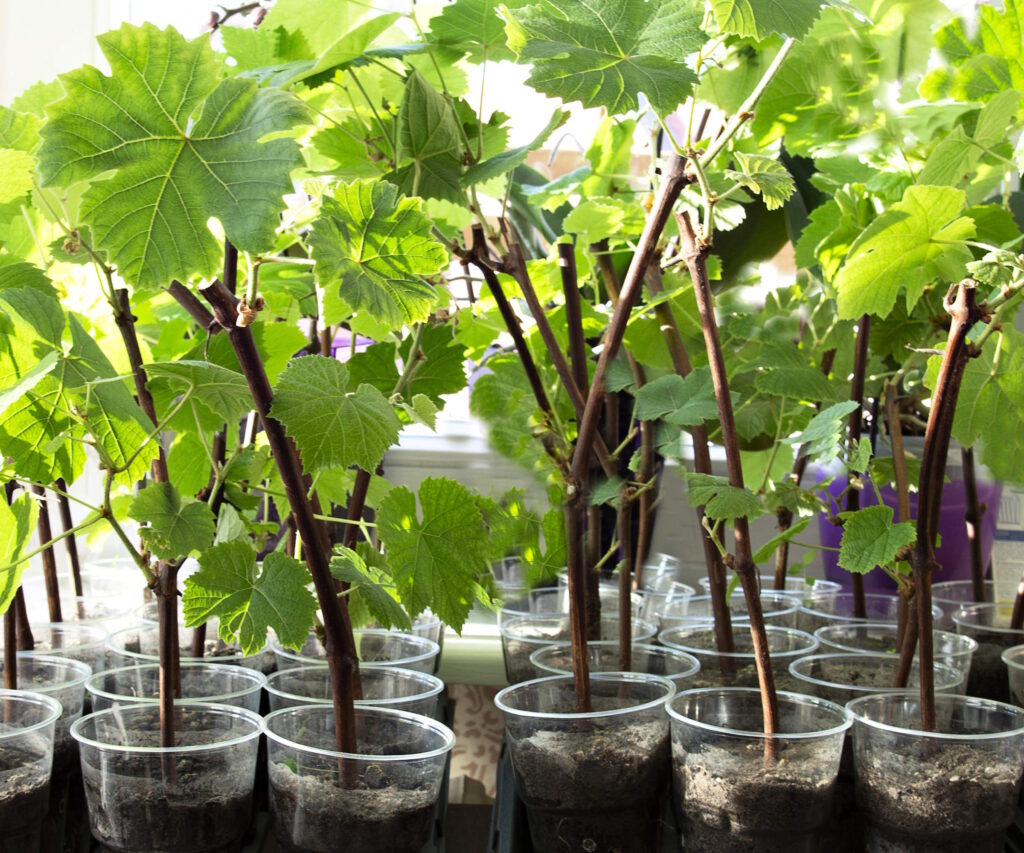
A healthy Concord vine can live for 30 years or more, and it needs a strong framework to support its growth and heavy fruit clusters.
Best Trellis Options:
- Single-Wire Trellis: Ideal for small spaces and easy pruning.
- Double-Wire Trellis: Great for vigorous vines; allows better sun exposure and airflow.
- Arbor or Pergola: For a decorative and functional touch, perfect for garden seating areas.
Train the main vine (the “trunk”) upward to the first wire, then encourage two strong lateral canes to grow horizontally. Over time, these arms will become the foundation for future fruiting wood.
4. Pruning: The Secret to Big Harvests
If there’s one golden rule for grape growing, it’s this: Don’t fear the shears.
Grapevines produce fruit only on new growth that emerges from last year’s wood. Without annual pruning, the vine becomes a tangled mass of leaves and weak canes, producing few grapes.
When to Prune
Prune in late winter or very early spring, while the vine is still dormant. Avoid pruning once sap begins to flow heavily (“bleeding”).
How to Prune
- Identify the main trunk and its two lateral arms.
- On each arm, select 3–5 strong canes from last year’s growth.
- Cut each cane back to 8–12 buds — these will produce your new shoots and fruit clusters.
- Remove all weak, old, or unproductive wood.
Proper pruning may look drastic, but it’s essential for fruit quality and vine health. A well-pruned Concord grapevine is a productive one.
5. Watering and Feeding Your Vine
Mature Concord vines are surprisingly drought-tolerant, but consistent watering during the first few years is key to strong root development.
Watering Tips
- Water deeply once a week during dry spells.
- Avoid shallow, frequent watering — it encourages weak roots.
- Reduce watering after fruit begins to ripen to concentrate flavor and sweetness.
Fertilization
Apply a balanced fertilizer (10-10-10) in early spring before new growth. Avoid over-fertilizing; too much nitrogen promotes leafy vines with little fruit.
For organic growers, compost, bone meal, or seaweed extract work beautifully.
6. Managing Pests and Diseases
Eastern Concords are naturally hardy and resistant to many common grape diseases, but humid climates can still pose challenges.
Watch For:
- Black rot: Brown leaf spots and shriveled fruit.
- Powdery mildew: White coating on leaves and fruit.
- Japanese beetles: Skeletonize leaves and weaken vines.
Prevention Tips
- Prune for good air circulation.
- Water at the base, not on the foliage.
- Remove fallen leaves and fruit from around the vines each fall.
- Use organic sprays like neem oil or sulfur dust when needed.
Healthy vines grown in sunlight with good airflow are far less likely to suffer major problems.
7. The Ripening Season: Patience Pays
One of the joys of growing Concord grapes is watching the fruit change over the summer — from tight green clusters to deep, dusky-blue jewels.
Timeline
- Spring: Buds break and new shoots emerge.
- Early summer: Flowering and fruit set.
- Mid to late summer: Clusters grow and color deepens.
- Early fall (September–October): Harvest time!
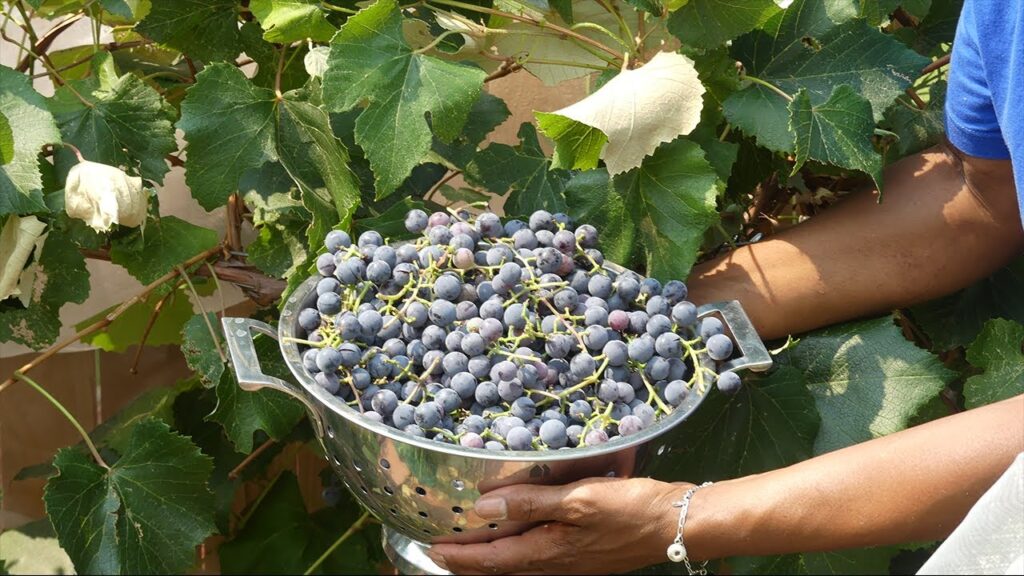
Concord grapes are ready to pick when the berries turn a rich blue-black and detach easily from the stems. Taste is the best indicator: ripe Concords are sweet, aromatic, and slip easily from their skins.
8. Harvesting and Using Your Grapes
Concord grapes ripen unevenly, so harvest over a few weeks. Cut entire clusters with pruning shears to avoid damaging the vine.
You can enjoy the fruit fresh, though many gardeners use their harvest for homemade creations:
- Grape Jelly or Jam: Classic Concord flavor at its best.
- Juice: Fresh, sweet, and full-bodied.
- Wine: The Noble grape of the Northeast; rich and aromatic.
- Dehydrated Snacks: Dried Concords make chewy, flavorful treats.
Store fresh grapes in the refrigerator, where they’ll keep for up to two weeks.
9. Winter Protection
Concords are cold-hardy (down to about -20°F), but newly planted vines benefit from a little extra winter care.
After the first frost, mulch heavily around the base with straw or leaves to insulate roots. In extremely cold zones, you can lay down the canes and cover them with soil or mulch to prevent winter kill.
Once the vine matures, it will handle winter with ease — the key is helping it through those early years.
10. The Long View: Caring for a Vineyard Legacy
A well-cared-for Concord grapevine can produce abundantly for decades. Each passing year, its roots deepen, its trunk thickens, and its yield improves.
The first two years are about establishment — training, pruning, and patience. By the third or fourth year, the vine comes into full production, rewarding you with 20–30 pounds of grapes per plant.
More than just fruit, the vine becomes a living part of your landscape — shading arbors, feeding wildlife, and marking the passage of seasons with its fragrant blooms and glowing autumn leaves.
Final Thoughts: Growing the Classic Concord
Growing Eastern Concord grape vines is a timeless pleasure. They connect us to the land, to history, and to the simple rhythms of care and reward.
Each vine tells a story — of patience in pruning, of faith through frost and drought, and of abundance come harvest. Whether you’re planting one vine by your fence or tending a backyard vineyard, Concord grapes bring a touch of tradition and sweetness that few fruits can match.
So plant those roots, build your trellis, and let time work its quiet magic. In a few seasons, you’ll be standing beneath a canopy of ripening grapes — hands sticky with juice, heart full of satisfaction, and the rich scent of Concord in the air.