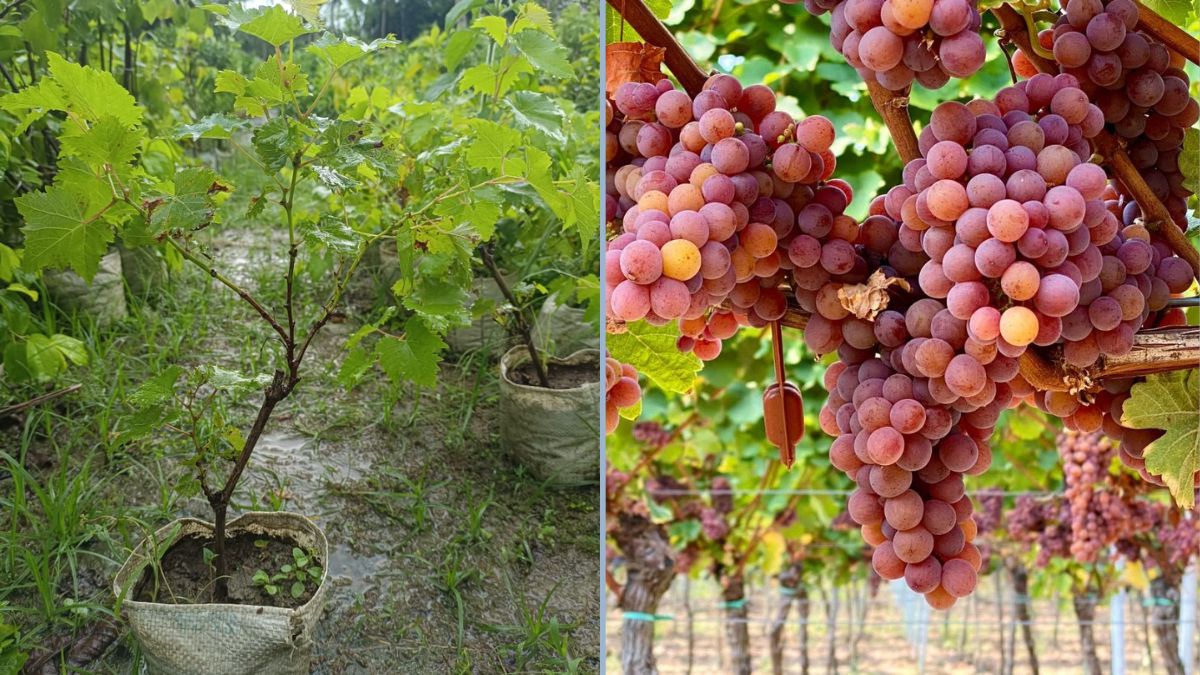
Imagine stepping into your kitchen garden and seeing clusters of ripe red grapes hanging from vines you nurtured yourself. Sweet, juicy, and packed with flavor, red grapes not only elevate your culinary creations but also bring beauty and biodiversity to your backyard. Growing grapes at home might seem challenging, but with the right knowledge, even a small kitchen garden can yield a productive and vibrant grapevine.
In this comprehensive guide, we’ll walk through everything you need to know to plant, care for, and harvest red grapes in your kitchen garden, from choosing the right variety to ensuring organic, healthy growth.
Why Grow Red Grapes in a Kitchen Garden?

Growing grapes in a kitchen garden offers several advantages:
- Freshness and Flavor: Nothing beats freshly picked grapes. The sweetness and juiciness of homegrown grapes are incomparable to store-bought options.
- Nutritional Value: Red grapes are rich in antioxidants, vitamins, and minerals, making them a superfood for your family.
- Compact and Versatile: Grapevines can thrive in small spaces, vertical trellises, or pots, making them ideal for kitchen gardens.
- Eco-Friendly and Organic: By growing your own grapes, you control the use of chemicals and can adopt organic practices, creating a healthy, sustainable garden.
Whether you want grapes for fresh consumption, juice, jams, or small-batch wine, a well-planned kitchen garden can support a productive red grapevine.
Choosing the Right Red Grape Variety
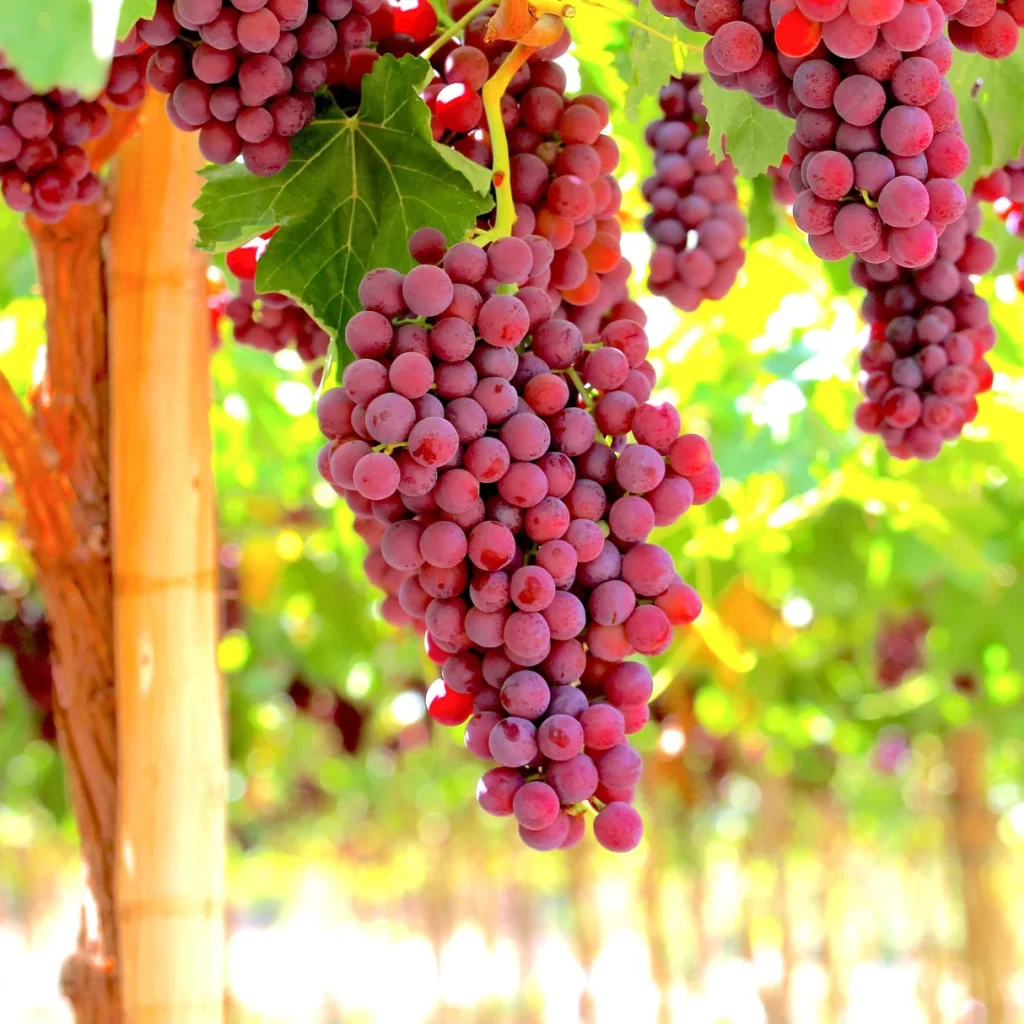
Selecting the correct variety is crucial for success in a kitchen garden. Some varieties are suited for cooler climates, while others thrive in heat. Popular red grape varieties include:
- Crimson Seedless: Sweet, juicy, and ideal for fresh eating.
- Red Globe: Large, round berries, perfect for snacking and table display.
- Flame Seedless: Early-bearing variety with bright red, crunchy berries.
- Local Hybrid Varieties: Many regions have locally adapted red grapes that resist pests and thrive in your climate.
Consider your climate, garden space, and intended use before choosing a variety.
Preparing Your Kitchen Garden for Grapes
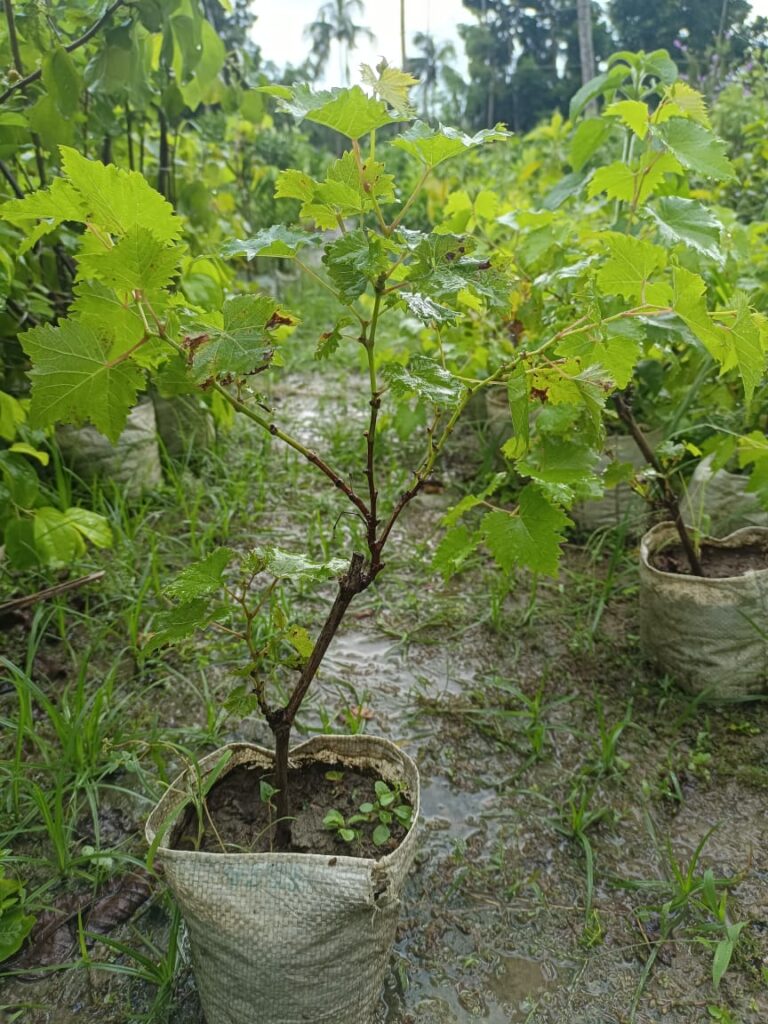
A successful grapevine starts with the right location, soil, and support structure.
1. Location
Grapevines require full sunlight, ideally 6–8 hours daily. Select a sunny spot in your kitchen garden with good airflow to reduce fungal infections.
2. Soil Requirements
Grapes thrive in well-drained, fertile soil. Sandy loam or loamy soils are ideal. Ensure the soil is slightly acidic to neutral (pH 5.5–7). Avoid waterlogged areas, as grapes are susceptible to root rot.
Tip: Improve soil fertility by mixing in well-rotted compost or cow manure before planting.
3. Support Structure
Grapevines are climbers and need trellises, arbors, or stakes to grow upward. A simple T-shaped trellis or vertical wires attached to walls or fences works perfectly in small kitchen gardens.
Planting Red Grapes in Your Kitchen Garden

Red grapes can be propagated from saplings, cuttings, or grafted plants. Here’s how to plant successfully:
1. Choosing Healthy Plants
Select disease-free, vigorous saplings from a trusted nursery. Healthy roots and stems ensure faster establishment and higher yields.
2. Planting Steps
- Dig a hole about 12–18 inches deep and wide enough to accommodate the roots.
- Place the sapling in the hole, spreading the roots evenly.
- Backfill with soil mixed with compost or organic fertilizer.
- Water thoroughly after planting to settle the soil.
- Add mulch around the base to retain moisture and prevent weed growth.
3. Spacing
- For rows: Space vines 6–8 feet apart.
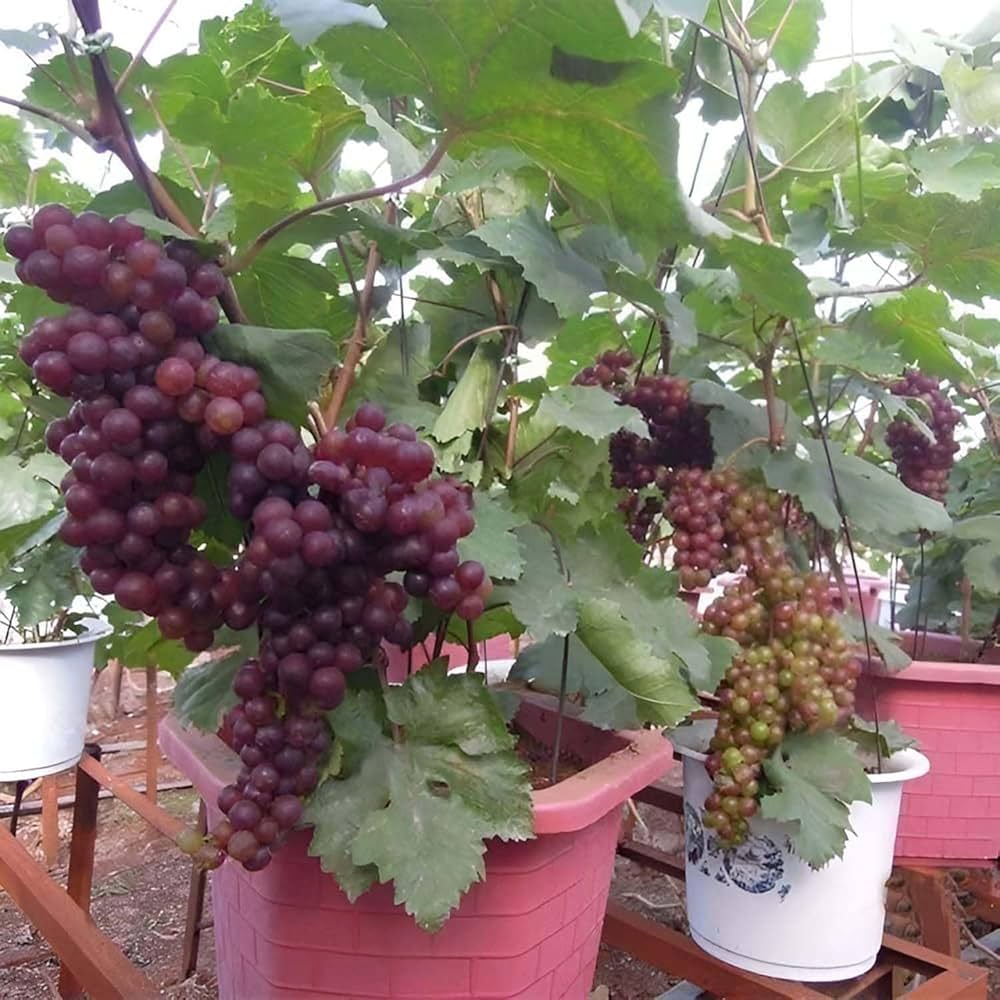
- For pots or containers: Use large pots (20–30 liters) to allow proper root growth.
Watering and Fertilization
1. Watering
- Keep soil evenly moist during the first year to help roots establish.
- Mature vines are drought-tolerant but benefit from deep watering once or twice a week, especially during flowering and fruit formation.
2. Organic Fertilization
Red grapes respond well to organic feeding. Options include:
- Vermicompost: Provides essential nutrients for healthy growth.
- Cow dung or compost tea: Boosts soil fertility naturally.
- Banana peel or leaf mulch: Supplies potassium and trace minerals.
Avoid chemical fertilizers in a kitchen garden to maintain healthy, pesticide-free produce.
Pruning and Training Your Grape Vine
Pruning is essential for healthy growth and abundant fruit production.
1. Training
Train the main stem up a trellis or stake. Encourage lateral shoots to form branches that will bear fruit.
2. Annual Pruning
- Conduct pruning in late winter or early spring, before new growth starts.
- Remove weak, damaged, or tangled shoots.
- Cut back older canes and leave 3–5 strong canes for fruiting.
Proper pruning improves air circulation, sunlight penetration, and fruit quality.
Flowering and Fruit Set
Red grapes usually flower in spring, producing tiny green clusters. These flowers develop into grape clusters over the summer.
Pollination
Red grapes are self-pollinating, but bees and wind help ensure full fruit set. Avoid spraying pesticides during flowering to protect pollinators.
Harvesting Red Grapes
The waiting period is worth it — grapes ripen in late summer or early fall, depending on the variety.
Signs of Ripeness
- Deep red or purplish color.
- Slight softness to touch.
- Sweet aroma and taste.
- Berries detach easily from the cluster.
Harvest carefully using scissors or pruning shears to avoid damaging the vine.
Usage
- Fresh Eating: Sweet, juicy grapes right from the vine.
- Juice or Smoothies: Nutrient-rich and refreshing.
- Jam or Jelly: Homemade red grape preserves.
- Drying: Make natural raisins.
Common Problems and Organic Solutions
1. Pests
- Aphids, mealybugs, or spider mites can affect leaves.
Solution: Spray with neem oil or mild soap solution.
2. Diseases
- Powdery mildew or black rot may appear in humid conditions.
Solution: Prune for airflow, remove infected leaves, and apply homemade baking soda spray if needed.
3. Fruit Cracking
- Caused by uneven watering. Maintain consistent soil moisture during fruit ripening.
Tips for a Thriving Kitchen Garden Grape Vine
- Use compost regularly for nutrition and soil health.
- Train vines vertically to maximize sunlight in small spaces.
- Mulch the soil to reduce water evaporation and weed growth.
- Protect young vines from extreme heat or frost with shade nets or coverings.
- Harvest gradually — not all berries ripen simultaneously.
Benefits Beyond the Fruit
Growing red grapes in your kitchen garden is not just about food.
- Shade and Decor: Vines on trellises add beauty and privacy.
- Pollinator Friendly: Bees, butterflies, and beneficial insects are attracted to grape flowers.
- Sustainable Living: Minimizes dependency on store-bought fruits, reduces plastic packaging, and promotes organic practices.
- Wellness: Gardening reduces stress and promotes outdoor activity.
Conclusion
Planting red grapes in your kitchen garden is a rewarding journey that combines patience, care, and the joy of harvesting your own organic fruit. From preparing the soil and choosing the right variety to pruning, watering, and enjoying the final harvest, each step strengthens your connection with nature.
Whether you have a small terrace, backyard, or even large container space, red grapes — Ghiyatori, Meethey Angoor, or other local varieties — can flourish and provide fresh, pesticide-free fruit for years to come.
Start small, nurture your vine with organic care, and watch your kitchen garden transform into a productive, green oasis. There’s nothing quite like biting into a sun-warmed, juicy grape grown right by your hand — a taste of nature, health, and satisfaction all in one.