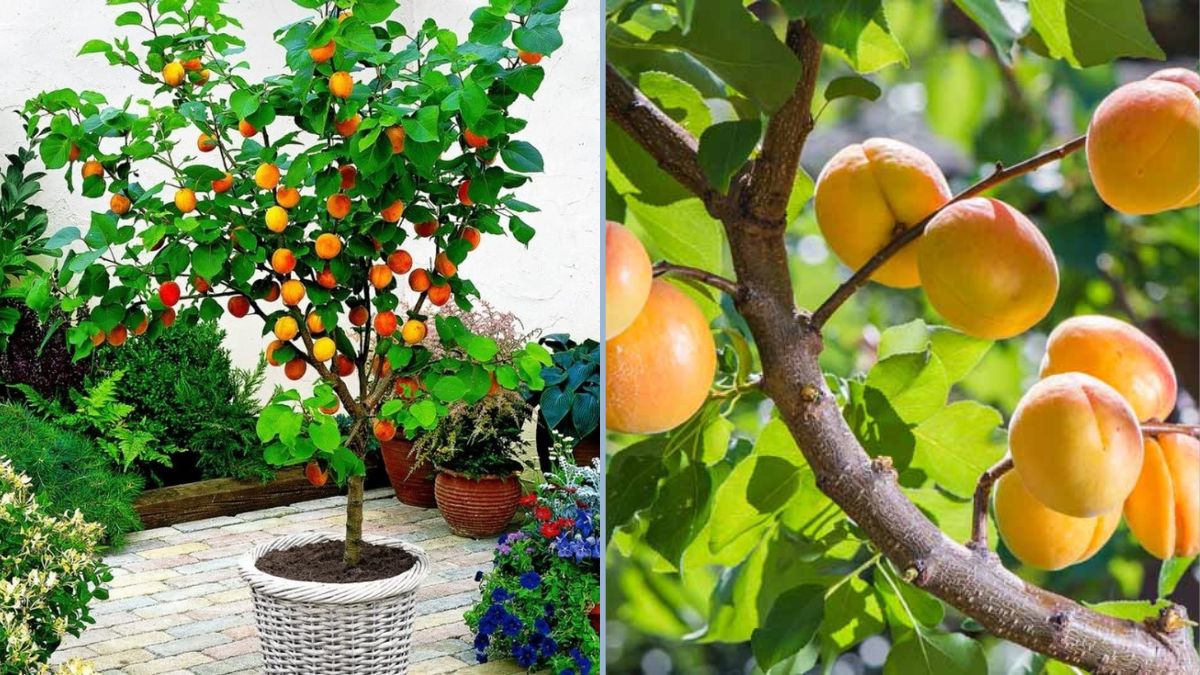
There’s nothing quite like walking through your own garden and picking fresh, sun-warmed fruit straight from the tree. Whether it’s the juicy sweetness of a peach, the smooth tang of a nectarine, the honeyed flavor of an apricot, or the rich juiciness of a plum — stone fruits are the essence of summer.
However, getting these trees to produce lots of high-quality fruit doesn’t happen by chance. Many gardeners find that after a few years, their trees produce smaller crops, fewer blossoms, or fruit that drops prematurely. If you want to maximize your harvest and enjoy baskets full of beautiful fruit every season, these seven practical tips will make all the difference.
1. Choose the Right Variety for Your Climate
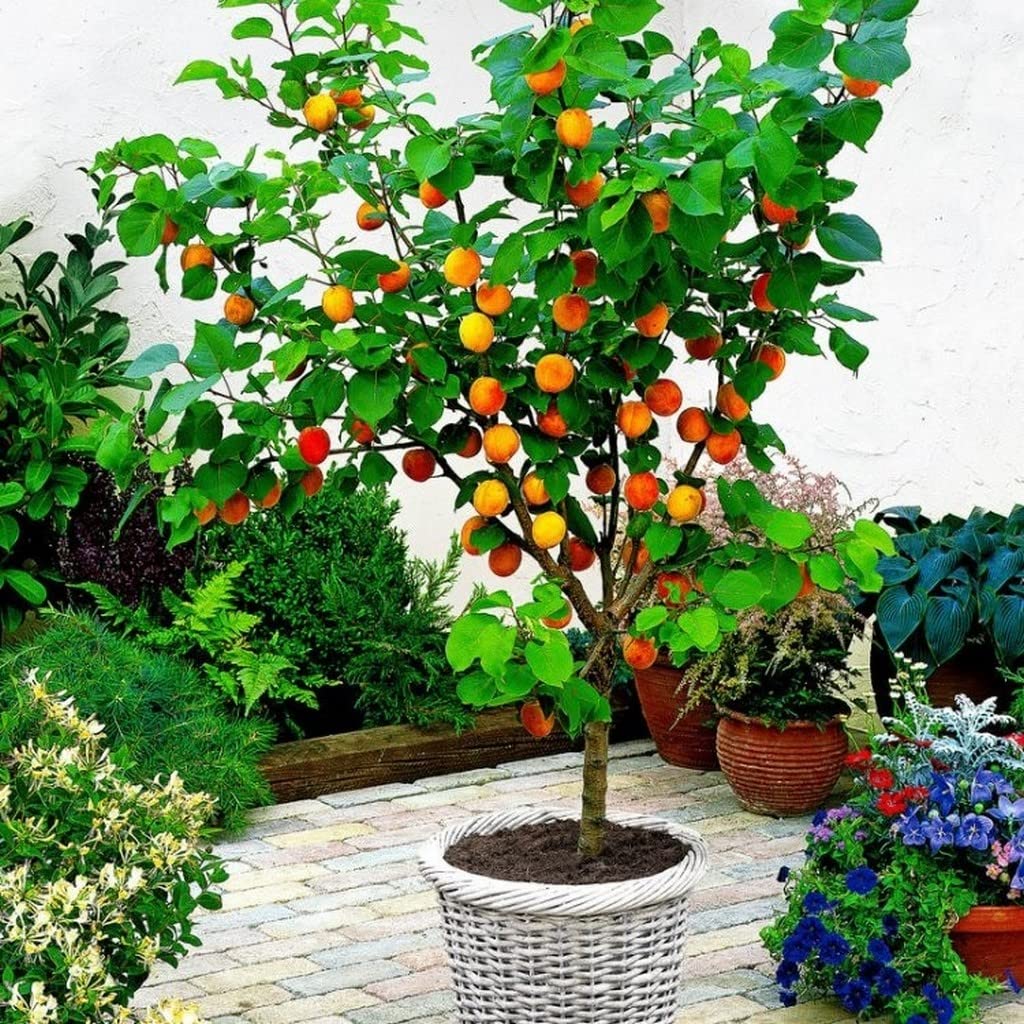
The foundation of success with stone fruits starts with choosing the right variety for your growing region. Peaches, nectarines, apricots, and plums each have specific chilling requirements — the number of hours of cool temperatures they need in winter to set fruit properly.
- Low-chill varieties are ideal for warmer climates where winters are mild.
- High-chill varieties thrive in regions with cold winters and late frosts.
If you plant a variety that isn’t suited to your climate, the tree may flower too early (and lose blooms to frost) or too late (missing its natural rhythm). The result? Fewer fruits.
When selecting trees, also consider disease resistance, especially to common issues like peach leaf curl or brown rot. Local nurseries often label varieties according to climate suitability — and choosing wisely here sets you up for years of abundant harvests.
2. Plant in Full Sun with Good Air Circulation
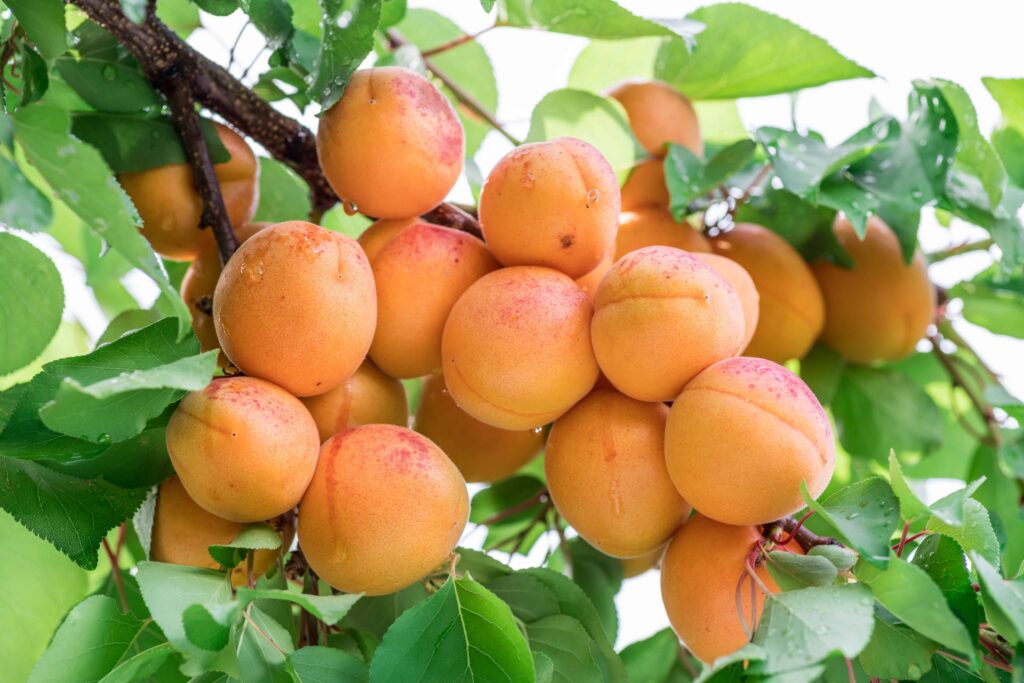
Stone fruit trees are sun lovers. For maximum flowering and fruiting, they need at least 6–8 hours of direct sunlight per day. A sunny, open spot encourages better blossom development and helps ripen fruit evenly.
Good air circulation is equally important. Crowded or shaded trees can stay damp longer after rain, creating the perfect conditions for fungal diseases. Plant your trees with enough space between them — ideally 3–4 meters apart — so that air and light can reach every branch.
If you’re growing trees near walls or fences, make sure the branches don’t become trapped or shaded. Proper sunlight and airflow can easily double your yield compared to overcrowded trees.
3. Master the Art of Pruning
Pruning isn’t just about keeping your trees tidy — it’s the single most powerful tool for controlling fruit production. Pruning affects how light and nutrients move through the tree, determining how many blossoms (and therefore fruits) it will bear.
Here are a few pruning principles to follow:
- Prune every year. Don’t skip seasons. Removing old or crowded wood keeps the tree vigorous and productive.
- Focus on shape. An open “vase” or “bowl” shape is ideal for stone fruits. This allows light into the center of the tree and encourages strong lateral branches.
- Cut back long, whippy shoots. These rarely produce quality fruit. Instead, focus energy on shorter, well-positioned fruiting spurs.
- Remove diseased or crossing branches. This prevents damage and encourages healthy growth.
Most pruning is best done in late winter to early spring, just before new growth begins. Light summer pruning can also help shape the tree and improve fruit size.
4. Feed and Water Generously — But Wisely
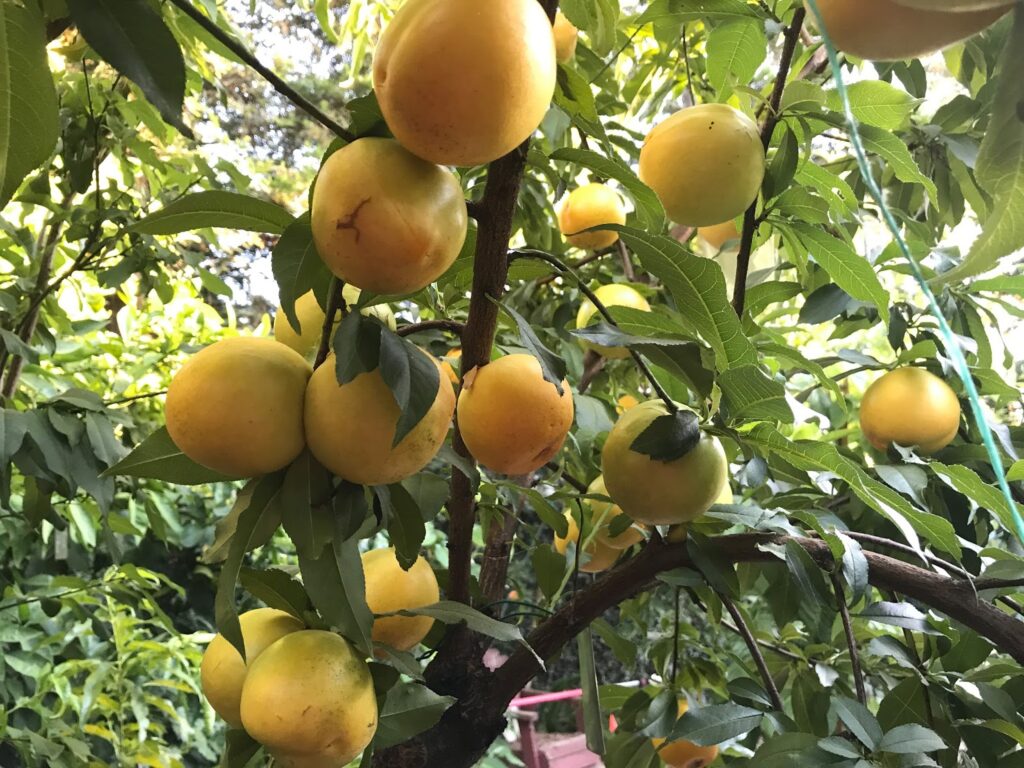
Abundant harvests require consistent nutrition and moisture. Stone fruits are relatively hungry feeders, especially when they’re forming fruit.
Here’s a simple seasonal guide:
- Early spring: Apply a balanced organic fertilizer or compost around the drip line to boost early growth.
- After fruit set: Add potassium-rich feeds to support fruit swelling and sweetness.
- Post-harvest: Mulch with compost or aged manure to replenish nutrients and protect roots.
When it comes to water, regular deep watering is far more effective than frequent light sprinkling. A mature peach or plum tree typically needs the equivalent of 2–3 cm of rain per week during active growth. Deep watering encourages strong root systems that can better withstand heat and drought.
However, avoid overwatering — constantly wet soil can lead to root rot. Let the top few inches of soil dry out slightly between waterings.
5. Thin the Fruit for Size and Quality
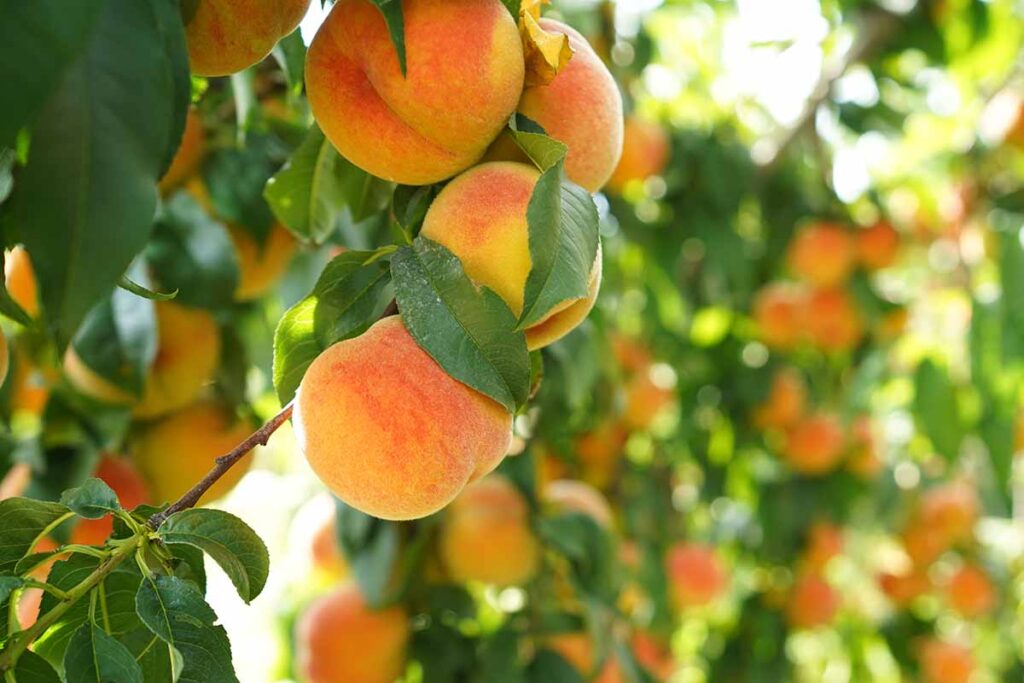
It may sound counterintuitive, but to grow lots of high-quality fruit, you actually need to remove some of it early on. Stone fruit trees often produce far more blossoms and baby fruits than they can sustain. If you leave them all, you’ll end up with a heavy crop of small, underdeveloped fruits — and possibly broken branches.
Once the fruits are about the size of a marble, thin them so that there’s about 10–15 cm of space between each fruit.
Thinning helps in several ways:
- It directs the tree’s energy into fewer, larger fruits.
- It prevents overloading, which can snap limbs.
- It reduces the risk of pest and fungal infestations by improving airflow.
The result? Bigger, juicier, better-flavored peaches, nectarines, apricots, and plums.
6. Protect Blossoms from Frost and Pollinate Effectively
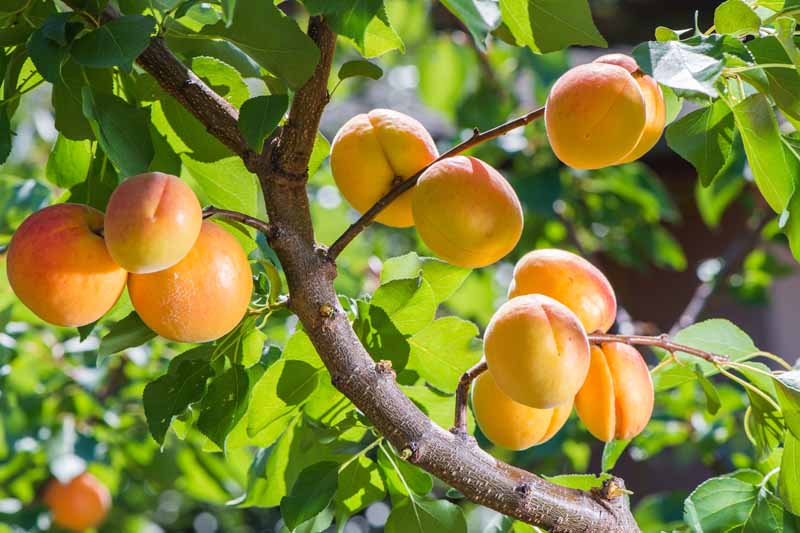
Late spring frosts can devastate stone fruit trees. A single cold night can destroy all the blossoms, wiping out your entire crop.
Here’s how to protect your trees during blossom season:
- Cover with frost cloths or garden fleece when frost is forecast.
- Use mulch around the base of the tree to moderate soil temperature.
- Water the soil the evening before a frost, as moist soil holds heat better than dry soil.
Another factor that affects yield is pollination. While many peach and nectarine trees are self-fertile, some apricots and plums need a compatible partner nearby to set fruit. Check the pollination needs of your specific variety and plant accordingly.
If you have self-fertile trees but still notice poor fruit set, encourage pollinators like bees by planting companion flowers nearby — lavender, rosemary, and marigolds work beautifully.
7. Stay Ahead of Pests and Diseases
Healthy trees yield more fruit — it’s that simple. Unfortunately, stone fruit trees are magnets for pests like aphids, scale insects, and fruit moths, as well as diseases such as leaf curl and brown rot.
The key to managing these issues is early prevention, not last-minute cures.
- Inspect your trees regularly. Look under leaves and along stems for insects or sticky residue.
- Prune infected branches immediately to prevent spread.
- Spray organic neem oil or dormant oil in early spring to deter overwintering pests.
- Clean up fallen fruit and leaves from around the base of the tree after harvest. This simple step dramatically reduces the risk of fungal reinfection the following year.
Maintaining good tree hygiene and balance is your best defense. A clean, well-ventilated tree will naturally resist most common problems.
Bonus Tip: Patience and Consistency Pay Off
Like all living things, fruit trees thrive on routine. The more consistent you are with watering, feeding, and pruning, the better your trees will perform over time. Don’t be discouraged if the first year’s harvest is small — young trees are still establishing their root systems and energy balance.
By the third or fourth year, with regular care, you’ll start seeing a dramatic increase in both quantity and quality of fruit. The reward is worth every bit of effort — few things are as satisfying as filling baskets with fruit you’ve grown yourself.
Bringing It All Together
Growing peaches, nectarines, apricots, and plums isn’t difficult — but it does require understanding how these trees grow and what they need to thrive. By following these seven tips, you’ll transform your orchard or backyard garden from an occasional producer into a reliable source of juicy, fragrant fruit year after year.
To recap:
- Choose varieties suited to your local climate.
- Plant in full sun with good airflow.
- Prune annually to shape and strengthen.
- Feed and water deeply but not excessively.
- Thin your fruit to improve size and quality.
- Protect blossoms and encourage pollination.
- Keep trees healthy through regular monitoring and pest control.
With a bit of patience, observation, and consistent care, you’ll enjoy harvests so abundant you’ll be sharing baskets of fruit with friends and neighbors — and savoring the taste of summer long after the season ends.