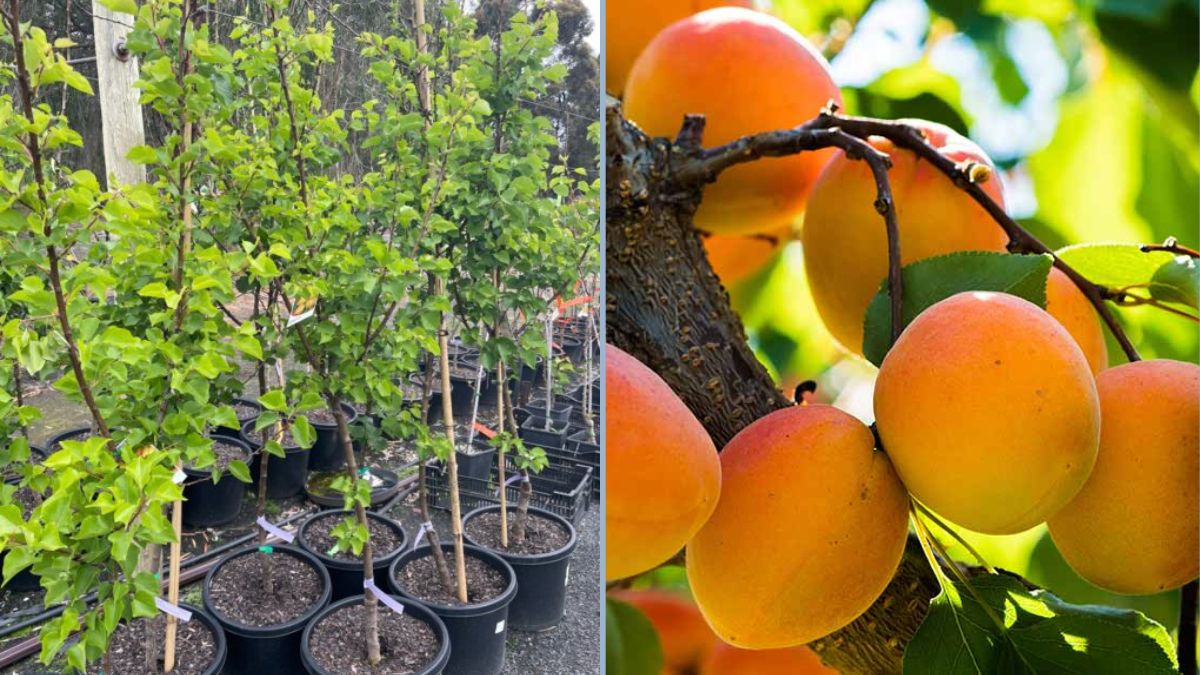
In the world of fruit trees, few varieties have earned as much admiration as the Royal Blenheim apricot. Known for its rich flavor, striking golden hue, and classic aroma, this heirloom variety has been celebrated for centuries — from English estates to Californian orchards. Yet, as one grower’s experience shows, the Blenheim’s strength goes beyond its fruit: even after five years without pruning, an 11-year-old tree can still produce an abundant, golden harvest.
This story isn’t just about a fruitful season — it’s about resilience, the natural rhythm of growth, and the forgiving nature of a tree that thrives even when left to its own devices. Whether you’re a home gardener or a small-scale orchardist, there’s much to learn from the humble, yet majestic, Royal Blenheim apricot.
A Living Legacy: The History of the Blenheim Apricot
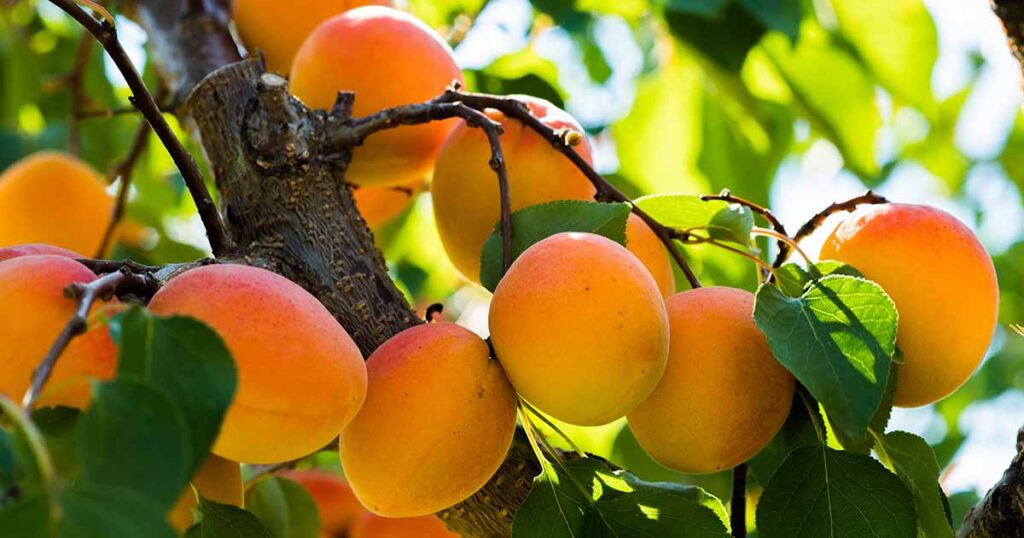
The Blenheim apricot’s roots run deep. Originating in England in the 19th century, it was named after the grand Blenheim Palace in Oxfordshire. The variety was prized for its complex, honeyed flavor and beautiful orange-gold color. When introduced to California in the mid-1800s, it quickly found its ideal home in the state’s Mediterranean climate.
By the early 20th century, the Royal Blenheim (a slightly improved strain) became the standard apricot of California orchards, particularly in the Santa Clara Valley — a region once known as “The Valley of Heart’s Delight” before it became Silicon Valley. For generations, Blenheims were canned, dried, and enjoyed fresh by families who knew their flavor was second to none.
Though newer varieties have emerged — often bred for transport durability rather than taste — the Blenheim’s heritage status and exceptional flavor have ensured its enduring popularity among fruit connoisseurs and backyard growers.
The 11-Year-Old Tree: Nature’s Patience Rewarded
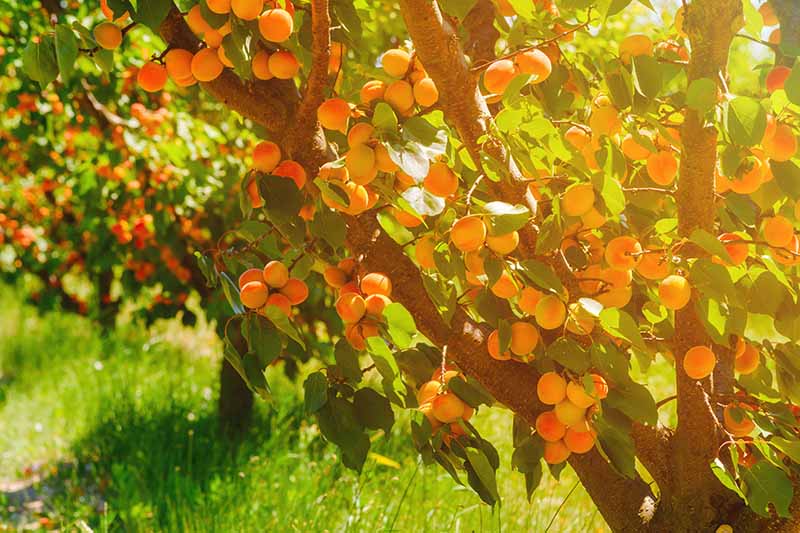
The featured tree in this story is a Royal Blenheim apricot that has reached its 11th year, a mature stage when most fruit trees are at their peak productivity. What makes it particularly fascinating is that it hasn’t been pruned for five years — and yet, it continues to grow vigorously, producing a bountiful crop of golden fruit.
In most orchards, pruning is considered essential. It helps maintain shape, prevent overcrowding, and encourage new fruiting wood. But this tree challenges that rule. It stands as living proof that, given the right conditions, nature can balance itself.
The unpruned branches have grown wide and dense, forming a lush canopy that shades the trunk and surrounding soil. Despite the crowded structure, sunlight still manages to filter through the leaves, ripening fruit that hangs in heavy clusters. The tree’s natural form — slightly wild, irregular, yet beautifully balanced — speaks to its inner resilience.
Why the Royal Blenheim Thrives Without Pruning
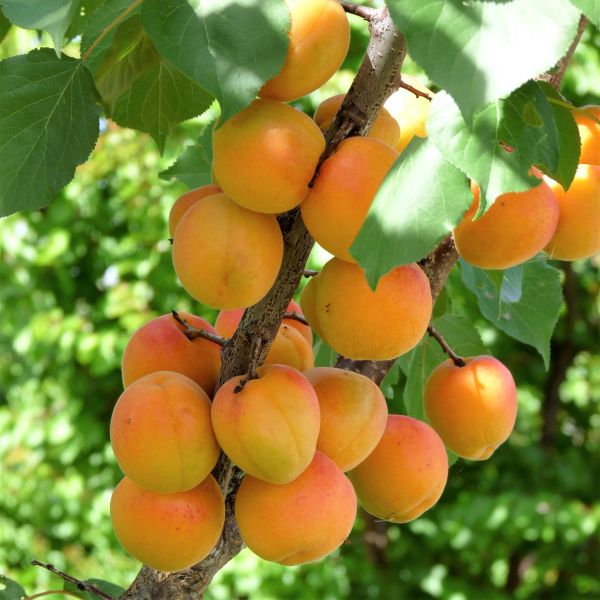
So, how does a tree that hasn’t been pruned in half a decade continue to bear such rich fruit? The answer lies in the inherent characteristics of the Blenheim apricot and its adaptability to natural rhythms.
1. Strong Genetic Lineage
The Royal Blenheim is an heirloom variety with robust genetics. It evolved to perform well in a range of environments and has an inbuilt capacity for self-regulation. When left unpruned, it directs its energy toward the outer canopy, where light is most abundant — maintaining productivity even without human intervention.
2. Deep Root System
Mature apricot trees develop deep, widespread roots that stabilize their growth and access nutrients from lower soil layers. The 11-year-old tree’s established roots provide steady moisture and mineral intake, even during dry periods.
3. Self-Thinning Ability
While pruning helps control fruit load, Blenheims can naturally self-thin, dropping excess immature fruit in late spring. This natural mechanism ensures that remaining apricots grow large and flavorful rather than small and crowded.
4. Natural Canopy Regulation
Although the branches are dense, apricot trees often shed interior twigs and small branches over time. This creates air gaps within the canopy that allow sunlight and air circulation — crucial for ripening and disease prevention.
The Rewards: A Bountiful, Golden Harvest
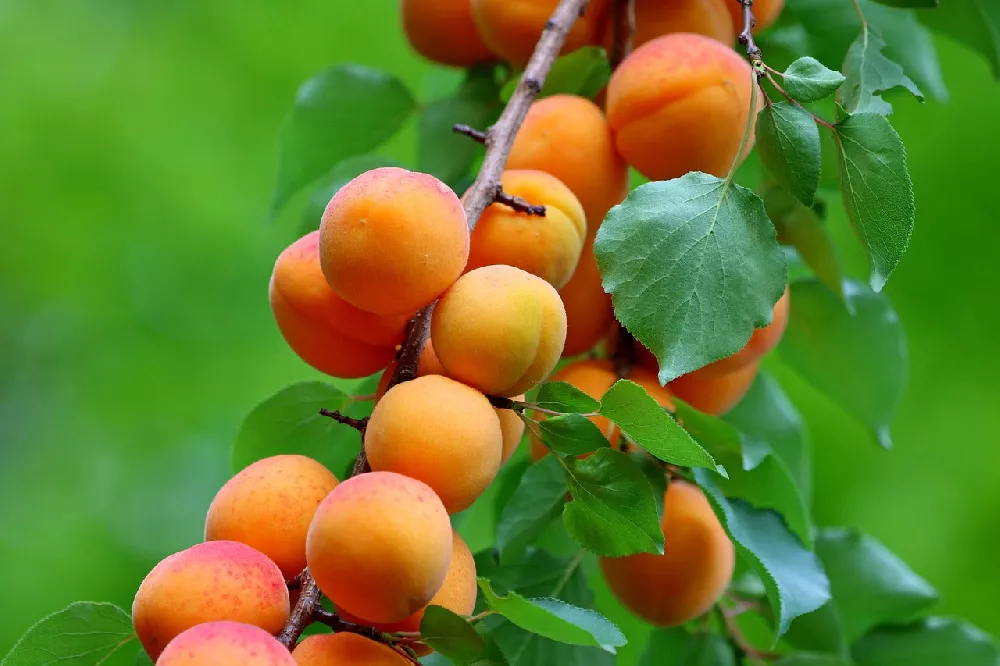
When summer arrives, the unpruned Royal Blenheim bursts into abundance. Its branches, heavy with apricots, bend under the weight of hundreds of glowing fruits — each one a symbol of the tree’s vitality.
The Royal Blenheim apricot is beloved for its exceptional flavor — sweet yet tangy, with an aroma that’s both floral and honeyed. The flesh is deep orange, tender, and juicy, while the skin has a soft blush where the sun has touched it.
These fruits are perfect for:
- Fresh eating, straight from the branch
- Drying, as the flavor intensifies beautifully
- Preserving into classic apricot jam or compote
- Baking in tarts, cakes, and rustic galettes
What’s remarkable is how the quality of the fruit remains high even without regular pruning. The Blenheim’s genetics ensure consistent sweetness and aroma, provided the tree receives enough sunlight and nutrients.
Understanding the Risks of No Pruning
While the story of this 11-year-old, unpruned tree is inspiring, it’s not a universal blueprint. Leaving apricot trees completely unpruned for long periods can lead to certain challenges, including:
- Overcrowding: Too many branches can shade fruiting wood, reducing productivity over time.
- Pest Habitat: Dense canopies can harbor aphids, mites, or fungal infections like brown rot.
- Structural Weakness: Heavy branches may break under the weight of fruit.
That said, the key takeaway is balance. This particular tree likely benefited from:
- A strong start with proper early pruning.
- A healthy environment with good soil and drainage.
- Natural airflow and adequate light exposure.
It demonstrates that while pruning is valuable, nature often finds equilibrium if the tree is healthy and well-established.
The Science of Neglected Fruit Trees
Interestingly, there’s growing research on how “neglected” or “wild-managed” fruit trees behave. When left unpruned, they often shift their growth patterns — focusing less on rapid shoot growth and more on fruiting stability. In a sense, the tree becomes self-regulating.
For the Royal Blenheim, this can mean slightly smaller but more intensely flavored fruit, as the tree redistributes its energy toward fewer, higher-quality apricots. This could explain the rich taste and dense sweetness observed in long-matured, minimally pruned Blenheim trees.
Caring for Mature Blenheim Apricot Trees
If you have a mature Royal Blenheim or plan to plant one, consider these best practices to ensure long-term health and abundant harvests — even with minimal pruning.
1. Soil Health
Feed the soil, not just the tree. Apply compost or organic mulch annually around the drip line to maintain fertility and moisture retention.
2. Watering
Apricots prefer deep watering once every week or two during dry months. Avoid shallow watering, which promotes weak surface roots.
3. Light Maintenance Pruning
Even if you’re inspired by the “no pruning” example, consider occasional light pruning — removing dead wood, crossing branches, or thinning congested areas to improve airflow.
4. Pest and Disease Management
Keep an eye out for brown rot, shot hole fungus, or aphids. Neem oil and copper sprays (used seasonally) can help maintain tree health naturally.
5. Harvest Timing
Blenheim apricots ripen fast — usually in mid to late summer, depending on your region. Pick them just as they turn golden and soften slightly to the touch. Overripe fruit can drop quickly, so check daily during peak ripening.
The Magic of Heirloom Resilience
There’s something deeply satisfying about seeing an old fruit tree flourish without constant interference. The 11-year-old Royal Blenheim embodies the essence of natural gardening — patience, observation, and respect for the tree’s own wisdom.
In a time when many gardeners feel pressured to over-manage their plants, this story reminds us that sometimes, the best thing we can do is simply let nature lead. The result can be breathtaking — an overflowing tree glowing with apricots, buzzing with bees, and filling the air with the scent of ripened fruit.
Conclusion: Lessons from a Golden Heirloom
The Royal Blenheim apricot is more than just a variety of fruit — it’s a living link between old-world horticulture and modern backyard gardening. Its ability to thrive, even without five years of pruning, is a testament to its strength, adaptability, and deep-rooted vitality.
For growers, the message is clear: when you choose a Blenheim, you’re not just planting a tree — you’re cultivating a relationship with a piece of history. One that, even when left untended for a time, rewards you with a bounty of golden fruit and the satisfaction of knowing that nature, when trusted, rarely disappoints.
So whether you tend your trees meticulously or prefer a more hands-off approach, take inspiration from the 11-year-old Royal Blenheim. Let it remind you that growth is not always about control — sometimes, it’s about trusting the rhythm of nature and allowing beauty to unfold on its own.