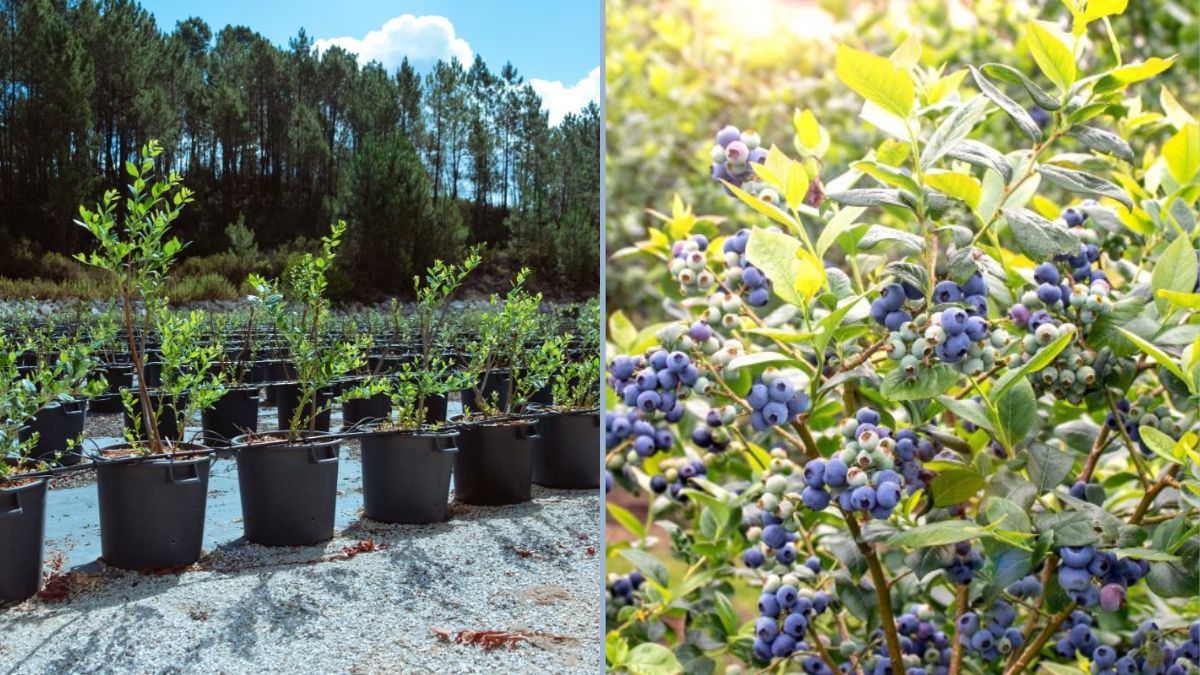
Blueberries are one of the most rewarding fruits to grow at home. Sweet, nutrient-rich, and versatile in the kitchen, they’re a gardener’s delight. Among the many types of blueberries, highbush blueberries stand out for their size, flavor, and adaptability. Whether you’re considering planting a few shrubs in your backyard or starting a small home orchard, understanding the highbush variety is essential for success.
In this review, we’ll explore everything you need to know about highbush blueberries — from their origins and characteristics to planting tips, care requirements, and harvesting insights. By the end, you’ll know whether highbush blueberries are right for your garden.
What Are Highbush Blueberries?
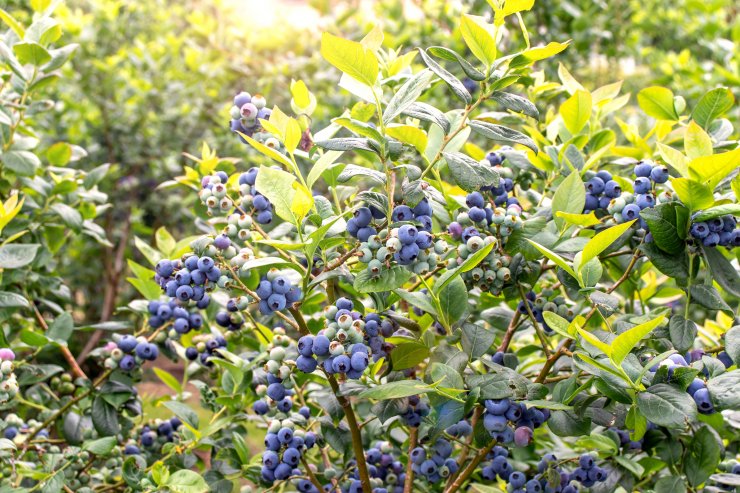
Highbush blueberries (Vaccinium corymbosum) are a popular cultivated species native to North America. Unlike their lowbush counterparts, which grow close to the ground and often spread via underground stems, highbush varieties grow as upright shrubs, reaching heights of 4–6 feet (1.2–1.8 meters), sometimes taller in ideal conditions.
These shrubs are renowned for producing large, plump berries with rich, sweet flavor. Their upright growth habit makes them easier to harvest, prune, and integrate into home landscapes.
Key Features of Highbush Blueberries
- Height: Typically 4–6 feet; can reach 8 feet under optimal conditions
- Fruit Size: Large, juicy berries, often sweeter than lowbush varieties
- Season: Summer, usually from late June through August, depending on region
- Climate: Temperate regions with cold winters; need sufficient chill hours
Highbush blueberries are often divided into northern highbush and southern highbush varieties. Northern highbush thrive in cooler climates and require more winter chill, whereas southern highbush are adapted to milder winters and can tolerate warmer summers. Choosing the right type for your region is key to a successful harvest.
Flavor and Culinary Use
One of the main reasons gardeners love highbush blueberries is their exceptional flavor. The berries are sweet with a mild tartness that makes them versatile in the kitchen. They’re perfect for:
- Eating fresh straight from the bush
- Baking in muffins, pies, and tarts
- Smoothies and juices
- Jams and preserves
- Freezing for year-round use
Because highbush berries are larger than lowbush varieties, they’re often preferred for fresh eating and recipes where presentation matters.
Planting Highbush Blueberries
Growing highbush blueberries successfully starts with selecting the right location and soil. These shrubs have specific needs but reward gardeners who meet them with years of productive growth.
1. Choosing a Site

Highbush blueberries require full sun — at least 6–8 hours of direct light per day. They also need good air circulation to prevent fungal issues. Plant them in raised beds or gently sloping ground if your soil tends to hold water.
2. Soil Requirements
Blueberries are acid-loving plants. Optimal soil has a pH of 4.5–5.5 and is rich in organic matter. If your garden soil is neutral or alkaline, amend it with peat moss, pine bark, or sulfur to increase acidity.
Well-draining soil is essential — blueberries dislike “wet feet,” which can lead to root rot.
3. Planting Process
- Space shrubs 4–6 feet apart to allow room for growth.
- Dig a hole twice as wide and slightly deeper than the root ball.
- Mix organic matter into the soil and position the plant so the crown is level with the soil surface.
- Water deeply after planting to settle the roots.
Young plants benefit from mulch, which conserves moisture, suppresses weeds, and maintains an even soil temperature.
Caring for Highbush Blueberries
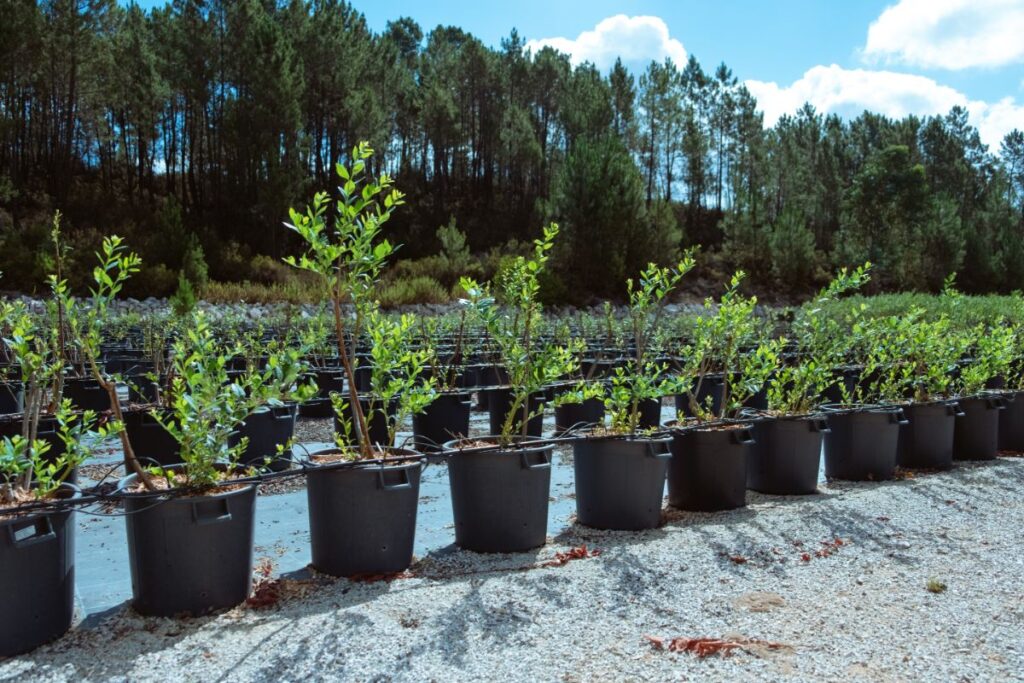
Highbush blueberries are relatively low-maintenance once established, but they thrive under consistent care.
1. Watering
Blueberries have shallow roots that dry out quickly. During dry spells, water 1–2 inches per week. Drip irrigation is ideal because it keeps foliage dry and reduces disease risk.
2. Fertilization
Use acidic fertilizers formulated for blueberries or azaleas. Avoid excessive nitrogen, which encourages leaf growth at the expense of fruit. Apply fertilizer early spring and again after harvest to support growth and berry production.
3. Mulching
Mulch with pine needles, wood chips, or shredded bark to conserve moisture, prevent weeds, and enhance soil acidity. Refresh mulch annually to maintain benefits.
4. Pruning
Pruning is essential for long-term productivity. For highbush blueberries:
- Remove dead or weak branches in late winter.
- Thin older canes to stimulate new growth.
- Encourage a mixture of older and younger canes, as berries form on 1–2-year-old wood.
Proper pruning improves air circulation, reduces disease risk, and ensures higher fruit quality.
Pollination and Companion Planting
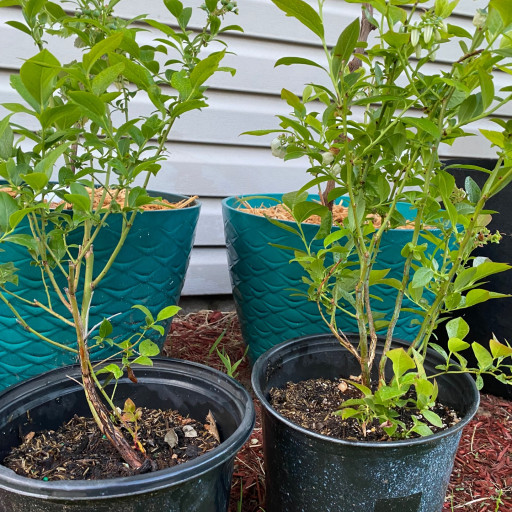
Highbush blueberries benefit from cross-pollination. Planting two or more varieties can improve yield and berry size. Bees are excellent pollinators, so avoid pesticides during bloom.
Companion plants like azaleas, rhododendrons, or clover can enhance the garden ecosystem, providing habitat for pollinators and enriching the soil.
Common Pests and Diseases
Highbush blueberries are fairly hardy but may encounter:
- Birds: Netting can protect ripening fruit
- Aphids and mites: Monitor plants and use organic sprays if needed
- Fungal diseases: Powdery mildew, mummy berry, and root rot can occur. Ensure good drainage, proper spacing, and air circulation to minimize risks
With attentive care, these challenges are manageable, and a healthy highbush shrub can produce abundant fruit for decades.
Harvesting Highbush Blueberries
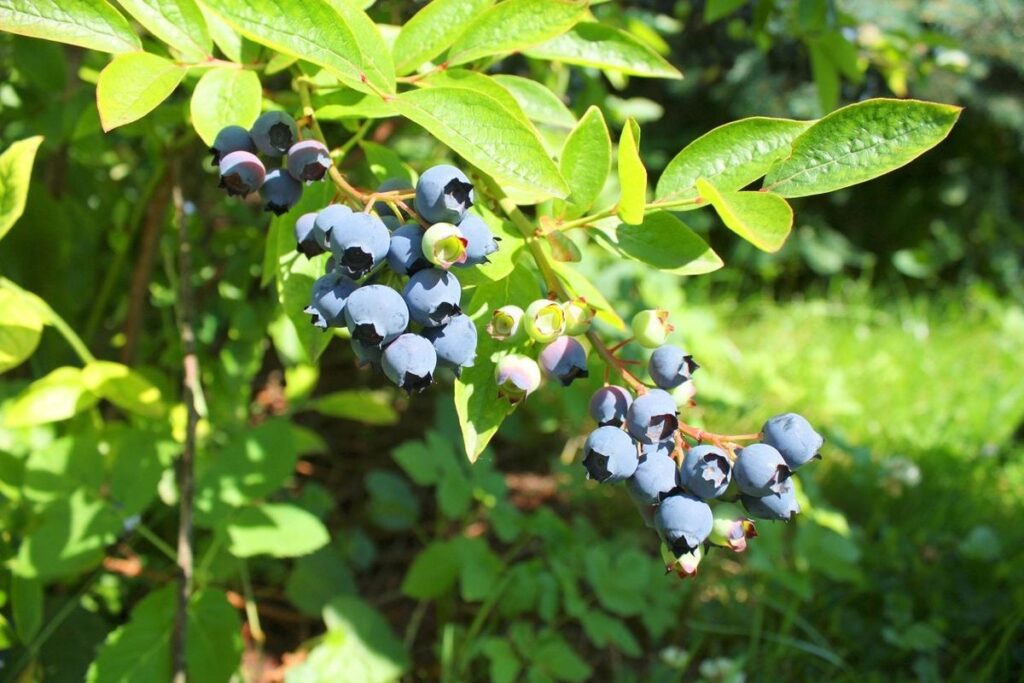
Highbush blueberries are typically ready for harvest when fully blue with a slight grayish bloom. Picking too early can result in sour or less flavorful berries.
Harvest tips:
- Pick every 2–3 days during peak season
- Handle berries gently; they bruise easily
- Use shallow containers to avoid crushing fruit
- Refrigerate or freeze promptly if not eating immediately
A mature highbush blueberry shrub can yield 5–10 pounds of berries per season, sometimes more with optimal care.
Benefits of Growing Highbush Blueberries
Growing highbush blueberries at home has numerous advantages:
- Nutritional value: Rich in antioxidants, vitamin C, and fiber
- Longevity: A well-cared-for shrub can produce berries for 20 years or more
- Garden beauty: White spring flowers and vibrant fall foliage enhance landscape appeal
- Self-sufficiency: Fresh homegrown blueberries are superior to store-bought, with unmatched flavor
For gardeners seeking both beauty and productivity, highbush blueberries are a win-win.
Final Thoughts: Are Highbush Blueberries Right for You?
Highbush blueberries are more than just fruit; they’re a long-term investment in your garden. With proper site selection, soil preparation, and ongoing care, these shrubs reward patience with sweet, abundant berries and a visually appealing presence in your yard.
If you’ve been considering growing blueberries, the Chandler variety may be a great choice for home gardeners who want large, flavorful berries. For those living in temperate regions with acidic soil, highbush blueberries are an accessible way to enjoy fresh, healthy fruit straight from the garden.
From planting and pruning to flowering and harvesting, highbush blueberries offer a full-season gardening experience, combining flavor, nutrition, and beauty in every shrub. Whether eaten fresh, baked into pies, or frozen for winter, these berries make every effort worthwhile.
For gardeners seeking sweet rewards, low-maintenance care, and a long-lasting harvest, highbush blueberries are a perfect addition to any backyard or small orchard.