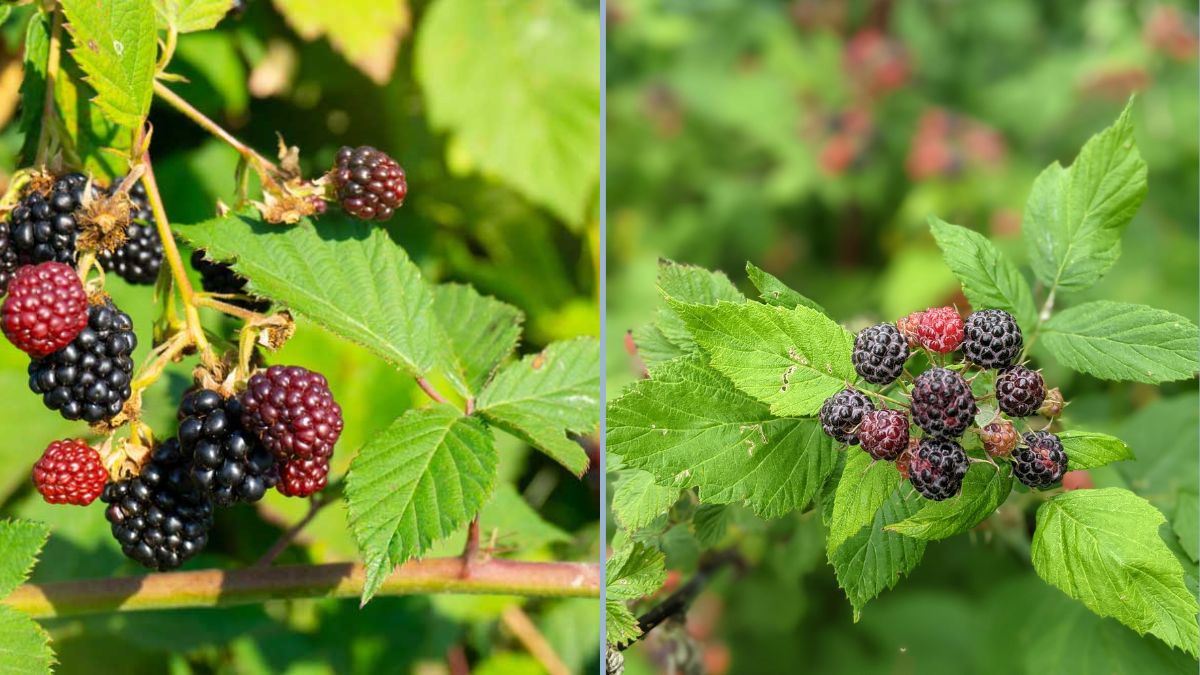
Few pleasures in home gardening compare to the taste of fresh, sun-warmed berries. Whether eaten straight from the bush, baked into pies, or preserved for winter, raspberries and blackberries are among the most rewarding fruits to grow. But did you know that timing your planting correctly can significantly boost your harvest? By planting raspberries and blackberries now, you can set the stage for larger yields and sweeter fruit in the seasons ahead.
In this post, we’ll explore why spring and early summer plantings are ideal, the best ways to establish berry plants, and tips to maximize productivity. Whether you’re a first-time grower or expanding your berry patch, these strategies can help you enjoy double the harvest in the coming years.
Why Timing Matters for Berry Planting
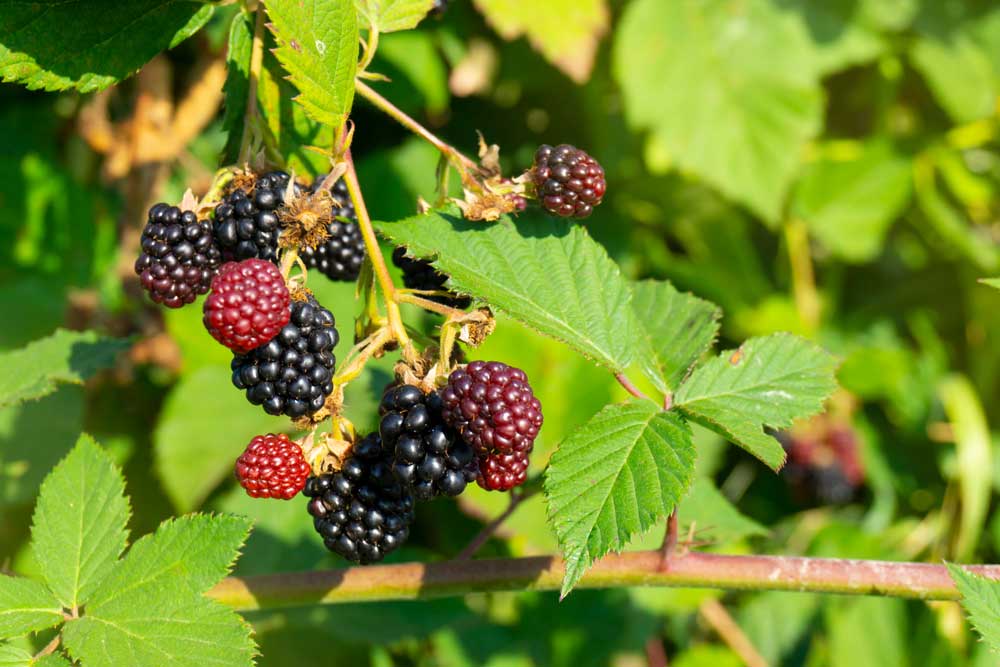
Raspberries and blackberries are perennial brambles that produce fruit on either first-year (primocane) or second-year (floricane) canes. Establishing them at the right time ensures:
- Strong root development
- Healthy canes for fruiting
- Reduced stress from heat or frost
- Early establishment for higher yields
Planting in spring or early summer allows young plants to focus on root growth before the winter, which leads to more vigorous growth and better fruiting the following year. Delaying planting can reduce the plant’s energy for fruiting, resulting in smaller or fewer berries.
Choosing Between Raspberries and Blackberries
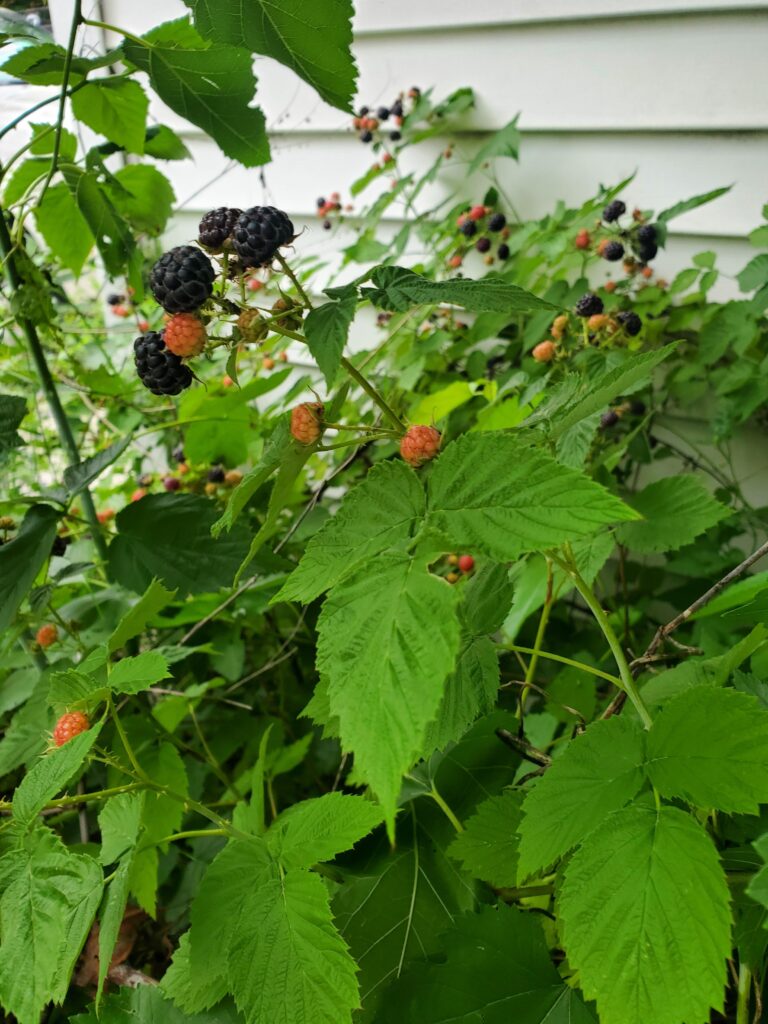
Both raspberries and blackberries are easy to grow, but they have slightly different requirements and growth habits.
Raspberries
- Grow in upright, arching canes
- Fruiting canes are biennial (floricane types) or annual (primocane types)
- Prefer slightly acidic, well-draining soil (pH 5.5–6.5)
- Often require trellising for support
Blackberries
- Can be upright or trailing varieties
- Fruit on second-year canes (floricanes)
- Adapt well to a variety of soil types but prefer rich, well-drained soil
- Trellising helps control sprawling growth and increases air circulation
When planted together, these berries can complement each other in the garden, creating a longer harvest season and maximizing overall yields.
Site Selection and Soil Preparation
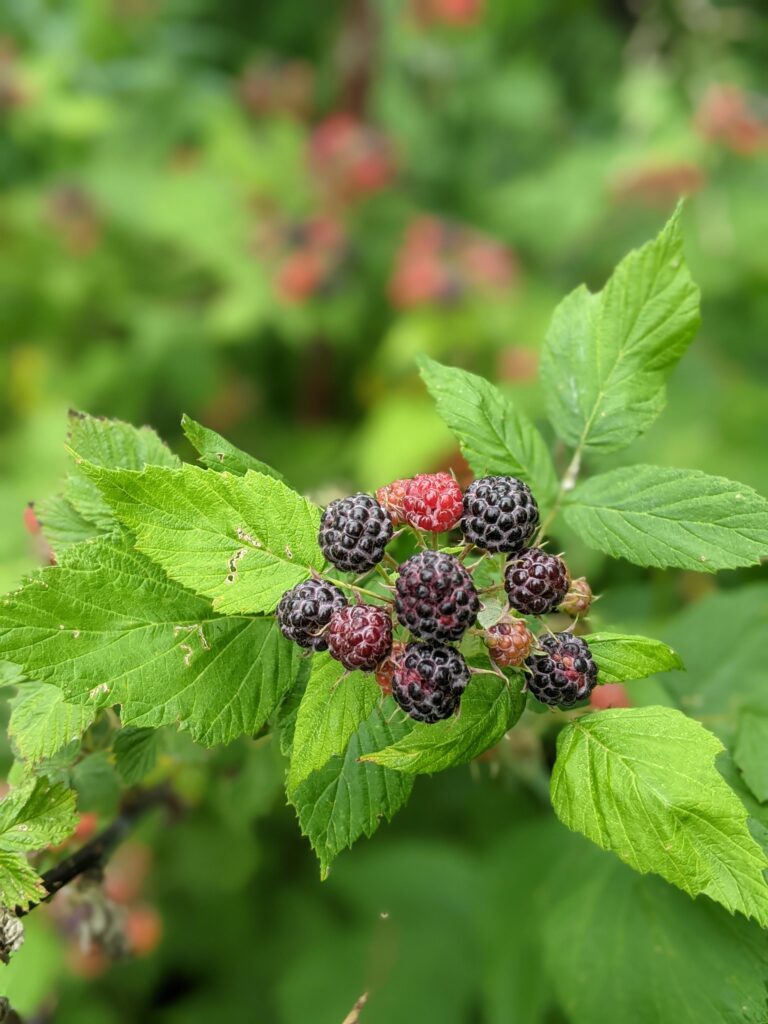
Successful berry growth begins with the right location and well-prepared soil.
1. Sunlight
Both raspberries and blackberries need full sun — at least six to eight hours per day. Sun exposure improves berry size, sweetness, and plant vigor.
2. Soil
- Well-draining soil prevents root rot.
- Rich, loamy soil is ideal, but sandy or clay soils can be improved with compost and organic matter.
- Test soil pH and aim for slightly acidic conditions (5.5–6.5), which berries prefer.
3. Spacing
Proper spacing improves air circulation, reduces disease risk, and allows room for growth:
- Raspberries: 2–3 feet between plants, 6–8 feet between rows
- Blackberries: 3–4 feet between plants, 8–10 feet between rows for trailing types
4. Trellising
Erect or semi-erect varieties benefit from simple trellises. Trellising keeps canes upright, eases harvesting, and allows sunlight to reach all parts of the plant.
Planting Your Berry Bushes
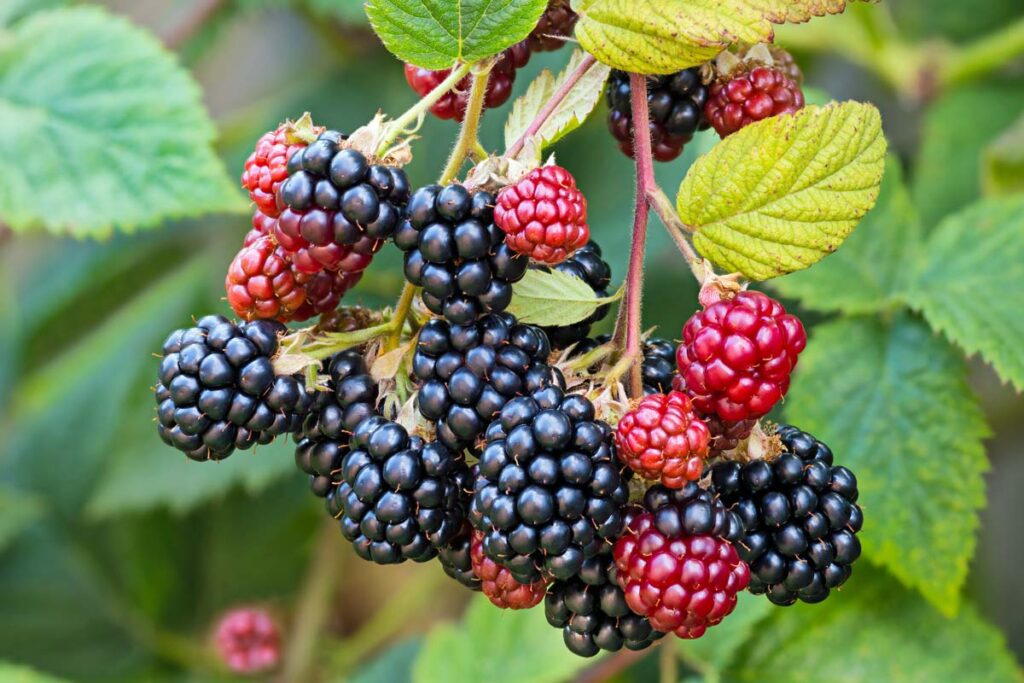
Planting correctly from the start is critical to long-term success.
Step 1: Prepare the Root Ball
- Soak bare-root plants in water for 1–2 hours before planting
- Trim any damaged or overly long roots
Step 2: Dig the Hole
- Hole should be twice the width of the root ball and deep enough to cover roots without burying the crown
- Mix compost or aged manure into the soil to enrich it
Step 3: Position the Plant
- Set the crown slightly above soil level
- Spread roots evenly
- Backfill gently, tamping lightly to remove air pockets
Step 4: Watering
- Water thoroughly after planting
- Keep soil consistently moist (but not waterlogged) until the plant is established
Step 5: Mulching
- Apply 2–3 inches of straw, wood chips, or bark mulch
- Mulch conserves moisture, suppresses weeds, and maintains even soil temperature
Caring for Young Plants
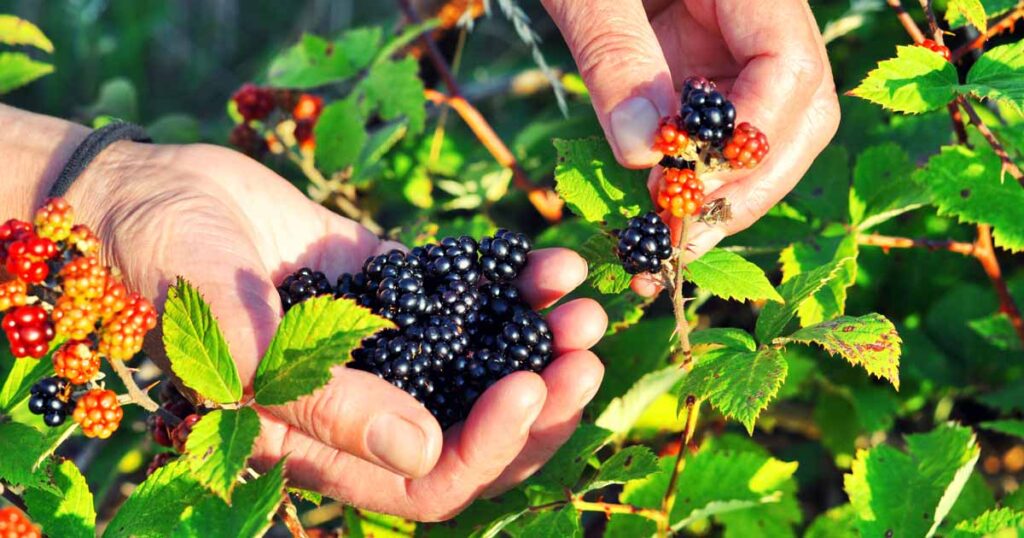
Young raspberry and blackberry plants need consistent care to develop strong roots and canes.
1. Watering
- Water 1–2 times per week, increasing during dry spells
- Drip irrigation or soaker hoses work best to keep foliage dry
2. Fertilizing
- Apply balanced, slow-release fertilizer early in the season
- Avoid over-fertilizing, which promotes leaf growth at the expense of berries
3. Pruning
- Remove weak or damaged canes in the first year
- For floricane varieties, cut spent canes after harvest
- For primocane varieties, tips can be pruned to encourage lateral fruiting
4. Pest and Disease Management
- Watch for aphids, spider mites, and fungal diseases like powdery mildew
- Encourage beneficial insects and maintain air circulation
- Remove infected leaves or canes promptly
Maximizing Your Berry Harvest
Once your plants are established, several strategies can double your berry production:
1. Plant at the Right Time
Early spring planting gives young plants a full growing season to develop roots and canes before winter dormancy.
2. Choose the Right Varieties
- Raspberries: Fall-bearing or primocane varieties produce fruit on first-year canes, extending harvest into late summer and fall
- Blackberries: Select thornless varieties for easier harvesting and higher consumer appeal
3. Proper Trellising
Strong trellises support canes, prevent breakage, and allow sunlight to reach developing fruit. Properly spaced trellises also improve air circulation, reducing disease risk.
4. Fertilize and Mulch
Maintaining rich, fertile soil with regular compost and mulch boosts cane growth and berry size. Fertilize lightly after harvest to prepare plants for next season.
5. Water Consistently
Consistent moisture is critical, especially during flowering and fruiting. Stress from drought can reduce berry size and yield.
6. Pruning Strategically
Pruning encourages lateral branching, which produces more fruit. Remove old, non-productive canes to make room for new growth.
7. Harvest Regularly
Picking ripe berries promptly encourages plants to produce more. Leaving overripe fruit can reduce energy for new fruit development.
Harvesting Tips
Raspberries and blackberries are ready to pick when they detach easily from the cane and show full color.
- Harvest every 2–3 days during peak season
- Use shallow containers to prevent crushing berries
- Keep berries cool to preserve flavor and shelf life
With proper care, a mature raspberry or blackberry patch can produce 5–10 pounds per plant per year, sometimes more in optimal conditions.
Why Grow Your Own Berries
Homegrown raspberries and blackberries offer many benefits:
- Flavor: Fresh-picked berries are far superior to store-bought
- Nutrition: Rich in antioxidants, fiber, and vitamins
- Cost-Effective: A single patch can supply fruit for months
- Therapeutic: Gardening provides physical activity and mental relaxation
By planting now and following the strategies above, you can enjoy an abundant harvest that might double in size compared to late or improperly timed plantings.
Final Thoughts: The Sweet Rewards of Early Planting
Planting raspberries and blackberries at the right time sets the stage for vigorous growth, healthy canes, and bountiful harvests. Early spring or early summer planting allows roots to establish, supports strong cane development, and maximizes fruiting potential.
Whether you choose upright raspberries, trailing blackberries, or a combination of both, following best practices for site selection, soil preparation, watering, mulching, pruning, and pest management will ensure success. With consistent care, your garden can yield abundant, sweet, homegrown berries for years to come.
Take the leap now — plant your raspberries and blackberries today, and enjoy twice the harvest tomorrow. Fresh, juicy, sun-ripened berries straight from your own garden will be a reward you and your family will cherish season after season.