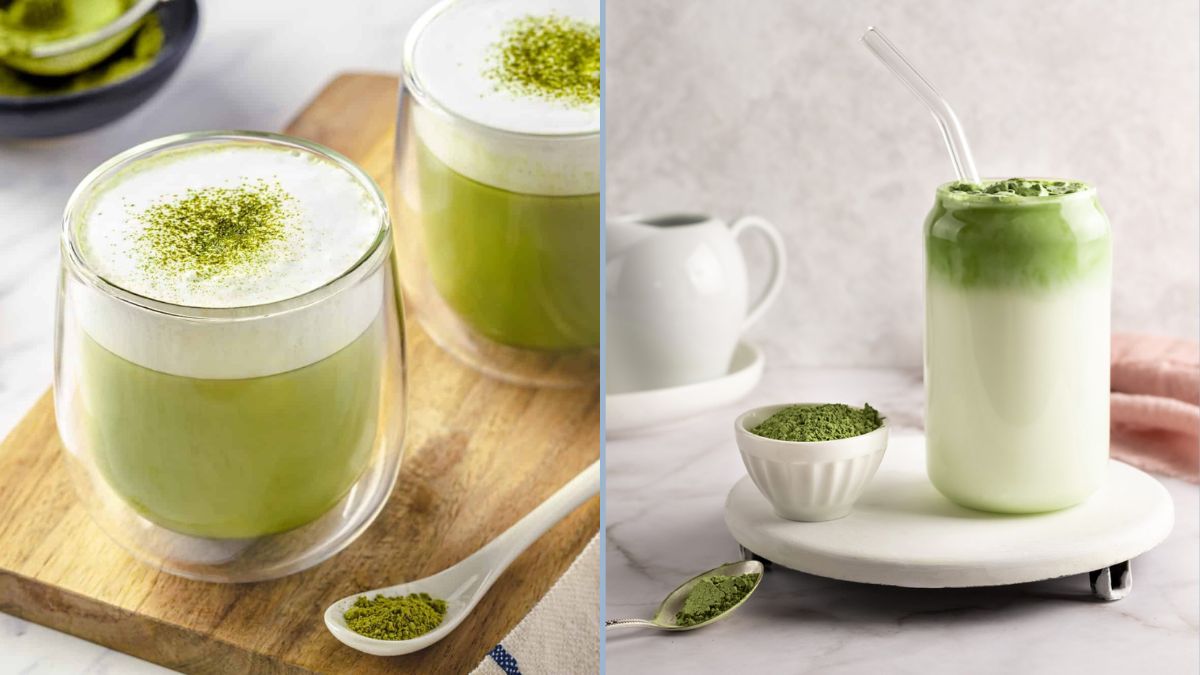
There’s something almost magical about a cup of matcha latte — the vivid green color, the silky texture, and the earthy sweetness that awakens your senses with every sip. Once reserved for traditional Japanese tea ceremonies, matcha has now become a global favorite, celebrated not just for its rich flavor but also for its incredible health benefits.
Unlike regular green tea, matcha is a finely ground powder made from shade-grown tea leaves. This means you consume the entire leaf, getting a concentrated dose of nutrients, antioxidants, and amino acids — all in one soothing cup.
In this article, we’ll uncover the science and tradition behind matcha, explore its hidden health benefits, and guide you step-by-step on how to make the perfect matcha latte at home — 100% vegetarian and naturally delicious.
1. What Makes Matcha Special?
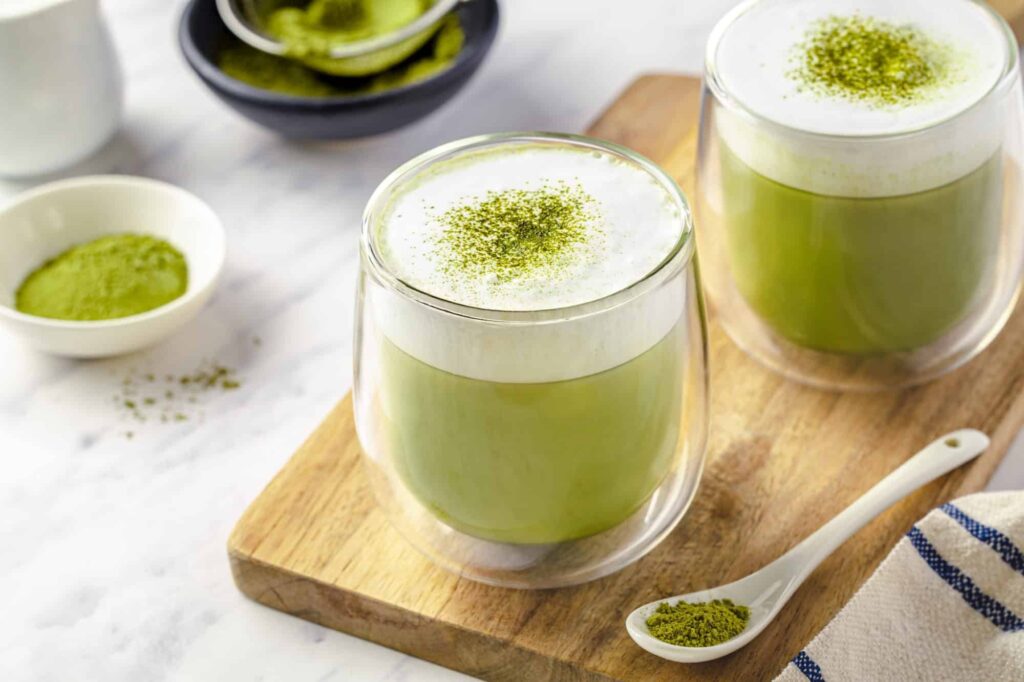
Matcha isn’t just any green tea. It’s made from young tea leaves grown in the shade for several weeks before harvest. This unique process increases the chlorophyll content, giving the powder its bright green color and enhancing the amino acid L-theanine, which promotes calmness and focus.
After harvesting, the leaves are steamed, dried, and stone-ground into a fine powder. Unlike traditional tea, where leaves are steeped and discarded, matcha lets you consume the entire leaf, offering up to 10 times more nutrients than regular green tea.
2. The Science Behind Matcha’s Power
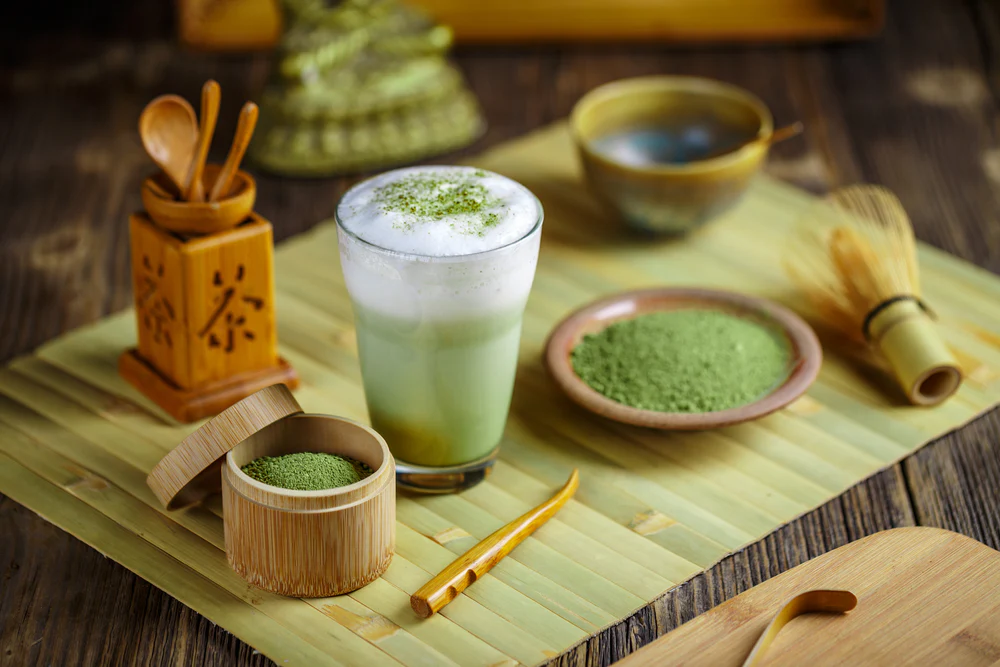
To understand why matcha is so revered, let’s take a look at what’s happening inside your cup from a scientific perspective.
a) Antioxidant Superstar
Matcha is packed with catechins, a type of antioxidant that helps combat free radicals — unstable molecules that contribute to aging and chronic disease. One cup of matcha contains as many antioxidants as 10 cups of regular green tea, making it a true superfood.
The most potent catechin in matcha, EGCG (Epigallocatechin gallate), has been studied for its anti-inflammatory, detoxifying, and fat-burning properties.
b) Caffeine with a Calm Edge
Matcha contains caffeine, but unlike coffee, it doesn’t cause jitters or energy crashes. Thanks to L-theanine, it promotes a state of “calm alertness,” giving you sustained energy and focus for hours.
This combination of caffeine and L-theanine improves mental clarity, concentration, and mood — perfect for work, study, or meditation.
c) Detoxification and Skin Health
The high chlorophyll content in matcha helps flush out toxins from the body, supports liver health, and promotes glowing skin. Chlorophyll also helps neutralize heavy metals and chemicals from the bloodstream.
d) Metabolism and Weight Management
EGCG in matcha helps boost metabolism and increase fat oxidation, making it a natural aid for healthy weight management. Combined with regular exercise and a balanced vegetarian diet, matcha can help support your fitness goals.
3. Choosing the Right Matcha
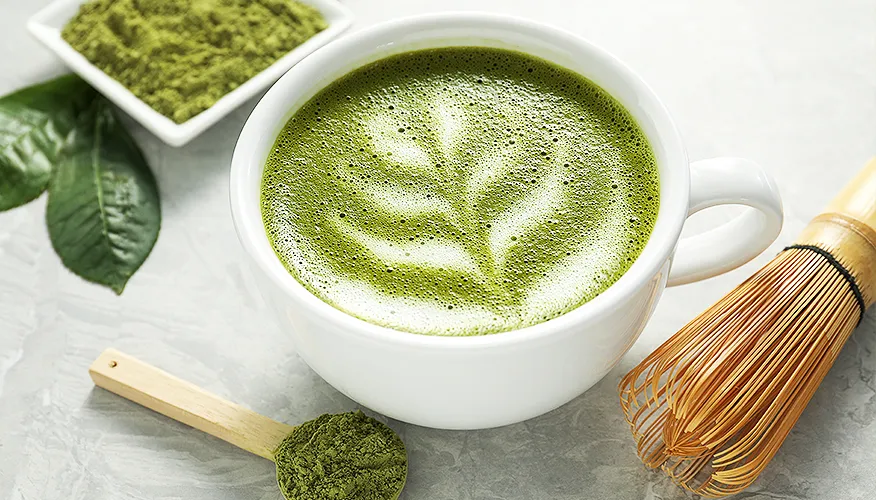
Not all matcha powders are created equal. The quality of your latte depends greatly on the type of matcha you choose.
Ceremonial Grade vs. Culinary Grade
- Ceremonial Grade: The highest quality, meant for drinking. It has a vibrant green color, smooth texture, and a naturally sweet flavor.
- Culinary Grade: Slightly more bitter, often used for baking, smoothies, or cooking.
For a perfect latte, always choose ceremonial grade matcha — organic and sourced from Japan, if possible.
Check for Quality
High-quality matcha should have:
- Bright, vibrant green color
- Fine, silky texture
- Mild, sweet aroma (not grassy or bitter)
Store your matcha in an airtight, dark container to protect it from light and humidity, which can degrade its nutrients and color.
4. How to Make the Perfect Matcha Latte at Home
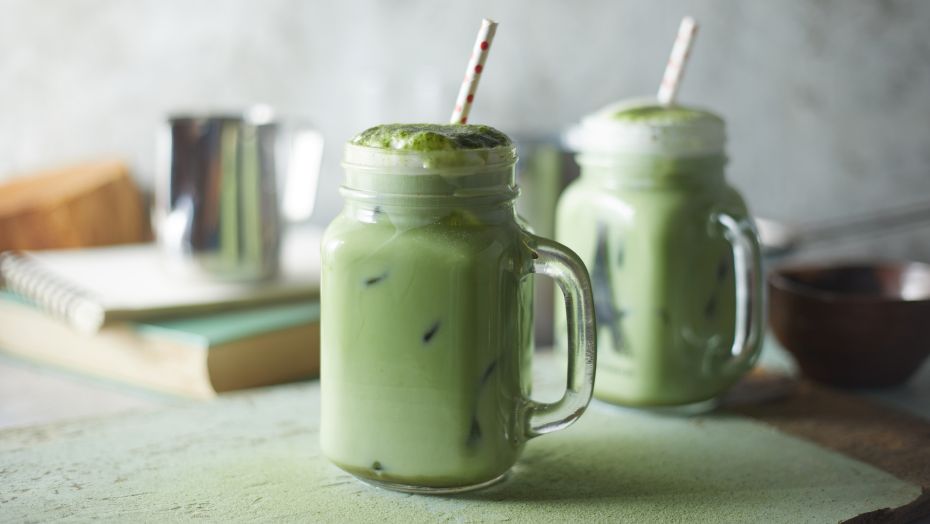
Creating a barista-level matcha latte at home is easier than you might think. You don’t need fancy equipment — just quality ingredients and a few simple techniques.
Ingredients (Serves 1):
- 1 teaspoon ceremonial-grade matcha powder
- 2 tablespoons hot water (not boiling; around 80°C)
- ¾ cup milk or plant-based milk (oat, almond, or soy are great options)
- ½ teaspoon honey, maple syrup, or jaggery syrup (optional, for sweetness)
Equipment:
- Small bowl or mug
- Bamboo whisk (chasen) or electric frother
- Small saucepan or milk frother
Step-by-Step Method
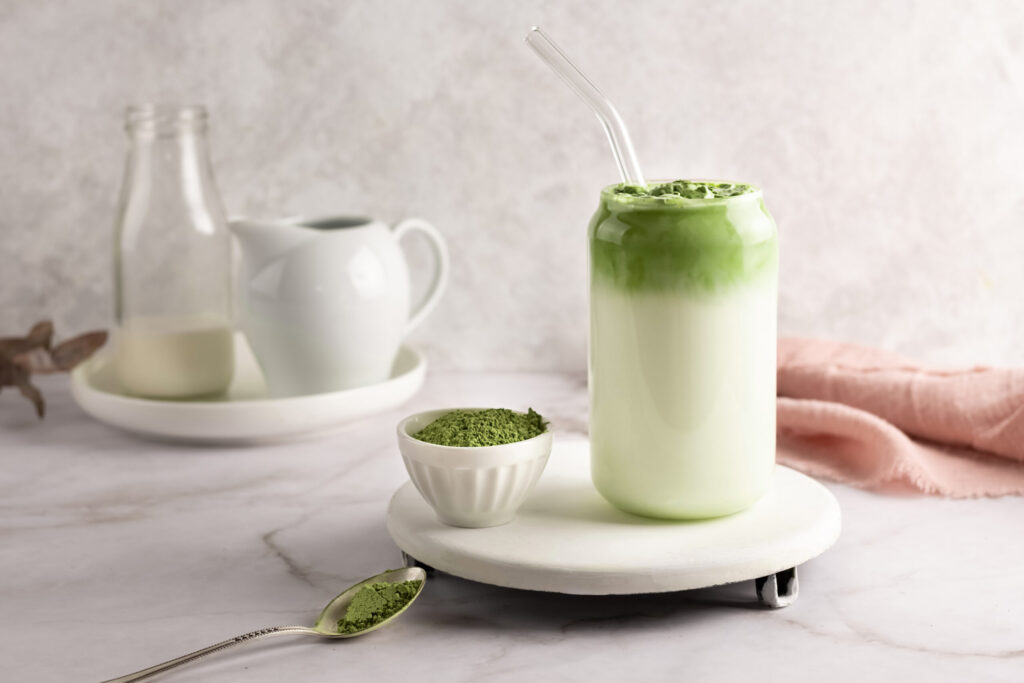
Step 1: Sift the Matcha Powder
Sift your matcha into a bowl to remove any clumps. This ensures a smooth, lump-free latte.
Step 2: Add Hot Water
Pour about 2 tablespoons of hot water (not boiling) into the bowl. Boiling water can scorch the matcha and make it bitter.
Step 3: Whisk to Create Froth
Using a bamboo whisk, whisk in a gentle “M” or zigzag motion until the mixture becomes frothy and smooth. You should see small bubbles on the surface — this is your concentrated matcha base.
Step 4: Heat the Milk
Warm your choice of milk (dairy or plant-based) in a saucepan until hot but not boiling. Froth it using a milk frother or hand whisk for a creamy texture.
Step 5: Combine and Sweeten
Pour the frothy milk over your matcha base. Add your preferred natural sweetener (honey, maple syrup, or jaggery syrup) and stir gently.
Step 6: Serve and Enjoy
Sprinkle a little extra matcha powder or cinnamon on top for garnish. Sit back, sip slowly, and enjoy the creamy, earthy richness of your perfect matcha latte.
5. Pro Tips for the Perfect Latte
- Use cold water first: To prevent clumping, you can mix the matcha with a tablespoon of cold water before adding hot water.
- Avoid metal utensils: Metal can affect matcha’s flavor; bamboo or wooden tools preserve its delicate taste.
- Experiment with milk: Oat milk adds natural sweetness, almond milk gives a nutty flavor, and soy milk makes it creamier.
- Balance the bitterness: If your latte tastes bitter, add a little more milk or a natural sweetener to mellow the flavor.
- Iced Matcha Latte: Simply whisk matcha in cold water, add ice cubes, and pour chilled milk on top — perfect for hot days.
6. Hidden Health Benefits of Matcha Latte
Beyond its energizing effect and smooth flavor, matcha offers a long list of hidden health benefits that make it one of the most powerful beverages you can drink.
a) Supports Heart Health
Regular matcha consumption helps lower LDL (bad cholesterol) and triglyceride levels, reducing the risk of cardiovascular disease.
b) Enhances Brain Function
The L-theanine and caffeine combination improves focus, reaction time, and memory. It also helps reduce stress by promoting alpha brain waves — the same state achieved during meditation.
c) Strengthens Immunity
Matcha’s antioxidants, vitamins (A, C, E, K), and trace minerals (like zinc and magnesium) help strengthen your immune system and protect against infections.
d) Promotes Healthy Skin
Matcha fights inflammation and oxidative stress, helping prevent acne and skin damage. Drinking it regularly supports a healthy glow from within.
e) Aids in Natural Detoxification
Chlorophyll in matcha helps remove toxins from the body, cleanses the liver, and supports overall detoxification naturally — no fancy cleanses required.
f) Stabilizes Blood Sugar
Matcha has a low glycemic index and may help regulate blood sugar levels, making it suitable for those managing blood sugar naturally through diet.
7. Delicious Matcha Variations to Try
Once you’ve mastered the basic latte, experiment with these flavorful twists — all vegetarian-friendly and nutrient-rich:
1. Vanilla Matcha Latte
Add ½ teaspoon of pure vanilla extract for a subtle sweetness and aroma.
2. Cinnamon Matcha Latte
Blend in a pinch of cinnamon and nutmeg for a warm, spiced twist — perfect for cozy mornings.
3. Coconut Matcha Latte
Use coconut milk and a drizzle of jaggery syrup for a creamy, tropical version.
4. Iced Mint Matcha Latte
Add a few mint leaves and ice cubes for a refreshing summer cooler.
5. Chocolate Matcha Latte
Mix in 1 teaspoon of unsweetened cocoa powder for a luxurious, antioxidant-packed treat.
8. When to Enjoy Your Matcha Latte
The best time to drink matcha is in the morning or early afternoon. It provides a smooth energy lift that lasts 4–6 hours. Avoid drinking it too late in the evening, as the caffeine may interfere with sleep.
You can also enjoy a lighter version after yoga, a workout, or meditation for a refreshing, grounding experience.
9. Sustainability and Mindfulness
Matcha has its roots in Zen Buddhist tradition, where preparing and drinking it was considered a form of meditation. Making your matcha latte can be a calming ritual — one that reminds you to slow down, breathe, and appreciate the moment.
Choosing organic, ethically sourced matcha also supports sustainable farming practices that protect both the environment and the farmers who cultivate it.
Conclusion
A matcha latte isn’t just a trendy green drink — it’s a centuries-old elixir that nourishes the body, calms the mind, and energizes the spirit. Rich in antioxidants, vitamins, and amino acids, it’s a natural powerhouse that supports everything from brain function to glowing skin.
With just a few quality ingredients and mindful preparation, you can craft your perfect cup of matcha latte at home — one that tastes luxurious, looks beautiful, and leaves you feeling balanced and rejuvenated.
So the next time you need a moment of calm or a gentle energy lift, skip the coffee and whisk yourself a creamy, vibrant, and truly revitalizing matcha latte.