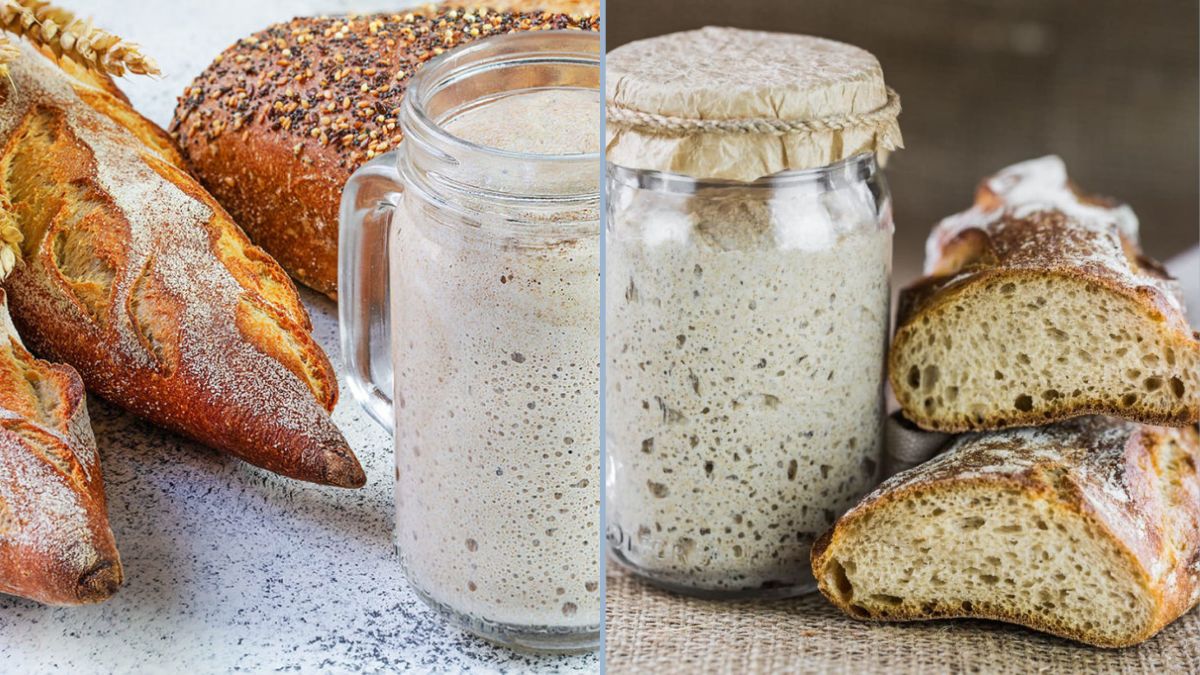
Sourdough bread has experienced a remarkable resurgence in popularity over recent years, not only for its unique taste and texture but also for its numerous health benefits. Unlike commercially yeasted bread, sourdough relies on natural fermentation, which enhances its nutritional profile and digestibility. This article explores the benefits of sourdough bread, the science behind its fermentation, and provides a step-by-step guide on how to start your very own sourdough starter, allowing you to enjoy fresh, homemade bread from the comfort of your kitchen.
What Makes Sourdough Bread Unique?
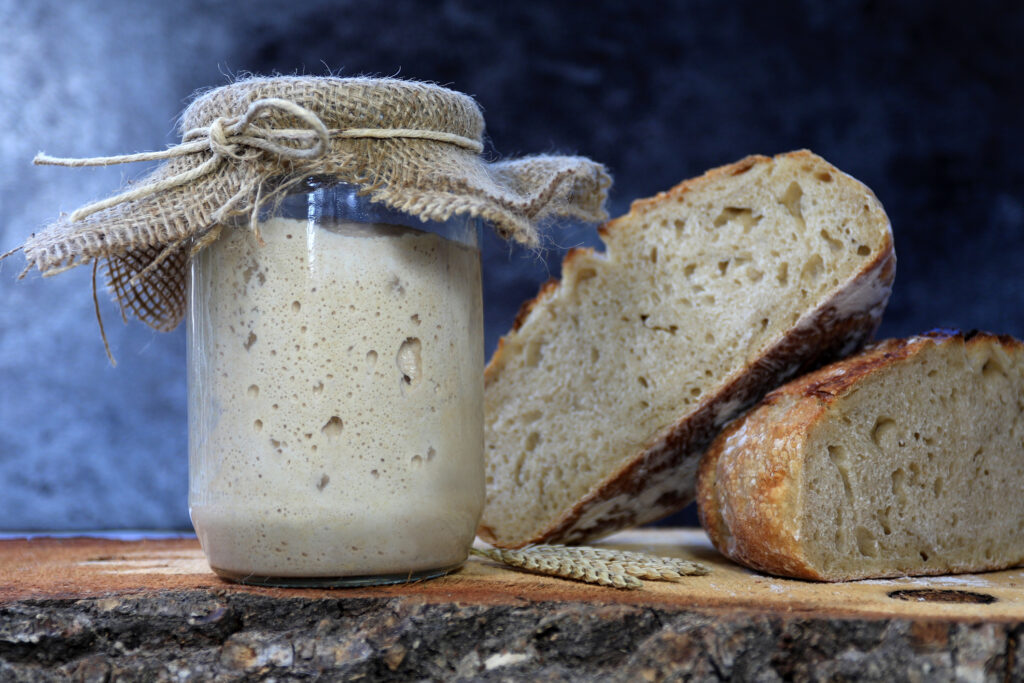
Sourdough bread stands out due to its distinctive tangy flavor, chewy texture, and crisp crust. Unlike conventional bread, which uses commercial baker’s yeast to rise, sourdough depends on naturally occurring wild yeasts and lactic acid bacteria. These microorganisms are found in flour and the surrounding environment. Through a process known as fermentation, they metabolize sugars in the flour to produce carbon dioxide, which causes the dough to rise, and lactic acid, which contributes to the bread’s signature sour taste.
This natural fermentation process not only creates complex flavors but also improves the bread’s digestibility and nutritional value. Sourdough can be made with a variety of flours, including whole wheat, rye, and spelt, making it a versatile option for diverse dietary preferences, particularly vegetarian diets.
Nutritional Benefits of Sourdough Bread
1. Easier Digestion
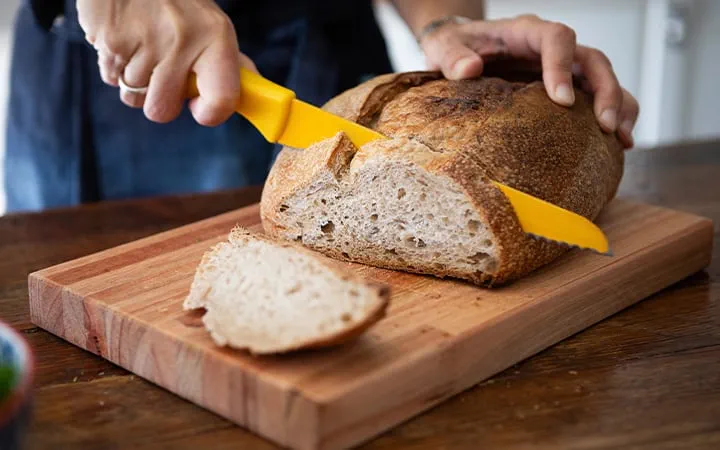
One of the most significant benefits of sourdough bread is its digestibility. The long fermentation process breaks down gluten proteins into smaller, more manageable compounds. For individuals with mild gluten sensitivity (but not celiac disease), sourdough bread can be easier to digest compared to commercially yeasted bread. Additionally, the lactic acid bacteria partially predigest the starches in the flour, reducing bloating and discomfort often associated with bread consumption.
2. Improved Gut Health
The natural fermentation process produces probiotics, beneficial bacteria that support a healthy gut microbiome. While baking kills most live bacteria, the metabolites produced during fermentation, including organic acids and prebiotics, remain. These compounds feed beneficial gut bacteria, promoting digestive health and overall wellness. A healthy gut is crucial not only for digestion but also for immune function and mental well-being.
3. Enhanced Nutrient Absorption
Sourdough fermentation increases the bioavailability of essential nutrients such as magnesium, zinc, and iron. Phytic acid, found in grains, can inhibit the absorption of minerals, but the fermentation process reduces its concentration. This means that consuming sourdough bread allows your body to better absorb nutrients, making it a more nourishing option than conventional bread.
4. Lower Glycemic Index
Sourdough bread typically has a lower glycemic index than regular bread, meaning it causes a slower and steadier rise in blood sugar levels. This is especially beneficial for individuals managing diabetes or those seeking sustained energy levels throughout the day. The lactic acid in sourdough slows down carbohydrate digestion, helping to prevent sudden spikes in blood sugar.
5. No Preservatives or Additives
When you make sourdough at home, you can control the ingredients, avoiding preservatives, additives, and excessive sugar often found in store-bought bread. This natural approach aligns perfectly with a vegetarian, whole-foods lifestyle.
How to Start a Sourdough Starter
Creating a sourdough starter is the foundational step for making sourdough bread. A starter is a live culture of wild yeast and bacteria, and once established, it can last indefinitely with proper care. Here’s a detailed, step-by-step guide to starting your own vegetarian-friendly sourdough starter.
Ingredients
- Whole wheat or rye flour (organic if possible)
- Filtered or dechlorinated water
Note: Avoid using chlorinated tap water as chlorine can inhibit yeast growth.
Day 1: Mix the Starter
- In a clean jar, combine 50 grams of flour with 50 grams of water.
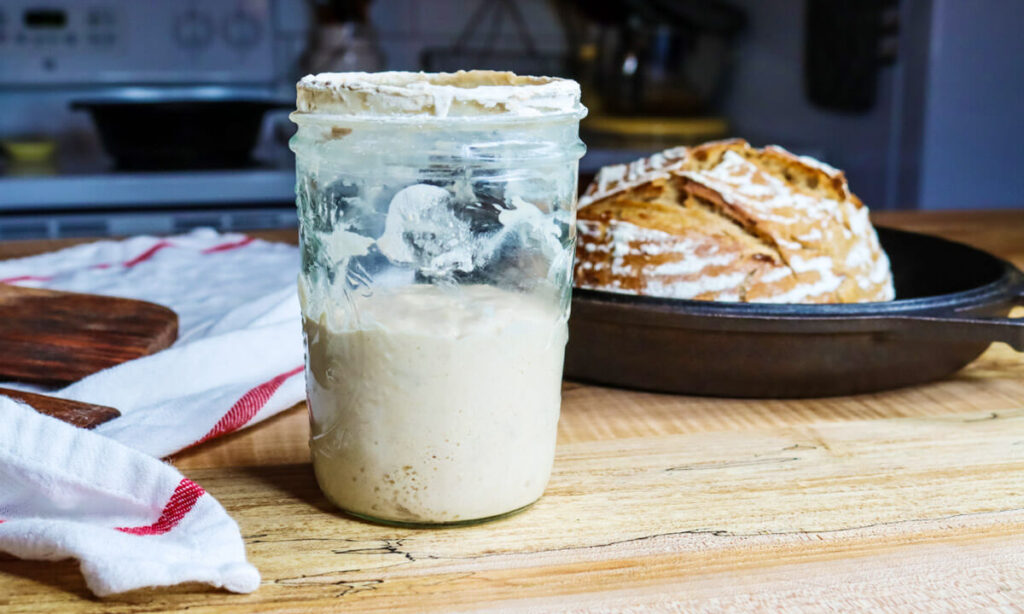
- Mix thoroughly until smooth. The consistency should be like thick pancake batter.
- Cover loosely with a cloth or lid to allow airflow while preventing contaminants.
- Leave at room temperature (around 21–25°C) for 24 hours.
Day 2: Check and Feed
- You may not see much activity yet, or you might notice small bubbles.
- Discard half of the starter (about 50 grams) and add 50 grams of fresh flour and 50 grams of water.
- Mix well and cover again.
Days 3–5: Continue Feeding
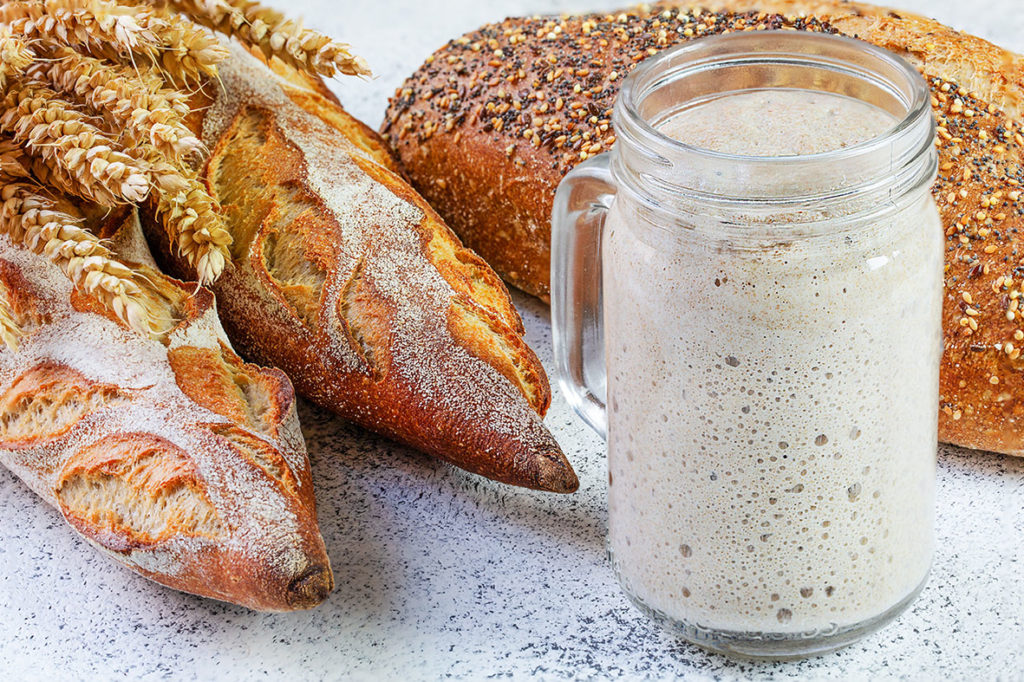
- Repeat the feeding process daily, discarding half of the starter and adding fresh flour and water.
- By day 3, you should notice increased bubbling and a slightly tangy aroma.
- Continue this routine until the starter doubles in size within 4–6 hours of feeding. This indicates that the yeast is active and ready for baking.
Day 6 and Beyond: Maintenance
- Once your starter is established, you can store it in the refrigerator and feed it once or twice a week.
- To feed after refrigeration, remove from fridge, discard half, add fresh flour and water, and allow it to sit at room temperature for a few hours until bubbly.
Tips for Successful Sourdough
- Use whole grain flour at the start: Whole wheat and rye flour contain more nutrients, encouraging yeast growth.
- Consistency is key: Feed your starter at the same time each day to maintain strength.
- Temperature matters: Yeast thrives in warmth, ideally between 21–25°C.
- Patience pays off: The flavor develops over time; don’t rush the process.
- Avoid metal containers: Use glass, ceramic, or food-safe plastic to prevent reactions with the acidic starter.
Baking with Your Starter
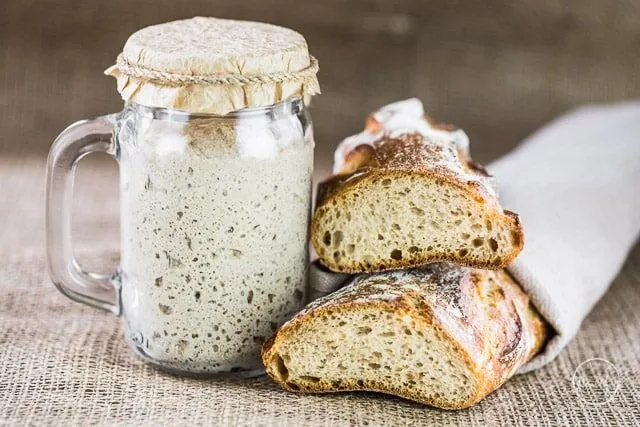
Once your starter is active, you can create a wide variety of sourdough breads. The basic recipe involves mixing your starter with flour, water, and salt, then allowing it to ferment, shape, proof, and finally bake. The process can vary in complexity, from simple country loaves to intricate artisan designs. The key is to experiment and enjoy the process—the tangy flavor, crisp crust, and soft crumb of homemade sourdough are unmatched.
Environmental and Lifestyle Benefits
Making sourdough at home also aligns with sustainable living practices. By baking your own bread, you reduce reliance on packaged, store-bought bread, lowering plastic waste and transportation emissions. Additionally, sourdough baking encourages mindfulness and creativity in the kitchen, turning a simple food item into a rewarding culinary project.
Conclusion
Sourdough bread is much more than a trendy food—it is a nutritious, digestible, and environmentally conscious option for vegetarians and anyone seeking healthier bread alternatives. Its natural fermentation process provides numerous health benefits, including improved gut health, enhanced nutrient absorption, and lower glycemic impact. Starting a sourdough starter at home is simple, requiring only flour, water, and patience, and it opens the door to countless delicious baking possibilities.
By embracing sourdough baking, you can enjoy wholesome, flavorful bread while supporting your health and well-being. Whether you are a novice baker or a culinary enthusiast, sourdough offers a fulfilling, nourishing, and sustainable addition to your daily diet.