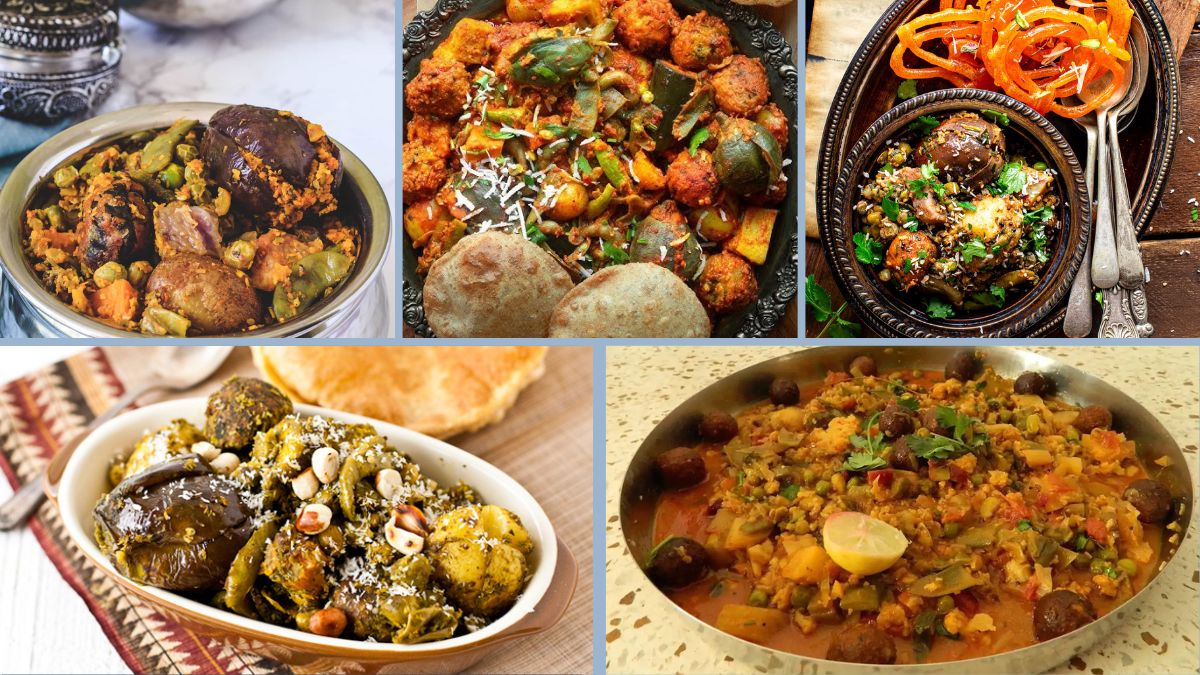
Gujarati Undhiyu is a quintessential delicacy of Gujarat, India, celebrated for its unique blend of seasonal vegetables, aromatic spices, and slow-cooked perfection. Traditionally prepared during the winter months, this vegetable medley showcases the art of cooking with local produce in an earthy, flavorful, and wholesome way. Made entirely from vegetarian ingredients, Undhiyu is both festive and nourishing, often served during special occasions like Uttarayan (the kite festival) and family gatherings.
This article provides a comprehensive 7-step guide to preparing Gujarati Undhiyu in the traditional style, with detailed insights into ingredients, preparation, and cooking techniques — all while preserving authenticity and vegetarian integrity.
Understanding Gujarati Undhiyu
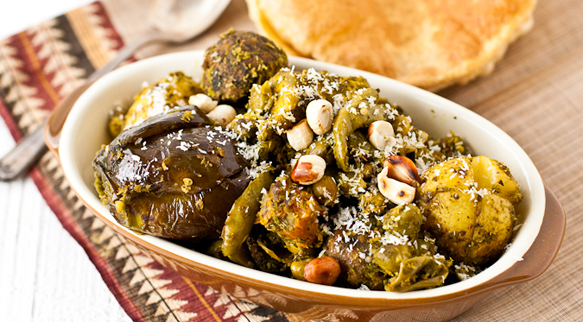
The term “Undhiyu” derives from the Gujarati word “Undhu,” meaning “upside down,” referring to the traditional cooking method where the vessel is flipped upside down underground to slow-cook the vegetables. Though modern kitchens now use stovetops and pressure cookers, the essence remains — a slow, even cooking process that infuses every ingredient with deep, rich flavors.
Undhiyu is an elaborate mixed vegetable dish that combines various winter vegetables with a spicy, aromatic masala and fresh herbs. The inclusion of muthia (fenugreek-flavored dumplings) adds an exciting texture contrast. The dish is a celebration of Gujarat’s culinary heritage and is enjoyed with puris, rotis, or rice.
Ingredients: The Heart of Undhiyu
Vegetables:
- 1 cup small purple eggplants (brinjals), slit but kept whole
- ½ cup small potatoes, peeled and halved
- ½ cup green beans, cut into 2-inch pieces
- ½ cup surti papdi (flat beans), trimmed
- ½ cup raw banana or plantain, peeled and chopped
- ½ cup sweet potatoes, peeled and chopped
- ½ cup yam (suran), peeled and cubed
For Muthia (Fenugreek Dumplings):
- 1 cup fenugreek leaves (methi), finely chopped
- 1 cup besan (gram flour)
- 1 tablespoon rice flour
- 1 teaspoon ginger-green chili paste
- ½ teaspoon turmeric powder
- 1 teaspoon sesame seeds
- Salt to taste
- 1 teaspoon sugar
- 1 teaspoon lemon juice
- 1 tablespoon oil (for mixing)
For the Masala Paste:
- ½ cup grated fresh coconut
- ¼ cup roasted peanuts or peanut powder
- 2 teaspoons coriander seeds
- 1 teaspoon cumin seeds
- 2 dried red chilies
- 1 tablespoon sesame seeds
- 1 tablespoon jaggery (optional)
- Salt to taste
- Water as needed to make a thick paste
Other Ingredients:
- 4 tablespoons oil (preferably peanut or mustard oil)
- 1 teaspoon mustard seeds
- 1 teaspoon asafoetida (hing)
- 1-2 green chilies, slit
- Fresh coriander leaves for garnish
7 Steps to Make Authentic Gujarati Undhiyu
Step 1: Prepare the Vegetables
- Wash and prepare all vegetables as mentioned above.
- Slit the eggplants without cutting them completely; this allows them to absorb the masala better.
- Peel and chop root vegetables uniformly for even cooking.
- Keep the vegetables ready in separate bowls for convenience.
Step 2: Prepare the Muthia Batter
- In a mixing bowl, combine finely chopped fenugreek leaves with besan, rice flour, ginger-green chili paste, turmeric, sesame seeds, salt, sugar, lemon juice, and oil.
- Mix well and knead into a thick dough. Add a little water if necessary.
- Shape into small cylindrical dumplings (about 1.5 inches long).
- Steam the muthias in a steamer for 10-12 minutes or until firm and cooked through.
- Let them cool slightly before adding to the dish later.
Step 3: Roast and Grind Masala Ingredients
- Dry roast coriander seeds, cumin seeds, dried red chilies, and sesame seeds on low heat until fragrant.
- Let them cool slightly.
- In a grinder or mortar-pestle, combine roasted spices, grated coconut, roasted peanuts, jaggery (if using), and salt.
- Add water gradually and grind into a thick, coarse paste.
Pro Tip: Freshly ground masala paste enhances flavor and aroma significantly compared to store-bought powders.
Step 4: Start the Cooking Process
- Heat oil in a heavy-bottomed pan or traditional handi (clay pot) over medium heat.
- Add mustard seeds and let them splutter.
- Add asafoetida and slit green chilies.
- Add prepared vegetables (except muthias) and toss gently.
Step 5: Add the Masala and Cook
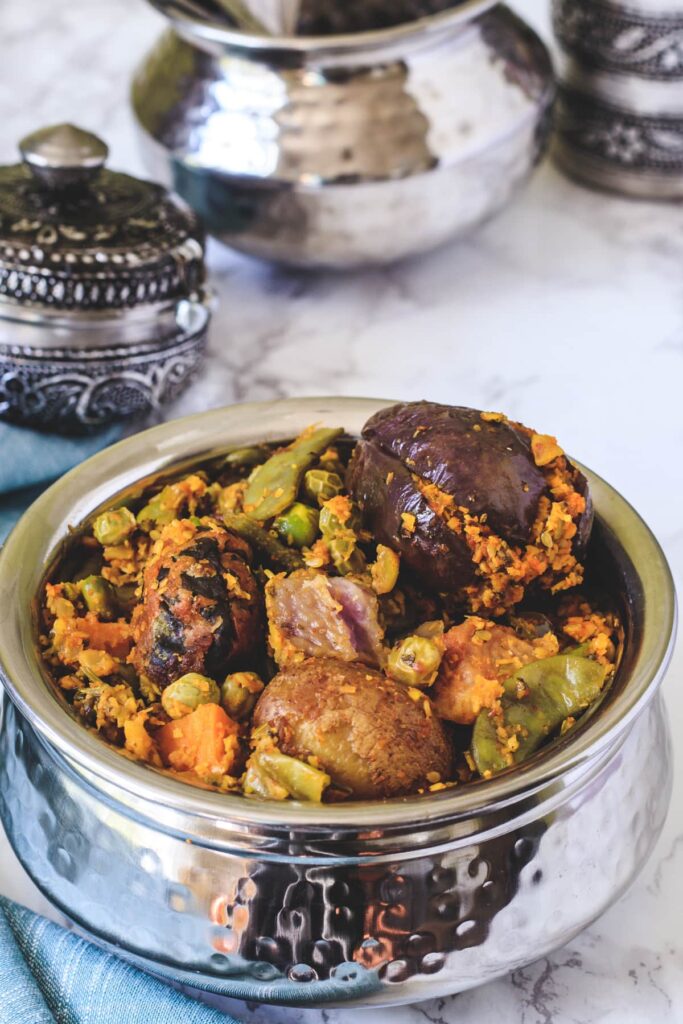
- Pour the freshly ground masala paste over the vegetables.
- Mix gently to coat all the vegetables evenly.
- Add ½ to 1 cup of water to maintain moisture and help the cooking process.
- Cover with a tight-fitting lid and cook on low heat for 30-40 minutes.
- Stir gently every 10 minutes to prevent sticking and ensure even cooking.
Step 6: Add Muthias and Finish Cooking
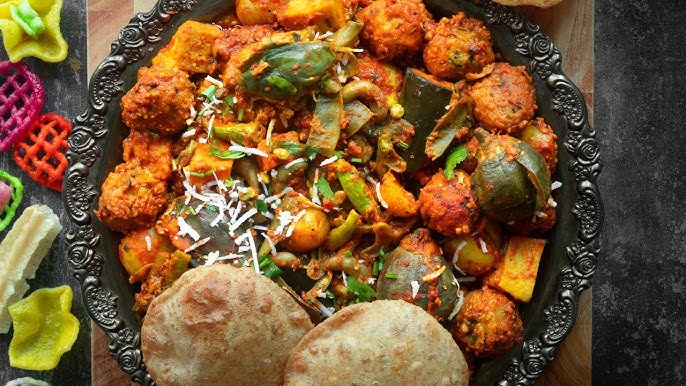
- After the vegetables are tender and half the water has evaporated, add the steamed muthias to the pot.
- Gently mix them with the vegetables.
- Cover and cook for another 10-15 minutes on low heat.
- The muthias will soak the flavors and soften further, enriching the dish’s texture.
Step 7: Garnish and Serve
- Turn off the heat and let the Undhiyu rest covered for 5 minutes.
- Garnish with fresh coriander leaves.
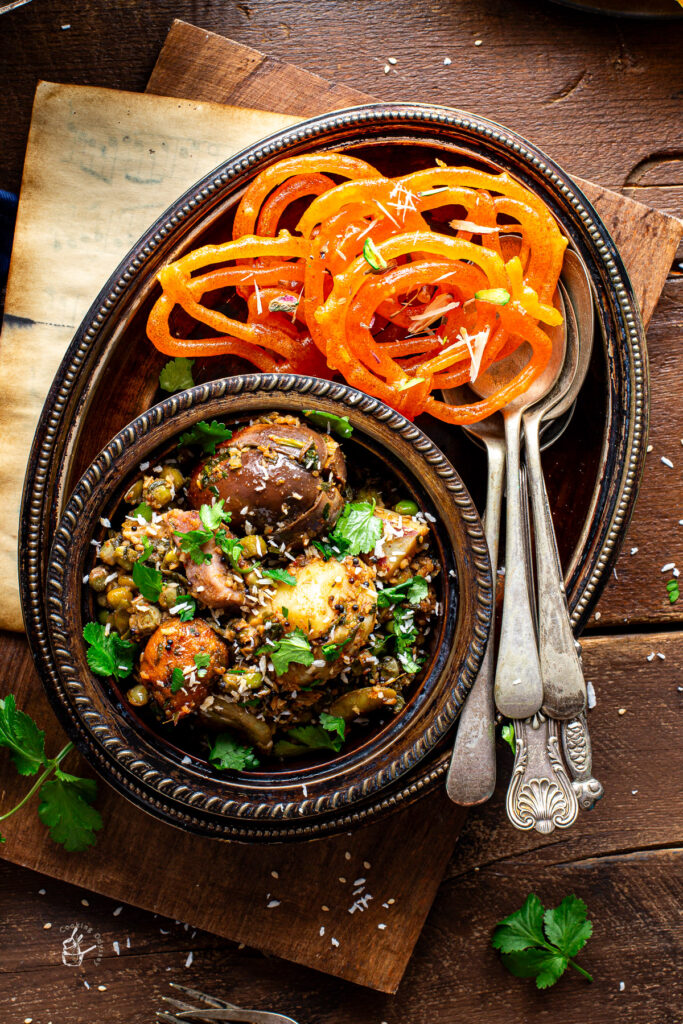
- Serve hot with puris, rotis, or steamed rice.
- Accompany with a side of sweet chutney or plain yogurt for a complete traditional meal.
Tips for Perfect Undhiyu
- Use fresh seasonal vegetables to capture authentic flavors.
- Patience is key — slow cooking allows vegetables to absorb the masala deeply.
- Avoid stirring vigorously to keep vegetables intact.
- Adjust water quantity depending on desired consistency; Undhiyu should be thick but not dry.
- Traditional peanut oil adds a unique aroma; use it if possible.
Nutritional Benefits of Gujarati Undhiyu
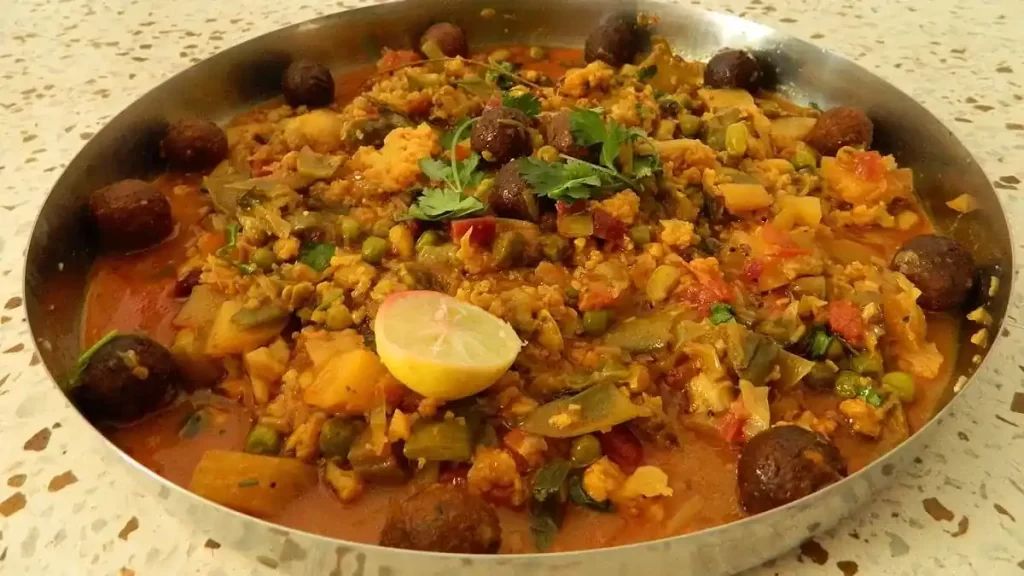
- Rich in dietary fiber from a variety of vegetables, aiding digestion.
- Packed with vitamins and antioxidants from fresh produce.
- High in protein due to gram flour in muthias and peanuts in masala.
- Low in saturated fats when cooked traditionally with moderate oil.
- A wholesome, balanced meal option for vegetarians.
Conclusion
Gujarati Undhiyu is a beautiful representation of Gujarati culinary art — a celebration of seasonal produce, balanced flavors, and traditional cooking methods. This 7-step guide ensures that you can recreate the authentic taste and texture of Undhiyu at home, embracing the slow-cooked richness that defines the dish.
Perfect for festive occasions or family gatherings, Undhiyu showcases the magic of vegetarian cooking, bringing warmth and satisfaction to every meal. Whether you’re a seasoned cook or a curious beginner, following these steps will let you savor the timeless flavors of Gujarat’s iconic dish.