
Cookies are one of the most beloved treats worldwide, known for their delightful combination of sweetness, texture, and aroma. However, traditional cookie recipes often contain high amounts of refined sugar, unhealthy fats, and processed ingredients, which can negatively impact health when consumed frequently. Fortunately, it is possible to bake healthier cookies without sacrificing flavor, texture, or satisfaction. This article explores strategies for creating nutritious cookies, ingredient substitutions, and practical baking tips to enjoy guilt-free indulgence.
Understanding What Makes Cookies “Unhealthy”

Traditional cookies are typically made with refined flour, sugar, and butter or margarine. While these ingredients contribute to taste and texture, they offer limited nutritional benefits. Key factors that make cookies less healthy include:
- Refined Sugar: Causes rapid spikes in blood sugar and contributes to weight gain when consumed in excess.
- Refined Flour: Stripped of fiber and nutrients, leading to lower satiety and higher glycemic response.
- Unhealthy Fats: Saturated or hydrogenated fats found in butter or margarine can raise cholesterol levels.
- Additives and Preservatives: Found in commercial cookies, these provide minimal nutritional value.
By understanding these components, home bakers can modify recipes to retain flavor while improving the nutritional profile.
Principles for Healthier Cookies
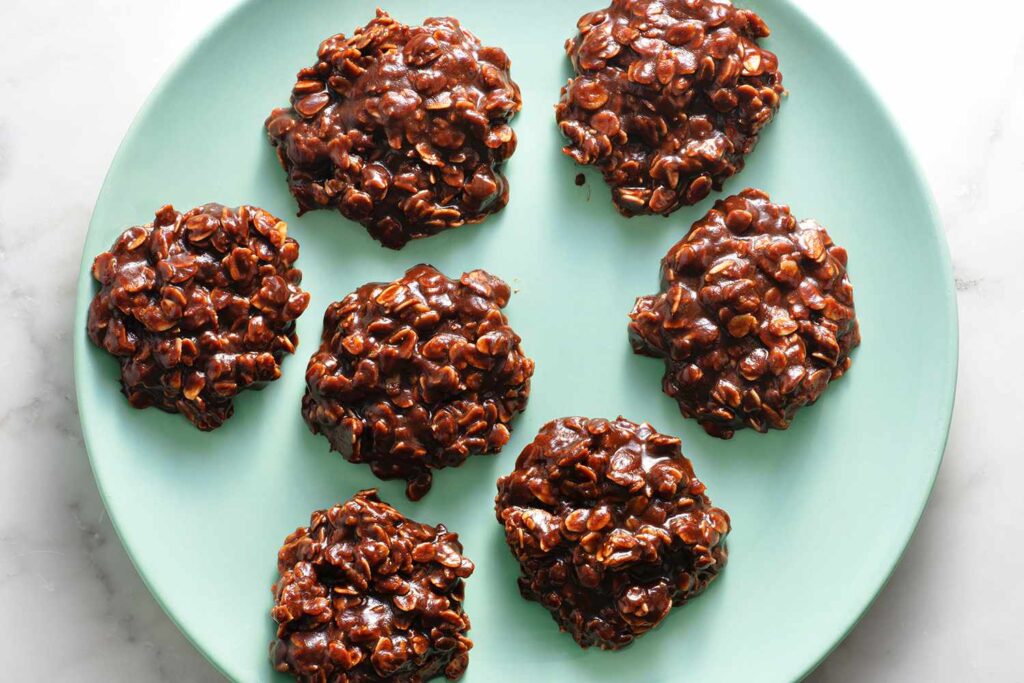
Creating healthier cookies requires focusing on three main principles: ingredient substitutions, portion control, and baking techniques.
1. Ingredient Substitutions
Healthier cookies start with smarter ingredient choices. Here are some effective substitutions:
Flour Alternatives
- Whole Wheat Flour: Rich in fiber and minerals, it adds a nutty flavor and supports digestion.
- Oat Flour: Made from ground oats, it is high in soluble fiber and has a naturally sweet taste.
- Almond or Coconut Flour: Low in carbohydrates, gluten-free, and high in protein and healthy fats.
Sweetener Alternatives
- Maple Syrup or Honey: Natural sweeteners with trace minerals and antioxidants.
- Coconut Sugar: Lower glycemic index than refined sugar and minimally processed.
- Stevia or Monk Fruit: Plant-based, calorie-free sweeteners suitable for sugar reduction.
Fat Alternatives
- Coconut Oil or Avocado Oil: Healthy fats that provide flavor and moisture.
- Unsweetened Applesauce or Mashed Banana: Reduce fat content while adding natural sweetness and moisture.
- Nut Butters: Almond, peanut, or cashew butter adds protein and healthy fats.
2. Incorporating Nutrient-Dense Additions

Adding nutrient-rich ingredients can enhance flavor, texture, and health benefits:
- Nuts and Seeds: Walnuts, almonds, chia, and flaxseeds add protein, fiber, and omega-3 fatty acids.
- Dried Fruits: Raisins, cranberries, and dates provide natural sweetness and antioxidants.
- Spices: Cinnamon, nutmeg, and ginger enhance flavor without added sugar.
- Dark Chocolate: Opt for 70% or higher cocoa content for antioxidants and reduced sugar content.
3. Adjusting Baking Techniques
Certain baking techniques can make cookies healthier without compromising taste:
- Reduce Sugar Gradually: Start by reducing sugar by 25%–50% in your favorite recipe; natural sweetness from fruits can compensate.
- Portion Control: Use a small cookie scoop to limit calorie intake per serving.
- Avoid Overbaking: Slightly underbaked cookies retain moisture and flavor, making them more satisfying.
- Use Nonstick Parchment Paper: Reduces the need for excess oil or butter.
Practical Recipe Strategies
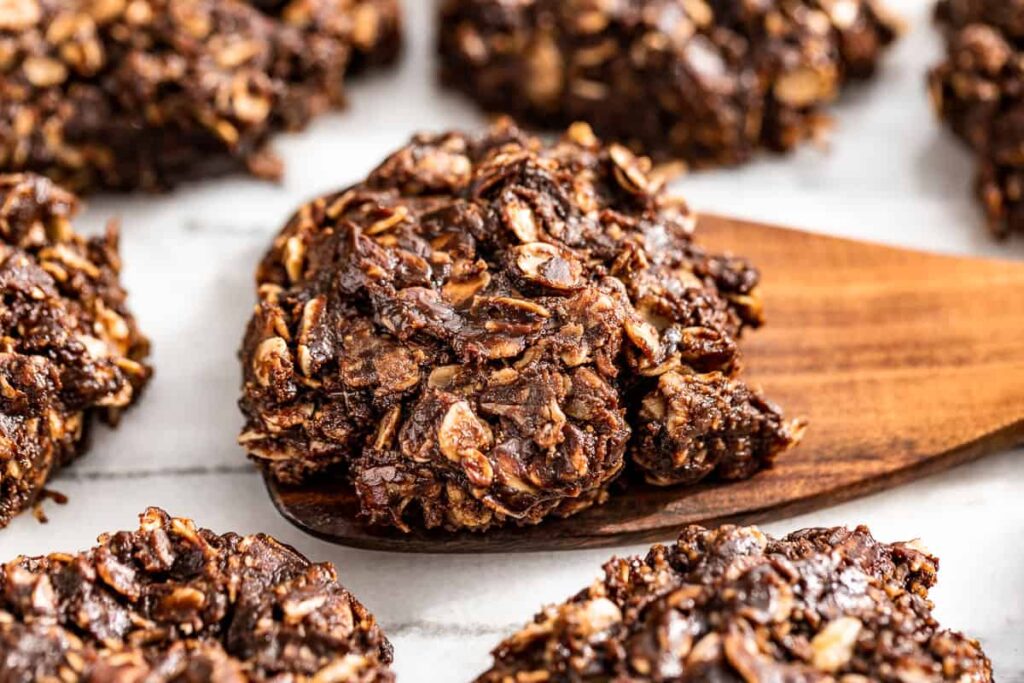
Here are practical strategies to bake healthier cookies without losing flavor:
1. Swap Refined Flour with Whole Grains
Replacing all-purpose flour with whole wheat, oat, or spelt flour adds fiber, improves satiety, and provides a subtle nutty taste. A 50:50 combination of whole wheat and all-purpose flour often works best for maintaining a soft texture.
2. Use Natural Sweeteners
Instead of refined sugar, try replacing it with maple syrup, honey, or coconut sugar. For example, if a recipe calls for 1 cup of sugar, you can use ¾ cup of coconut sugar and ¼ cup of applesauce to maintain sweetness while reducing calorie density.
3. Healthy Fats and Moisture
Replace butter with coconut oil or avocado oil in a 1:1 ratio. Alternatively, mashed banana or unsweetened applesauce can replace half the fat, keeping cookies moist while cutting saturated fat.
4. Add Texture and Flavor

Enhance cookies with nuts, seeds, dried fruits, or dark chocolate chips. These additions contribute nutrients, fiber, and antioxidants, making each bite both satisfying and wholesome. For example:
- Oatmeal Almond Cookies: Combine oats, almond flour, maple syrup, coconut oil, and almonds.
- Banana Walnut Cookies: Mashed bananas, whole wheat flour, walnuts, and a hint of cinnamon.
- Date Chocolate Chip Cookies: Chopped dates, dark chocolate, oat flour, and coconut oil.
5. Experiment with Binding Agents
Healthier cookies often use alternatives to eggs for binding:
- Flaxseed “Egg”: Mix 1 tablespoon ground flaxseed with 3 tablespoons water; let sit 5–10 minutes.
- Chia Seed Gel: Mix 1 tablespoon chia seeds with 3 tablespoons water to create a gel-like binder.
- Applesauce or Mashed Banana: Naturally binds while adding moisture and sweetness.
Benefits of Healthier Cookies
Switching to healthier cookie recipes offers several benefits:
- Improved Nutrient Intake: Fiber, protein, healthy fats, vitamins, and minerals replace empty calories.
- Better Blood Sugar Control: Reduced refined sugar and inclusion of whole grains slow glucose absorption.
- Enhanced Satiety: Fiber-rich ingredients help you feel full longer, reducing over-snacking.
- Digestive Health: Whole grains, nuts, seeds, and dried fruits support gut health.
- Sustainable Indulgence: Enjoy treats guilt-free without compromising taste or health goals.
Tips for Success
- Measure Ingredients Accurately: Too much flour or liquid can affect texture.
- Chill Dough When Needed: Helps maintain shape and improves texture for soft yet chewy cookies.
- Use High-Quality Ingredients: Organic or minimally processed ingredients enhance flavor and nutrition.
- Experiment Gradually: Adjust one ingredient at a time to understand its impact on taste and texture.
- Store Properly: Keep cookies in an airtight container to maintain freshness and prevent spoilage.
Conclusion
Baking healthier cookies without losing flavor is not only possible but also enjoyable. By making thoughtful ingredient substitutions, incorporating nutrient-dense additions, and using mindful baking techniques, anyone can create cookies that satisfy cravings while promoting health. Whole grains, natural sweeteners, healthy fats, nuts, seeds, and dried fruits all contribute to flavor, texture, and nutritional value.
Healthier cookies provide a delicious way to balance indulgence and nutrition, making them perfect for vegetarians, health-conscious individuals, and anyone looking to enjoy treats responsibly. With creativity, experimentation, and attention to detail, you can transform traditional cookie recipes into wholesome, flavorful delights that your taste buds and body will thank you for.