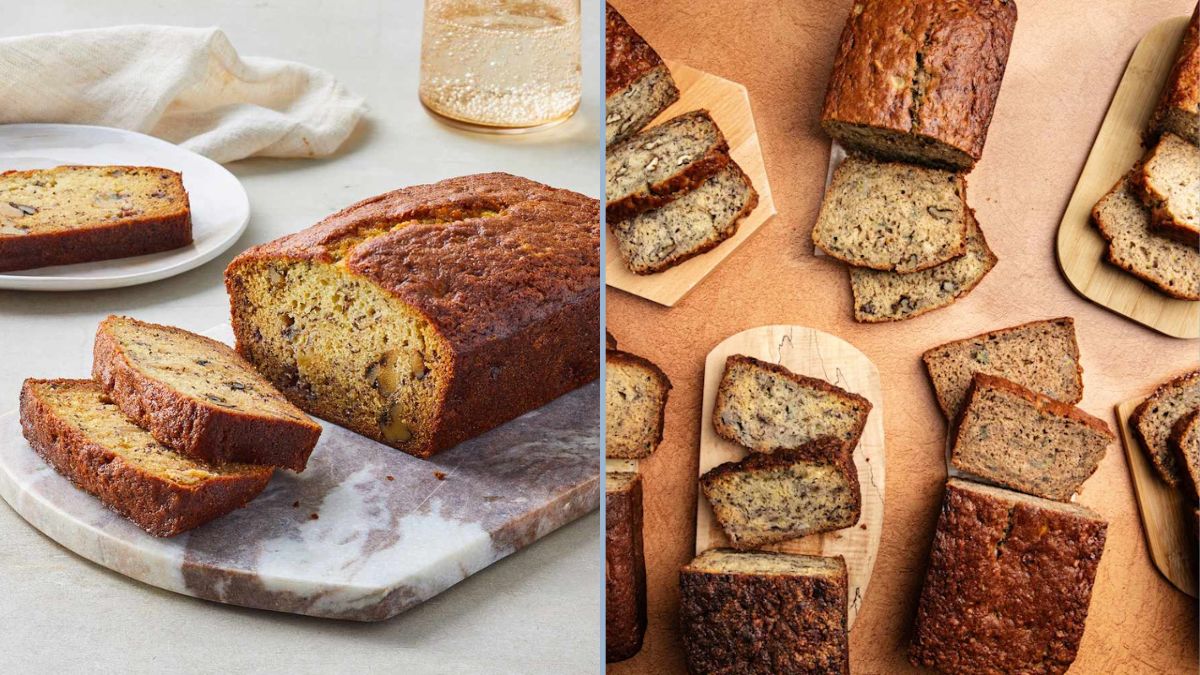
Banana bread has long been a beloved treat in kitchens around the world. Its comforting aroma, soft texture, and naturally sweet flavor make it a favorite for breakfast, snacks, or dessert. Traditionally, banana bread is made with butter, sugar, and refined flour, which can make it less nutritious. However, it is entirely possible to bake moist, flavorful banana bread that is healthier and packed with nutrients. This article explores the secrets to achieving perfectly moist banana bread while incorporating nutritional twists that enhance flavor, health, and overall satisfaction.
Why Banana Bread is a Popular Choice
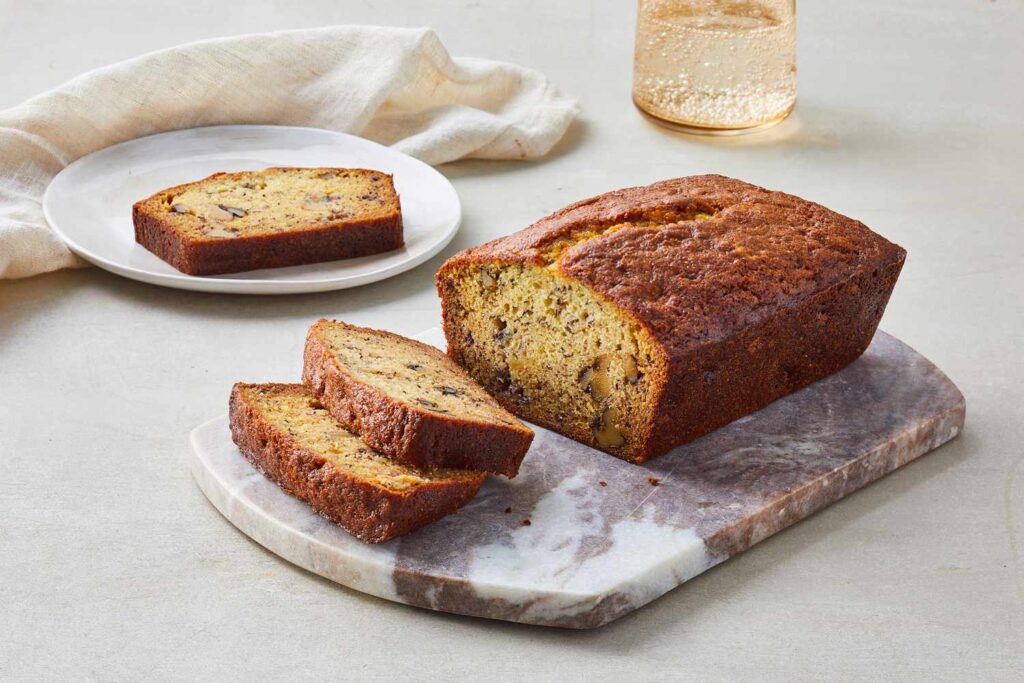
Banana bread’s popularity is largely due to its simplicity, versatility, and ability to use overripe bananas. Overripe bananas are sweeter and softer, naturally enhancing the bread’s moisture and flavor. Moreover, banana bread provides a comforting, homemade experience that is both versatile and forgiving for novice bakers. By making thoughtful ingredient choices, bakers can transform this classic treat into a nutrient-rich, wholesome option suitable for a vegetarian diet.
The Science Behind Moist Banana Bread
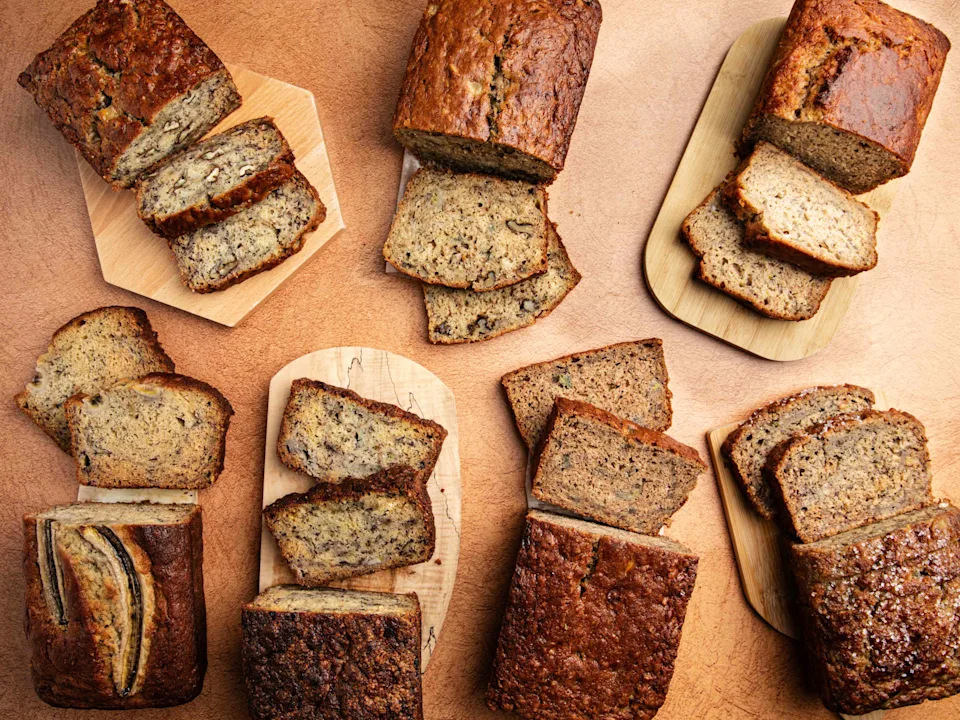
Achieving moist banana bread depends on understanding the science of baking. Moisture in baked goods comes from both wet ingredients (such as bananas, oils, and dairy substitutes) and proper mixing and baking techniques. Key factors include:
- Bananas: Overripe bananas are ideal. They provide natural sweetness, moisture, and flavor, reducing the need for added sugar and fat.
- Fats: Healthy fats like coconut oil, avocado oil, or nut butters contribute to tenderness and richness.
- Liquid Balance: Ingredients like plant-based milk or yogurt can help maintain moisture without making the batter too wet.
- Baking Time and Temperature: Overbaking dries the bread, while underbaking results in a gooey center. Baking at moderate temperatures ensures even cooking and retains moisture.
Understanding these factors allows bakers to experiment and achieve a consistently moist, flavorful loaf.
Nutritional Benefits of Banana Bread
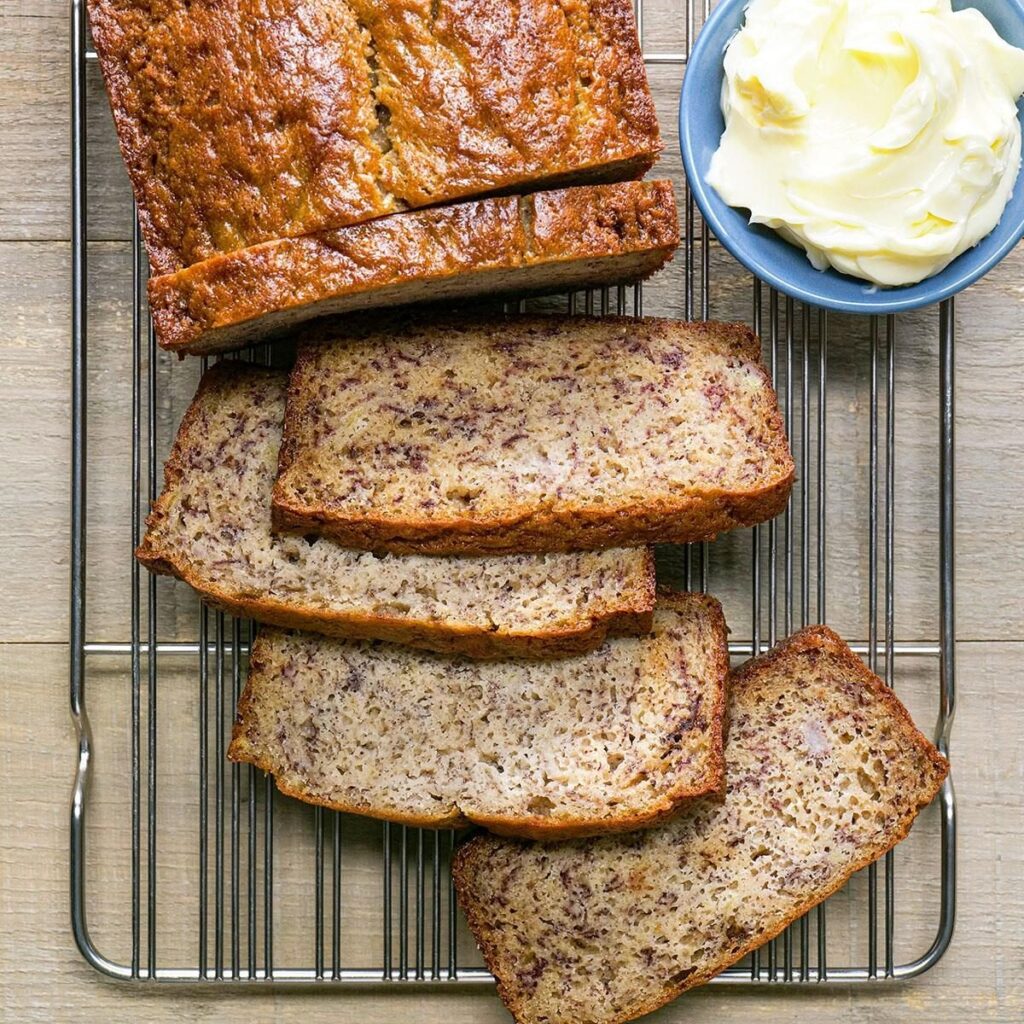
When made with thoughtful substitutions, banana bread can be a nutritious snack or breakfast option. Traditional banana bread is often high in refined carbohydrates and sugars, but by incorporating nutrient-dense ingredients, it becomes a source of fiber, healthy fats, and essential vitamins.
1. Bananas: The Star Ingredient
Bananas are rich in potassium, vitamin C, vitamin B6, and dietary fiber. Potassium supports heart health, while fiber promotes digestive wellness. The natural sweetness of bananas allows bakers to reduce added sugars, enhancing the nutritional profile.
2. Whole Grain Flour
Replacing refined flour with whole wheat, oat, or spelt flour increases fiber content and stabilizes blood sugar. Whole grain flours also provide minerals like magnesium and iron, contributing to a more balanced and filling snack.
3. Healthy Fats
Using healthy fats such as coconut oil, avocado oil, or nut butters improves flavor and moistness while providing heart-healthy fatty acids. These fats also aid in the absorption of fat-soluble vitamins and help maintain satiety.
4. Natural Sweeteners
Alternatives like maple syrup, honey, or coconut sugar reduce refined sugar intake. Using natural sweeteners in moderation enhances flavor while adding trace minerals and antioxidants.
5. Additional Nutritional Twists
Incorporating seeds, nuts, or dried fruits enhances both flavor and nutritional value:
- Chia Seeds: Add omega-3 fatty acids, fiber, and protein.
- Flaxseeds: Provide lignans and fiber, supporting heart health.
- Walnuts or Almonds: Contribute protein, healthy fats, and texture.
- Dried Fruits: Raisins, cranberries, or chopped dates add natural sweetness and antioxidants.
Secrets to Moist Banana Bread
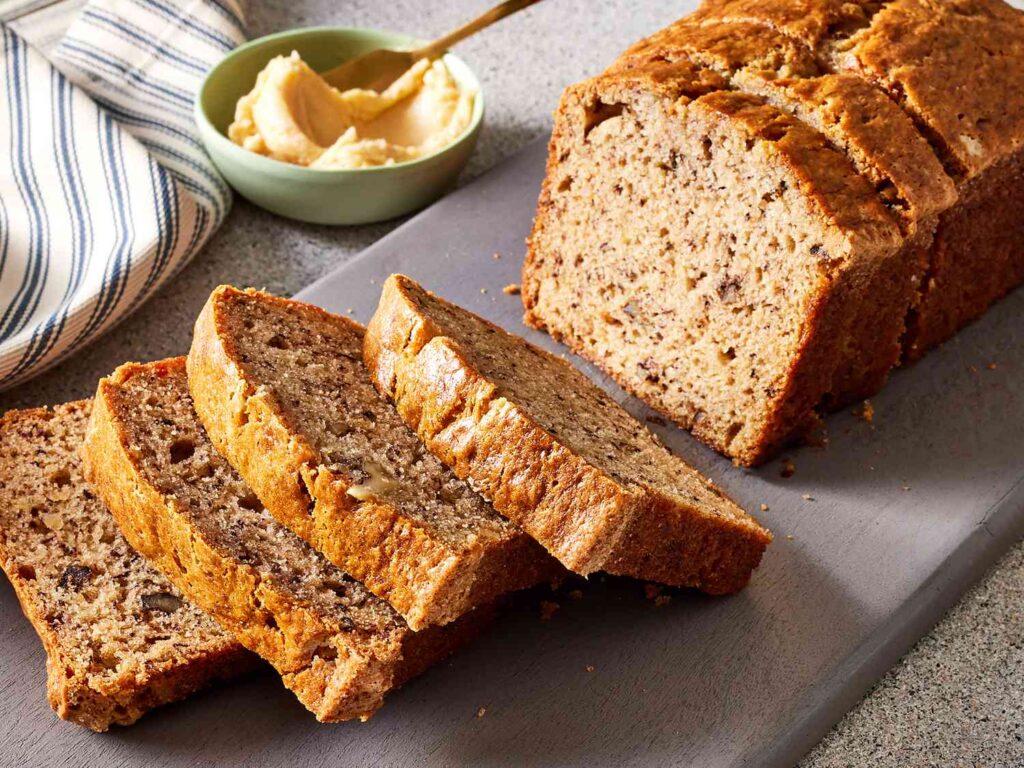
Achieving the perfect moist texture involves a combination of ingredient selection and baking techniques.
1. Use Overripe Bananas
Bananas with brown spots are sweeter and contain more moisture. Mash them thoroughly to ensure even distribution throughout the batter.
2. Incorporate Healthy Fats
Replace butter with coconut oil, avocado oil, or nut butters. These fats add richness and help retain moisture, preventing a dry loaf.
3. Add Moisture-Retaining Ingredients
Plant-based milk, unsweetened yogurt, or applesauce can be added to the batter to enhance moisture. For example, substituting half the fat with unsweetened applesauce reduces calories while maintaining softness.
4. Avoid Overmixing
Overmixing the batter develops gluten, which can make banana bread dense and dry. Mix until ingredients are just combined.
5. Optimal Baking Temperature
Bake at 175°C (350°F) for 50–60 minutes. Cover with foil if the top browns too quickly. Check doneness with a toothpick; it should come out clean but not dry.
Creative Nutritional Twists
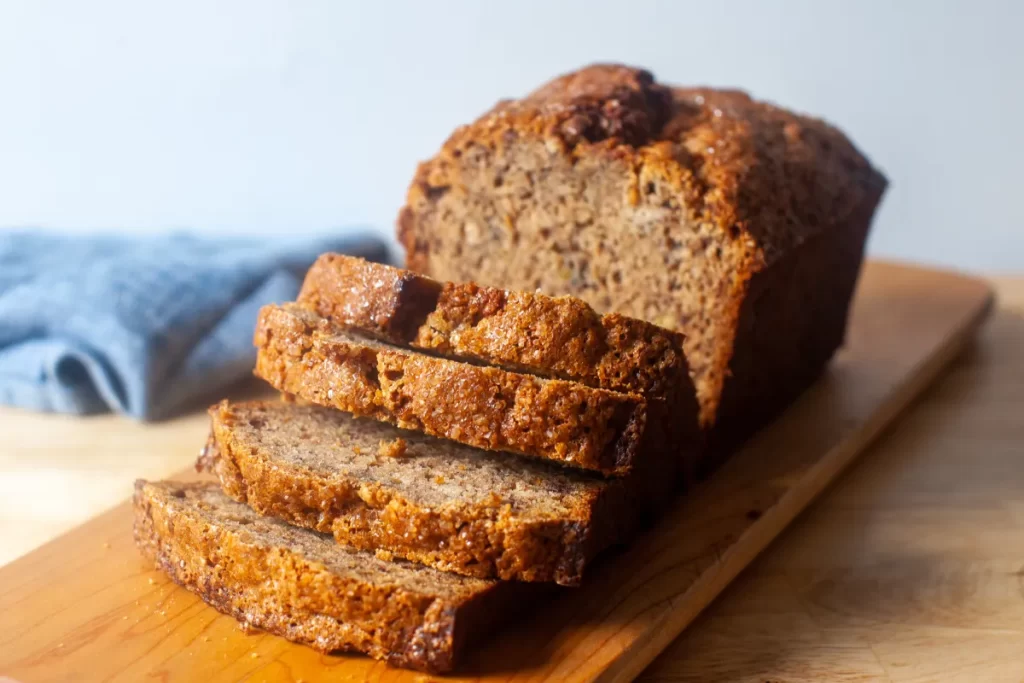
1. Whole Grain Banana Bread
Use 50% whole wheat flour and 50% all-purpose flour for a balance of softness and fiber. Adding oats further boosts fiber content and creates a hearty texture.
2. Protein-Enriched Banana Bread
Incorporate plant-based protein powders, almond flour, or Greek yogurt (vegetarian-friendly) to increase protein content without compromising taste. This makes banana bread suitable for breakfast or post-workout snacks.
3. Superfood Additions
Boost nutritional value with:
- Cacao nibs: Provide antioxidants and a subtle chocolate flavor.
- Hemp seeds: Add protein, fiber, and essential fatty acids.
- Pumpkin or sunflower seeds: Enhance crunch and nutrient density.
4. Sugar Reduction Techniques
- Reduce sugar by 25–50% and rely on banana sweetness.
- Use natural sweeteners like dates or maple syrup.
- Add cinnamon or vanilla extract to enhance perceived sweetness without sugar.
5. Vegan and Allergy-Friendly Variations
- Replace eggs with flaxseed or chia seed “eggs” (1 tablespoon seeds + 3 tablespoons water per egg).
- Use plant-based milk instead of dairy milk.
- Substitute nut flours if allergies exist, using oat or whole wheat flour instead.
Storing and Serving Moist Banana Bread
Proper storage ensures banana bread remains moist and flavorful:
- Room Temperature: Wrap in foil or store in an airtight container for up to 3–4 days.
- Refrigeration: Extend shelf life to one week; reheat slices for softness.
- Freezing: Wrap tightly and freeze for up to 3 months; thaw at room temperature or microwave briefly.
Banana bread pairs well with nut butters, plant-based spreads, or fresh fruit, making it a versatile snack or breakfast option.
Conclusion
Moist banana bread is a delightful treat that can be transformed into a nutritious, wholesome option without sacrificing flavor. By understanding the science behind moisture retention, choosing healthy ingredients, and applying thoughtful baking techniques, bakers can create soft, flavorful loaves that satisfy cravings and support health.
The nutritional twists, including whole grains, healthy fats, natural sweeteners, seeds, nuts, and dried fruits, not only enhance taste and texture but also improve the overall nutrient profile of banana bread. With these strategies, banana bread can become a versatile, delicious, and guilt-free addition to a vegetarian diet.
Incorporating these methods allows anyone to enjoy the comforting taste of banana bread while prioritizing health, demonstrating that indulgence and nutrition can coexist harmoniously in the kitchen.