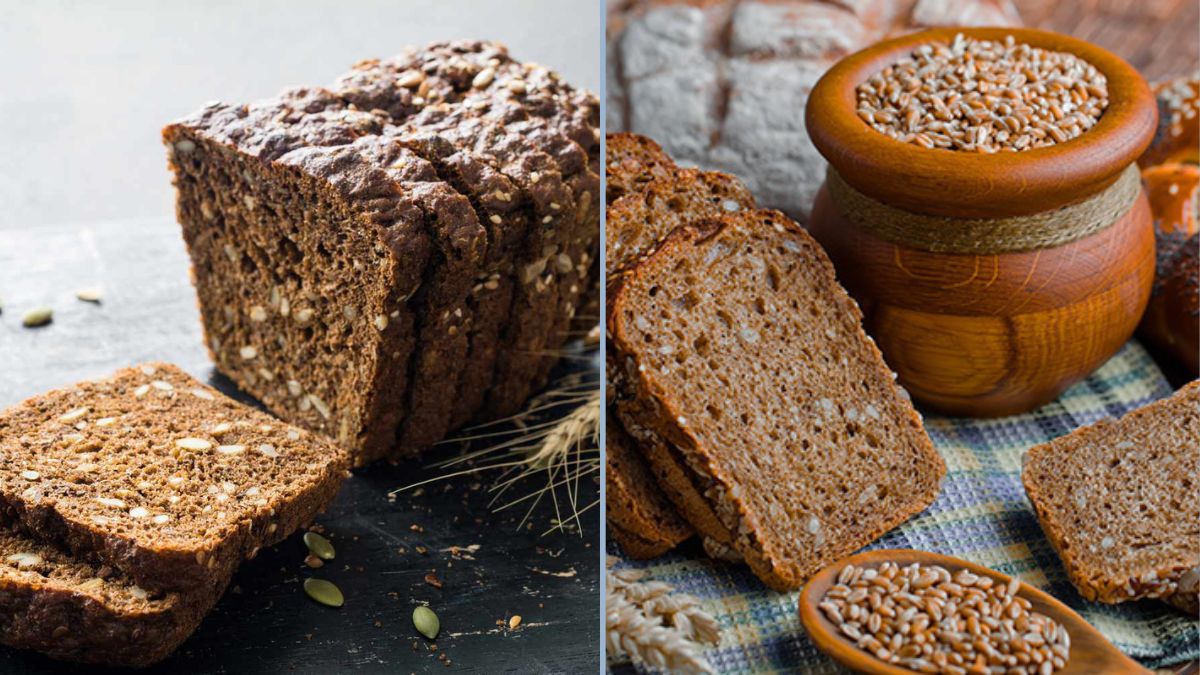
In recent years, whole grains have gained recognition for their remarkable health benefits, especially when incorporated into everyday foods like bread, muffins, cookies, and pastries. Baking with whole grains not only improves the nutritional profile of baked goods but also introduces unique flavors and textures that elevate traditional recipes. This article explores the benefits of using whole grains in baking, practical tips for beginners, and strategies to create delicious, wholesome baked goods that are both nutritious and satisfying.
Understanding Whole Grains
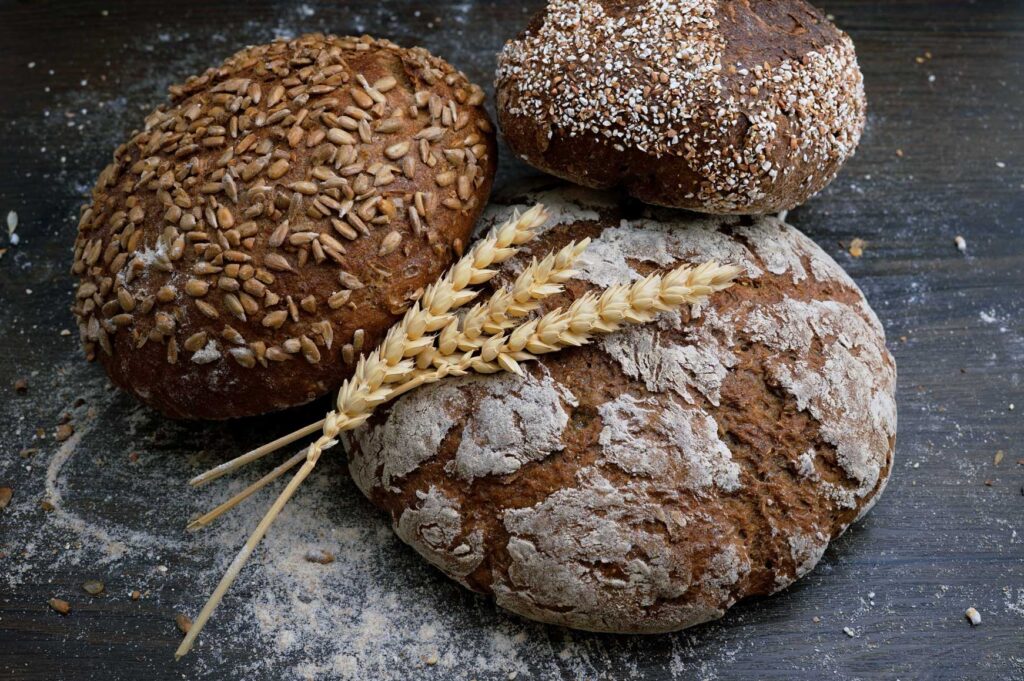
Whole grains are grains that contain all three essential parts: the bran, germ, and endosperm. Unlike refined grains, which have been stripped of the bran and germ during processing, whole grains retain their fiber, vitamins, minerals, and beneficial plant compounds. Examples include:
- Whole wheat
- Oats
- Barley
- Brown rice
- Quinoa
- Rye
Each grain offers a unique flavor, texture, and nutritional profile, making them versatile options for a variety of baked goods. Using whole grains in baking ensures that the resulting foods are higher in fiber, antioxidants, and essential nutrients compared to their refined counterparts.
Nutritional Benefits of Whole Grains
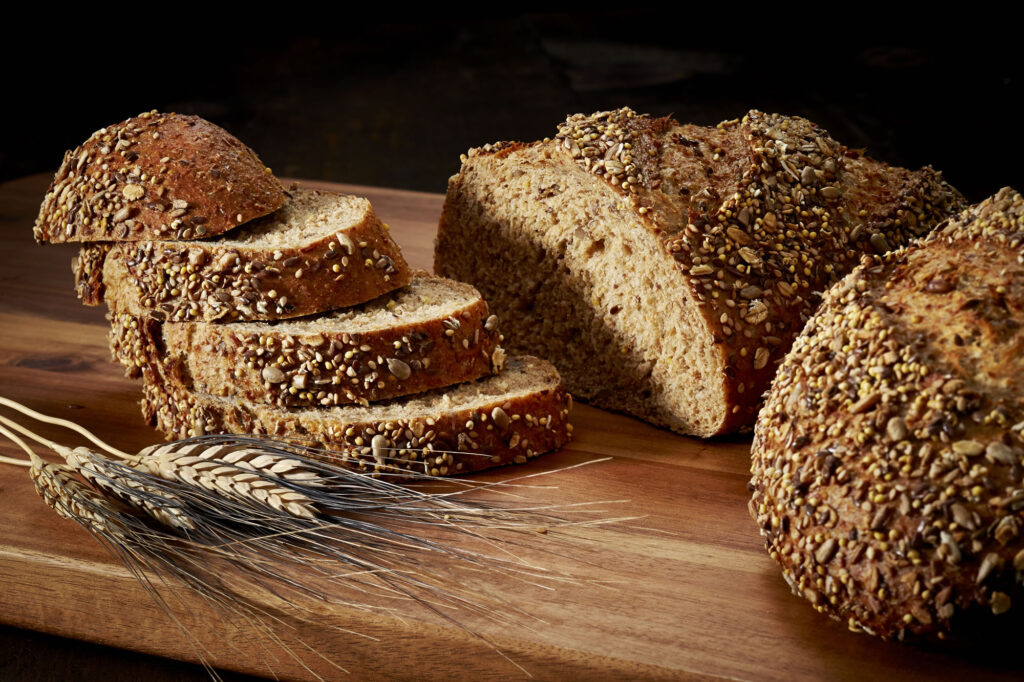
Incorporating whole grains into baked goods provides numerous health benefits, making them an excellent choice for those seeking a balanced and nutrient-rich diet. Key advantages include:
1. Improved Digestive Health
The high fiber content in whole grains supports digestive health by promoting regular bowel movements and preventing constipation. Soluble fiber also acts as a prebiotic, feeding beneficial gut bacteria and contributing to a healthy gut microbiome. This digestive support can help prevent gastrointestinal issues and enhance overall well-being.
2. Heart Health
Whole grains contain nutrients such as magnesium, potassium, and antioxidants that support cardiovascular health. Regular consumption of whole grains has been linked to lower cholesterol levels, reduced blood pressure, and a decreased risk of heart disease. Baking with whole grains allows individuals to enjoy heart-healthy treats without sacrificing flavor.
3. Blood Sugar Regulation
The fiber and complex carbohydrates in whole grains slow the absorption of sugar into the bloodstream, resulting in more stable blood sugar levels. This makes whole-grain baked goods a better choice for individuals managing diabetes or those seeking sustained energy throughout the day. Unlike refined grains, which cause rapid spikes in blood sugar, whole grains provide steady energy and help prevent energy crashes.
4. Weight Management
High-fiber foods increase satiety, helping individuals feel full longer and reducing overeating. Replacing refined flour with whole grains in baking can contribute to healthier portion control and weight management. Additionally, the slower digestion of whole grains helps regulate appetite and supports a balanced diet.
5. Rich in Essential Nutrients
Whole grains are naturally rich in B vitamins, iron, magnesium, zinc, and antioxidants. These nutrients support energy metabolism, immune function, and overall health. By baking with whole grains, you can enhance the nutritional value of everyday treats like bread, muffins, and pancakes without compromising taste.
Challenges in Baking with Whole Grains
Despite their nutritional advantages, whole grains behave differently than refined flours in baking. Beginners may encounter challenges such as:
- Dense Texture: Whole-grain baked goods can be heavier due to higher fiber content.
- Reduced Gluten Development: Some whole grains have lower gluten content, which affects the rise and structure of bread and pastries.
- Absorption of Liquid: Whole-grain flours absorb more water, requiring adjustments to recipes.
- Distinct Flavor: The nutty, earthy taste of whole grains may differ from familiar refined flour baked goods.
Understanding these challenges allows bakers to adapt recipes and techniques to produce delicious, moist, and well-textured baked goods.
How to Begin Baking with Whole Grains
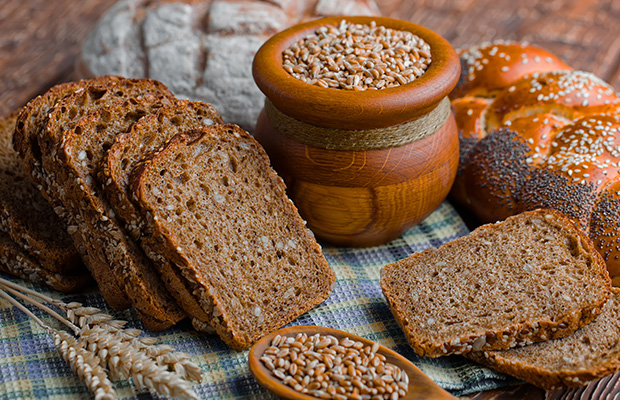
Starting with whole grains does not require abandoning traditional baking techniques. With careful substitution, experimentation, and attention to moisture, you can create wholesome baked goods that rival conventional recipes in flavor and texture.
1. Gradual Substitution
Begin by substituting 25–50% of refined flour with whole-grain flour in your favorite recipes. Gradually increasing the proportion of whole grains allows your palate and baking techniques to adjust without dramatically altering texture or taste.
2. Use Proper Liquid Ratios
Whole-grain flours absorb more liquid than refined flours. Increase liquids such as milk, water, or plant-based alternatives slightly to achieve the desired batter consistency. This adjustment ensures your baked goods remain moist and tender.
3. Combine Flours
Combining different types of flours can balance texture and flavor. For instance, blending whole wheat with oat or almond flour can reduce density while maintaining nutritional benefits. Experimenting with flour ratios allows you to discover unique flavor profiles and textures in baked goods.
4. Allow for Longer Resting Time
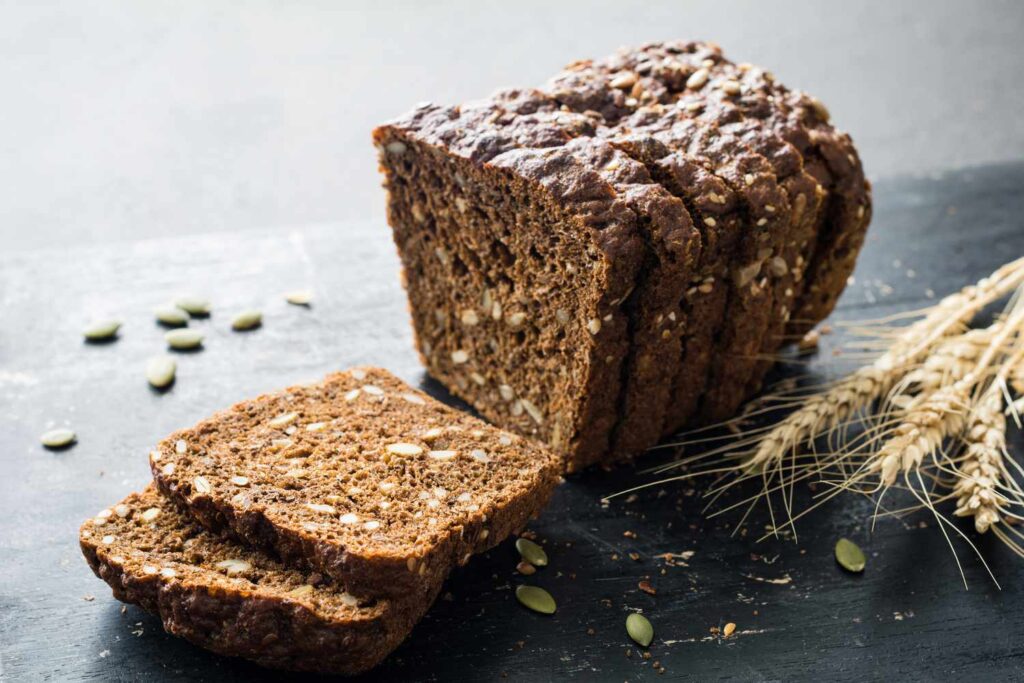
Whole-grain batters often benefit from a resting period of 20–30 minutes before baking. This allows the bran and germ to absorb moisture, resulting in a softer, more cohesive final product. For bread, consider autolyse or extended fermentation to improve gluten development and crumb structure.
5. Enhance Flavor
Whole grains have a naturally nutty, earthy taste. Complement these flavors with natural enhancers such as vanilla extract, cinnamon, nutmeg, or citrus zest. Nuts, seeds, and dried fruits can also add texture and depth, making baked goods more appealing.
6. Experiment with Sweeteners
Reduce refined sugar in recipes by incorporating natural sweeteners like honey, maple syrup, or mashed fruits. This not only enhances flavor but also improves the nutritional quality of your baked goods.
Examples of Whole-Grain Baked Goods
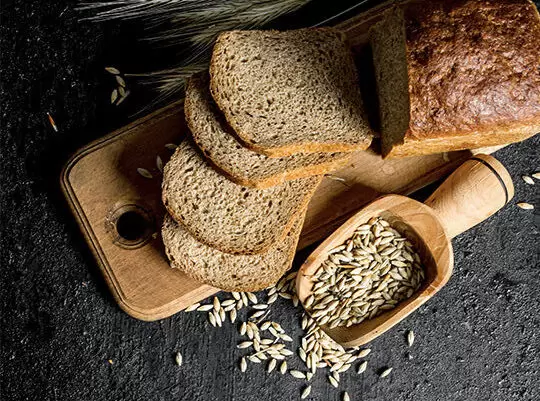
Baking with whole grains opens a world of possibilities. Some popular examples include:
- Whole Wheat Bread: Soft, chewy, and versatile for sandwiches or toast.
- Oatmeal Muffins: Packed with fiber and customizable with fruits, nuts, or spices.
- Brown Rice Cookies: Gluten-free, crisp, and satisfying.
- Quinoa or Barley Loaves: Rich in protein, fiber, and minerals, with unique texture.
- Granola Bars: Ideal for on-the-go snacks, using a combination of oats, nuts, seeds, and dried fruits.
Each recipe can be adapted for sweetness, fat content, and texture, allowing bakers to experiment while maintaining health benefits.
Tips for Successful Whole-Grain Baking
- Store Flours Properly: Whole-grain flours contain natural oils that can spoil; keep them in airtight containers in the refrigerator or freezer.
- Measure Accurately: Weigh flours when possible, as volume measurements can vary, affecting texture.
- Monitor Baking Time: Whole-grain baked goods may require slightly longer baking times due to density.
- Moisture Matters: Do not skimp on liquid; add milk, yogurt, or fruit puree to retain softness.
- Be Patient: Whole grains develop flavor over time. Allowing dough or batter to rest can enhance taste and texture.
Conclusion
Incorporating whole grains into baking is a powerful way to enhance both flavor and nutrition. Whole grains provide fiber, essential vitamins and minerals, and health-promoting antioxidants, supporting digestion, heart health, and sustained energy. While whole-grain baking may present challenges such as denser texture or higher liquid absorption, thoughtful substitutions, gradual experimentation, and attention to moisture can yield delicious, nutritious baked goods.
Starting with small adjustments, combining flours, and incorporating natural flavor enhancers allows bakers to produce soft, flavorful, and visually appealing products. Whole-grain baking not only benefits physical health but also encourages culinary creativity, transforming everyday treats into wholesome, satisfying delights.
By understanding the benefits and techniques of whole-grain baking, beginners and experienced bakers alike can embrace a healthier, more nutrient-rich approach to their favorite baked goods, demonstrating that taste and nutrition can coexist harmoniously in the kitchen.