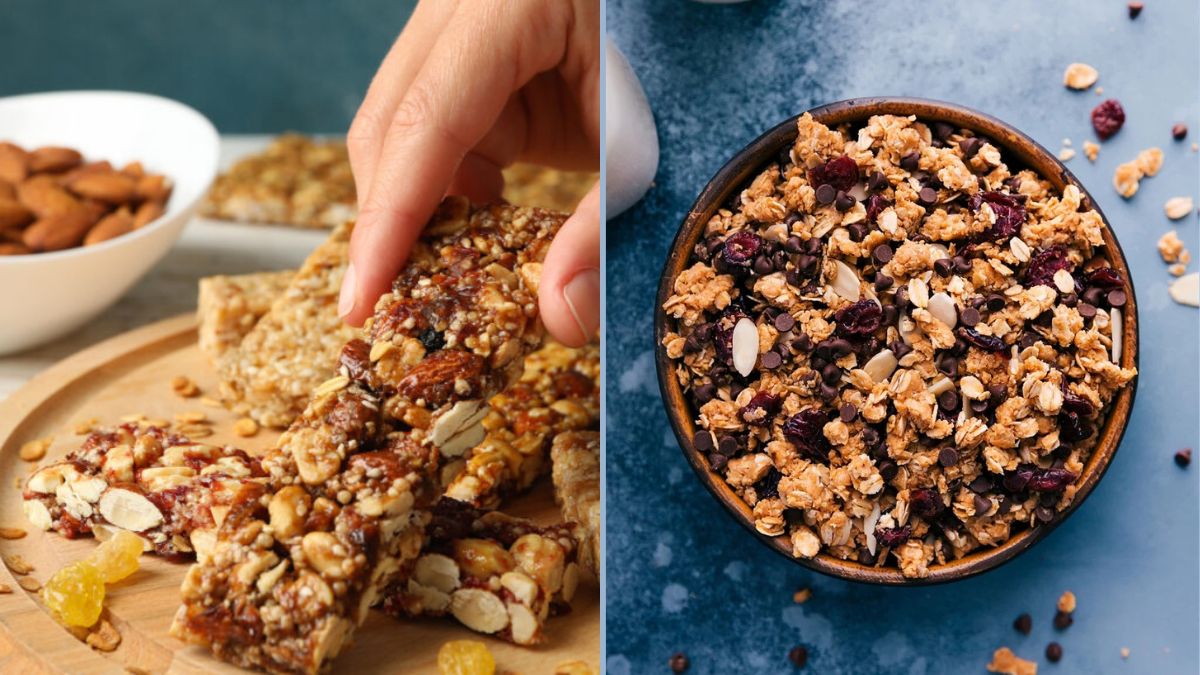
Granola has become a staple breakfast and snack option in households worldwide, known for its crunchy texture, versatility, and ability to deliver sustained energy. While store-bought granola is convenient, it often contains added sugars, unhealthy oils, and preservatives that reduce its nutritional value. Homemade granola, on the other hand, allows for complete control over ingredients, offering both health benefits and culinary creativity. This article explores the benefits of homemade granola, its nutritional value, and practical strategies for customizing it to suit individual tastes and dietary needs.
Understanding Granola
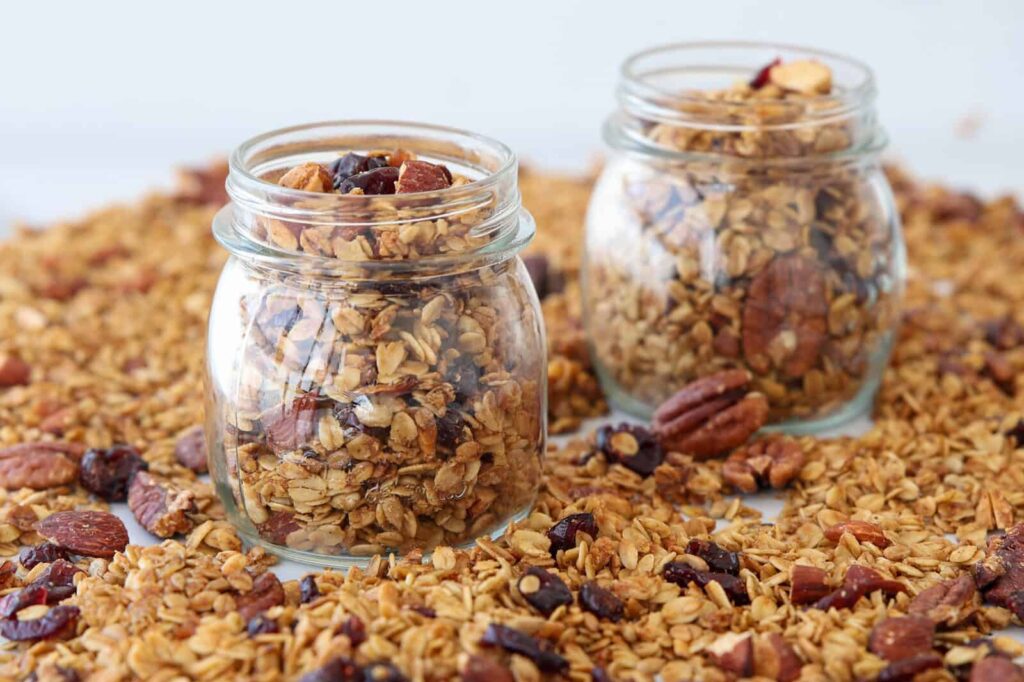
Granola is typically a mixture of rolled oats, nuts, seeds, and sweeteners, baked until golden and crisp. It may also include dried fruits, spices, and flavorings such as vanilla or cinnamon. Unlike muesli, which is generally raw and soft, granola is baked with oil and sweeteners, resulting in its signature crunch.
The basic ingredients of granola can be adapted to create variations that are low in sugar, high in protein, gluten-free, or vegan, making it a versatile option for a health-conscious diet.
Nutritional Benefits of Homemade Granola
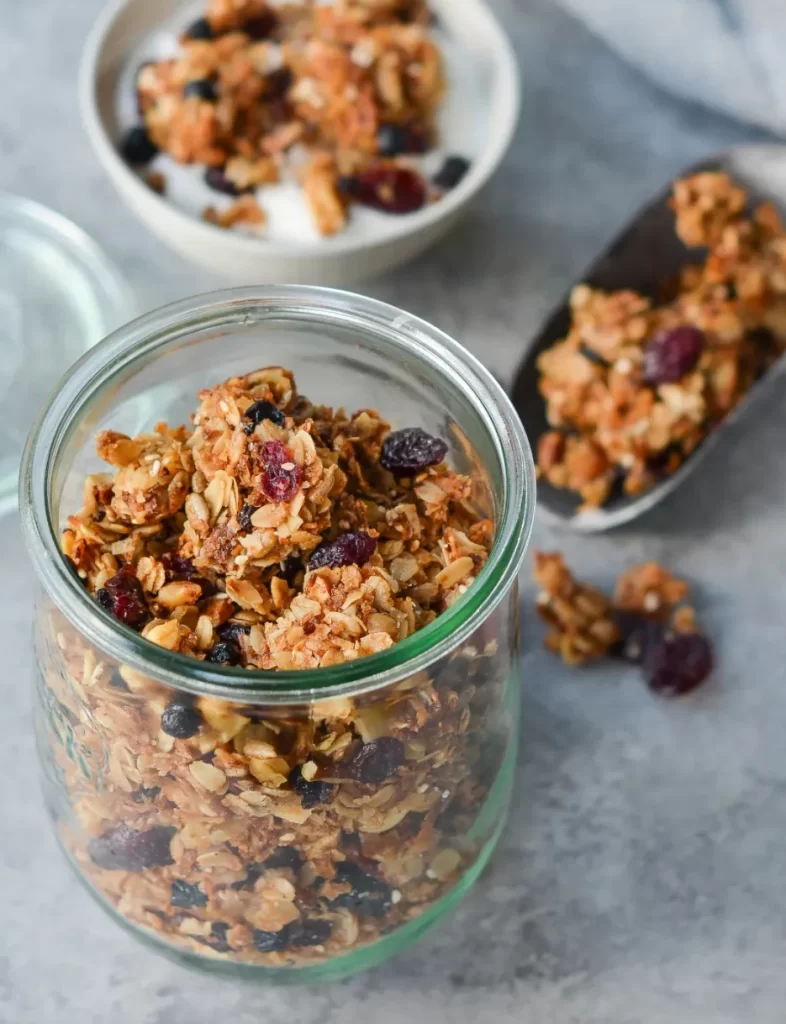
Homemade granola is a nutrient-dense food, providing energy, fiber, and essential vitamins and minerals. Its health benefits include:
1. High Fiber Content
The foundation of granola—rolled oats—provides soluble and insoluble fiber, which promotes digestive health and supports regular bowel movements. Fiber also slows the absorption of sugars, preventing rapid blood sugar spikes and helping maintain sustained energy throughout the day.
2. Heart Health
Nuts and seeds, such as almonds, walnuts, chia, and flaxseeds, are rich in healthy fats, particularly omega-3 fatty acids, which support cardiovascular health. Consuming these ingredients regularly may reduce cholesterol levels and lower the risk of heart disease.
3. Blood Sugar Regulation
Homemade granola allows for control over sweeteners. Using natural sweeteners like maple syrup, honey, or dates in moderation reduces refined sugar intake, helping regulate blood glucose levels while still providing natural sweetness.
4. Protein-Rich
Adding nuts, seeds, and even plant-based protein powders increases the protein content of granola, making it a satisfying snack or breakfast that supports muscle repair and growth. Protein also contributes to satiety, reducing the likelihood of overeating between meals.
5. Rich in Micronutrients
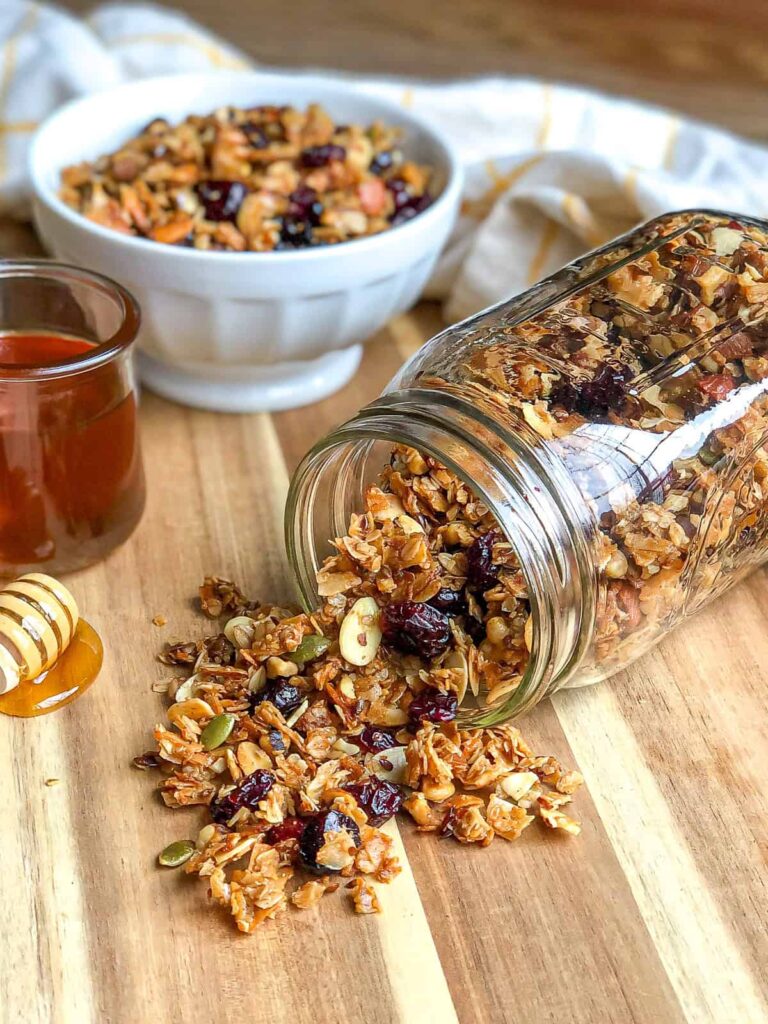
Homemade granola can include ingredients that are high in vitamins and minerals, such as magnesium, zinc, vitamin E, and iron. These nutrients support immune function, energy production, and overall well-being.
6. Antioxidants
Cinnamon, cocoa, dried fruits, and nuts contain antioxidants that help combat oxidative stress, promoting cellular health and reducing inflammation. Homemade granola can easily incorporate these ingredients to enhance both flavor and nutritional benefits.
The Advantages of Making Granola at Home
Making granola at home provides several key advantages over pre-packaged options:
- Control over Ingredients: Avoid unwanted preservatives, excess sugar, and unhealthy oils.
- Customizable Flavors: Add your favorite spices, extracts, nuts, or seeds to create unique flavor profiles.
- Adaptable to Dietary Needs: Easily make gluten-free, vegan, low-sugar, or high-protein versions.
- Cost-Effective: Buying ingredients in bulk and making granola at home is often cheaper than store-bought alternatives.
- Freshness: Homemade granola has a fresher taste and aroma compared to pre-packaged versions.
How to Make Homemade Granola
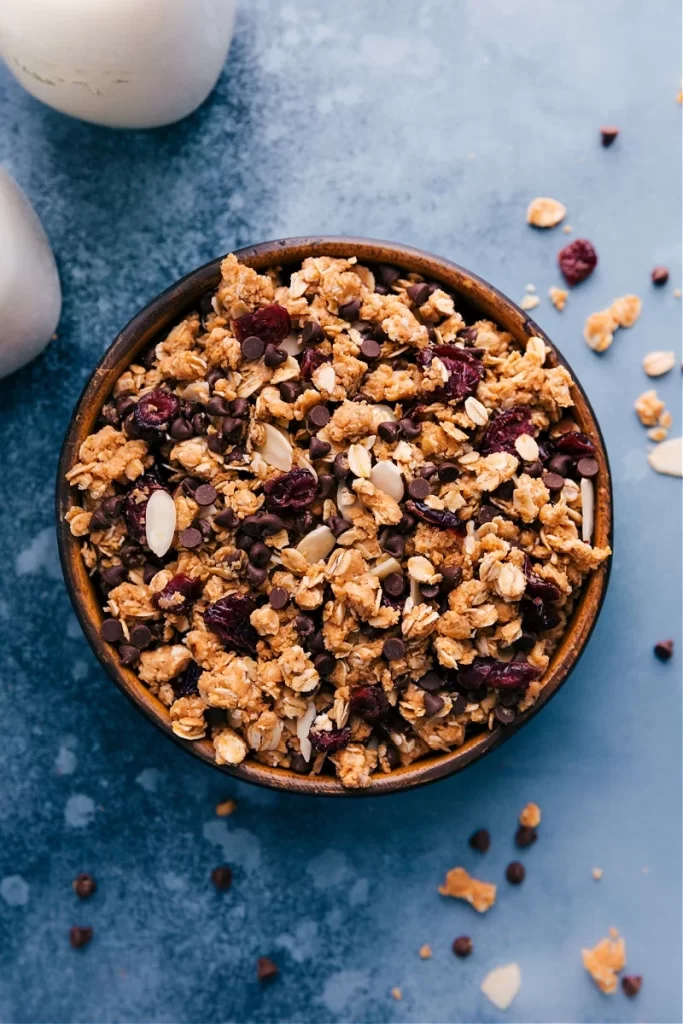
The basic process of making granola is simple, yet it offers room for creativity:
Ingredients
- Base: Rolled oats or a combination of oats and puffed grains
- Fats: Coconut oil, avocado oil, or nut butter
- Sweeteners: Maple syrup, agave nectar, honey, or mashed dates
- Nuts and Seeds: Almonds, walnuts, cashews, pumpkin seeds, chia seeds, flaxseeds
- Flavor Enhancers: Cinnamon, vanilla extract, cocoa powder, or citrus zest
- Optional Additions: Dried fruits like cranberries, raisins, or apricots
Basic Method
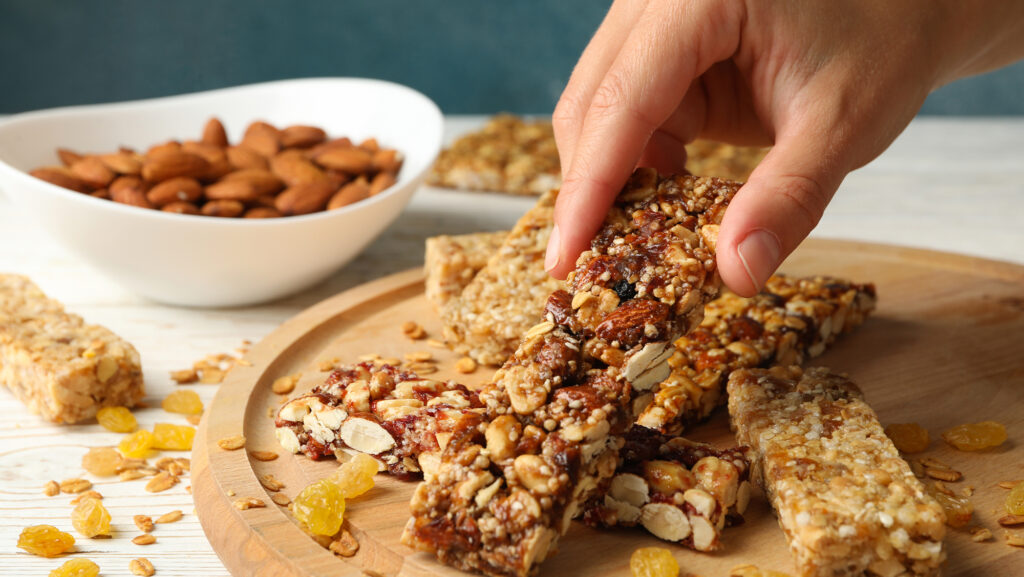
- Preheat the Oven: Set to 150–160°C (300–325°F) to ensure even baking without burning.
- Mix Dry Ingredients: Combine oats, nuts, seeds, and spices in a large bowl.
- Combine Wet Ingredients: Mix oil and sweetener, then pour over the dry mixture. Stir until everything is evenly coated.
- Bake: Spread mixture evenly on a parchment-lined baking tray. Bake for 20–30 minutes, stirring every 10 minutes for even browning.
- Cool and Add Extras: Allow granola to cool completely before adding dried fruits or chocolate. Cooling ensures a crunchy texture.
- Store: Keep in an airtight container at room temperature for up to two weeks. For longer storage, refrigerate or freeze in portions.
Customizing Homemade Granola
The beauty of homemade granola lies in its flexibility. Here are ways to customize it based on preference and dietary goals:
1. Flavor Profiles
- Chocolate Lovers: Add cocoa powder to the oat mixture or sprinkle cacao nibs after baking.
- Spiced Granola: Include cinnamon, nutmeg, ginger, or cardamom for warmth.
- Tropical: Add dried pineapple, coconut flakes, and macadamia nuts for an exotic twist.
2. Texture Adjustments
- Extra Crunchy: Increase nuts and seeds, or bake slightly longer, monitoring closely to prevent burning.
- Chewier Granola: Reduce baking time slightly and incorporate mashed banana or applesauce into the wet mixture.
3. Protein Boost
- Add plant-based protein powders, hemp seeds, or soy protein crisps to increase protein content for post-workout snacks or breakfast bowls.
4. Sweetness Control
- Adjust the amount of sweetener to taste, or replace part of it with naturally sweet ingredients like mashed bananas, applesauce, or pureed dates.
5. Dietary Considerations
- Gluten-Free: Use certified gluten-free oats and ensure all added ingredients are gluten-free.
- Vegan: Substitute honey with maple syrup or agave nectar.
- Low-Sugar: Minimize sweeteners and rely on naturally sweet dried fruits.
Serving Suggestions
Homemade granola is versatile and can be enjoyed in numerous ways:
- Breakfast Bowls: Serve over plant-based yogurt or milk with fresh fruits.
- Smoothie Toppings: Sprinkle over smoothies for added crunch and nutrients.
- Snack Packs: Portion into small containers or bags for on-the-go energy.
- Dessert Enhancements: Add to fruit crisps or parfaits for texture and flavor.
Conclusion
Homemade granola is not just a convenient breakfast or snack; it is a nutrient-rich, customizable food that can fit a variety of dietary needs and flavor preferences. By controlling ingredients, bakers can maximize fiber, protein, healthy fats, vitamins, and antioxidants while minimizing added sugars and unhealthy fats.
The ability to experiment with flavors, textures, and nutrients makes homemade granola a fun and creative process, allowing for endless variations that suit individual tastes. From crunchy nut-filled varieties to chewy, fruit-packed versions, homemade granola provides sustained energy, supports digestive and cardiovascular health, and aligns perfectly with vegetarian and plant-based diets.
Incorporating homemade granola into daily life is a simple yet impactful way to enjoy a wholesome, delicious, and versatile food, demonstrating that nutritious eating can also be flavorful and satisfying. With a few basic ingredients, creativity, and attention to preparation, anyone can create granola that is both healthy and irresistibly delicious.