
Muffins are a quintessential baked good, beloved for their versatility, convenience, and comforting flavor. Whether served for breakfast, a snack, or dessert, muffins can be made to suit a wide range of tastes, dietary needs, and occasions. However, despite their simplicity, achieving the perfect muffin—light, moist, flavorful, and with an appealing rise—requires understanding the science behind muffin baking and applying careful techniques. This article explores the key principles, common pitfalls, ingredient considerations, and creative strategies to bake perfect muffins every time.
Understanding Muffin Structure
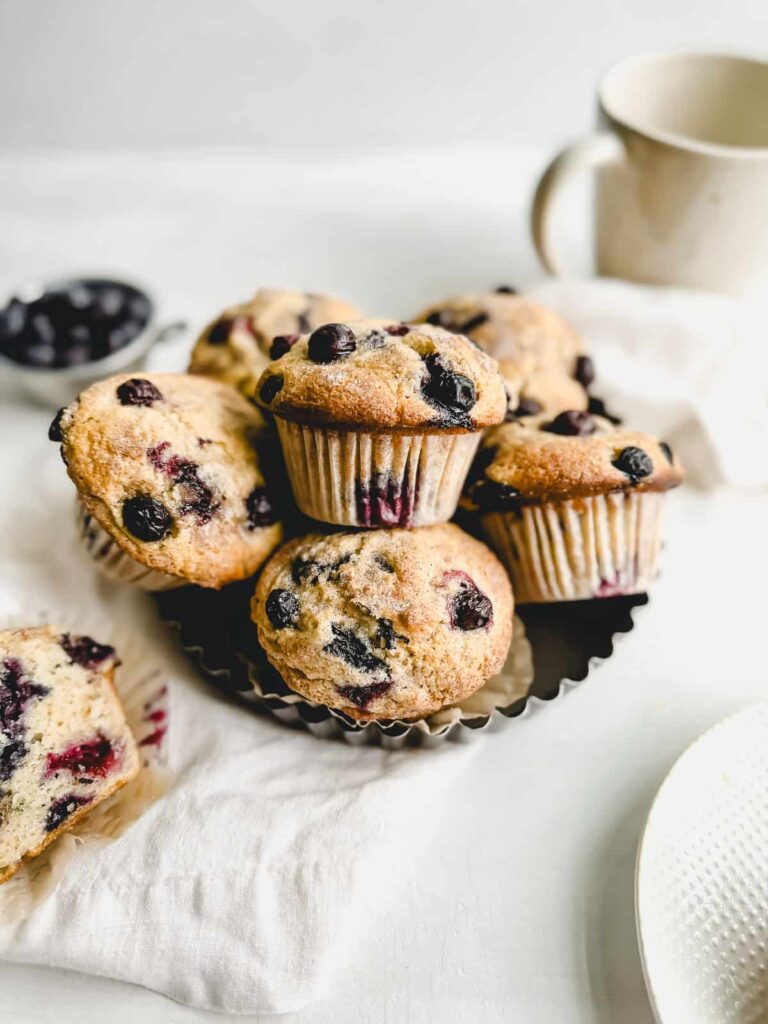
Muffins occupy a unique space in baking: they are denser than cakes but lighter than bread. Achieving the ideal texture requires balancing moisture, fat, flour, and leavening agents.
1. Role of Flour
Flour provides structure through gluten formation. Too much gluten leads to tough muffins, while too little can make them crumbly. Choosing the right flour or flour combinations, such as all-purpose, whole wheat, or oat flour, can influence texture and nutritional value. Whole-grain flours increase fiber but may require additional moisture to maintain tenderness.
2. Leavening Agents
Baking powder and baking soda are commonly used leaveners in muffins. Baking powder reacts with moisture and heat, while baking soda reacts with acidic ingredients like yogurt, lemon juice, or applesauce. Correct measurement ensures muffins rise properly without developing tunnels or dense centers.
3. Fat Content

Fats, such as butter, coconut oil, or vegetable oil, contribute to tenderness, moisture, and flavor. Fat coats flour proteins, limiting gluten formation, and helps muffins remain soft and tender. Plant-based oils and nut butters are excellent alternatives in vegetarian or vegan muffins.
4. Eggs and Binders
Eggs traditionally provide structure, moisture, and leavening. In plant-based baking, substitutes like flax or chia “eggs” (1 tablespoon seeds + 3 tablespoons water per egg), applesauce, or mashed banana can achieve similar results while keeping muffins egg-free.
5. Sugar and Sweeteners
Sugar not only adds sweetness but also tenderizes muffins and helps retain moisture. Natural sweeteners like maple syrup, honey, coconut sugar, or mashed fruits can reduce refined sugar content while enhancing flavor.
Common Challenges in Muffin Baking

Many home bakers encounter difficulties such as:
- Dense or heavy muffins: Often caused by overmixing or using too much flour.
- Tunnels or holes in the crumb: Typically result from overmixing or uneven leavening distribution.
- Dry muffins: Caused by overbaking or insufficient moisture.
- Flat or sunken muffins: May be due to expired leavening agents or overfilling muffin tins.
Understanding these pitfalls helps in adjusting techniques and ingredient ratios to achieve perfect results consistently.
Key Principles for Perfect Muffins
1. The “Muffin Method”
The traditional muffin method involves mixing dry and wet ingredients separately before combining them just until incorporated. This prevents overdeveloping gluten, ensuring a tender crumb.
2. Accurate Measurement
Baking is a precise science. Use a kitchen scale for flour and other dry ingredients. Overpacking flour in measuring cups can lead to dry, dense muffins.
3. Don’t Overmix
Mix until ingredients are just combined. Lumps in the batter are acceptable. Overmixing develops gluten, creating tough, tunnel-filled muffins.
4. Proper Oven Temperature
Bake muffins at 180–190°C (350–375°F) depending on your recipe. Preheating ensures even rising, while using a convection setting may require slightly lower temperatures.
5. Fill Muffin Tins Correctly
Fill muffin cups two-thirds to three-quarters full to allow adequate rise without overflowing. Paper liners or a greased muffin tin help prevent sticking.
6. Resting the Batter
Allowing muffin batter to rest for 5–10 minutes before baking can improve texture and result in a lighter crumb. This gives the flour time to hydrate fully.
Ingredient Considerations for Flavor and Nutrition

1. Flour Variations
- All-purpose flour: Standard option for soft, tender muffins.
- Whole wheat flour: Adds fiber and a nutty flavor, best combined with lighter flours.
- Oat flour or almond flour: Gluten-free alternatives that add protein, moisture, and texture.
2. Sweetener Options
- Maple syrup or agave nectar: Natural, plant-based sweeteners.
- Coconut sugar: Adds a caramel-like flavor with a lower glycemic index.
- Mashed bananas, applesauce, or pumpkin puree: Reduce sugar while adding moisture and subtle sweetness.
3. Moisture and Fat Sources
- Plant-based oils (coconut, avocado, or sunflower oil): Provide moisture and tenderness.
- Nut butters: Almond, peanut, or cashew butter adds richness and protein.
- Yogurt or plant-based milk: Enhances moisture and can aid leavening when combined with baking soda.
4. Flavor Enhancers
- Spices: Cinnamon, nutmeg, ginger, or cardamom add warmth and complexity.
- Citrus zest or extracts: Lemon, orange, or vanilla enhance aroma and flavor.
- Mix-ins: Nuts, seeds, chocolate chips, or dried fruits add texture, flavor, and nutritional value.
Creative Strategies for Custom Muffins

1. Fruit-Based Muffins
- Banana-Oat Muffins: Mashed bananas provide natural sweetness and moisture.
- Blueberry Almond Muffins: Fresh or frozen blueberries add antioxidants, while almonds contribute healthy fats.
- Apple Cinnamon Muffins: Applesauce replaces some fat and sugar, keeping muffins moist.
2. Vegetable-Based Muffins
- Carrot or Zucchini Muffins: Grated vegetables add fiber, moisture, and subtle sweetness.
- Pumpkin Spice Muffins: Pumpkin puree enhances moisture while providing vitamins A and C.
3. Protein-Rich Muffins
- Nut and Seed Muffins: Almonds, walnuts, chia, or flaxseed increase protein content.
- Vegan Protein Muffins: Add plant-based protein powders to the batter for a post-workout snack.
4. Gluten-Free Muffins
- Use oat flour, almond flour, or gluten-free flour blends. Combine with flax eggs or applesauce for structure and moisture.
Tips for Storing Muffins
- Room Temperature: Store in an airtight container for 2–3 days to retain moisture.
- Refrigeration: Extends shelf life up to one week. Reheat briefly to restore softness.
- Freezing: Freeze individually wrapped muffins for up to three months. Thaw at room temperature or microwave briefly.
Troubleshooting Muffins
- Dry or crumbly: Reduce flour slightly, add moisture from fruit puree, yogurt, or plant-based milk.
- Dense muffins: Avoid overmixing and ensure leavening agents are fresh.
- Flat muffins: Check oven temperature, use proper filling, and verify baking powder/soda freshness.
- Sinking tops: Overbaking or opening the oven door too early may cause collapse; cool in tin briefly before removing.
Conclusion
Baking the perfect muffin requires a balance of science, technique, and creativity. By understanding the roles of flour, fat, sweeteners, and leavening agents, and following best practices such as the muffin method and careful mixing, bakers can consistently produce tender, moist, flavorful muffins.
Homemade muffins also offer unparalleled flexibility. By experimenting with whole grains, fruits, vegetables, spices, nuts, and seeds, bakers can create muffins that are both nutritious and delicious. Plant-based alternatives for eggs, milk, and butter ensure muffins are suitable for vegetarian diets without compromising taste or texture.
Ultimately, mastering muffin baking empowers home bakers to enjoy versatile, wholesome treats that can be customized for flavor, texture, and nutritional goals. With practice, attention to detail, and a willingness to experiment, anyone can bake perfect muffins every time, making them a satisfying and reliable addition to breakfast, snack, or dessert menus.