
Ginger (Zingiber officinale) is a versatile root that has been treasured for centuries for its culinary and medicinal properties. Its distinct spicy, warm flavor adds zest to dishes, while its bioactive compounds provide a range of health benefits. Among these, ginger is particularly celebrated for its ability to support digestion, making it a valuable addition to plant-based diets. This article explores the magic of ginger, its digestive benefits, and creative ways to incorporate it into daily meals.
Nutritional Profile of Ginger

Ginger is low in calories but rich in bioactive compounds and essential nutrients. It contains vitamins such as vitamin C, vitamin B6, and minerals including magnesium, potassium, and manganese. However, the most significant health-promoting components of ginger are gingerols, shogaols, and zingerone, which give ginger its pungent flavor and medicinal properties. These compounds have potent antioxidant, anti-inflammatory, and antimicrobial effects, making ginger a functional food with a wide range of health benefits.
Digestive Benefits of Ginger

1. Relief from Nausea and Indigestion
Ginger has long been used as a natural remedy for nausea, including motion sickness, morning sickness during pregnancy, and nausea associated with digestive discomfort. Gingerols and shogaols in ginger help regulate the gastrointestinal tract by promoting the movement of food and digestive juices. This can help reduce bloating, gas, and discomfort after meals, supporting overall digestive health.
2. Stimulation of Digestive Enzymes
Ginger promotes the production of digestive enzymes such as amylase and lipase, which aid in the breakdown of carbohydrates, fats, and proteins. This enhances nutrient absorption and reduces the burden on the digestive system. Including ginger in plant-based meals can improve digestive efficiency and support optimal nutrient utilization.
3. Anti-Inflammatory Properties
Chronic inflammation in the digestive tract can lead to conditions such as gastritis and irritable bowel syndrome (IBS). Ginger’s anti-inflammatory compounds help soothe the gastrointestinal lining, reduce inflammation, and promote a balanced gut environment. This makes ginger an excellent natural aid for maintaining digestive comfort and preventing long-term digestive issues.
4. Relief from Bloating and Gas
Ginger has carminative properties, which means it helps expel gas from the digestive system and reduces bloating. Drinking ginger tea or incorporating fresh ginger into meals can relieve the discomfort associated with excessive gas and improve overall gut function.
5. Gut Microbiome Support
Emerging research suggests that ginger may have prebiotic effects, nourishing beneficial gut bacteria. A healthy gut microbiome is crucial for proper digestion, nutrient absorption, immune function, and even mental well-being. By supporting the growth of good bacteria, ginger contributes to long-term digestive health.
How to Use Ginger in Plant-Based Cooking

Ginger is remarkably versatile and can be used in a variety of forms, including fresh, powdered, dried, or pickled. Its pungent flavor enhances both sweet and savory dishes, making it easy to incorporate into everyday meals.
1. Fresh Ginger
Fresh ginger root provides the highest concentration of active compounds. It can be peeled, minced, grated, or sliced and added to stir-fries, soups, salads, and smoothies. For example, grating fresh ginger into a vegetable stir-fry or adding it to a tropical fruit smoothie can provide both flavor and digestive support.
2. Ginger Tea
Ginger tea is one of the simplest and most effective ways to support digestion. Boil slices of fresh ginger in water for 10–15 minutes, then strain and enjoy warm. For added flavor, include lemon, mint, or a touch of natural sweeteners such as maple syrup. Ginger tea is soothing, reduces bloating, and can relieve nausea after meals.
3. Powdered Ginger
Dried, powdered ginger is convenient for cooking and baking. It can be added to curries, soups, sauces, and grain dishes. While slightly less potent than fresh ginger, powdered ginger still retains digestive benefits and provides a warm, earthy flavor to plant-based meals.
4. Pickled Ginger
Pickled ginger, commonly served in Asian cuisines, can aid digestion due to its acidity and bioactive compounds. Adding small amounts to salads, sushi rolls, or vegetable bowls can enhance flavor while supporting gut health.
5. Ginger in Smoothies and Juices
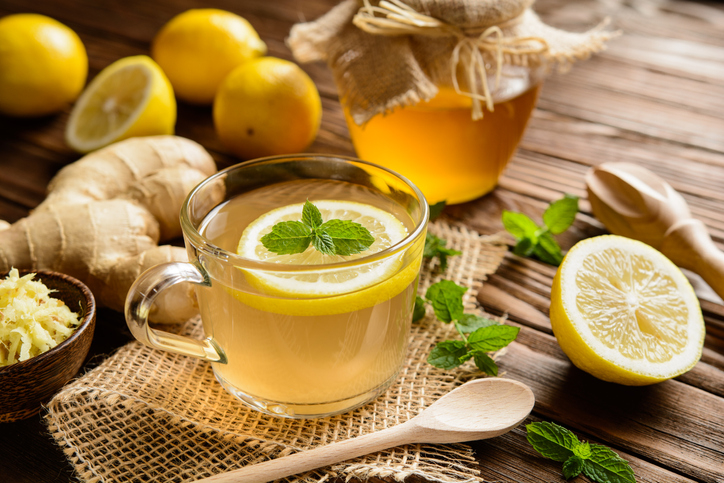
Adding ginger to smoothies and fresh vegetable or fruit juices can provide a spicy kick and promote digestive wellness. Pair ginger with ingredients such as pineapple, carrot, spinach, or cucumber for a nutrient-rich, gut-friendly drink.
6. Ginger in Baking
Ginger can also be used in plant-based baking. Incorporate fresh or powdered ginger into muffins, breads, cookies, and energy bars for flavor and health benefits. Pairing ginger with cinnamon, nutmeg, or cardamom creates delicious, aromatic treats that support digestion.
Creative Plant-Based Recipes with Ginger
1. Ginger and Lemon Detox Drink
Combine fresh ginger slices, lemon juice, and warm water for a morning detox drink. This beverage stimulates digestion, supports hydration, and provides antioxidants to start the day on a healthy note.
2. Ginger-Carrot Soup
Sauté onions, garlic, and ginger in olive oil, then add carrots, vegetable broth, and spices. Simmer and blend into a creamy, flavorful soup that aids digestion and provides a nutrient-packed, plant-based meal.
3. Stir-Fried Vegetables with Ginger
Toss broccoli, bell peppers, mushrooms, and snap peas with minced ginger, garlic, and soy sauce or tamari. Stir-frying vegetables with ginger enhances flavor while supporting digestive health.
4. Ginger-Infused Oatmeal
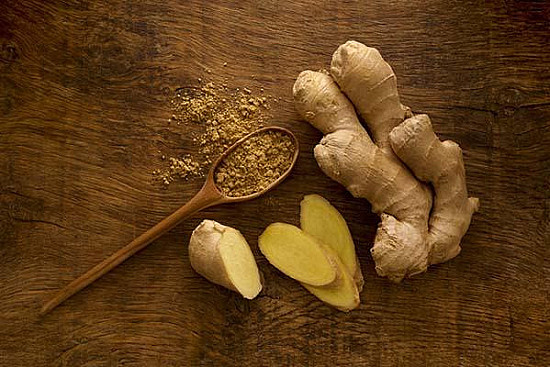
Add grated fresh ginger or powdered ginger to plant-based oatmeal with fruits, nuts, and seeds. This warming breakfast promotes digestion, balances blood sugar, and provides sustained energy throughout the morning.
5. Ginger-Enhanced Smoothie Bowl
Blend frozen mango, banana, spinach, and fresh ginger for a refreshing smoothie bowl. Top with chia seeds, berries, and coconut flakes for a nutrient-dense, gut-friendly meal.
6. Pickled Ginger Side Dish
Serve pickled ginger with steamed vegetables, rice bowls, or salads. Its tangy, spicy flavor complements plant-based meals and supports digestive comfort after larger meals.
Tips for Maximizing Ginger’s Digestive Benefits
- Use fresh ginger when possible: Fresh ginger contains the highest levels of gingerols, which are most effective for digestion.
- Combine with warm liquids: Drinking ginger tea or adding ginger to soups enhances its soothing effects on the digestive tract.
- Pair with healthy fats: Some digestive compounds in ginger are fat-soluble, so cooking with small amounts of olive or coconut oil can improve absorption.
- Moderation: While ginger is safe for most people, excessive consumption may cause mild digestive upset in sensitive individuals. Using moderate amounts in daily cooking is effective and safe.
Conclusion
Ginger is a remarkable plant-based ingredient with powerful digestive benefits. Its active compounds, such as gingerols and shogaols, help relieve nausea, stimulate digestive enzymes, reduce inflammation, alleviate bloating, and support a healthy gut microbiome. Beyond its health benefits, ginger’s versatility in the kitchen allows it to enhance the flavor, aroma, and nutritional value of countless plant-based meals.
From teas and smoothies to soups, stir-fries, and baked goods, ginger can be creatively incorporated into daily diets to improve digestive comfort and promote overall wellness. Its unique combination of flavor and medicinal properties makes it a valuable addition to plant-based kitchens worldwide.
Embracing ginger as a dietary staple not only enriches culinary experiences but also provides a natural, effective way to support digestion and overall health. By understanding how to use ginger creatively, individuals can enjoy both the taste and therapeutic benefits of this timeless root, making it an essential superfood for modern plant-based lifestyles.