
Nuts are small but mighty foods that have been consumed for thousands of years for both their taste and health benefits. Packed with healthy fats, protein, vitamins, minerals, and antioxidants, nuts are a cornerstone of plant-based diets and are recognized globally for their role in promoting overall wellness. This article explores the numerous benefits of nuts and provides practical guidance on selecting the right ones to maximize nutritional advantages.
Nutritional Profile of Nuts
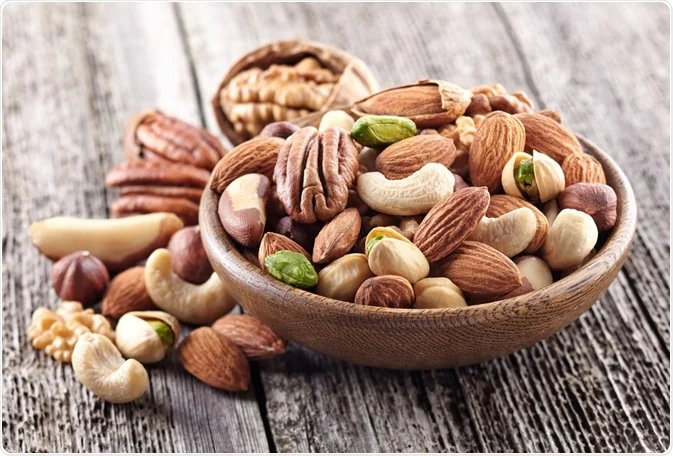
Nuts are nutrient-dense foods that provide a wide range of essential nutrients in a small serving. Although high in calories due to their fat content, the majority of the fats are unsaturated, which are beneficial for heart health. Common nutrients found in nuts include:
- Monounsaturated and polyunsaturated fats: Help reduce bad cholesterol levels and support heart health.
- Protein: Essential for muscle repair and overall body function, particularly valuable in plant-based diets.
- Fiber: Supports digestive health, promotes satiety, and helps regulate blood sugar.
- Vitamins and minerals: Nuts provide vitamin E, B-vitamins, magnesium, potassium, selenium, and zinc, all of which are crucial for overall health.
- Antioxidants: Compounds such as polyphenols protect cells from oxidative stress and inflammation.
Different nuts have slightly different nutrient profiles, so including a variety in your diet ensures a broad spectrum of health benefits.
Health Benefits of Nuts
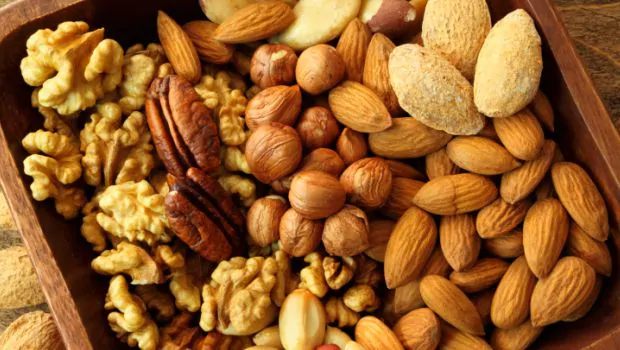
1. Heart Health
Nuts are widely recognized for their cardiovascular benefits. Regular consumption is associated with reduced risk of heart disease due to their high content of healthy fats, fiber, and antioxidants. Monounsaturated fats help lower LDL cholesterol (bad cholesterol) while maintaining or increasing HDL cholesterol (good cholesterol). Nuts also contain arginine, an amino acid that helps improve blood vessel function and reduce inflammation, further supporting heart health.
2. Weight Management
Despite being calorie-dense, nuts can support healthy weight management. The combination of fiber, protein, and healthy fats promotes satiety, reducing overall calorie intake. Studies have shown that people who regularly consume nuts tend to have healthier body weights and lower waist circumferences than those who avoid them. Including moderate portions of nuts in plant-based diets can help maintain weight without compromising nutrition.
3. Brain Health
Nuts, especially walnuts, are rich in omega-3 fatty acids and antioxidants that support brain health. These nutrients improve cognitive function, memory, and mood while reducing the risk of age-related neurodegenerative diseases. Vitamin E, found in almonds and hazelnuts, also protects brain cells from oxidative stress, which is a factor in cognitive decline.
4. Blood Sugar Control
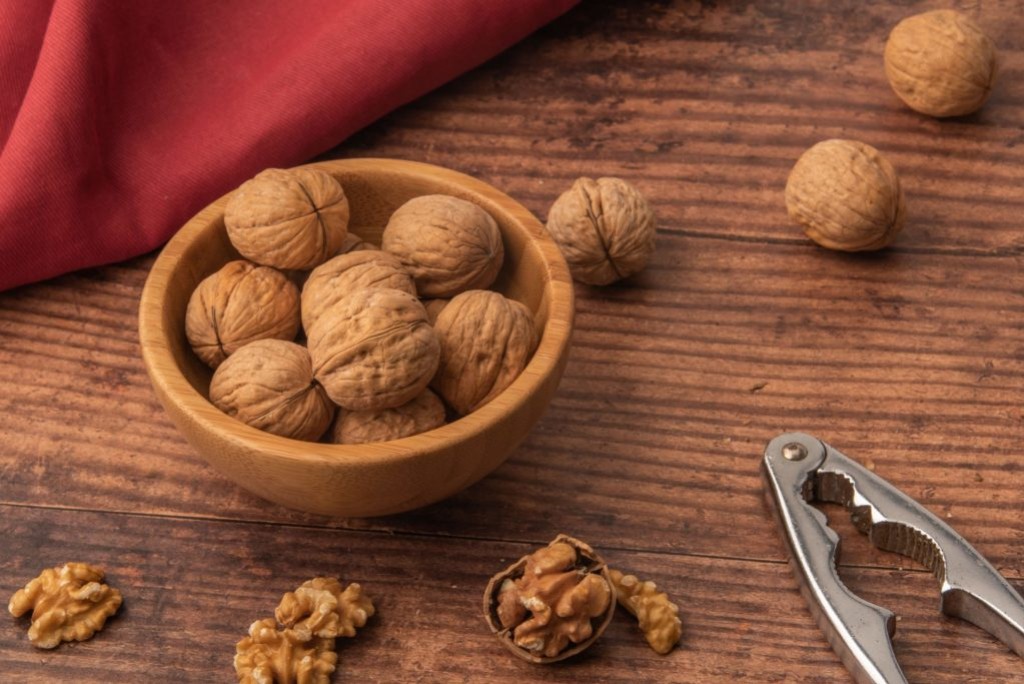
Nuts have a low glycemic index and can help regulate blood sugar levels. The combination of healthy fats, fiber, and protein slows the absorption of glucose into the bloodstream, making nuts a valuable addition to plant-based diets for individuals managing diabetes or insulin resistance.
5. Digestive Health
The fiber content in nuts supports healthy digestion by promoting regular bowel movements and nourishing beneficial gut bacteria. A healthy gut microbiome is essential for nutrient absorption, immune function, and overall well-being. Including a variety of nuts in the diet contributes to a balanced gut ecosystem.
6. Bone Health
Certain nuts, such as almonds and cashews, are excellent sources of magnesium, phosphorus, and calcium, all of which are essential for strong bones. Regular consumption of these nuts can support bone density and help prevent age-related bone loss.
7. Anti-Inflammatory Properties
Chronic inflammation is linked to numerous diseases, including heart disease, diabetes, and arthritis. Nuts contain antioxidants and polyphenols that reduce inflammation and oxidative stress, promoting long-term health. Walnuts, pecans, and almonds are particularly rich in these compounds.
How to Choose the Right Nuts
Choosing the right nuts depends on both nutritional goals and taste preferences. Here are some guidelines:
1. Opt for Raw or Dry-Roasted Nuts
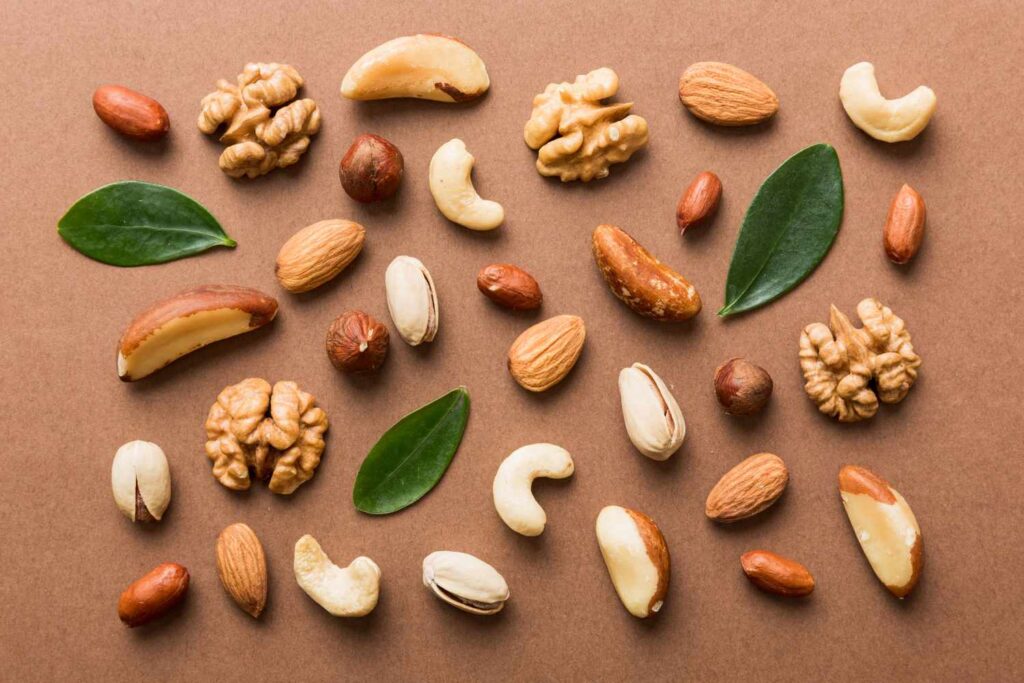
Raw or dry-roasted nuts retain more nutrients and healthy fats compared to oil-roasted varieties. Oil-roasted nuts may contain added unhealthy fats or excess salt, which can diminish their health benefits.
2. Avoid Salted and Sugary Varieties
Salted or flavored nuts can contribute to high sodium intake or added sugars. Excess sodium can increase blood pressure, while added sugars reduce the overall nutritional value of the nuts. Choosing unsalted, natural nuts is the healthiest option.
3. Consider Nutrient Content
Different nuts provide specific nutrients:
- Almonds: High in vitamin E, magnesium, and calcium.
- Walnuts: Rich in omega-3 fatty acids and antioxidants.
- Cashews: Good source of magnesium, copper, and iron.
- Pistachios: High in fiber and plant protein.
- Hazelnuts: Rich in vitamin E and healthy fats.
- Brazil nuts: Excellent source of selenium, which supports thyroid health.
Including a variety ensures a well-rounded intake of nutrients.
4. Portion Control
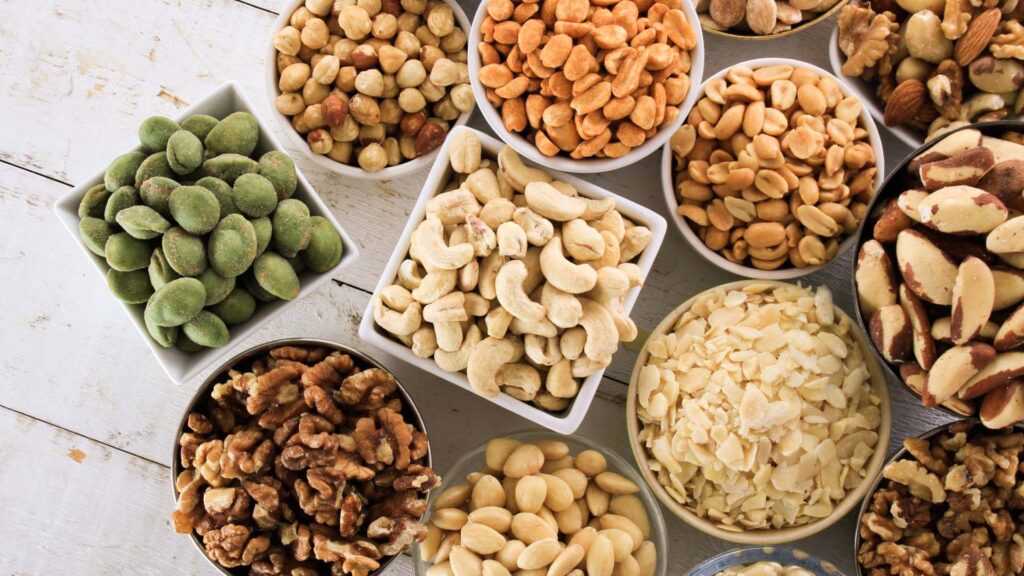
Despite their benefits, nuts are calorie-dense, so portion control is important. A standard serving is about 28 grams (approximately a small handful) per day. Consuming a variety of nuts in moderation provides optimal health benefits without excessive calorie intake.
5. Storage Tips
To maintain freshness and prevent rancidity, store nuts in airtight containers in a cool, dark place. Refrigeration or freezing extends shelf life, particularly for nuts high in unsaturated fats such as walnuts and pine nuts.
Creative Ways to Include Nuts in Plant-Based Meals
Nuts are incredibly versatile and can enhance both flavor and nutrition in plant-based dishes:
1. Breakfast
Add chopped nuts to oatmeal, smoothies, or plant-based yogurt. They provide crunch, flavor, and protein to start the day with sustained energy.
2. Salads
Sprinkle almonds, walnuts, or pecans on salads for texture, healthy fats, and micronutrients. Nuts pair well with leafy greens, fruits, seeds, and plant-based dressings.
3. Snacks
Enjoy nuts as a quick snack or combine them with dried fruits for a nutritious trail mix. Nuts provide satiety and energy between meals.
4. Nut Butters
Almond, cashew, or peanut butter can be used in spreads, smoothies, or sauces. Natural nut butters without added sugars or oils retain maximum nutritional value.
5. Baking
Chopped nuts enhance baked goods such as muffins, breads, and energy bars. They add flavor, texture, and additional nutrients to plant-based desserts.
6. Plant-Based Protein
Nuts can serve as a protein source in grain and legume bowls, providing essential amino acids and healthy fats. For example, a quinoa salad with cashews and roasted vegetables is both satisfying and nutrient-dense.
7. Sauces and Dressings
Blend nuts into plant-based sauces, pesto, or salad dressings. Cashews or almonds create creamy textures without the need for dairy.
Conclusion
Nuts are a nutrient-rich, versatile, and delicious addition to plant-based diets. They provide heart-healthy fats, protein, fiber, vitamins, minerals, and antioxidants, supporting cardiovascular health, brain function, digestive comfort, blood sugar regulation, and bone strength. Selecting the right nuts—raw or dry-roasted, unsalted, and nutrient-dense—ensures optimal health benefits while avoiding excess sodium or added sugars.
Incorporating a variety of nuts into meals, snacks, and recipes allows individuals to enjoy their unique flavors and textures while enhancing overall nutrition. From breakfast and salads to baked goods and plant-based sauces, nuts offer endless culinary possibilities.
By understanding the health benefits and making informed choices, nuts can be a powerful tool for achieving long-term wellness. Their combination of taste, nutrition, and functional properties truly makes them a superfood for plant-based lifestyles.