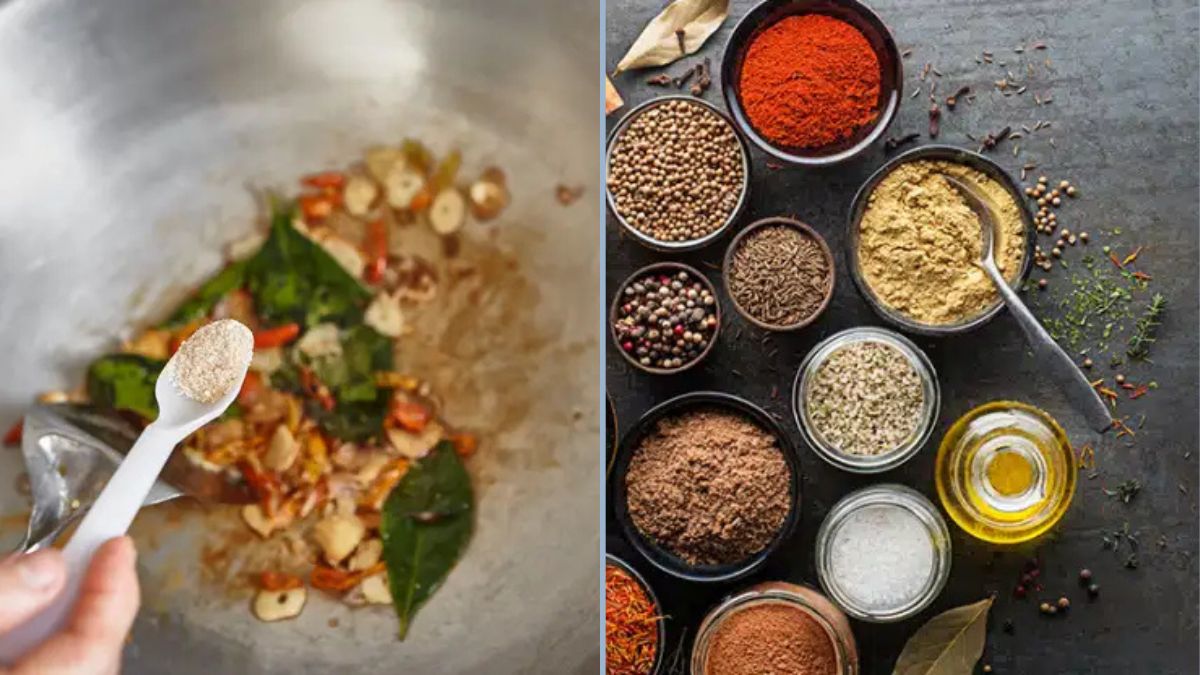
Spices have been celebrated for centuries for their ability to transform the flavor of food while providing powerful health benefits. From the warmth of cinnamon and the heat of chili peppers to the earthy aroma of turmeric and cumin, spices are nutrient-rich, bioactive compounds that enhance both taste and wellness. Incorporating spices into plant-based diets not only makes meals more enjoyable but also supports overall health by reducing inflammation, improving digestion, and providing antioxidants. This article explores the benefits of spices and practical ways to use them to maximize both flavor and health.
Nutritional and Medicinal Value of Spices
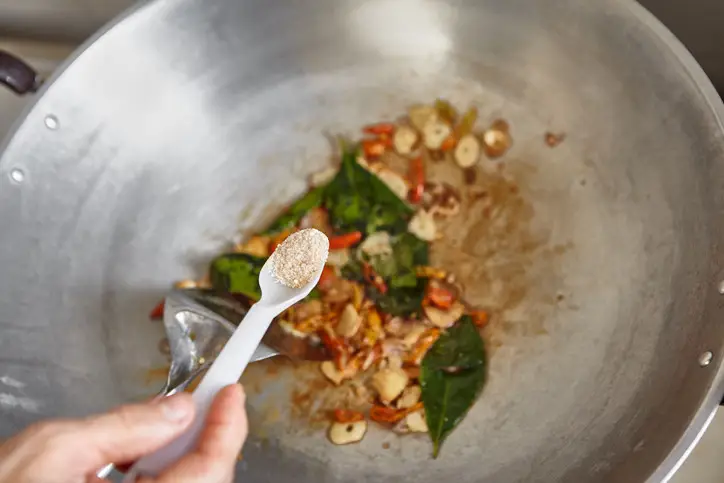
Spices are derived from seeds, bark, roots, fruits, or flowers of plants. They are concentrated sources of bioactive compounds, including polyphenols, flavonoids, and essential oils. These compounds provide antioxidant, anti-inflammatory, antimicrobial, and digestive benefits. While spices are used in small quantities, their potent bioactive properties can have significant health impacts when used consistently in the diet.
Common health-promoting compounds in spices include:
- Curcumin (in turmeric): Anti-inflammatory, antioxidant, supports brain and heart health.
- Gingerol (in ginger): Relieves nausea, supports digestion, reduces inflammation.
- Cinnamaldehyde (in cinnamon): Improves blood sugar regulation, has antimicrobial effects.
- Capsaicin (in chili peppers): Boosts metabolism, supports cardiovascular health.
- Allicin (in garlic): Supports immunity, cardiovascular function, and reduces inflammation.
Health Benefits of Spices

1. Anti-Inflammatory Effects
Many chronic diseases, including heart disease, diabetes, and arthritis, are associated with low-grade inflammation. Spices such as turmeric, ginger, garlic, and cloves contain compounds that reduce inflammation by modulating inflammatory pathways. Regular use of these spices in plant-based meals can support long-term health and reduce the risk of chronic conditions.
2. Antioxidant Properties
Oxidative stress, caused by an imbalance between free radicals and antioxidants, contributes to aging and chronic diseases. Spices like cinnamon, turmeric, paprika, and oregano are rich in antioxidants that neutralize free radicals, protecting cells and tissues from damage. Including a variety of spices in daily meals enhances antioxidant intake naturally.
3. Digestive Health
Spices stimulate digestive enzymes and improve gastrointestinal function. Ginger, cumin, fennel, and coriander reduce bloating, gas, and indigestion while supporting nutrient absorption. Spices like chili and black pepper can also increase metabolism and improve overall digestive efficiency.
4. Cardiovascular Benefits

Several spices support heart health by improving circulation, reducing cholesterol, and regulating blood pressure. Garlic, turmeric, cinnamon, and cayenne pepper are particularly effective for maintaining cardiovascular function. Their antioxidant and anti-inflammatory compounds help reduce the risk of heart disease and support long-term vascular health.
5. Blood Sugar Regulation
Cinnamon and fenugreek have been shown to improve insulin sensitivity and help regulate blood sugar levels. Regular inclusion of these spices in plant-based meals can aid in managing diabetes or preventing blood sugar spikes. Combining spices with fiber-rich foods such as legumes and whole grains enhances glycemic control.
6. Immune System Support
Many spices contain antimicrobial and antiviral compounds that strengthen the immune system. Garlic, turmeric, ginger, and cloves help protect against infections while reducing inflammation and oxidative stress. Including spices in plant-based meals provides a natural strategy to enhance immune function.
7. Cognitive Health
Certain spices, particularly turmeric and rosemary, support brain health. Curcumin in turmeric promotes the production of brain-derived neurotrophic factor (BDNF), which improves memory, learning, and cognitive function. Rosemary contains compounds that enhance circulation and protect brain cells from oxidative damage. Regular use of these spices may reduce the risk of cognitive decline.
How to Use Spices in Cooking
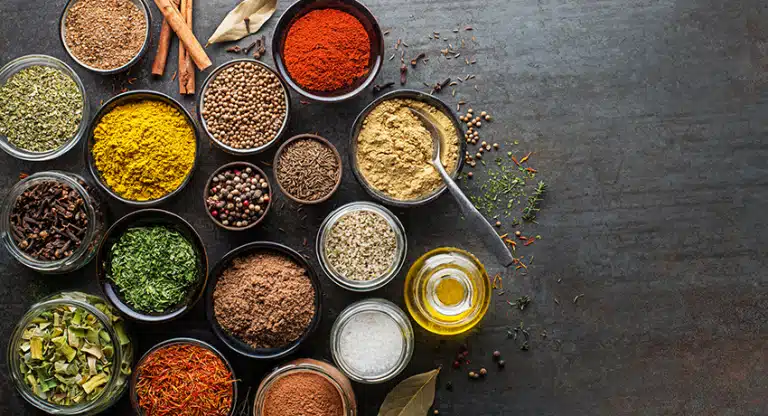
The flavor and health benefits of spices can be influenced by how they are prepared and combined. Understanding how to use spices effectively maximizes both their taste and nutritional value.
1. Toasting and Blooming Spices
Toasting whole spices like cumin, coriander, or fennel seeds in a dry pan before adding them to dishes enhances flavor and releases essential oils. Blooming spices in hot oil, such as turmeric, chili, or paprika, improves both taste and absorption of fat-soluble compounds like curcumin.
2. Pairing Spices with Healthy Fats
Some spice compounds, like curcumin in turmeric and capsaicin in chili, are fat-soluble, meaning they are better absorbed when combined with healthy fats. Cooking spices with olive oil, coconut oil, or nut-based oils ensures maximum bioavailability and adds richness to plant-based dishes.
3. Layering Flavors
Adding spices at different stages of cooking creates depth and complexity. For example, sautéing garlic and ginger at the beginning, adding turmeric and cumin mid-cook, and finishing with fresh herbs or a sprinkle of chili flakes at the end can elevate a simple vegetable stir-fry. Layering spices not only enhances flavor but also distributes health benefits throughout the dish.
4. Combining Complementary Spices
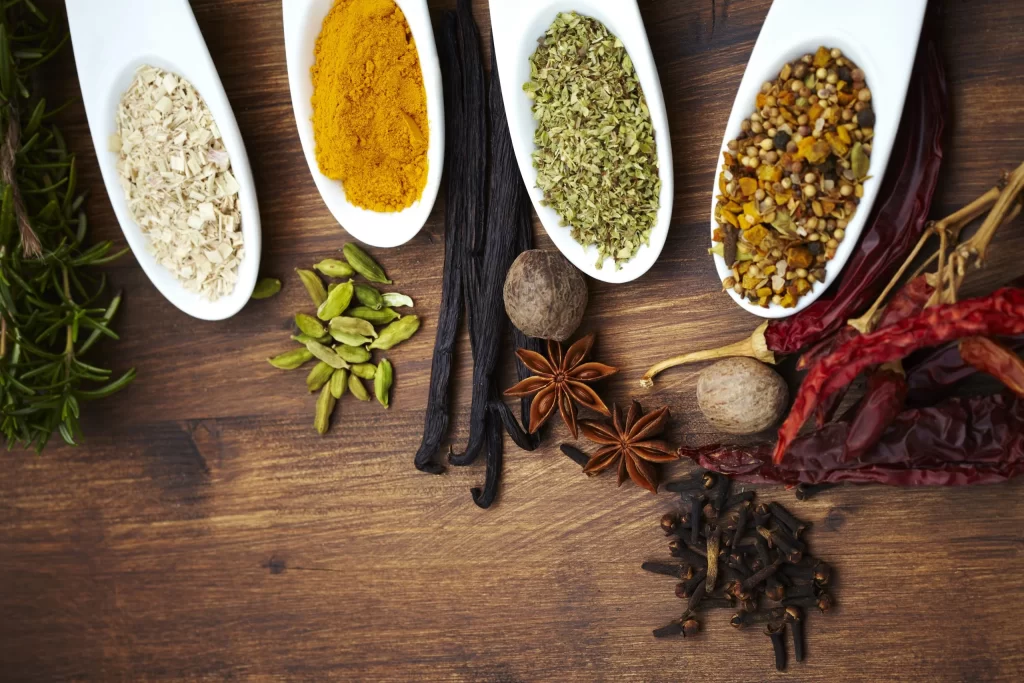
Certain spices work synergistically for both flavor and health. For example, turmeric with black pepper enhances curcumin absorption, while cinnamon and nutmeg complement each other in both sweet and savory dishes. Understanding spice combinations allows for delicious, nutrient-rich plant-based meals.
5. Using Spices in Beverages
Spices can also be incorporated into teas, smoothies, and plant-based milk beverages. Ginger and cinnamon tea aids digestion, while turmeric lattes (golden milk) provide anti-inflammatory and antioxidant benefits. Blending spices with fruits and plant-based milks creates flavorful and health-promoting drinks.
Creative Ways to Use Spices in Plant-Based Meals
1. Soups and Stews
Adding spices like cumin, coriander, turmeric, and chili powder to lentil, bean, or vegetable soups enhances flavor and health benefits. Simmering spices with vegetables infuses the broth with both taste and nutrients.
2. Grain and Legume Dishes
Incorporate spices such as paprika, turmeric, or garam masala into quinoa, rice, or couscous dishes. Combining spices with legumes like chickpeas, lentils, or black beans creates a balanced, protein-rich, and aromatic meal.
3. Roasted Vegetables
Toss vegetables with olive oil and spices like smoked paprika, cumin, turmeric, or chili powder before roasting. Spices caramelize during roasting, adding depth of flavor while preserving nutrients.
4. Plant-Based Sauces and Dips
Blend spices into hummus, tahini dressings, or creamy plant-based sauces. Garlic, paprika, turmeric, and cumin can elevate dips and dressings, making them both flavorful and health-promoting.
5. Smoothies and Breakfast Dishes
Add cinnamon, cardamom, or ginger to smoothies, oatmeal, or chia pudding for natural flavor and antioxidant benefits. These spices not only enhance taste but also provide anti-inflammatory and metabolic support.
6. Baking
Spices can be incorporated into plant-based baked goods such as muffins, breads, and energy bars. Cinnamon, nutmeg, cardamom, and ginger add flavor, antioxidants, and warmth to sweet and savory treats.
7. Marinades and Rubs
Spices can be used to create flavorful marinades and rubs for roasted vegetables or tofu. Combining spices with lemon juice, garlic, and olive oil infuses dishes with taste while enhancing nutrient content.
Tips for Selecting and Storing Spices
- Freshness: Choose high-quality spices with vibrant color and strong aroma. Whole spices retain flavor longer than pre-ground varieties.
- Storage: Store spices in airtight containers away from heat, light, and moisture to preserve potency.
- Grinding: Grind whole spices as needed to maintain flavor and maximize bioactive compounds.
- Combining thoughtfully: Pair spices to balance flavor and support absorption of key nutrients, such as turmeric with black pepper and healthy fats.
Conclusion
Spices are more than simple flavor enhancers—they are potent, nutrient-rich ingredients that provide a wide array of health benefits. From reducing inflammation and oxidative stress to supporting digestion, cardiovascular health, blood sugar regulation, immune function, and cognitive wellness, spices play a crucial role in plant-based diets.
Using spices creatively through toasting, layering, pairing with healthy fats, and combining synergistic flavors maximizes both taste and nutritional value. Whether added to soups, stews, grains, roasted vegetables, sauces, beverages, or baked goods, spices transform plant-based meals into flavorful, health-promoting dishes.
Embracing spices as a central component of cooking allows individuals to enhance both flavor and wellness naturally. From the warmth of cinnamon and ginger to the earthy aroma of turmeric and cumin, spices are powerful tools for elevating plant-based cuisine while supporting long-term health. They are not merely ingredients but superfoods that enrich meals and nourish the body in every bite.