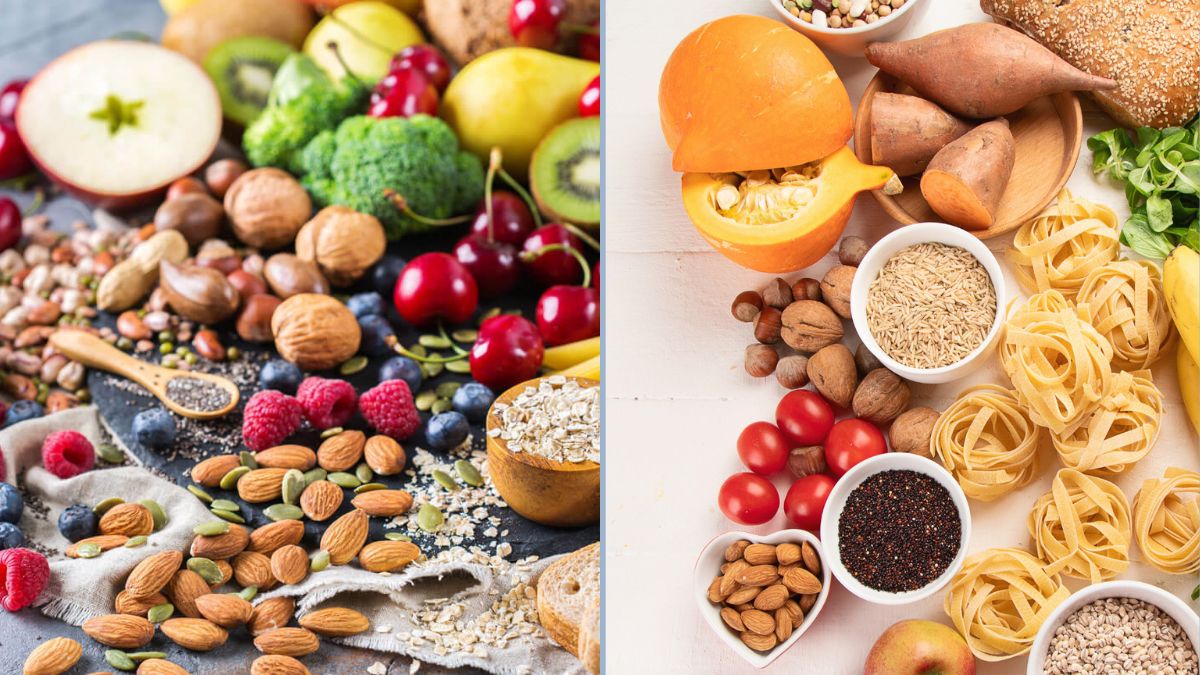
Whole foods—fruits, vegetables, whole grains, legumes, nuts, seeds, and minimally processed plant-based products—are the foundation of a healthy, balanced diet. Unlike highly processed foods, which are often stripped of nutrients and high in added sugars, salts, and unhealthy fats, whole foods provide natural nutrition in its most complete form. Incorporating whole foods into daily meals supports physical health, mental well-being, and long-term disease prevention. However, transitioning to a whole foods diet can seem challenging for many. This article explores the benefits of whole foods and offers practical strategies for a gradual, sustainable transition to a healthier lifestyle.
Nutritional and Health Benefits of Whole Foods
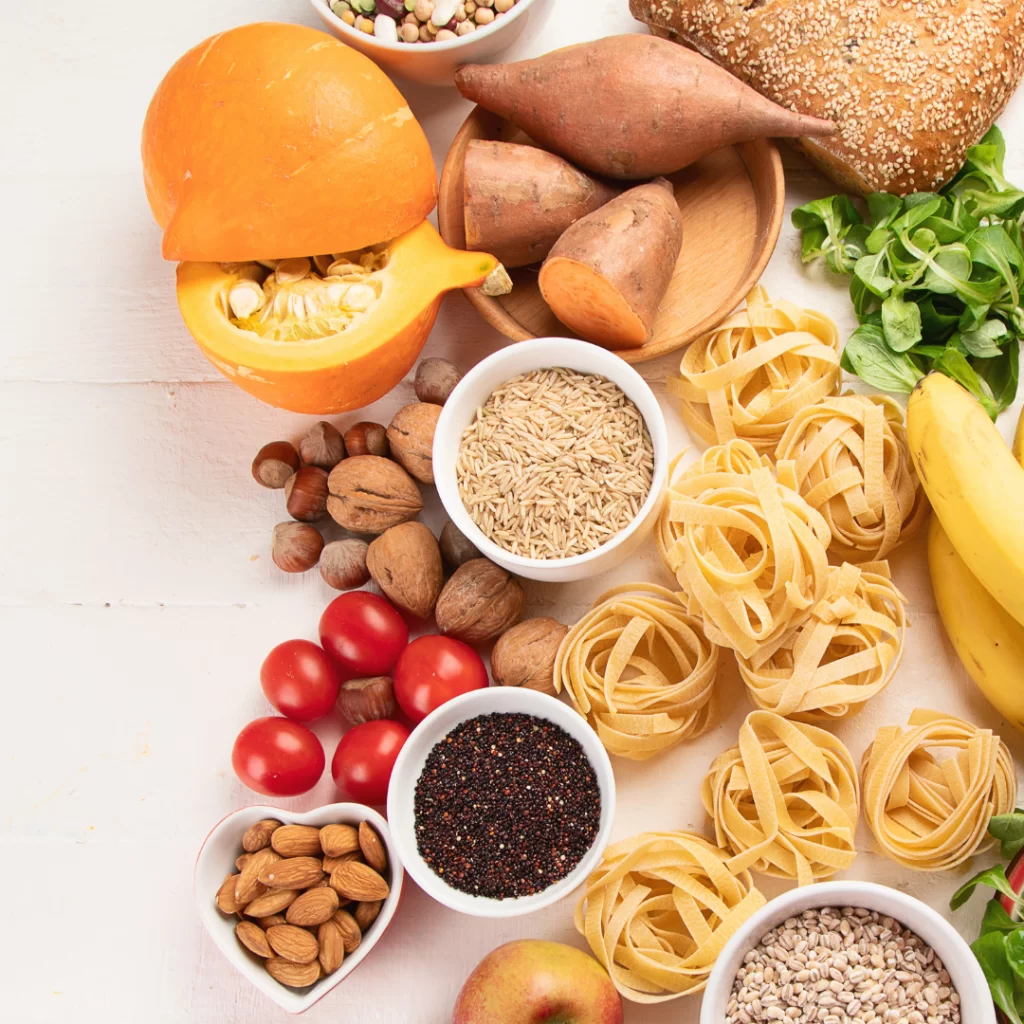
Whole foods are rich in essential nutrients, fiber, and bioactive compounds that work synergistically to promote overall wellness. The key components include:
- Vitamins and minerals: Whole foods provide abundant vitamins (A, C, E, K, and B-complex) and minerals (magnesium, potassium, calcium, and iron) that support metabolic processes, bone health, and immune function.
- Fiber: Soluble and insoluble fiber from fruits, vegetables, legumes, and whole grains supports digestion, promotes satiety, and helps regulate blood sugar and cholesterol levels.
- Healthy fats: Nuts, seeds, and avocados contain monounsaturated and polyunsaturated fats that improve heart health, brain function, and nutrient absorption.
- Plant-based protein: Legumes, nuts, seeds, and whole grains provide complete or complementary protein sources essential for muscle maintenance and repair.
- Phytonutrients and antioxidants: Bioactive compounds, such as polyphenols and carotenoids, protect cells from oxidative stress, reduce inflammation, and support disease prevention.
Key Health Benefits of Whole Foods
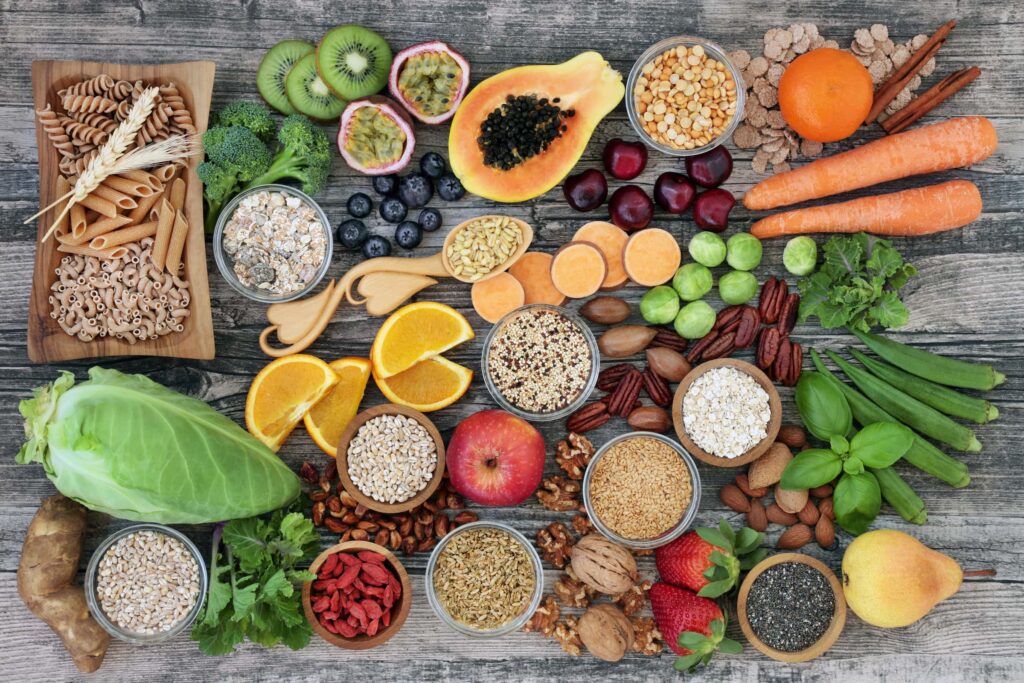
1. Heart Health
Whole foods are strongly associated with cardiovascular health. Diets rich in fruits, vegetables, whole grains, and nuts help lower LDL cholesterol, reduce blood pressure, and improve vascular function. Soluble fiber from oats, beans, and lentils binds to cholesterol, helping remove it from the body, while antioxidants in fruits and vegetables reduce oxidative stress on blood vessels. Regular consumption of whole foods reduces the risk of heart disease, stroke, and other cardiovascular conditions.
2. Weight Management
Whole foods naturally support healthy weight management. High in fiber and low in processed sugars, whole foods increase satiety, helping control appetite and prevent overeating. For example, a salad with leafy greens, legumes, seeds, and fresh vegetables provides a nutrient-dense meal that satisfies hunger while keeping calorie intake moderate. Unlike processed foods, whole foods deliver sustained energy without blood sugar spikes.
3. Digestive Health
Fiber is abundant in whole foods, aiding digestion and promoting regular bowel movements. Prebiotic fibers in foods like onions, garlic, bananas, and whole grains nourish beneficial gut bacteria, supporting a healthy microbiome. A balanced gut microbiome improves nutrient absorption, enhances immunity, and reduces digestive disorders such as bloating, constipation, and irritable bowel syndrome (IBS).
4. Blood Sugar Regulation
Whole foods, particularly complex carbohydrates from whole grains, legumes, and vegetables, are digested slowly, preventing rapid spikes in blood sugar. This helps regulate insulin levels and supports long-term metabolic health. Adding fiber-rich whole foods to meals can also reduce the risk of type 2 diabetes.
5. Bone Health
Whole foods provide essential nutrients for strong bones, including calcium, magnesium, potassium, and vitamin K. Leafy greens, almonds, sesame seeds, and fortified plant-based milks contribute to bone density and prevent age-related bone loss. A diet rich in whole foods supports skeletal health throughout life.
6. Immune System Support

Whole foods contain vitamins, minerals, and antioxidants that strengthen the immune system. Vitamin C-rich fruits and vegetables, zinc from legumes and seeds, and phytonutrients from colorful produce enhance immune defenses and reduce inflammation. Consistent intake of whole foods supports overall immunity and protects against illness.
7. Cognitive Health
Nutrients found in whole foods, such as omega-3 fatty acids from flaxseed and chia seeds, antioxidants from berries, and B-vitamins from whole grains, support brain function and cognitive health. These compounds reduce oxidative stress, improve circulation, and enhance memory and learning, lowering the risk of neurodegenerative diseases.
Challenges of Transitioning to a Whole Foods Diet
While the benefits are clear, moving from a diet rich in processed foods to one centered on whole foods can be challenging. Common barriers include:
- Taste preferences: Many people are accustomed to the salt, sugar, and fat in processed foods.
- Convenience: Processed foods are often quicker and easier to prepare.
- Cost perception: Whole foods, especially organic produce or specialty grains, may seem expensive.
- Knowledge gap: Some individuals are unsure how to cook or incorporate whole foods into meals creatively.
Addressing these challenges gradually ensures a sustainable transition and long-term adherence to a whole foods diet.
How to Transition Gradually to Whole Foods
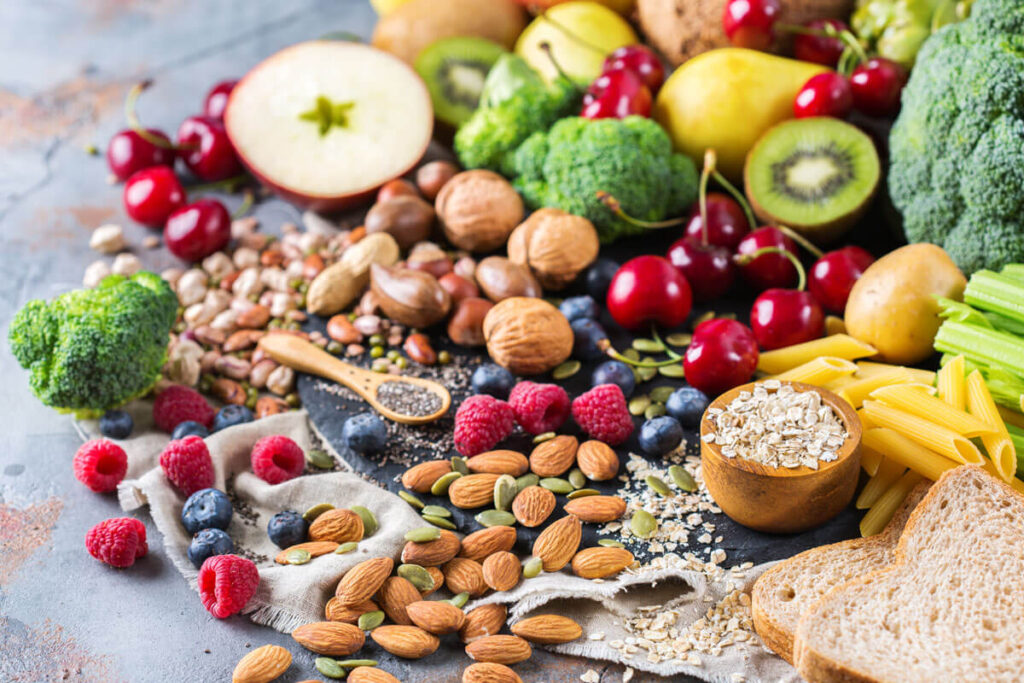
1. Start with Small Swaps
Begin by replacing processed foods with whole foods incrementally. For example, swap refined grains for whole grains (brown rice, quinoa, oats), replace sugary snacks with fruits and nuts, and use plant-based milks instead of sweetened dairy alternatives. Small changes create lasting habits without overwhelming the palate.
2. Add More Fruits and Vegetables
Increase the intake of colorful fruits and vegetables gradually. Aim to fill half your plate with plant-based produce at each meal. Smoothies, salads, roasted vegetables, and soups are simple ways to incorporate more produce.
3. Incorporate Whole Grains
Replace refined grains with whole grains slowly. Begin with oatmeal for breakfast, use whole-grain bread or pasta, and experiment with quinoa, barley, or bulgur in salads and side dishes. Whole grains improve fiber intake, provide sustained energy, and support gut health.
4. Include Legumes and Plant-Based Proteins
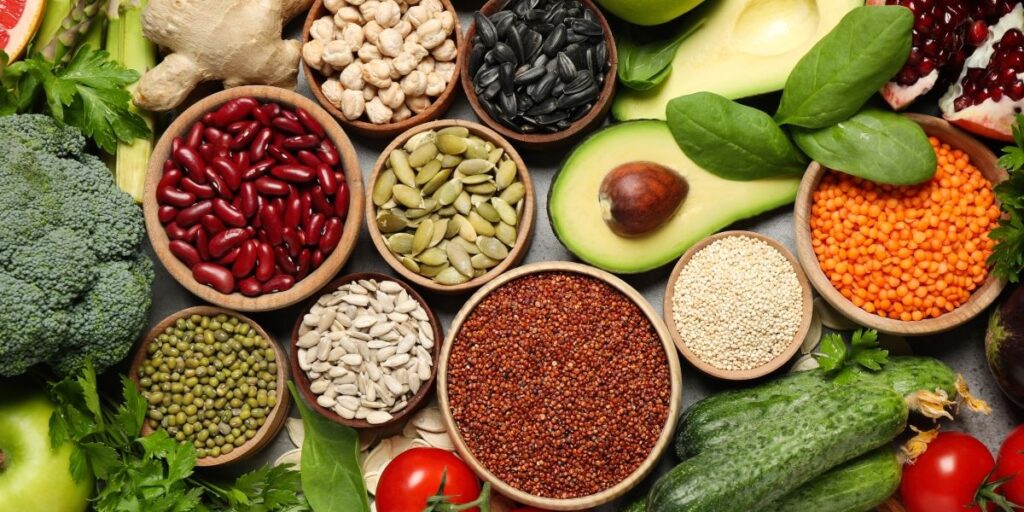
Legumes such as lentils, chickpeas, and black beans are nutrient-dense and versatile. Include them in soups, stews, salads, and grain bowls to provide protein, fiber, and essential minerals. Gradually replacing processed meats or protein-heavy packaged foods with legumes ensures a smoother transition.
5. Embrace Healthy Fats
Use nuts, seeds, avocados, and olive oil as primary fat sources. These fats support nutrient absorption and add flavor and satiety to meals. Start by replacing processed oils and spreads with natural, whole-food-based fats.
6. Reduce Processed Foods Gradually
Rather than eliminating processed foods entirely, reduce them step by step. Start with snacks, sugary beverages, and ready-made meals. Over time, whole foods become the default choice, making processed foods occasional rather than habitual.
7. Explore Flavorful Cooking Techniques
Enhance whole foods with herbs, spices, roasting, steaming, grilling, or sautéing. Experimenting with flavors and textures makes meals enjoyable and satisfying, helping reduce cravings for processed foods. For example, roasting chickpeas with paprika and garlic turns a simple legume into a crunchy, flavorful snack.
8. Meal Planning and Preparation
Plan meals ahead of time to ensure access to whole foods and reduce reliance on processed convenience foods. Batch cooking, freezing pre-prepped vegetables, and storing whole grains in portioned containers make whole foods convenient and accessible.
9. Educate Yourself
Learn about the nutritional benefits of various whole foods and how to prepare them. Understanding the health advantages can increase motivation and commitment to a whole foods lifestyle.
Creative Ways to Enjoy Whole Foods
- Smoothie Bowls: Blend spinach, kale, or berries with plant-based milk and top with seeds, nuts, and whole grains.
- Grain Bowls: Combine quinoa, roasted vegetables, legumes, avocado, and tahini for a nutrient-dense meal.
- Soups and Stews: Use lentils, beans, vegetables, and herbs for filling and wholesome dishes.
- Salads: Mix leafy greens, colorful vegetables, nuts, and seeds with a homemade olive oil and lemon dressing.
- Roasted Snacks: Roast chickpeas, sweet potatoes, or nuts with spices for a healthy snack alternative.
Conclusion
Whole foods are a cornerstone of optimal health, providing essential nutrients, fiber, antioxidants, and bioactive compounds that support heart health, weight management, digestion, immunity, cognitive function, and more. While transitioning to a whole foods diet may seem challenging, a gradual approach ensures sustainability and long-term adherence.
Starting with small swaps, increasing fruits, vegetables, legumes, and whole grains, and exploring flavorful cooking methods can make the transition enjoyable and satisfying. Whole foods are not just nutritious—they are versatile, delicious, and integral to a vibrant, plant-based lifestyle.
By embracing whole foods and reducing processed items, individuals can experience improved health, increased energy, and a more balanced diet. Gradual, mindful changes in eating habits create a lasting foundation for wellness, making whole foods both a practical and powerful approach to long-term health.