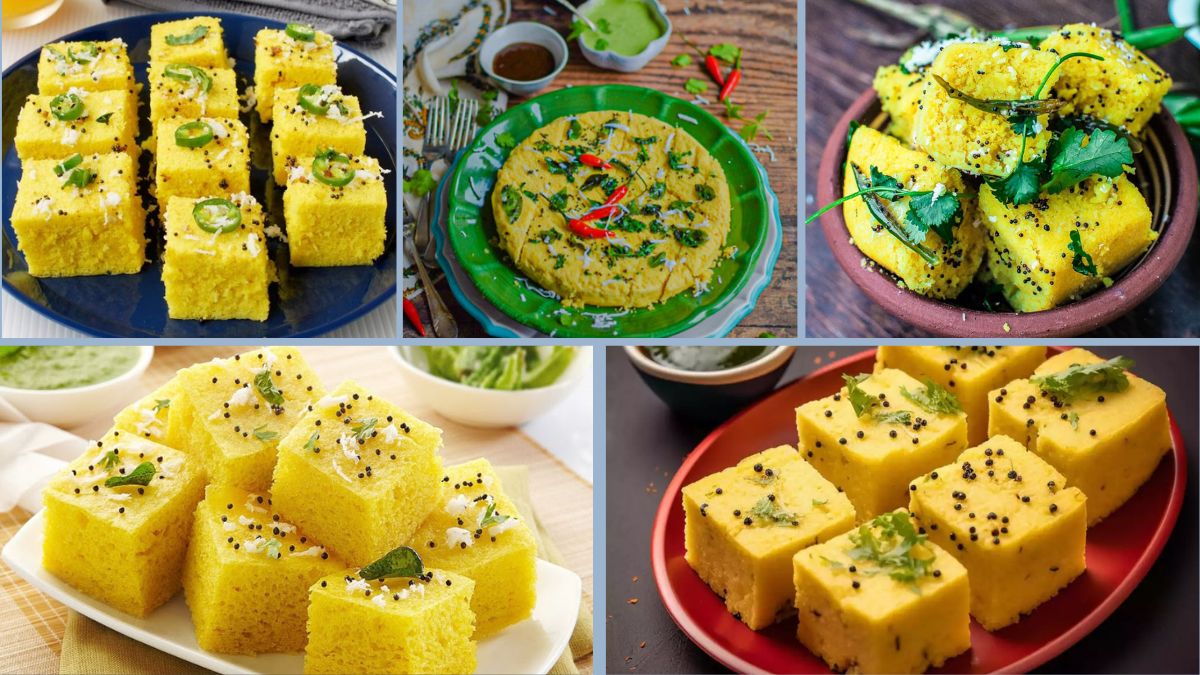
Dhokla is a quintessential snack from the Indian state of Gujarat, loved across the country for its light, fluffy texture and tangy, mildly sweet flavor. This steamed savory cake, made primarily from fermented batter of gram flour (besan) or rice and chickpea flour, is a vegetarian delight that is enjoyed as breakfast, snack, or even a party appetizer.
This article presents a 5-step guide to making dhokla at home that’s consistently fluffy and soft, without the need for complex fermentation techniques or any non-vegetarian ingredients. You’ll learn about ingredient selection, preparation, steaming techniques, and tempering, ensuring every bite melts in your mouth.
Step 1: Selecting and Preparing the Ingredients
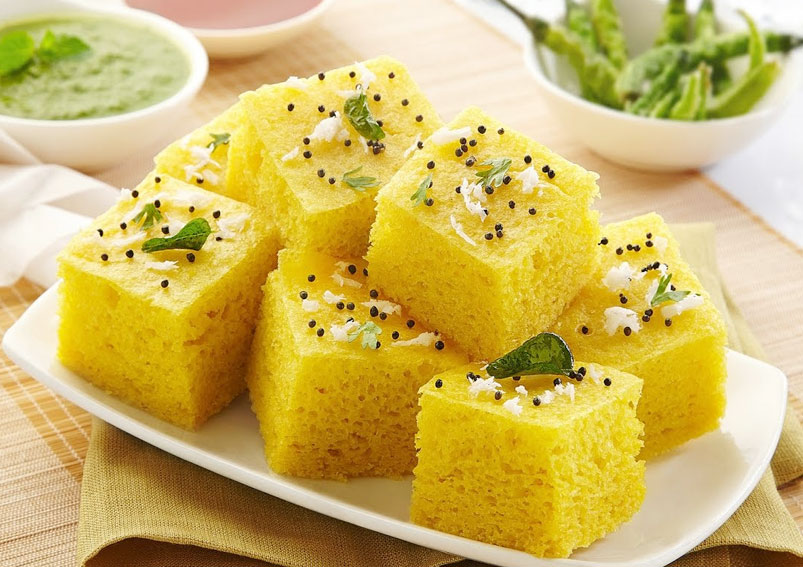
The foundation of perfect dhokla starts with fresh, quality ingredients. Traditionally, dhokla batter is made from fermented besan (gram flour), but this guide uses a quick-soaking method to prepare the batter without long fermentation, ensuring ease and speed.
Essential Ingredients:
- Gram flour (besan): 1 cup — preferably fresh and fine.
- Semolina (rava/sooji): ¼ cup — adds lightness and helps fluffiness.
- Yogurt (curd): ½ cup — provides natural acidity for rising.
- Water: To adjust batter consistency.
- Lemon juice or citric acid: For tanginess.
- Sugar: 1 teaspoon — balances sourness.
- Baking soda or Eno fruit salt: Key leavening agents to make dhokla airy.
- Salt: To taste.
Optional:
- Green chilies (finely chopped)
- Ginger (grated)
- Fresh coriander (chopped)
Step 2: Preparing the Batter
Quick Batter Preparation:
- In a mixing bowl, combine gram flour, semolina, and salt.
- Add yogurt and water gradually, stirring continuously to avoid lumps. The batter should be of pouring consistency, similar to pancake batter — neither too thick nor too thin.
- Stir in sugar and lemon juice (or a pinch of citric acid).
- Add finely chopped green chilies and ginger if desired for extra flavor.
- Cover and let the batter rest for 15-20 minutes to allow the semolina to soak and soften.
This resting time is crucial for batter hydration and improves the texture, even without traditional fermentation.
Step 3: Adding the Leavening Agent and Steaming
Leavening agents are vital to dhokla’s fluffiness.
- Just before steaming, add 1 teaspoon of baking soda or Eno fruit salt to the batter.
- Stir gently but quickly, as the batter will start to bubble and rise due to the release of carbon dioxide.
- Immediately pour the batter into a greased steaming dish or dhokla plate.
- Steam in a preheated steamer or pressure cooker (without whistle) for 15-20 minutes over medium heat.
- To check if dhokla is cooked, insert a toothpick or knife — it should come out clean.
Pro Tips:
- Avoid over-steaming; it can make dhokla dry.
- Do not open the steamer in the first 10 minutes to ensure proper rising.
Step 4: Preparing the Tempering (Tadka)
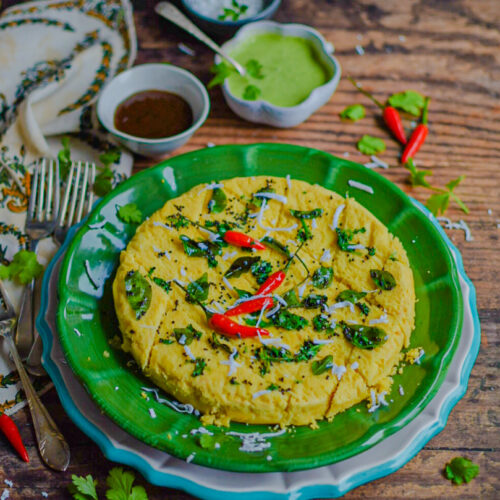
Tempering not only enhances the flavor but also adds a subtle crunch and aroma.
- Heat 2 tablespoons of oil in a small pan.
- Add 1 teaspoon mustard seeds and let them crackle.
- Add 1-2 dried red chilies and a pinch of asafoetida (hing).
- Add fresh curry leaves for a fragrant touch.
- Optionally, add grated ginger or green chilies for extra zest.
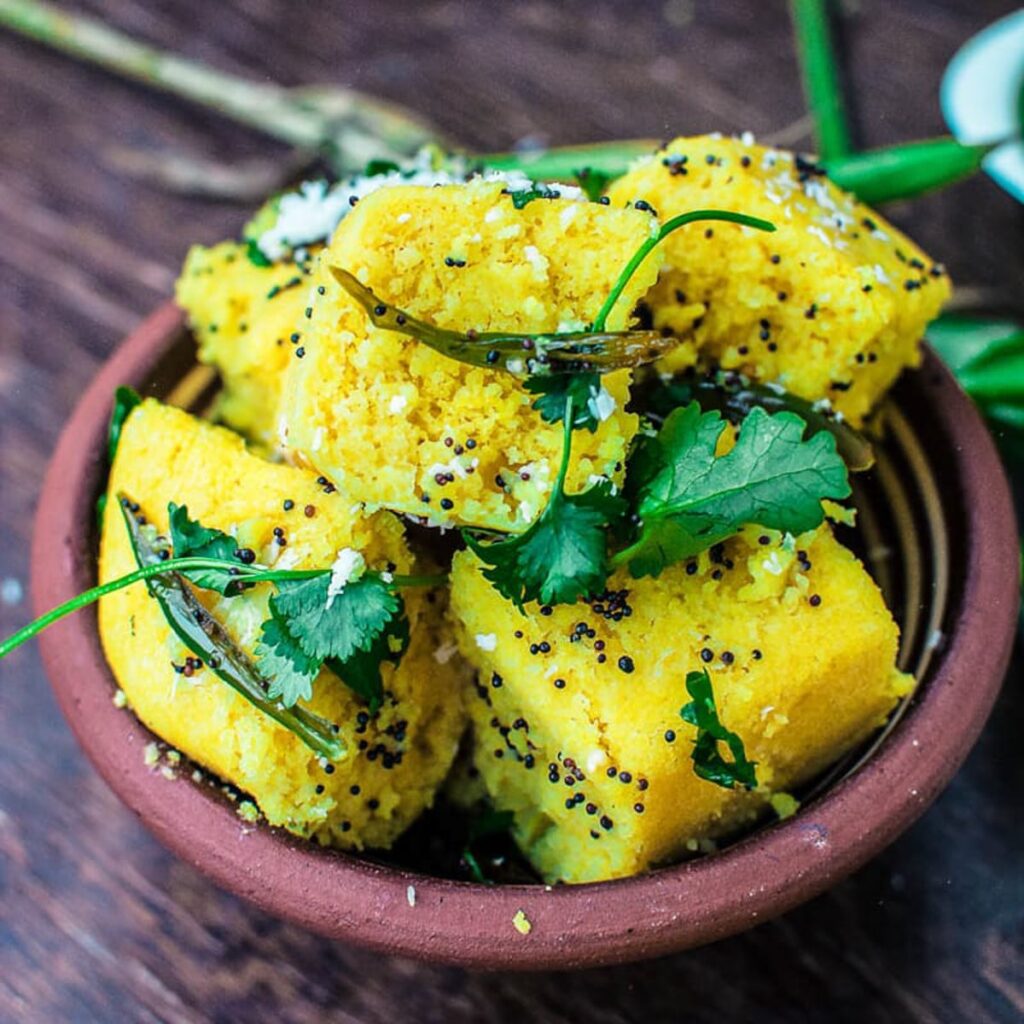
- Pour this tempering evenly over the steamed dhokla immediately after removing it from the steamer.
Step 5: Serving and Garnishing
- Allow the dhokla to cool slightly.
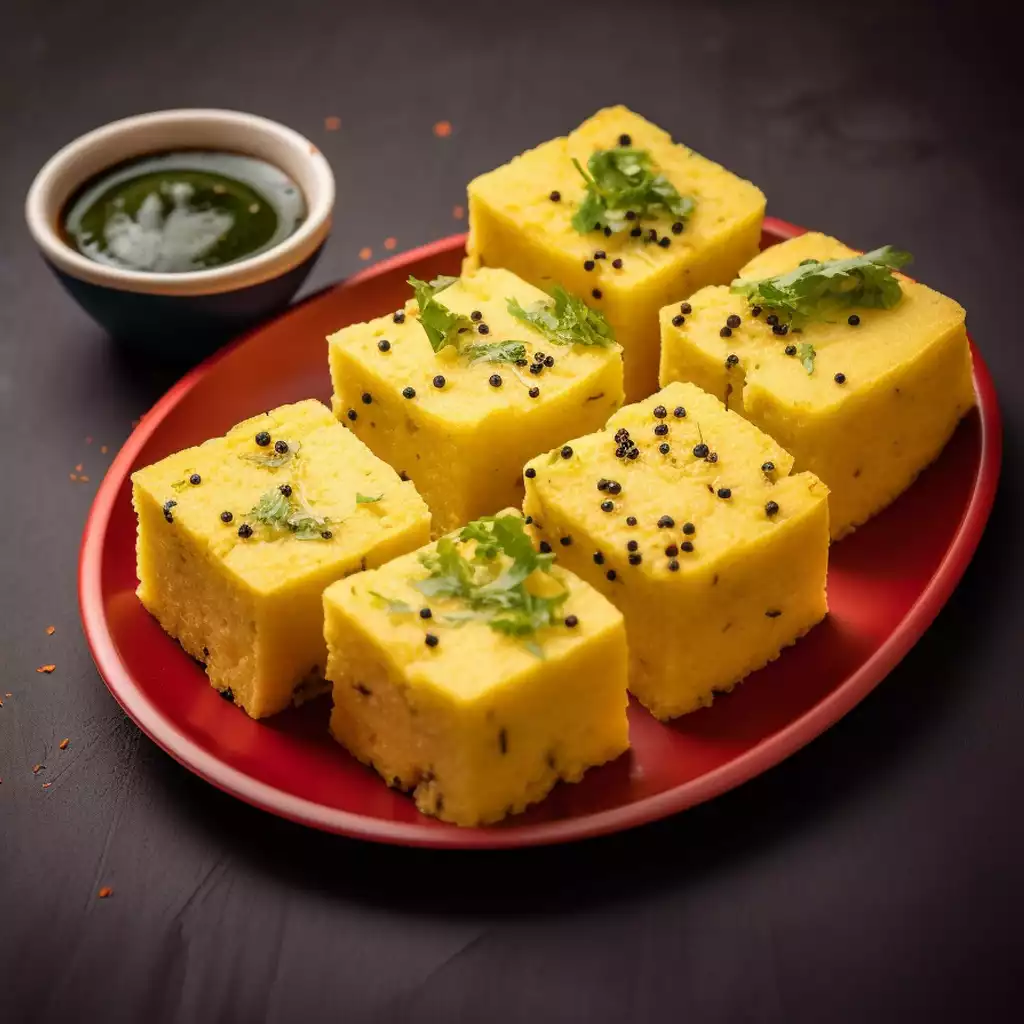
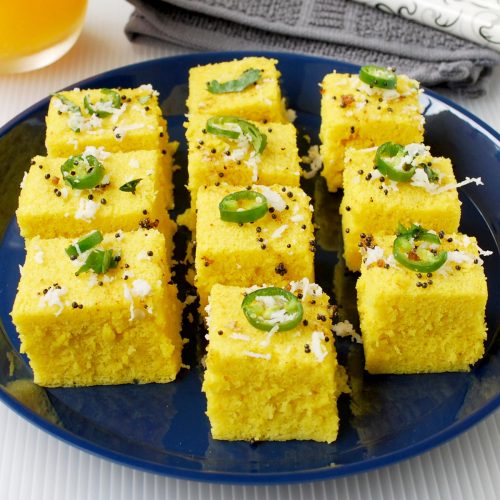
- Cut into squares or diamond shapes using a sharp knife.
- Garnish with freshly chopped coriander and freshly grated coconut (optional).
- Serve with green chutney (coriander-mint), sweet tamarind chutney, or both.
- Pair with a cup of hot chai for the perfect snack experience.
Additional Tips for Consistently Fluffy Dhokla
- Use fresh gram flour to avoid bitterness.
- Semolina adds a tender crumb but don’t overuse, or dhokla might become dense.
- Ensure the batter is lump-free for even steaming.
- Always add the leavening agent at the last minute.
- Maintain steady steam temperature for best rising.
- Avoid over-mixing once baking soda or Eno is added to preserve air bubbles.
Nutritional Benefits of Dhokla
- High in protein: Gram flour is rich in protein and fiber.
- Low fat: Steamed cooking reduces oil usage.
- Gluten-free: Suitable for gluten-sensitive individuals.
- Rich in iron and vitamins: Gram flour provides essential micronutrients.
- Probiotic benefits: Yogurt aids digestion.
Conclusion
Dhokla is a delightful, light, and fluffy snack that can be made quickly at home with simple vegetarian ingredients and minimal effort. Following these 5 easy steps ensures that your dhokla turns out perfectly soft every time, without relying on complex fermentation.
Whether for breakfast, snack time, or festive occasions, this recipe offers a quick, nutritious, and delicious option that embodies the essence of Gujarati cuisine. Enjoy the comforting textures and balanced flavors that make dhokla a timeless favorite across India and beyond.