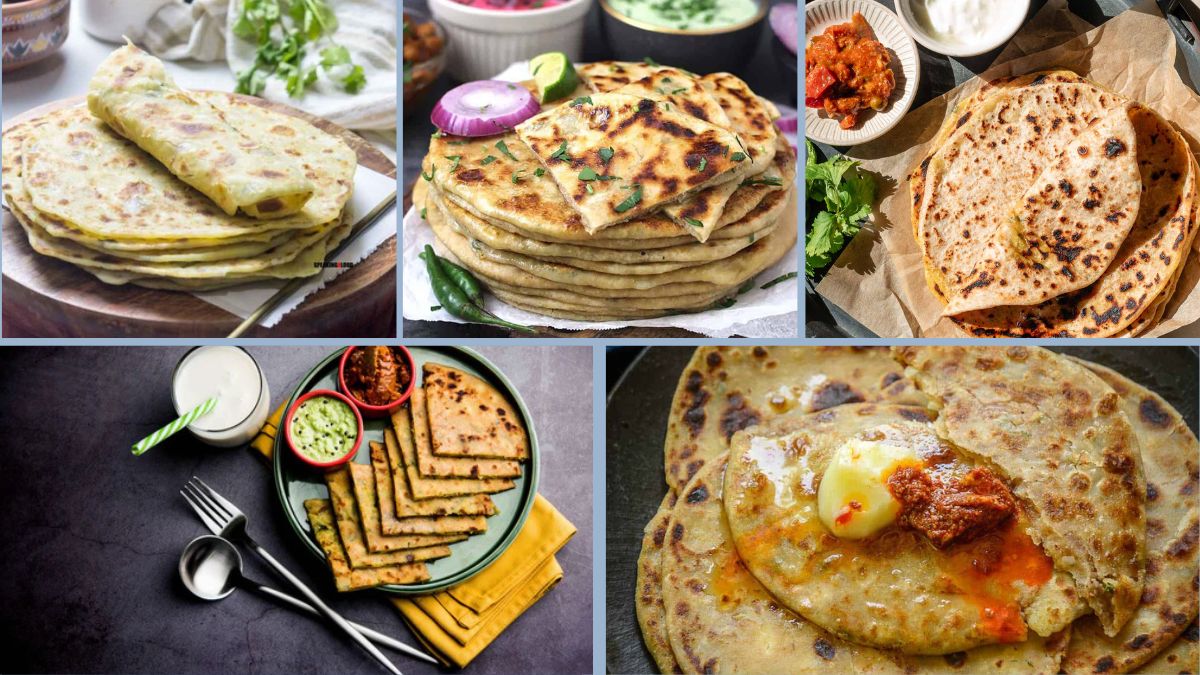
Aloo Paratha, a beloved Indian flatbread stuffed with a spiced potato filling, is a classic breakfast or meal choice enjoyed across the country and by Indian food lovers worldwide. Traditionally, aloo parathas are cooked with generous amounts of oil or ghee, which, while delicious, can sometimes make the dish heavy and less suitable for health-conscious individuals.
This article presents a 5-step recipe for making classic aloo paratha that is flavorful, soft, and satisfying but made with minimal oil. This lighter version preserves all the authentic tastes and textures without the unnecessary calorie overload, making it perfect for those seeking a healthier approach without compromising on tradition.
Step 1: Preparing the Dough – Soft and Elastic
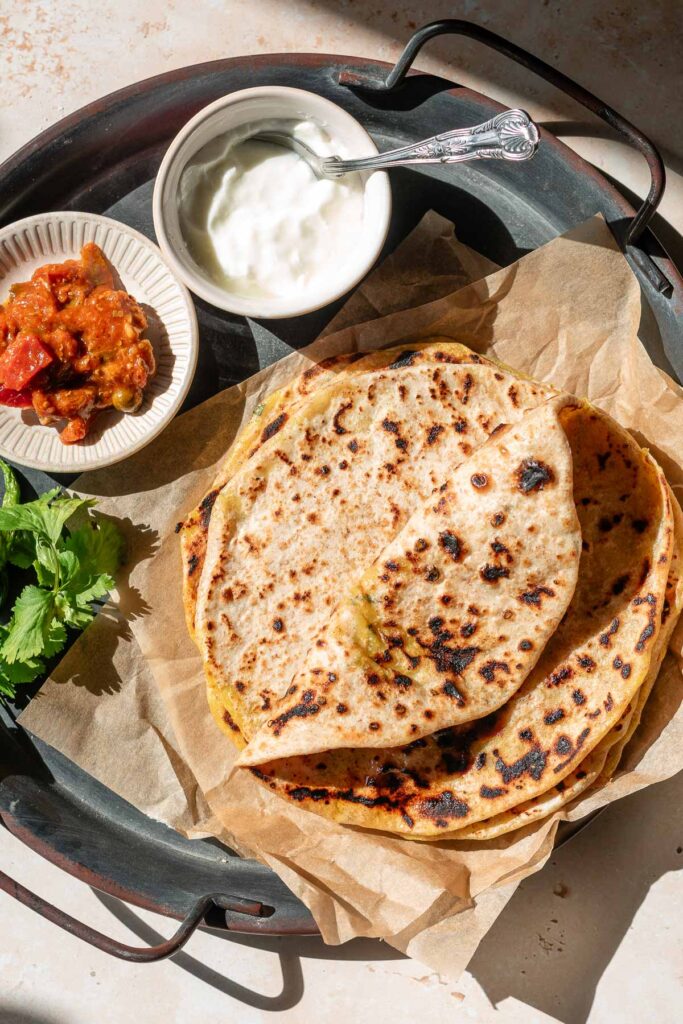
The base of any great paratha is the dough. Achieving a soft, pliable dough is essential for making perfectly layered and tender parathas.
Ingredients:
- Whole wheat flour – 2 cups
- Water – as needed
- Salt – ½ teaspoon
- A pinch of baking soda (optional, for extra softness)
Method:
- In a large mixing bowl, combine the wheat flour and salt.
- Gradually add water and knead the mixture until it forms a smooth, soft, and elastic dough.
- Cover the dough with a damp cloth and let it rest for 30 minutes. Resting helps the gluten develop, resulting in softer parathas.
Step 2: Preparing the Aloo (Potato) Filling – Flavorful and Moist
The filling is where the magic happens. A well-seasoned potato mixture brings the paratha to life.
Ingredients:
- Boiled potatoes – 3 medium-sized
- Green chilies – 1-2 finely chopped (adjust according to spice preference)
- Fresh coriander leaves – 2 tablespoons chopped
- Ginger – 1 teaspoon grated
- Cumin seeds – 1 teaspoon
- Red chili powder – ½ teaspoon
- Garam masala – ½ teaspoon
- Amchur powder (dry mango powder) – 1 teaspoon (for tanginess)
- Salt – to taste
Method:
- Peel and mash the boiled potatoes smoothly.
- In a bowl, combine mashed potatoes with chopped green chilies, coriander, grated ginger, and all the spices.
- Mix well to distribute the spices evenly. The filling should be moist but not watery.
Step 3: Assembling the Paratha – Rolling and Stuffing
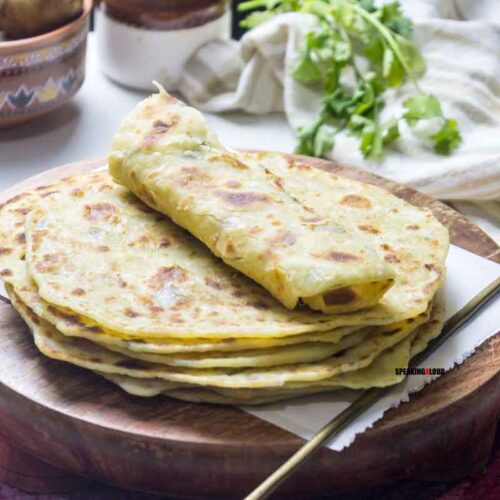
This step requires patience and practice to achieve thin, evenly stuffed parathas.
Method:
- Divide the dough into equal-sized balls (about lemon-sized).
- Roll each ball into a small circle about 4 inches in diameter.
- Place a spoonful of the potato filling in the center.
- Bring the edges together to seal the filling inside, pinching the dough to close completely.
- Gently flatten the stuffed ball and roll it out carefully into a circle of about 6-7 inches diameter. Use dry flour as needed to prevent sticking but avoid over-flouring.
Step 4: Cooking the Paratha – Minimal Oil, Maximum Flavor
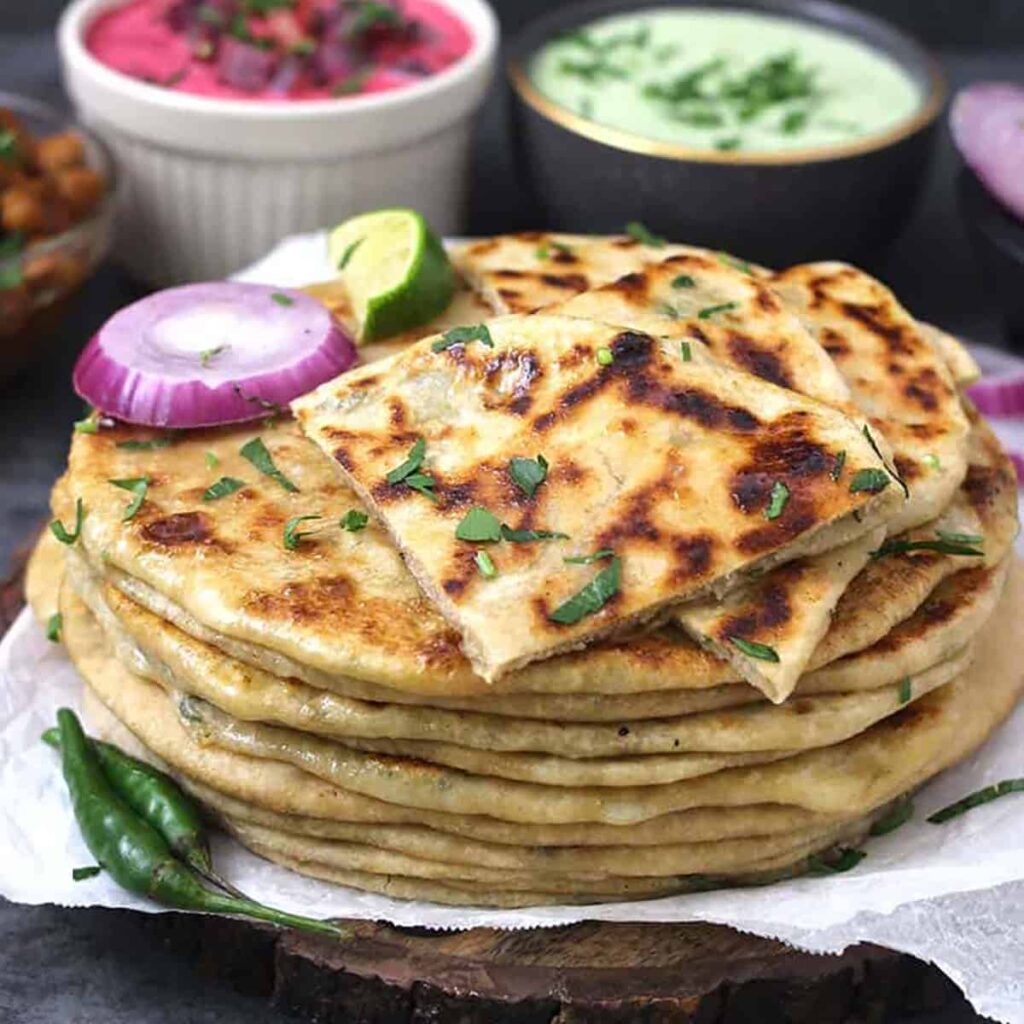
To avoid oil overload, use a non-stick pan and minimal oil, or use a brush to lightly coat the surface.
Method:
- Heat a non-stick tava or skillet over medium heat.
- Place the rolled paratha on the hot pan.
- Cook for about 30 seconds or until you see bubbles forming.
- Flip the paratha and lightly brush or spray a small amount of oil on the cooked side.
- Flip again, brush oil on the other side, and press gently with a spatula to cook evenly.
- Cook until both sides have golden brown spots and the paratha is cooked through.
- Repeat with remaining dough and filling.
Step 5: Serving Suggestions and Storage Tips
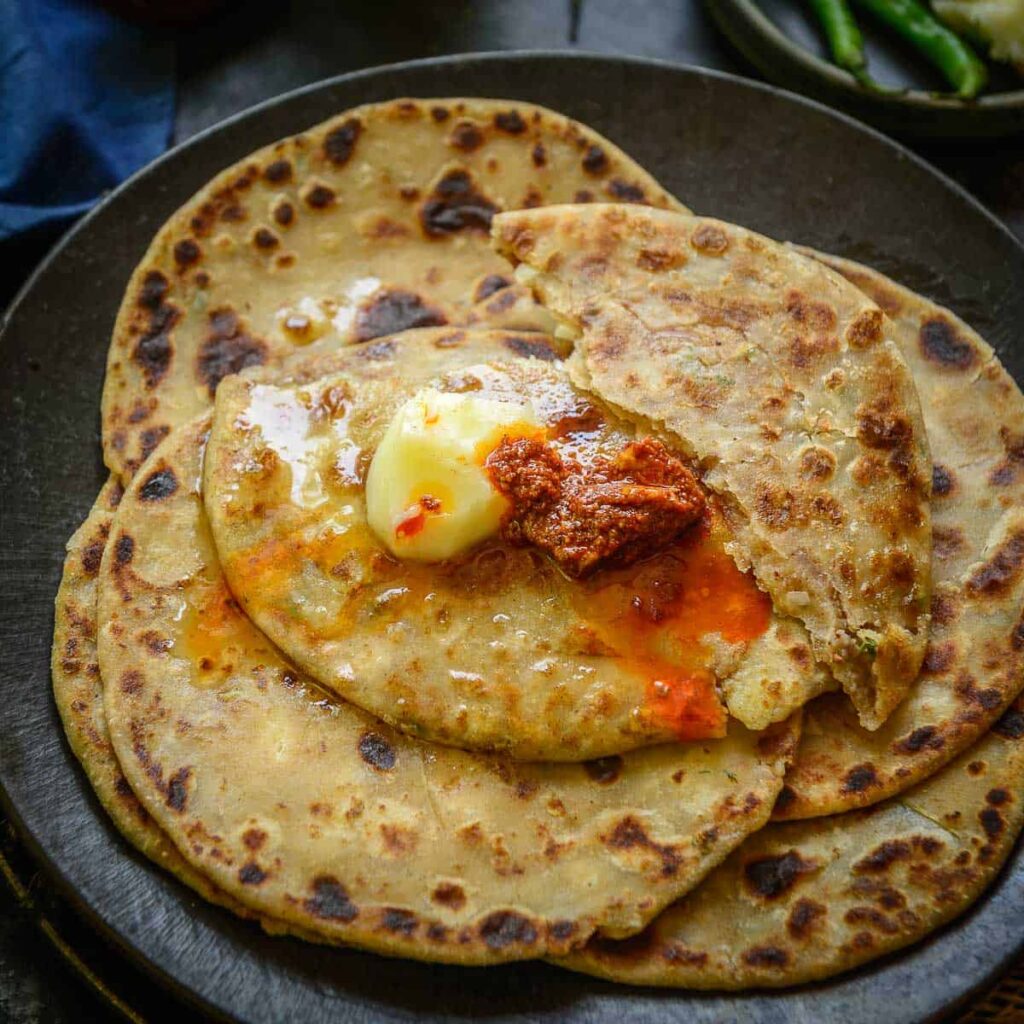
Serving:
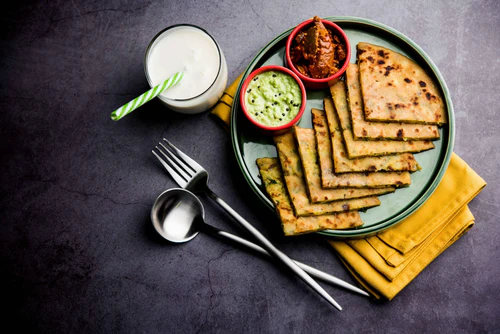
- Serve hot aloo parathas with a dollop of fresh homemade yogurt or raita.
- Accompany with pickle and a side of green chutney or butter if preferred.
- A glass of warm masala chai or buttermilk complements the meal perfectly.
Storage:
- Leftover parathas can be stored in an airtight container in the refrigerator for up to 2 days.
- Reheat on a hot tava or skillet with minimal oil to maintain softness.
- For longer storage, freeze parathas separated by parchment paper and thaw as needed.
Nutritional Benefits and Health Tips
- Whole wheat flour: Provides fiber, aiding digestion and promoting satiety.
- Potatoes: Rich in complex carbohydrates and essential vitamins like vitamin C and B6.
- Minimal oil: Reduces calorie content and keeps the dish light.
- Fresh herbs and spices: Add antioxidants and enhance flavor without calories.
- Avoids deep frying: Healthier than many other traditional fried breads.
Additional Tips:
- Using a non-stick pan is key to reducing oil use.
- Brushing oil instead of pouring helps control quantity.
- Experiment with alternative fillings like mashed cauliflower or mixed vegetables for variation.
Conclusion
Aloo Paratha is a comforting, flavorful dish that can be enjoyed regularly without guilt when prepared thoughtfully. This 5-step recipe demonstrates how to create classic aloo paratha with all the traditional flavors and textures but significantly reduced oil content. This approach caters to health-conscious individuals who refuse to compromise on taste or authenticity.
By mastering these steps, you can indulge in a delicious, nourishing meal that supports your well-being while delighting your taste buds.