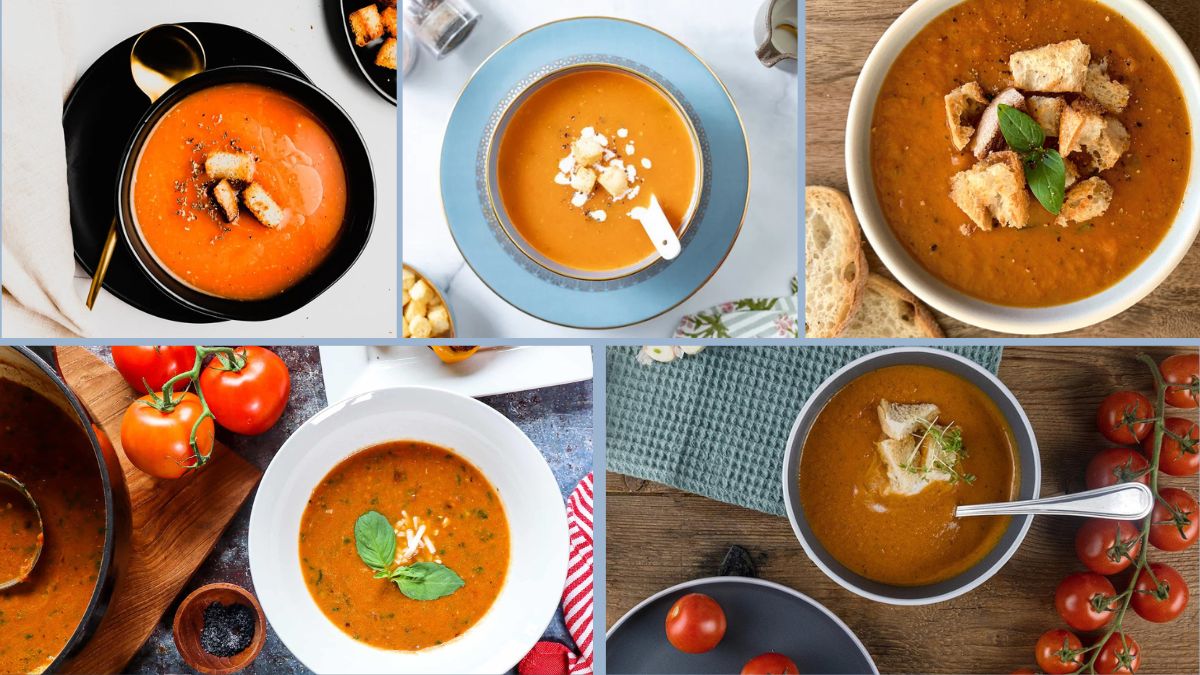
Tomato soup is a classic, comforting dish globally, valued for its simplicity and nutritional benefits. Adding an Indian twist introduces aromatic spices, enhancing flavor, aroma, and health properties. This paper presents a 5-step method for preparing quick, vegetarian tomato soup with Indian spices, focusing on taste, nutrition, and ease of preparation. The guide emphasizes natural ingredients, minimal processing, and techniques suitable for modern kitchens.
Introduction
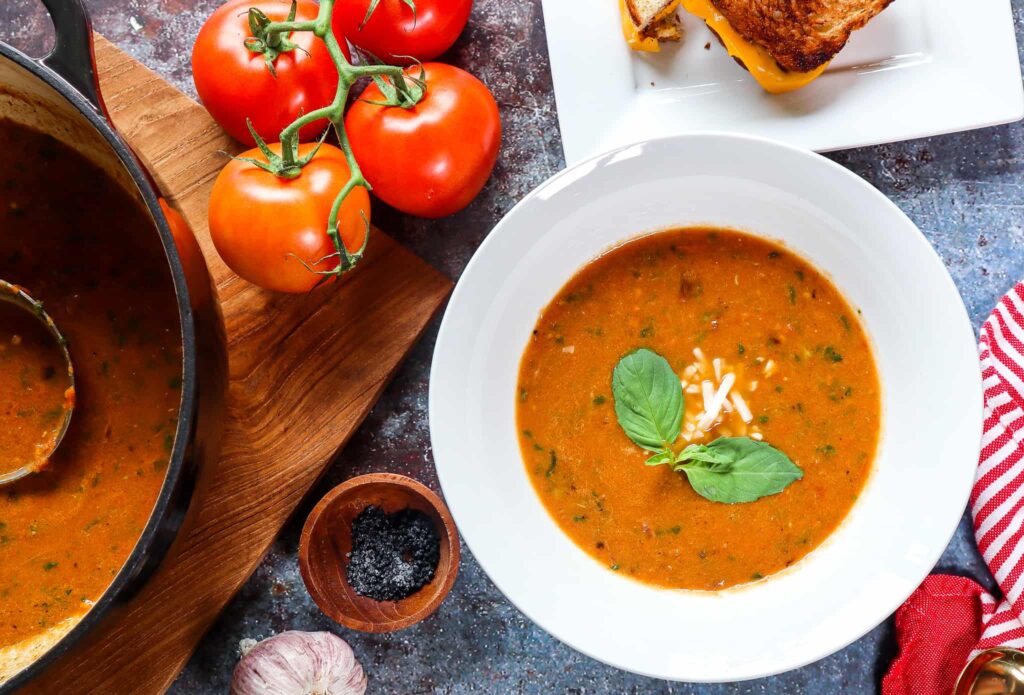
Soups are integral to healthy diets, providing hydration, vitamins, and essential nutrients. Tomato soup, in particular, is rich in lycopene, a powerful antioxidant that contributes to heart health and cellular protection. While traditional Western recipes often include cream or butter, an Indian variation can achieve richness and depth using vegetarian-friendly spices and aromatics without excess fat.
A quick, spiced tomato soup caters to contemporary demands for fast yet wholesome meals, making it suitable for breakfast, lunch, dinner, or light snacking. This guide outlines a 5-step method combining culinary science and Indian flavor principles, ensuring maximum taste with minimal cooking time.
Step 1: Selecting Fresh and Quality Ingredients

1a. Tomatoes
- Ripe, firm tomatoes are preferred for natural sweetness and vibrant color.
- Cherry tomatoes or vine tomatoes can also be used for concentrated flavor.
1b. Aromatics and Herbs
- Onions, garlic, and ginger form the flavor base.
- Fresh coriander leaves, curry leaves, or fenugreek leaves can add freshness and aroma.
1c. Spices for the Indian Twist
- Ground cumin, coriander powder, turmeric, and mild chili powder introduce warmth.
- Garam masala or chaat masala can be added at the end for layered flavor.
- Black pepper for gentle pungency.
1d. Liquids
- Water or vegetable broth as the soup base.
- Optionally, coconut milk or low-fat yogurt can provide creaminess without animal fat.
Tip: Use seasonal, locally sourced vegetables for optimal nutrition and taste.
Step 2: Preparing the Ingredients
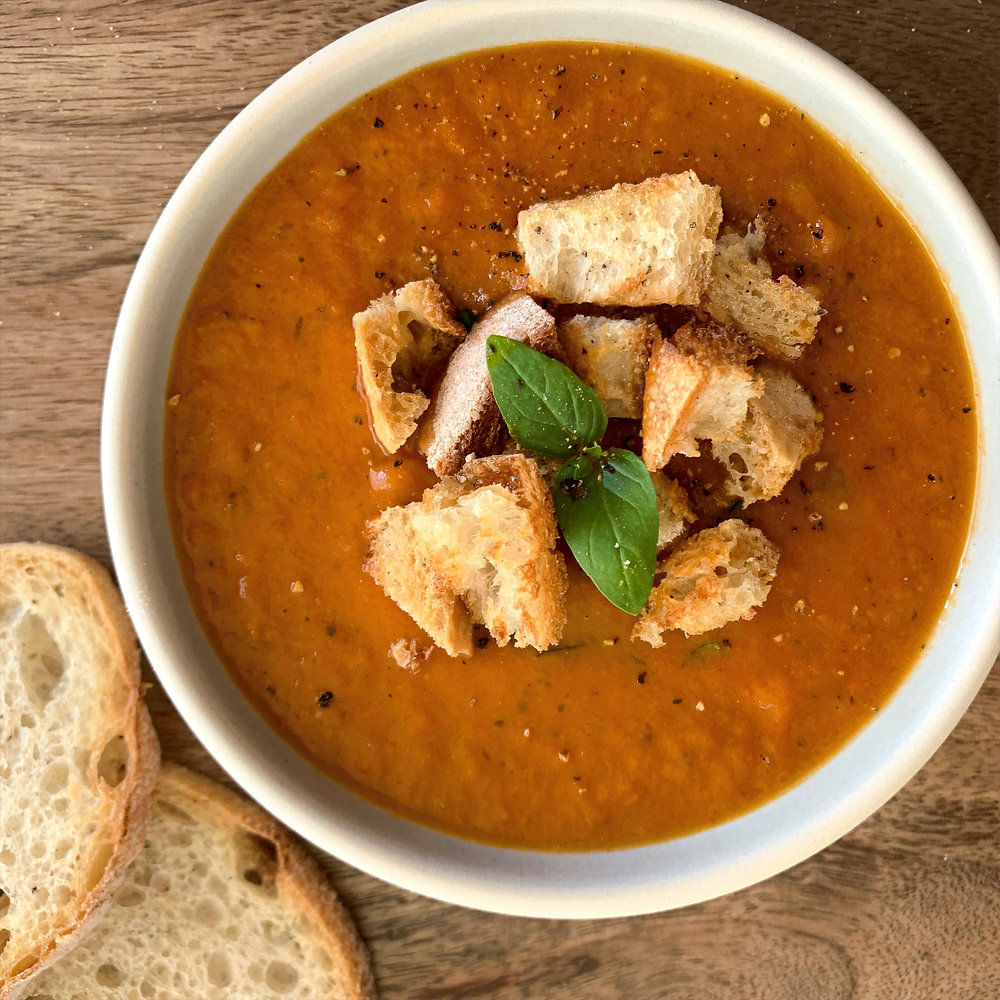
- Wash and chop tomatoes roughly.
- Dice onions and mince garlic and ginger.
- For faster cooking, peel tomatoes using a blanching method: immerse in boiling water for 30–60 seconds and then transfer to cold water. Skin peels off easily, producing smoother texture.
Scientific Note: Blanching preserves antioxidants and removes excess acidity, contributing to a balanced flavor profile.
- Optional: chop mild vegetables like carrots or bell peppers for additional sweetness and texture.
Step 3: Cooking the Soup Base
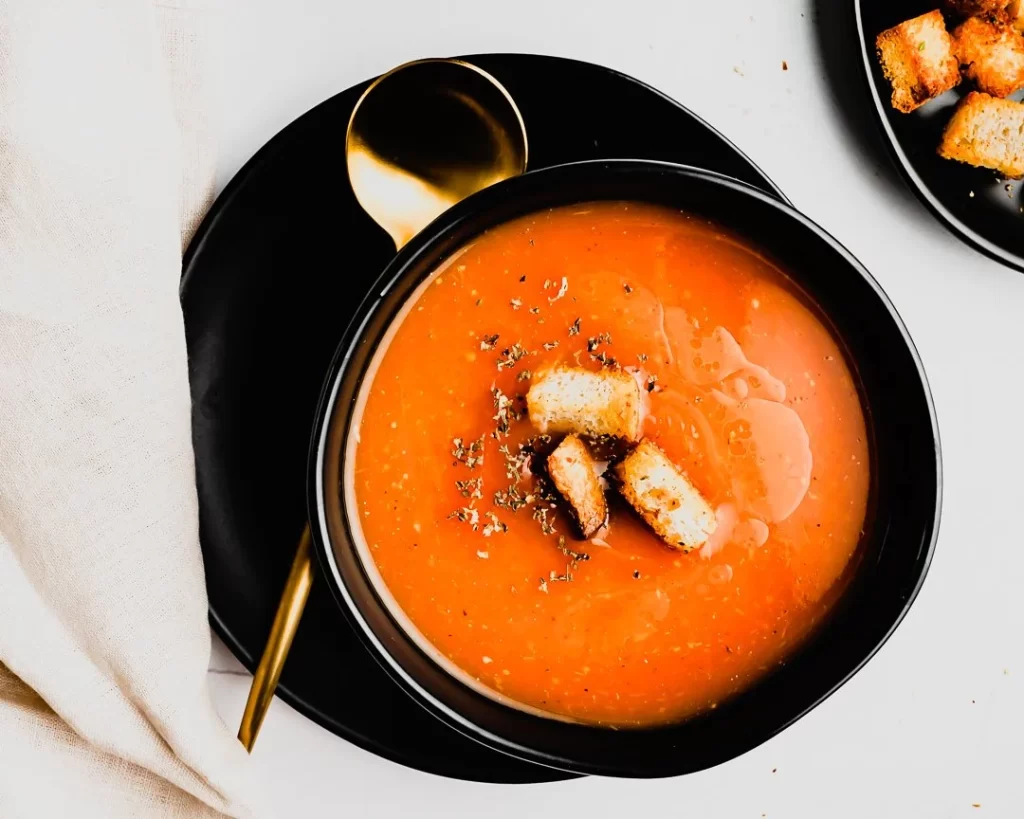
- Heat a non-stick pan or saucepan. Use minimal water to sauté aromatics, or dry roast spices briefly to release their fragrance.
- Add onions, garlic, and ginger; cook until soft and translucent. Avoid browning to maintain sweetness.
- Introduce chopped tomatoes along with a pinch of salt.
- Cover and cook on low-medium heat for 10–12 minutes until tomatoes soften and release their juices.
- Add a small amount of water or vegetable broth to adjust consistency.
Indian Twist: Add turmeric, cumin, and coriander powder at this stage for depth. Optional curry leaves contribute a characteristic aroma without oil.
Tip: Simmering allows flavors to meld and acidity to mellow naturally, enhancing palatability for children and adults alike.
Step 4: Blending and Flavor Adjustment

- Transfer the cooked tomato mixture to a blender or use an immersion hand blender for smooth consistency.
- Blend until velvety smooth. If desired, add water or broth for a lighter consistency.
- Return to the pan and gently simmer for 2–3 minutes.
- Adjust seasoning: salt, black pepper, mild chili powder, and a squeeze of lemon juice to brighten flavors.
- Optional: swirl in a small amount of low-fat yogurt or coconut milk for creaminess without using cream or butter.
Scientific Note: Blending breaks down cellulose, releasing natural sugars and enhancing umami perception. Spices added during or after blending maintain volatile aromatic compounds.
Step 5: Serving and Garnishing
- Pour hot soup into bowls.
- Garnish with fresh coriander leaves, a dash of garam masala, or roasted cumin powder.
- Optional additions: thinly sliced bell peppers, crunchy roasted chickpeas, or lightly toasted seeds.
- Serve with whole-grain croutons, multigrain breadsticks, or soft chapati for a wholesome meal.
Presentation Tip: Layering toppings and garnishes enhances visual appeal, especially for children or presentation in academic food studies.
Nutritional Benefits
- Lycopene: Powerful antioxidant present in tomatoes, reduces oxidative stress and supports heart health.
- Fiber: From tomatoes, optional vegetables, and herbs, aids digestion.
- Vitamins & Minerals: Vitamin C, vitamin A, potassium, and folate from tomatoes and added vegetables.
- Low Fat: Eliminating oil or cream reduces saturated fat content.
- Spices: Anti-inflammatory and digestive benefits; cumin, coriander, turmeric, and black pepper provide micronutrients and phytonutrients.
This combination provides a light yet nutritionally dense meal suitable for all age groups.
Common Mistakes and How to Avoid Them
| Mistake | Effect | Correction |
|---|---|---|
| Using unripe tomatoes | Sour or bland soup | Use fully ripe, firm tomatoes |
| Overcooking aromatics | Bitter or overpowering flavor | Cook until soft, not browned |
| Too much water | Diluted taste | Adjust water/broth gradually |
| Adding spices too early | Loss of aroma | Roast spices lightly or add toward the end |
| Blending hot liquids carelessly | Splattering and loss | Cool slightly before blending or use immersion blender |
Conclusion
Quick tomato soup with an Indian twist combines speed, nutrition, and flavor, making it suitable for modern households and academic demonstration in food studies. By following the 5-step method—selecting quality ingredients, preparing them carefully, cooking a spiced base, blending to perfection, and garnishing thoughtfully—one can produce a soup that is wholesome, vegetarian, and appealing to a wide audience.
This oil-free, vegetarian adaptation preserves the classic comforting nature of tomato soup while enhancing it with Indian flavors, making it ideal for health-conscious individuals, children, and culinary enthusiasts alike.