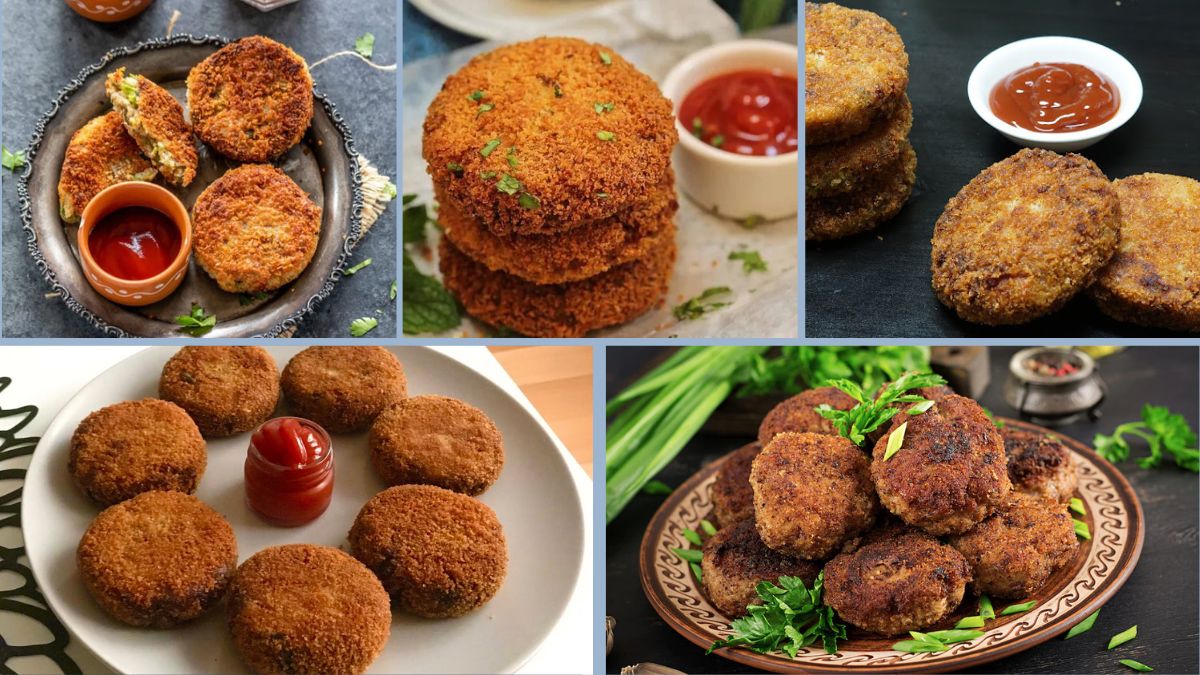
In today’s health-conscious world, snacks that are both nutritious and delicious have become increasingly popular. Veg cutlets are a versatile, wholesome option for individuals seeking healthy alternatives to traditional fried snacks. Incorporating oats as a binding agent not only enhances the nutritional value but also provides a firm texture without relying on eggs or other non-vegetarian ingredients. This article presents a detailed, step-by-step guide on preparing veg cutlets with oats binding, making it ideal for students, homemakers, and culinary enthusiasts.
Introduction to Veg Cutlets with Oats Binding
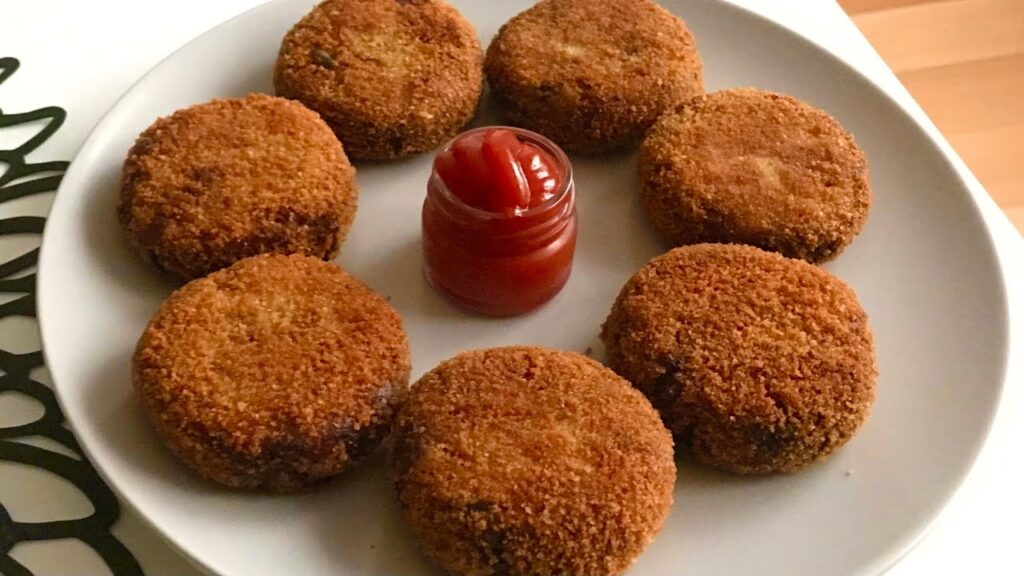
Vegetable cutlets are patties made from a mixture of vegetables, spices, and a binding agent. Traditionally, bread crumbs or eggs are used as binders, but oats offer a healthier, fiber-rich alternative that improves texture and adds essential nutrients. Oats are known for their high content of soluble fiber, vitamins, and minerals, making them an excellent choice for binding without compromising taste.
The combination of seasonal vegetables and oats ensures a low-fat, high-protein, and fiber-rich snack that can be served as appetizers, side dishes, or light meals. Moreover, the recipe is entirely vegetarian, catering to those following plant-based diets.
Ingredients Required
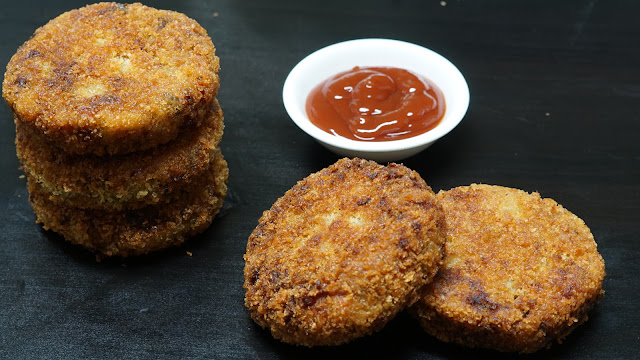
Before starting the preparation, gather the following ingredients:
Vegetables:
- 1 cup boiled and mashed potatoes
- ½ cup grated carrots
- ½ cup finely chopped beans
- ½ cup finely chopped cabbage
- ¼ cup green peas
Binder and Others:
- ½ cup rolled oats
- 2–3 tablespoons whole wheat flour (optional, for extra binding)
- 1–2 green chilies, finely chopped
- 1 teaspoon ginger-garlic paste
- ½ teaspoon turmeric powder
- ½ teaspoon red chili powder
- ½ teaspoon garam masala
- Salt to taste
- 2–3 tablespoons oil for shallow frying
- Fresh coriander leaves, chopped
Optional Garnish:
- Lemon wedges
- Tomato ketchup or green chutney
Step 1: Preparing the Vegetables
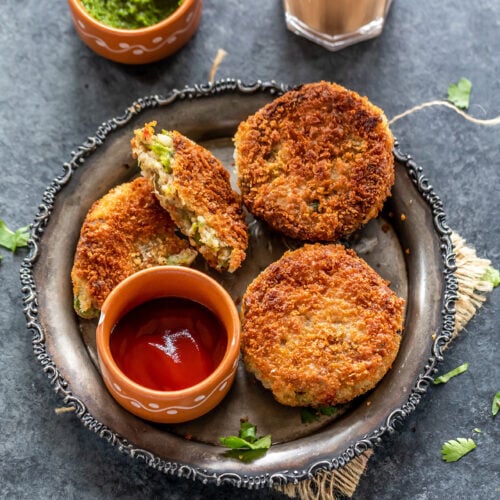
The first step in creating perfect veg cutlets is ensuring that the vegetables are properly prepared. Begin by washing, peeling, and chopping all vegetables uniformly. Boil potatoes until tender and mash them thoroughly to avoid lumps, which ensures smooth consistency in the cutlets. Similarly, lightly steam or blanch vegetables such as carrots, beans, and peas to retain their nutrients while softening them for mixing. Properly prepared vegetables form the foundation of a cutlet that is both flavorful and cohesive.
Step 2: Mixing the Vegetables with Spices
Once the vegetables are ready, transfer them into a large mixing bowl. Add finely chopped green chilies, ginger-garlic paste, turmeric powder, red chili powder, garam masala, and salt. These spices not only enhance the taste but also provide antioxidant and anti-inflammatory benefits. Mix the vegetables and spices thoroughly to ensure even distribution. At this stage, you can also add freshly chopped coriander leaves for added flavor and aroma.
Step 3: Incorporating the Oats Binding
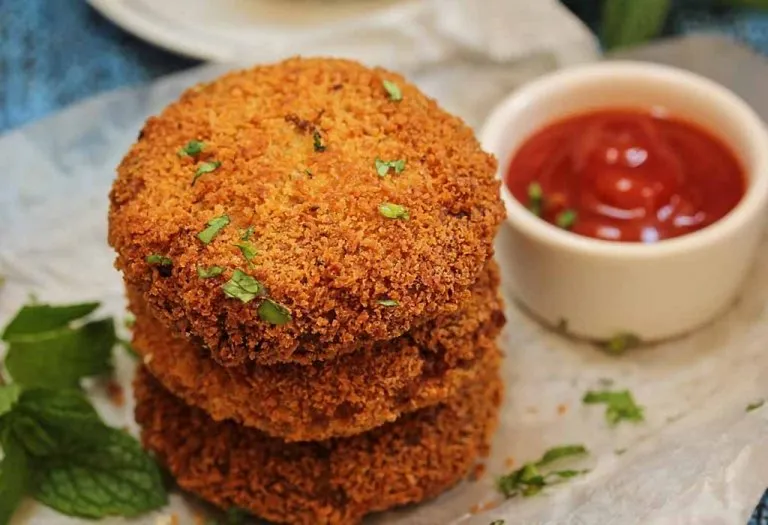
Oats act as a natural binding agent, absorbing moisture from the vegetables and forming a firm mixture. To prepare the oats, lightly grind them to a coarse powder if desired, or use rolled oats as they are. Gradually add oats to the vegetable mixture while kneading it gently. The oats will help hold the cutlets together during cooking without the need for eggs or excessive flour. If the mixture feels too soft, you can add 1–2 tablespoons of whole wheat flour to reinforce the binding. The final mixture should be firm enough to shape into patties without crumbling.
Step 4: Shaping the Cutlets
After achieving the right consistency, divide the mixture into equal portions. Using your palms, shape each portion into flat, round patties approximately 2–3 inches in diameter. Flattening the cutlets slightly ensures even cooking and a crispy exterior. At this stage, presentation matters; uniform size and shape contribute to an appealing look and consistent cooking.
Step 5: Preparing for Cooking
Before frying, lightly coat each cutlet with rolled oats or breadcrumbs if a crispier texture is desired. Heat a non-stick pan or skillet with 2–3 tablespoons of oil over medium heat. Shallow frying is recommended to minimize oil consumption while still achieving a golden-brown crust. Ensure the oil is moderately hot; frying in too high a temperature may burn the cutlets before the interior cooks, whereas low heat can make them soggy.
Step 6: Cooking the Cutlets
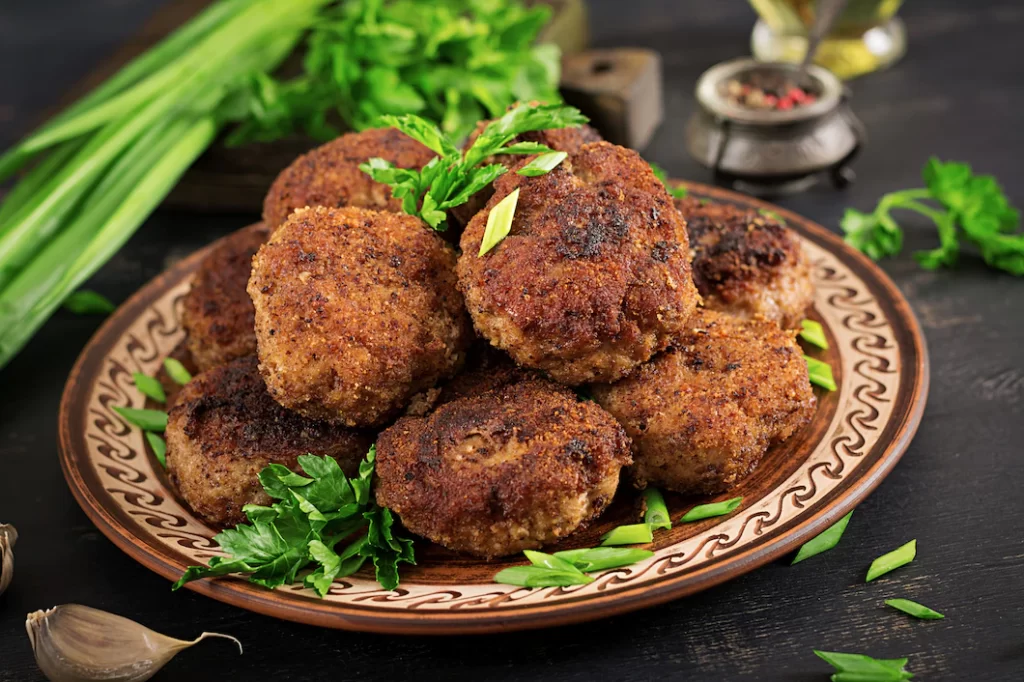
Place the cutlets carefully on the heated pan. Cook each side for 3–4 minutes or until a golden-brown crust forms. Avoid overcrowding the pan, as this reduces heat distribution and affects crispiness. Once cooked, transfer the cutlets to a plate lined with absorbent paper to remove excess oil. Proper cooking ensures a crunchy exterior while maintaining a soft, flavorful interior packed with vegetables and oats.
Step 7: Serving the Cutlets
Veg cutlets with oats binding are best served hot. They can be accompanied by a variety of dips such as tomato ketchup, green chutney, or yogurt-based sauces. For a wholesome meal, they can be paired with salads, steamed rice, or whole-grain bread. Garnishing with fresh coriander leaves and a squeeze of lemon juice elevates both taste and visual appeal.
Additionally, these cutlets are ideal for batch preparation. They can be refrigerated or frozen and reheated without losing texture, making them a convenient and nutritious option for snacks or light meals.
Nutritional Benefits
Using oats as a binding agent significantly improves the nutritional profile of veg cutlets. Oats are rich in beta-glucan, a soluble fiber that aids digestion and lowers cholesterol levels. Combined with a variety of vegetables, these cutlets provide essential vitamins (A, C, K), minerals (potassium, magnesium), and antioxidants. The low-fat cooking method and absence of eggs or meat make this recipe suitable for weight management, heart health, and plant-based diets.
Conclusion
Veg cutlets with oats binding are a perfect example of a snack that balances taste, nutrition, and convenience. By following the seven steps outlined above—preparing vegetables, mixing with spices, incorporating oats, shaping, cooking, and serving—anyone can create a wholesome, delicious, and visually appealing dish. The use of oats not only provides a firm binding but also enriches the cutlets with fiber and essential nutrients, making them a superior alternative to traditional bread or egg-bound patties.
Whether for a quick snack, party appetizer, or light meal, these cutlets satisfy both the palate and the body. Their adaptability, ease of preparation, and vegetarian-friendly nature make them an indispensable recipe in any culinary repertoire. With the proper ingredients, patience, and attention to detail, anyone can master the art of preparing veg cutlets with oats binding—a delightful snack that is as nutritious as it is flavorful.