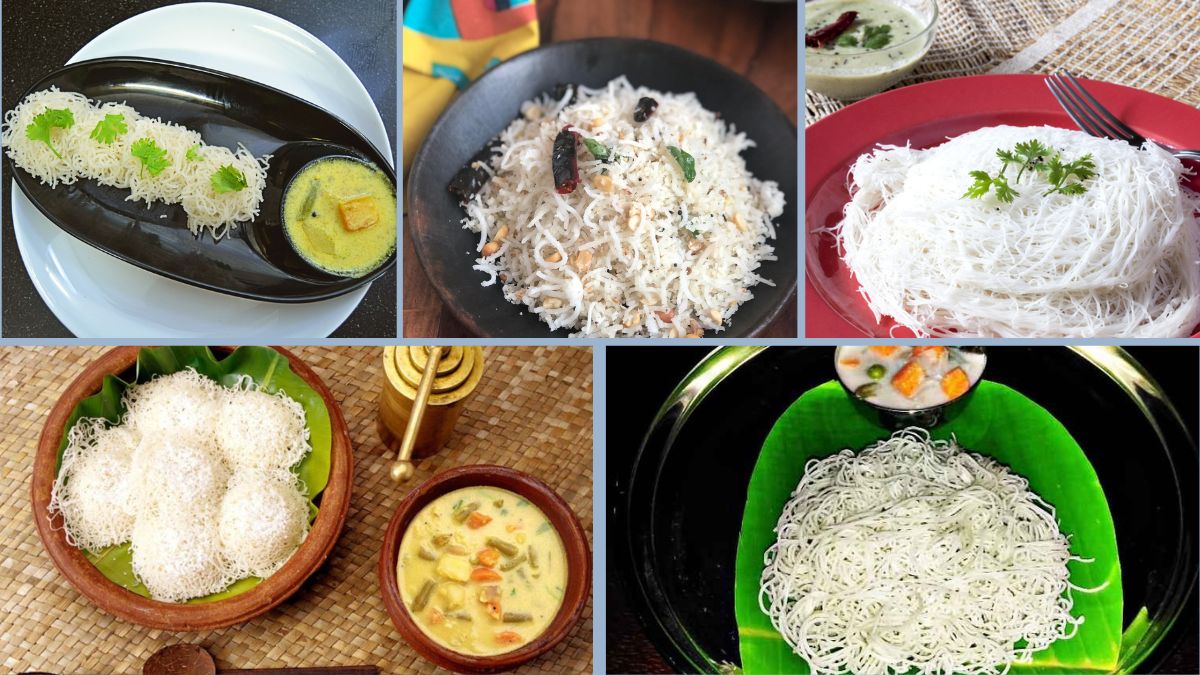
Idiyappam, also known as string hoppers, is a traditional South Indian dish made from rice flour and shaped into delicate, fine noodles. Soft, light, and subtly flavorful, idiyappam is typically served with coconut-based curries, vegetables, or sweetened coconut mixtures. Its airy texture makes it ideal for breakfast, snacks, or even dinner.
Adding vegetables and fresh coconut to idiyappam not only enhances flavor but also improves its nutritional profile, making it a wholesome, balanced dish. With this guide, you can prepare vegetable idiyappam with coconut in seven simple steps, ensuring it is both delicious and visually appealing.
Step 1: Selecting and Preparing Ingredients
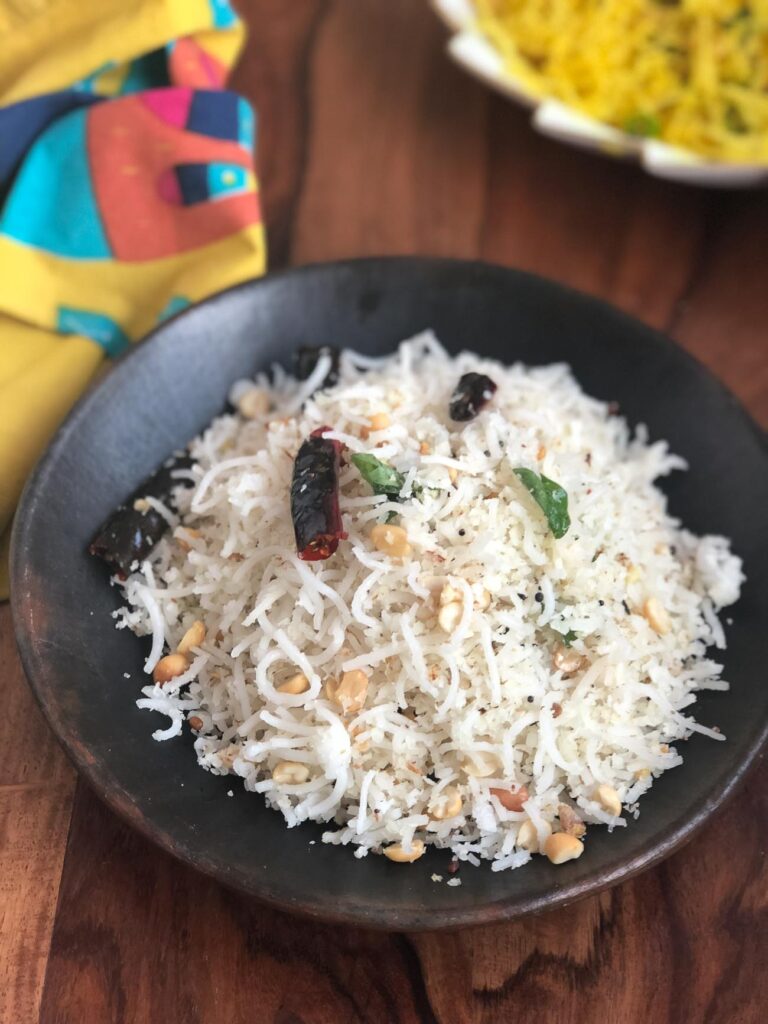
The success of veg idiyappam begins with high-quality, fresh ingredients.
Core Ingredients:
- Rice flour: 2 cups (preferably fine, parboiled rice flour)
- Vegetables: 1–1.5 cups (carrot, beans, peas, capsicum, finely grated or chopped)
- Fresh grated coconut: ½ cup
- Water: 1 cup (adjust as needed)
- Salt: ½ teaspoon or to taste
- Oil: 1 teaspoon (optional, for dough)
Pro Tip: Freshly grated coconut enhances flavor and texture; desiccated coconut can be used if fresh is unavailable.
Step 2: Preparing the Dough
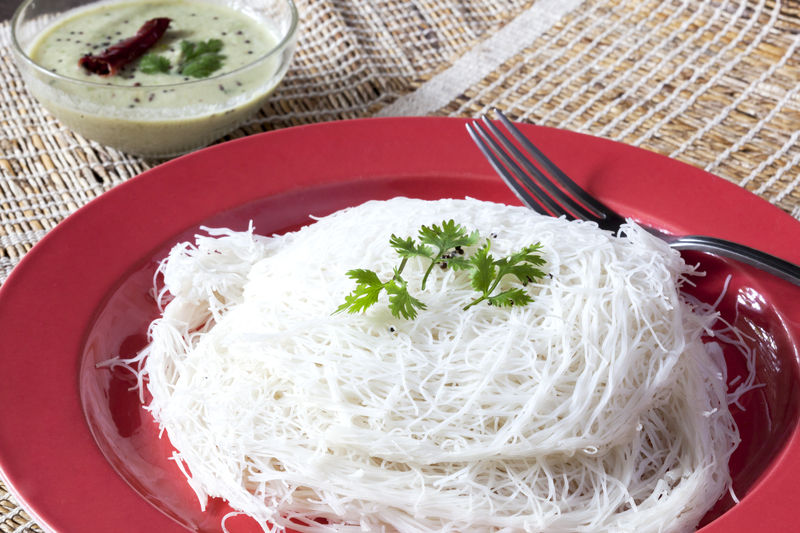
The dough must be soft but not sticky to form fine, pliable strands.
Method:
- Boil water with a pinch of salt.
- Gradually add rice flour to the boiling water, stirring continuously to avoid lumps.
- Cook the mixture on low flame for 1–2 minutes until it forms a soft dough.
- Allow it to cool slightly before kneading.
- Knead into a smooth, pliable dough. Add 1 teaspoon oil for extra smoothness, if desired.
Pro Tip: The dough should be soft enough to pass easily through the idiyappam press but firm enough to hold shape.
Step 3: Preparing the Idiyappam Press
An idiyappam press (or string hopper mold) is essential for creating the delicate noodle structure.
- Grease the inside of the press lightly with oil to prevent sticking.
- Fill the press with a portion of the prepared dough.
- Prepare a steaming vessel with water at the bottom, ensuring it is hot and generating steam.
Pro Tip: If an idiyappam press is unavailable, a fine-holed piping bag or sev maker can be used as a substitute.
Step 4: Shaping the Idiyappam
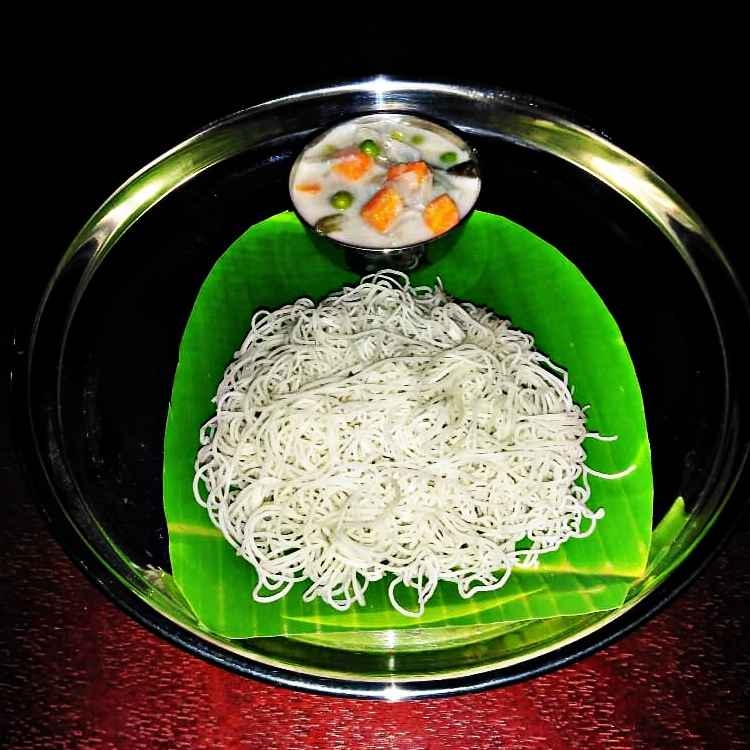
Creating delicate, uniform strands ensures even steaming and an attractive final dish.
- Grease idiyappam plates or small round steel plates.
- Press dough through the idiyappam press into circular patterns on the plates.
- Avoid thick or uneven strands; aim for a fine, lace-like appearance.
Pro Tip: Work in small batches to maintain dough consistency; keep unused dough covered to prevent drying.
Step 5: Steaming the Idiyappam
Steaming ensures the idiyappam remains soft, light, and non-sticky.
- Place the plates with idiyappam in a steamer or large pot with a lid.
- Steam for 8–10 minutes on medium flame until the strands turn opaque and firm.
- Remove carefully using a spatula. Let them cool slightly before serving.
Pro Tip: Do not over-steam; overcooking may make the noodles sticky or hard.
Step 6: Preparing the Vegetable and Coconut Topping
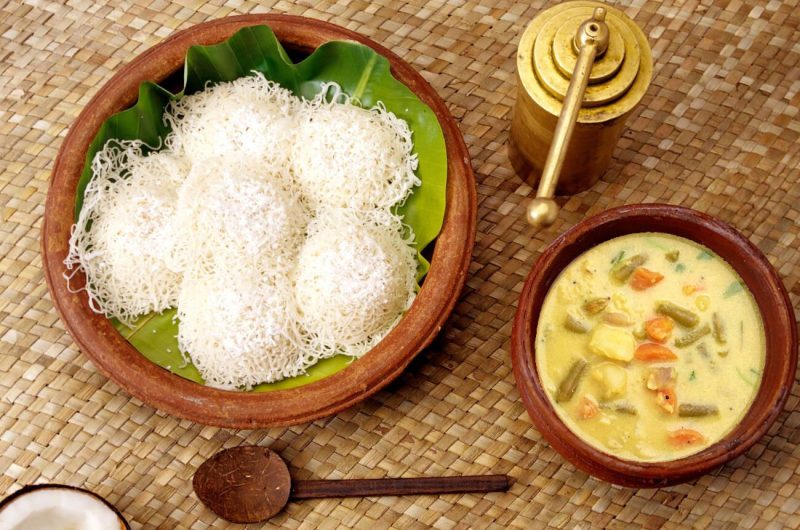
The coconut-vegetable mixture adds flavor, nutrition, and visual appeal.
Ingredients:
- Mixed vegetables (carrot, beans, peas, capsicum): 1 cup, finely chopped
- Grated coconut: ½ cup
- Green chilies: 1, finely chopped (optional)
- Mustard seeds: ½ teaspoon
- Curry leaves: 6–8
- Salt: to taste
- Oil: 1 teaspoon
Method:
- Heat oil in a pan and add mustard seeds.
- Once they splutter, add curry leaves and green chilies.
- Add chopped vegetables and sauté for 3–4 minutes until tender but slightly crunchy.
- Mix in grated coconut and salt. Cook for 1–2 minutes to combine flavors.
Pro Tip: Lightly steaming vegetables before sautéing ensures faster cooking and retains nutrients.
Step 7: Assembling and Serving Veg Idiyappam
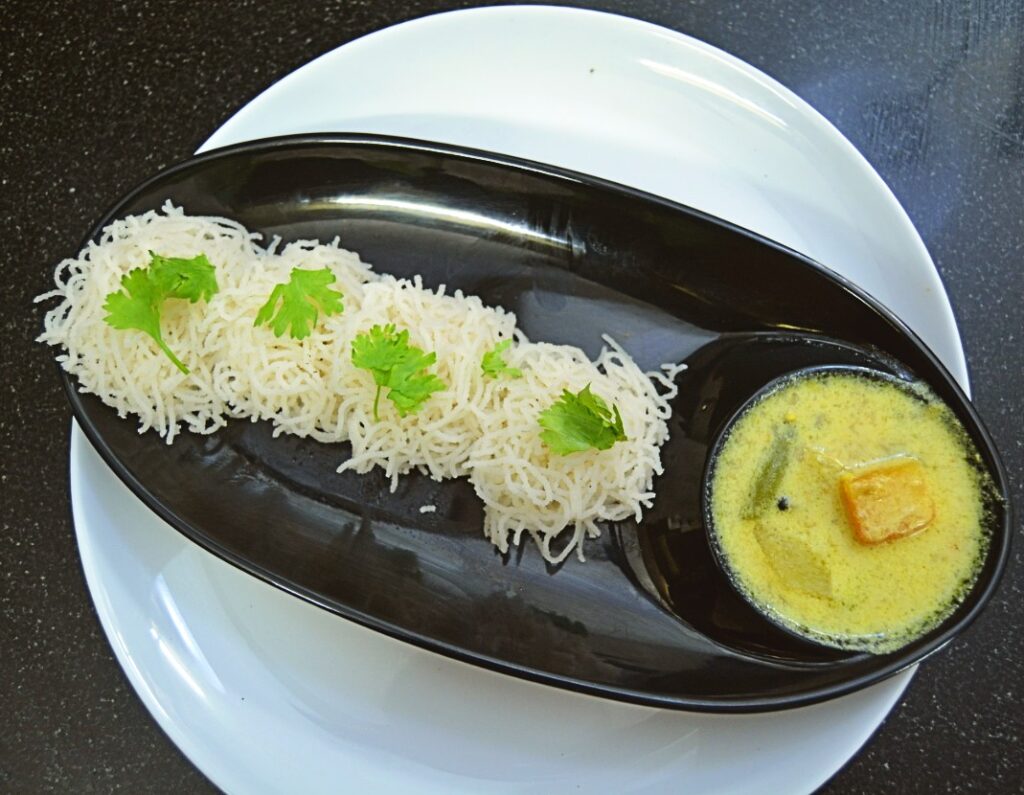
Presentation and combination enhance both taste and visual appeal.
- Place steamed idiyappam on a serving plate.
- Spread the coconut-vegetable mixture evenly over the idiyappam.
- Garnish with extra grated coconut or chopped coriander for freshness.
- Serve immediately with a side of coconut chutney, vegetable stew, or lightly spiced yogurt.
Pro Tip: Serve hot for the best texture. Idiyappam can also be paired with tomato-based or spicy vegetable curries for variety.
Nutritional Benefits
Vegetable idiyappam with coconut is not only delicious but also highly nutritious:
- Rice flour: Provides complex carbohydrates and energy.
- Vegetables: Offer vitamins, minerals, antioxidants, and fiber.
- Coconut: Adds healthy fats and enhances the dish’s creaminess naturally.
- Low in Oil: Minimal oil makes it lighter than traditional fried snacks.
This makes it ideal for a wholesome breakfast, snack, or light dinner, suitable for children and adults alike.
Variations and Enhancements
- Stuffed Idiyappam: Add finely chopped paneer or lightly spiced mashed vegetables inside the noodle layers.
- Spicy Version: Include finely chopped green chilies or a pinch of red chili powder in the coconut-vegetable mixture.
- Sweet Variation: Mix grated jaggery and coconut for a dessert-style idiyappam.
- Multigrain Dough: Substitute part of rice flour with ragi, oats, or wheat flour for added fiber and nutrition.
Pro Tip: Customizing the topping allows for both savory and sweet options without changing the core technique.
Common Mistakes to Avoid
- Dough too wet or too dry: Wet dough sticks to the press; dry dough cracks and breaks.
- Uneven strands: Leads to uneven steaming and cooking.
- Overcooking: Can make idiyappam sticky or hard.
- Skipping vegetables or coconut: Reduces flavor and nutritional value.
- Not greasing the mold: Causes dough to stick, making pressing difficult.
Conclusion
Vegetable idiyappam with coconut is a versatile, nutritious, and visually appealing dish that highlights the delicate textures of South Indian cuisine while incorporating wholesome ingredients. By following these seven steps—selecting ingredients, preparing dough, preparing the press, shaping, steaming, making the coconut-vegetable topping, and assembling—you can create a dish that is flavorful, light, and nutritious.
This recipe is ideal for a balanced breakfast, festive occasions, or even a healthy snack. Its combination of rice flour, fresh vegetables, and coconut ensures a perfect blend of carbohydrates, fiber, and healthy fats, making it suitable for all age groups.
With attention to detail and careful preparation, veg idiyappam with coconut can become a signature dish in your home—delighting both the eyes and the palate while offering a wholesome, vegetarian-friendly meal.