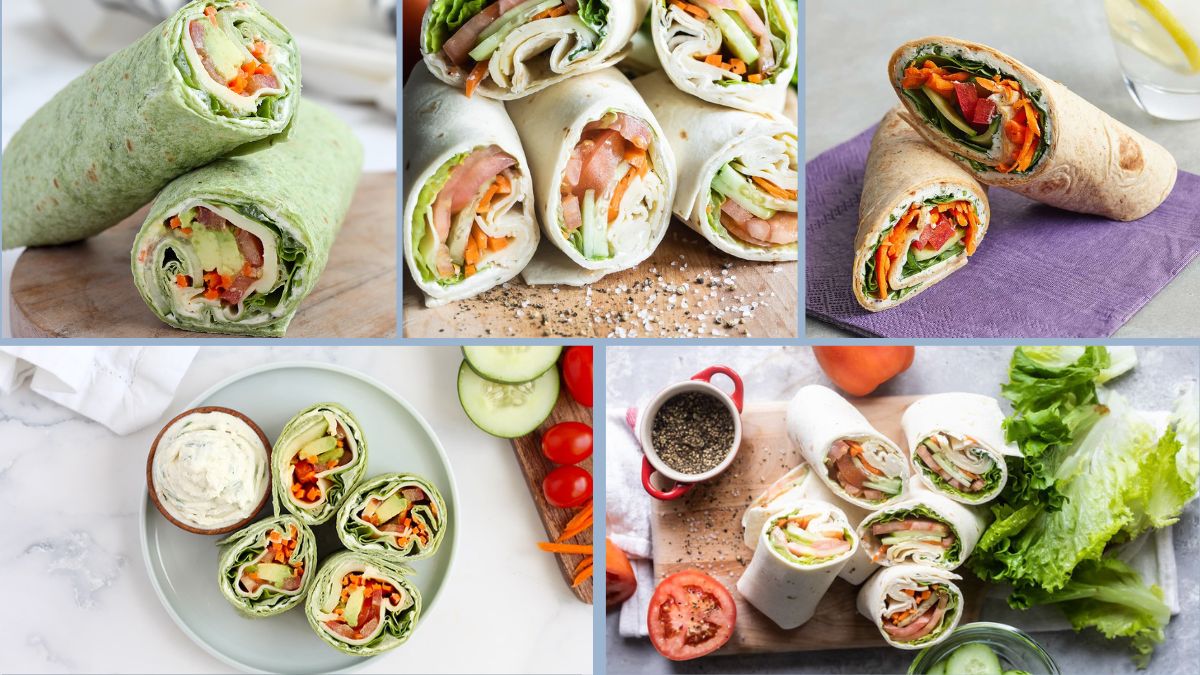
Healthy eating for children can sometimes feel challenging, especially when trying to balance nutrition with taste and presentation. Vegetable wraps offer a creative and appealing solution: they combine colorful, nutrient-rich vegetables with soft wraps, making meals visually inviting and easy to eat.
A vegetable wrap for kids is not only a balanced meal but also a fun way to introduce various vegetables, fiber, and essential vitamins. By customizing flavors and ingredients, parents can prepare wraps that are low in processed sugars, oils, and unhealthy fats, while keeping them enjoyable for children.
This article provides a 5-step guide to preparing healthy vegetable wraps for kids, including tips on choosing ingredients, layering flavors, and making the wraps both tasty and visually appealing.
Step 1: Selecting the Right Ingredients
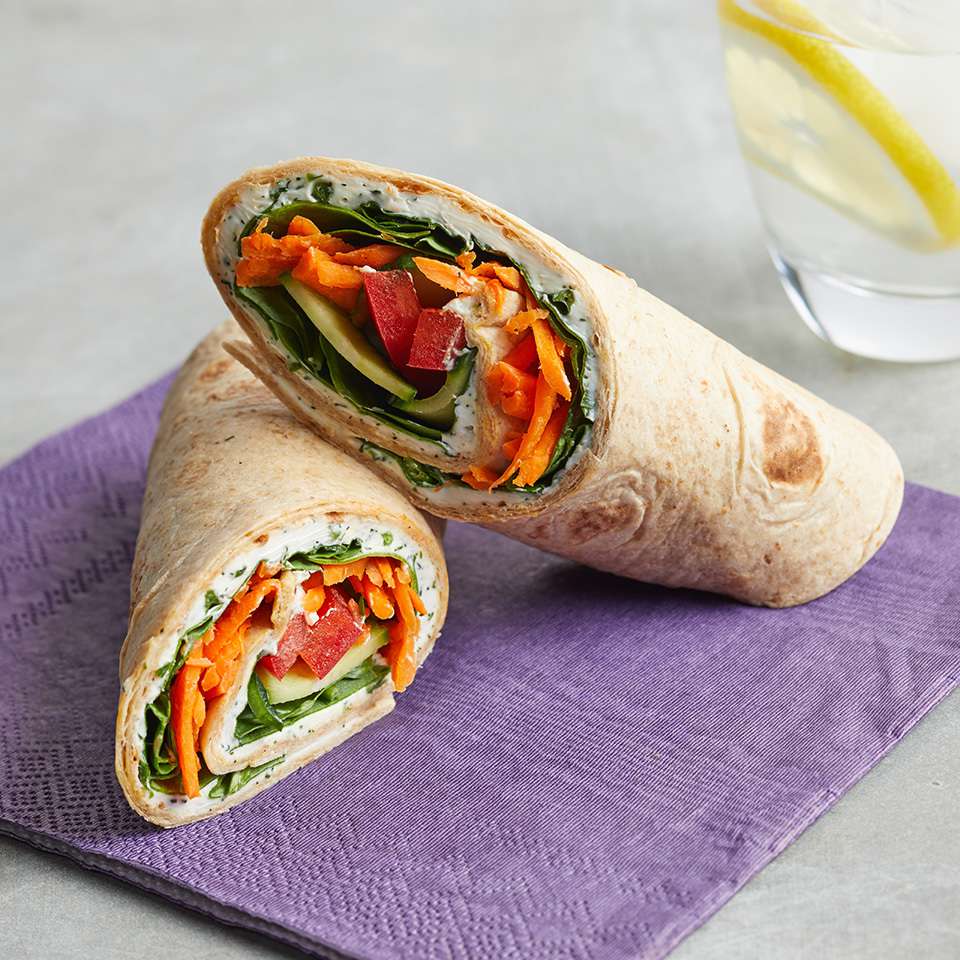
The first step to a successful wrap is selecting fresh, colorful, and kid-friendly ingredients.
Vegetables:
- Carrot: Shredded or julienned for crunch and sweetness.
- Cucumber: Thinly sliced for hydration and mild flavor.
- Bell peppers (capsicum): Red, yellow, and green for vibrant colors.
- Spinach or lettuce: Adds fiber and leafy greens in a soft texture.
- Tomatoes: Seeded and finely chopped to prevent sogginess.
Wrap Base:
- Whole wheat tortillas or chapati: High in fiber and soft for easy rolling.
- Multigrain wraps: Rich in complex carbohydrates, iron, and protein.
Healthy Spread Options:
- Hummus (chickpea-based)
- Yogurt-based dressing or raita
- Soft cream cheese or mashed avocado
Pro Tip: Use vegetables with contrasting colors and textures to make the wraps visually appealing, which encourages children to eat them.
Step 2: Preparing the Vegetables
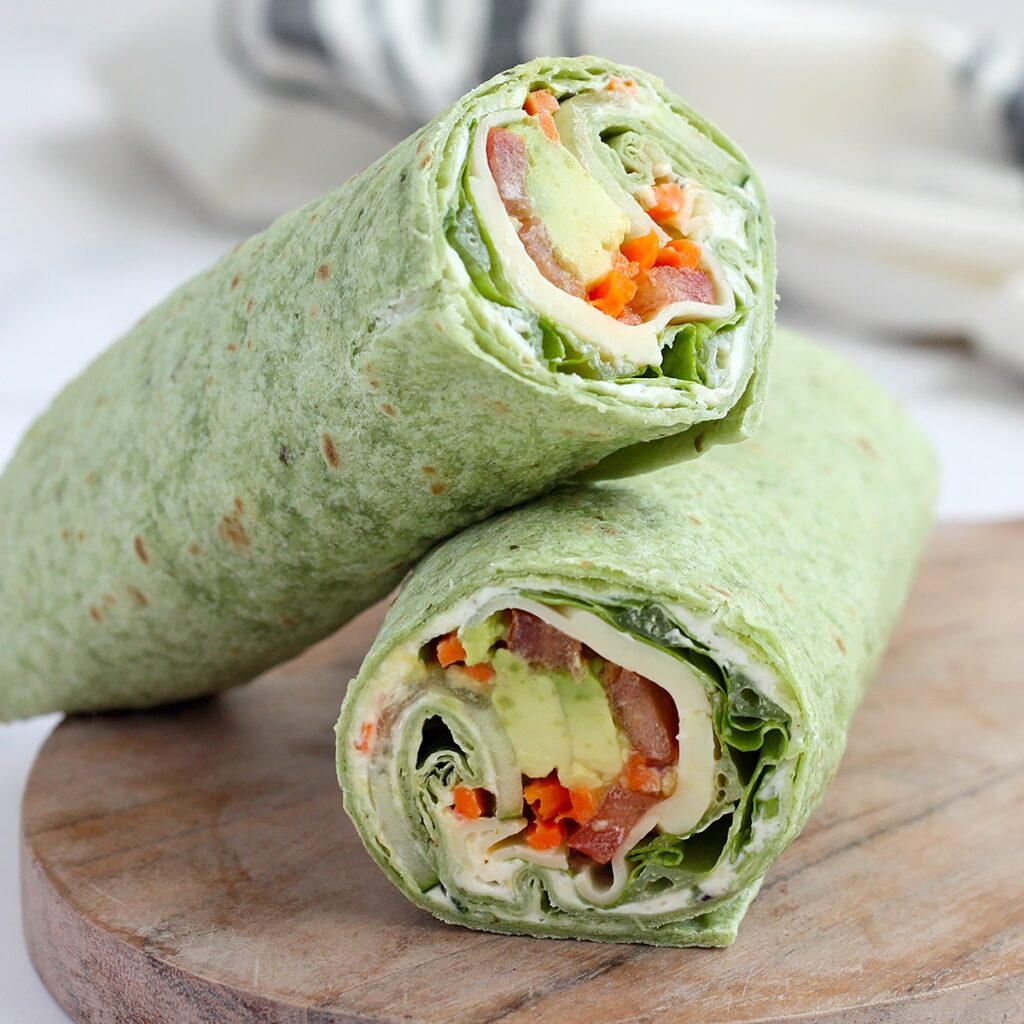
Proper preparation ensures vegetables retain their nutrients, flavor, and texture.
- Wash thoroughly: Clean all vegetables to remove dirt, pesticides, and bacteria.
- Cut uniformly: Shredded, julienned, or finely chopped vegetables are easier to roll and eat.
- Lightly steam hard vegetables: Carrots or beans can be lightly steamed to soften for easier chewing.
- Avoid excess water: Pat wet vegetables dry to prevent soggy wraps.
Pro Tip: For kids, cut vegetables into small, manageable pieces to prevent choking hazards and make the wrap easier to handle.
Step 3: Preparing the Spread and Flavor Base
A flavorful spread adds moisture, taste, and additional nutrition to wraps.
Hummus Spread:
- Blend cooked chickpeas with a teaspoon of olive oil, lemon juice, a pinch of salt, and a little garlic.
- Optional: Add mild spices like cumin or paprika for taste.
Yogurt-Based Dressing:
- Mix plain yogurt with a teaspoon of olive oil, chopped herbs (mint, coriander), and a dash of salt.
- Can be flavored with mild mustard or tomato puree for variety.
Avocado or Cheese Spread:
- Mash avocado with a little lime juice and salt.
- Soft cream cheese can be used as a mild, kid-friendly alternative.
Pro Tip: Spread thinly and evenly to prevent sogginess while ensuring every bite has flavor.
Step 4: Assembling the Vegetable Wrap
Layering vegetables and spreads strategically ensures flavor and structure.
- Lay the wrap flat: Use a whole wheat tortilla or chapati.
- Spread a thin layer of your chosen base: Hummus, yogurt dressing, or avocado.
- Add vegetables in layers: Start with leafy greens, then softer vegetables, and top with crunchy vegetables for texture.
- Optional extras: Add grated cheese, cooked corn, or boiled potato slices for variation.
- Season lightly: A pinch of salt, pepper, or mild herbs can enhance flavor without overpowering.
Pro Tip: Avoid overfilling, as too many ingredients make wrapping difficult and can cause the wrap to tear.
Step 5: Rolling and Serving the Wrap
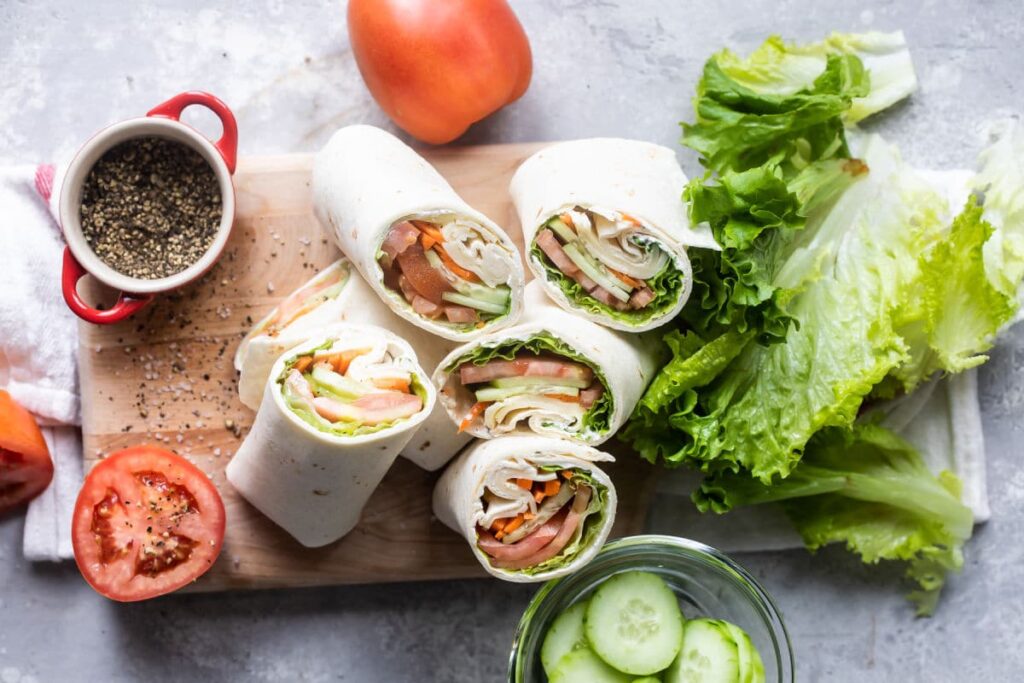
Proper rolling and presentation make the wraps appealing and easy to eat.
- Fold in the sides of the wrap slightly.
- Roll tightly from one end to the other, keeping ingredients inside.
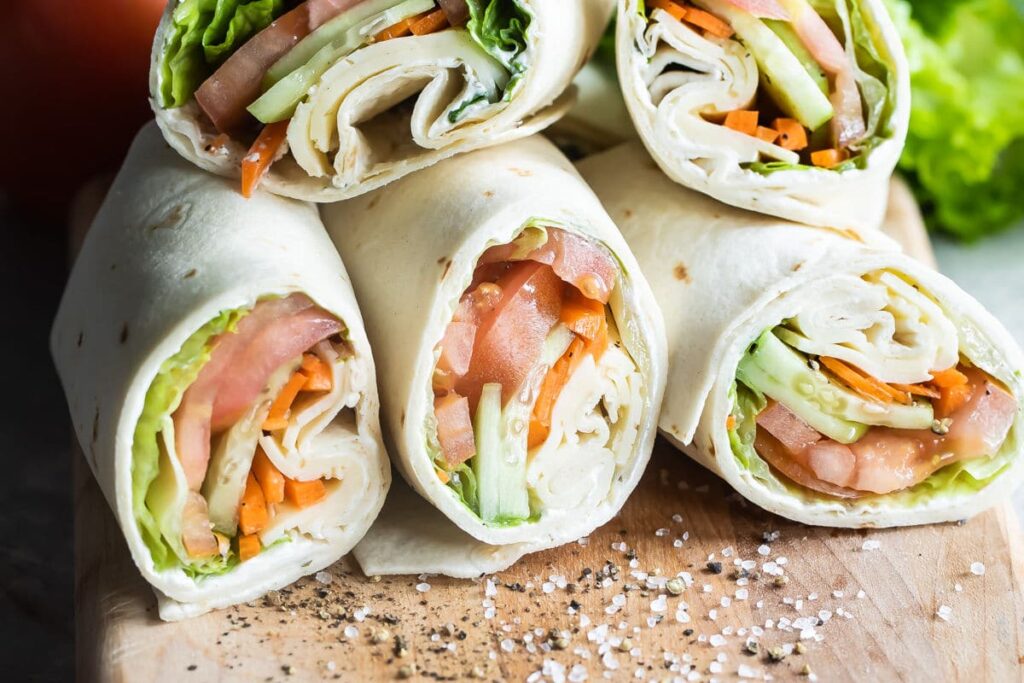
- Cut the wrap diagonally into halves or small bite-sized pieces for children.
- Serve immediately to maintain freshness and crunch.
Presentation Tips:
- Use colorful toothpicks to secure wraps for kids.
- Serve with small portions of dips or yogurt on the side for fun dipping.
- Plate creatively by arranging wraps like a rainbow with different colored vegetables visible.
Pro Tip: Wrapping tightly but gently ensures the vegetables do not fall out, making it easy for children to handle.
Nutritional Benefits
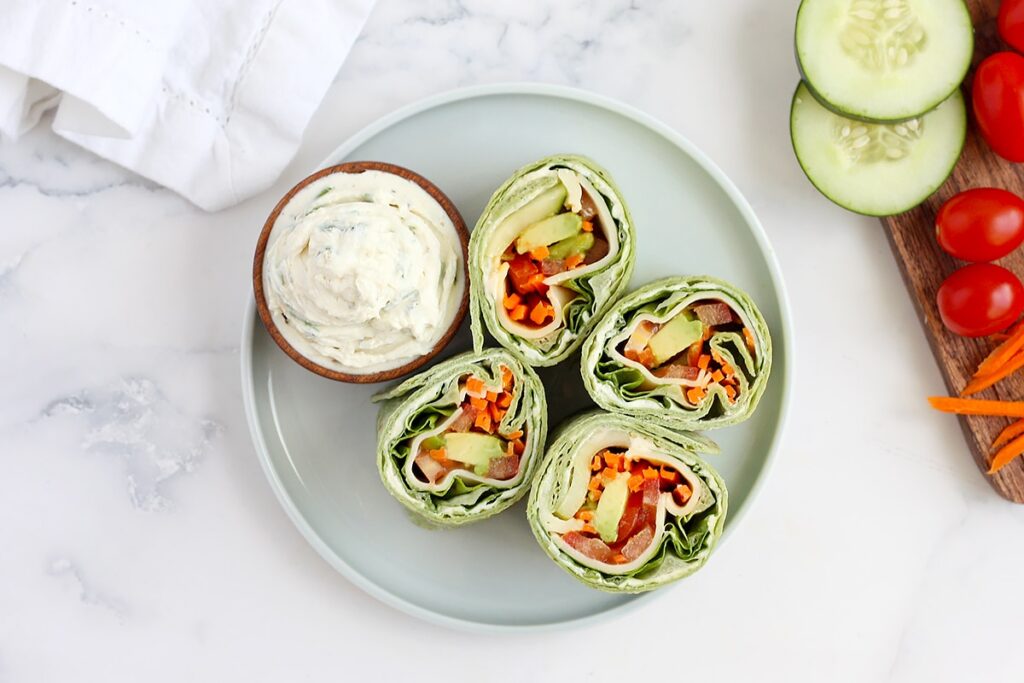
Healthy vegetable wraps are a well-rounded, nutrient-dense meal:
- High in Fiber: Vegetables and whole-grain wraps aid digestion and provide sustained energy.
- Protein-Rich: Hummus and cheese provide essential proteins for growth.
- Vitamins and Minerals: Leafy greens, bell peppers, carrots, and tomatoes supply vitamin A, C, K, folate, and antioxidants.
- Healthy Fats: Avocado, olive oil, and cheese provide beneficial fats for brain development.
- Low in Processed Sugar: Homemade spreads and fresh vegetables reduce added sugar intake.
This makes vegetable wraps suitable for breakfast, lunchboxes, snacks, or light dinners, supporting children’s health while satisfying their taste preferences.
Variations and Creative Ideas
- Rainbow Wrap: Layer red, yellow, green, and orange vegetables to make it visually fun.
- Mini Wraps: Use smaller tortillas for bite-sized snacks.
- Warm Vegetable Wraps: Lightly sauté vegetables before rolling for a warm, comforting version.
- Cheesy Veg Wraps: Sprinkle mild mozzarella or paneer cubes for a protein boost.
- Sweet-Veg Wraps: Mix grated carrot with a tiny amount of jaggery for a sweet twist.
Pro Tip: Rotating spreads, vegetables, and wraps prevents monotony and encourages kids to enjoy different flavors.
Common Mistakes to Avoid
- Overfilling: Leads to tearing or difficulty eating.
- Using soggy vegetables: Causes the wrap to become soft and unappealing.
- Too much salt or spice: Keep flavors mild for young taste buds.
- Skipping layering order: Leafy greens at the bottom prevent moisture from soaking the wrap.
- Not serving immediately: Wraps lose crunch and freshness if left too long.
Conclusion
Healthy vegetable wraps for kids are a practical, nutritious, and visually appealing way to encourage balanced eating. By following these five steps—selecting fresh ingredients, preparing vegetables, making a flavorful spread, layering thoughtfully, and rolling/presenting carefully—you can create wraps that are both fun and nourishing.
This meal offers fiber, protein, vitamins, and healthy fats in one compact package, making it suitable for school lunches, snacks, or dinner. With a little creativity in colors, textures, and spreads, vegetable wraps can become a favorite among children while supporting their overall growth and development.
By incorporating these techniques, parents can ensure their children enjoy wholesome, low-fat, nutrient-rich, and appealing meals that combine health and taste effortlessly.