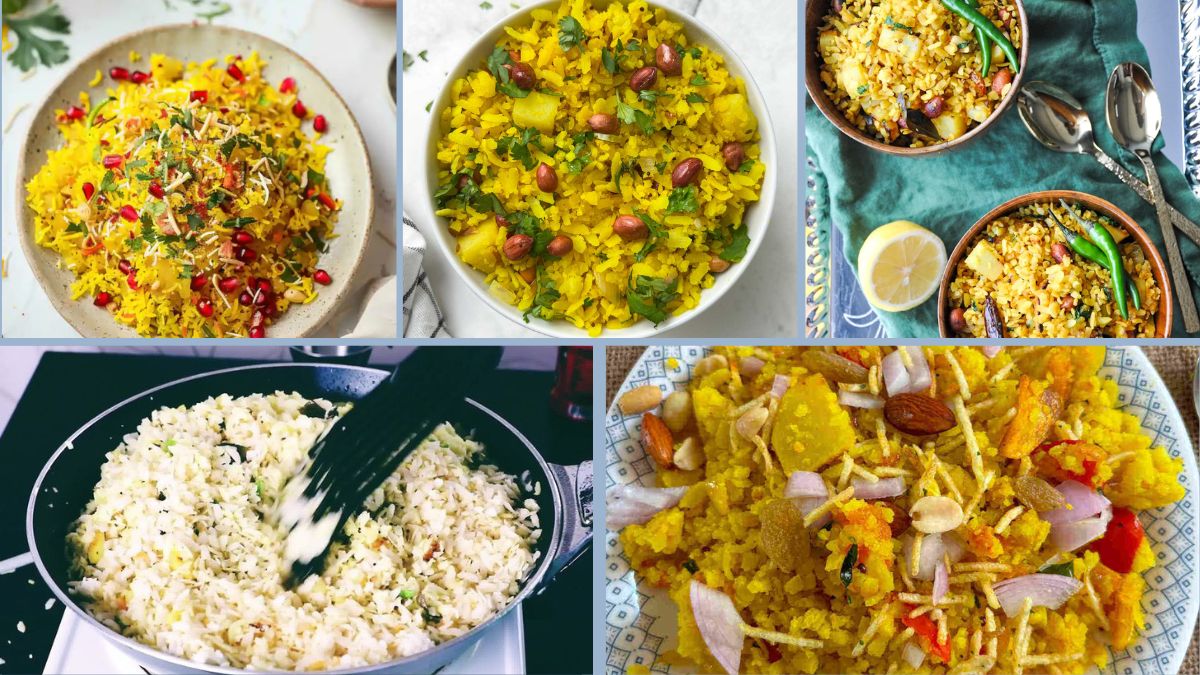
Poha, a traditional Indian breakfast made from flattened rice, is loved for its simplicity, quick preparation, and light yet satisfying nature. One popular variation, aloo poha, combines the goodness of potatoes with the softness of flattened rice, creating a dish that is both flavorful and comforting.
While traditional recipes often include oil for sautéing, it is possible to prepare aloo poha without oil, making it a healthier, low-fat alternative that retains the taste and texture children and adults enjoy. This version is ideal for weight-conscious individuals, diabetics, or anyone aiming for a nutritious start to the day.
In this article, we’ll explore six easy steps to make oil-free aloo poha while maintaining its authentic flavors.
Step 1: Selecting and Preparing Ingredients
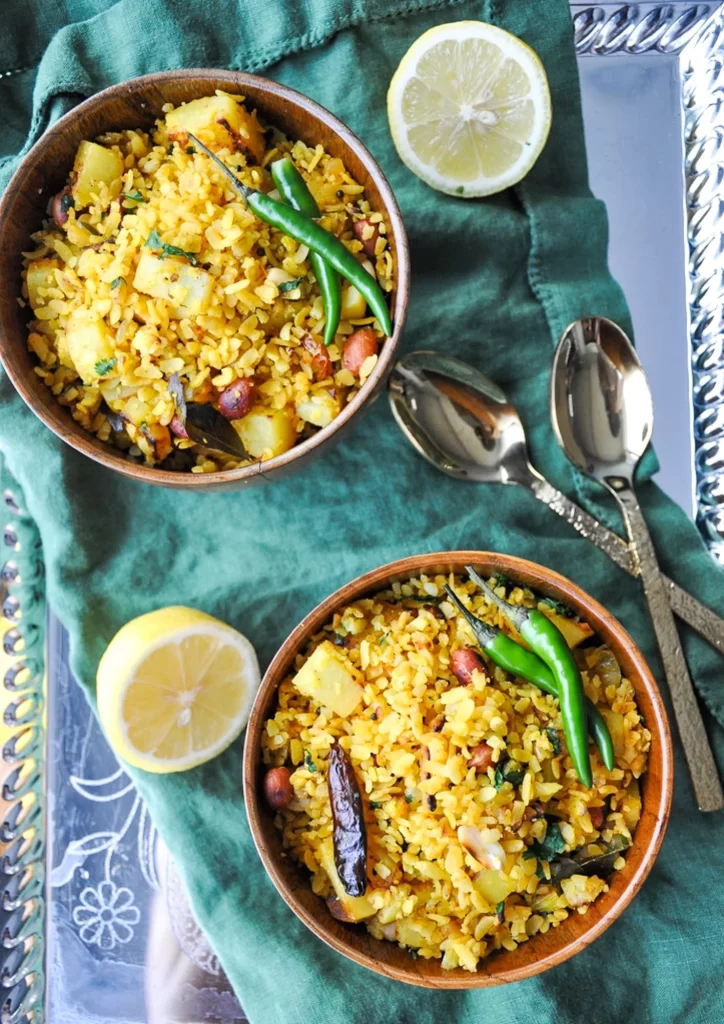
Choosing the right ingredients is essential for both flavor and nutrition.
Core Ingredients:
- Flattened rice (poha): 2 cups, preferably medium-thick variety for fluffiness.
- Potatoes: 1–2 medium, peeled and diced.
- Onion: 1 small, finely chopped.
- Green chili: 1, finely chopped (optional for mild heat).
- Mustard seeds: ½ teaspoon (optional).
- Curry leaves: 6–8, washed and chopped.
- Turmeric powder: ½ teaspoon for color and subtle flavor.
- Salt: to taste.
- Lemon juice: 1–2 teaspoons to enhance flavor.
- Fresh coriander: 2 tablespoons, chopped, for garnish.
- Vegetable stock or water: ¼ cup, to aid cooking instead of oil.
Pro Tip: Choose medium-thick poha as thin varieties can break easily and become mushy during cooking.
Step 2: Preparing the Poha
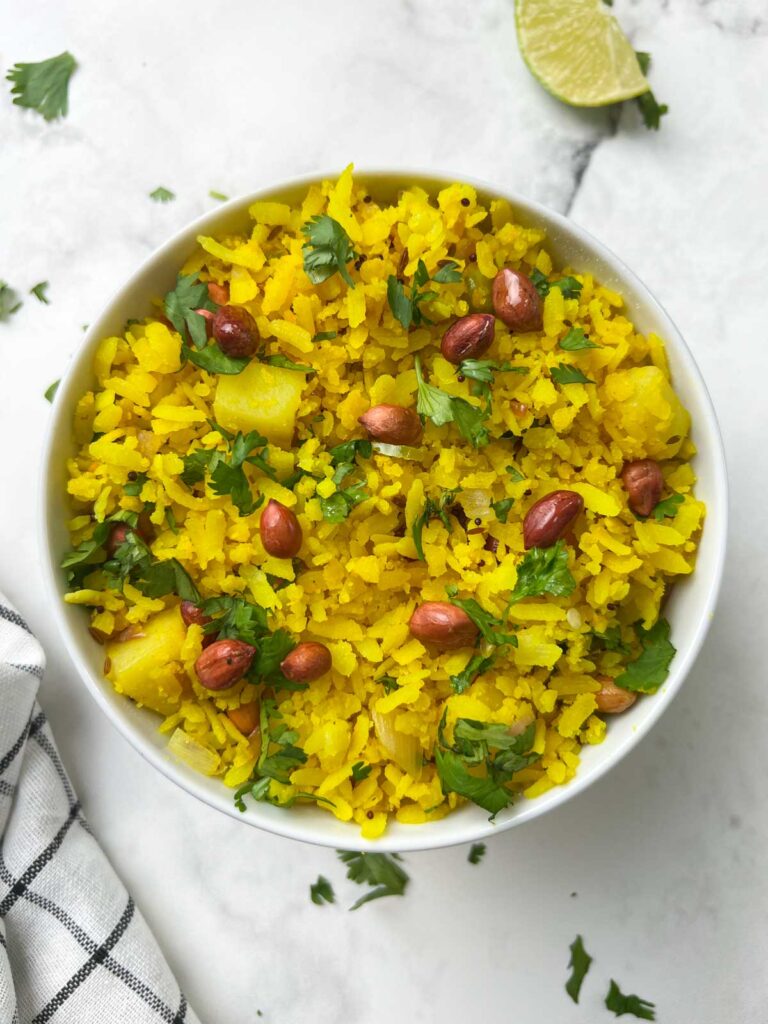
Proper preparation of flattened rice ensures light, fluffy, and non-sticky poha.
- Rinse poha in a colander under cold running water for 1–2 minutes.
- Gently mix with a pinch of salt and let it drain for 5 minutes.
- Allow it to soften slightly without turning mushy; it should retain its shape.
Pro Tip: Avoid soaking poha too long, as over-soaking leads to a sticky texture that is difficult to cook without oil.
Step 3: Cooking Potatoes Without Oil
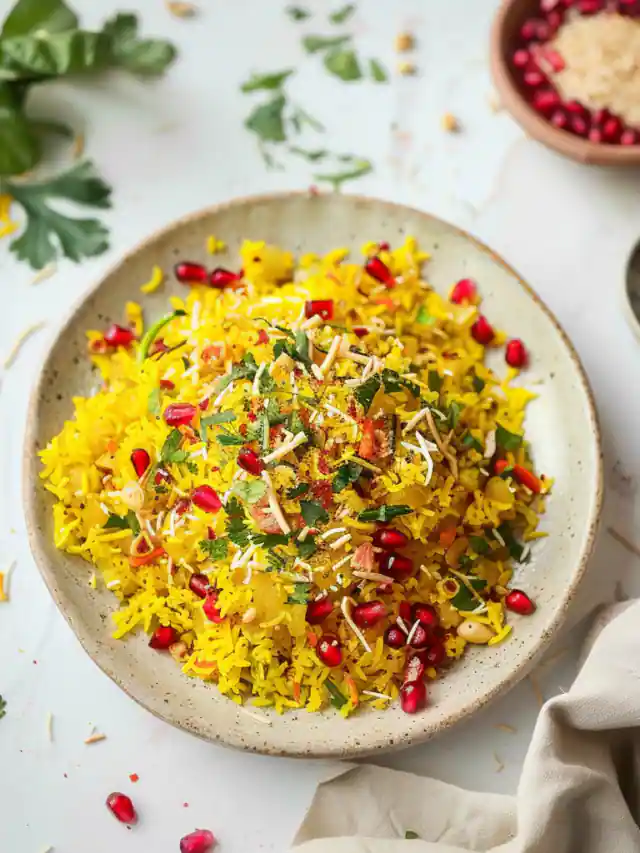
The potatoes form the soft, flavorful base of aloo poha. Cooking without oil requires moisture and patience.
- Place diced potatoes in a non-stick pan or saucepan.
- Add a few tablespoons of water or vegetable stock to prevent sticking.
- Cover and cook on medium flame for 5–7 minutes, stirring occasionally until tender.
Pro Tip: Use a fork to check for doneness; potatoes should be soft but firm enough to hold their shape.
Step 4: Preparing the Flavor Base
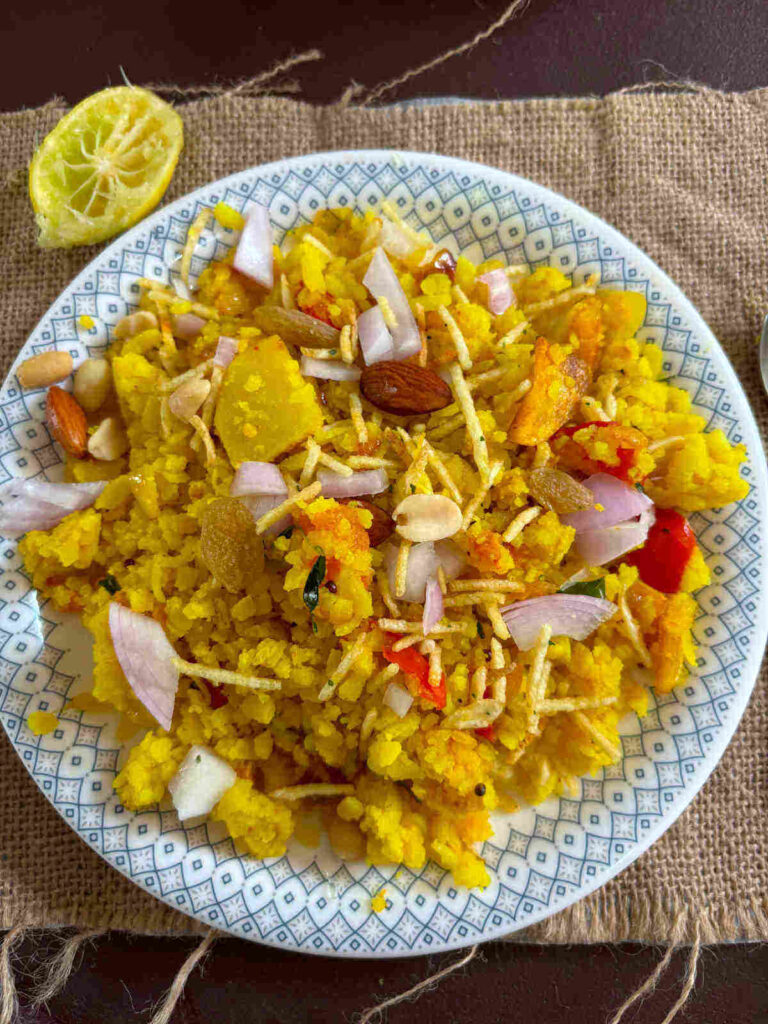
In oil-free cooking, water or stock is used to sauté and bring out flavors.
- In the same pan, add chopped onions, green chilies, and curry leaves.
- Add a tablespoon of water and sauté on medium flame until onions turn translucent.
- Sprinkle turmeric powder and a pinch of salt, mixing well with the onions and cooked potatoes.
Pro Tip: Adding small amounts of water during sautéing prevents burning and helps release the aroma of spices naturally.
Step 5: Combining Poha with Vegetables
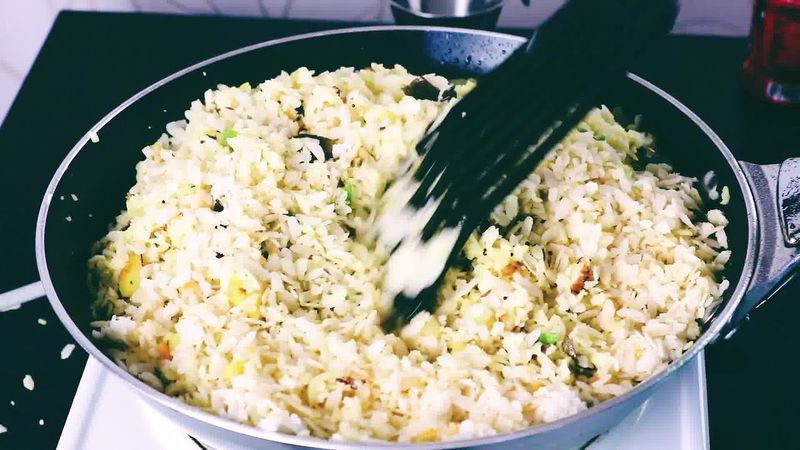
This step brings together softened poha and cooked potatoes into a cohesive dish.
- Add the softened poha to the pan with the potato-onion mixture.
- Sprinkle 1–2 tablespoons of water or stock to moisten if necessary.
- Gently mix all ingredients using a spatula, ensuring poha absorbs flavors without breaking.
- Cover for 2–3 minutes on low flame to allow the poha to heat thoroughly.
Pro Tip: Stir gently to maintain poha’s texture; avoid overmixing as it can become mushy.
Step 6: Garnishing and Serving
Finishing touches enhance flavor, aroma, and visual appeal.
- Squeeze fresh lemon juice over the cooked poha to balance flavors.
- Garnish generously with chopped fresh coriander.
- Optionally, sprinkle roasted peanuts for added crunch and protein.
- Serve immediately while warm.
Pro Tip: For a festive or colorful touch, add grated carrot or finely chopped bell peppers during the final mixing step.
Nutritional Benefits
Oil-free aloo poha is light, nutritious, and balanced, making it ideal for breakfast or snacks:
- Flattened rice: Provides easily digestible carbohydrates for quick energy.
- Potatoes: Source of potassium, vitamin C, and dietary fiber.
- Onions and green chilies: Contain antioxidants and aid digestion.
- Coriander and lemon juice: Boost vitamin C content and enhance flavor naturally.
- No oil: Reduces calorie intake and saturated fat, making it heart-healthy.
This combination ensures a meal that is filling yet light, perfect for maintaining energy levels throughout the morning.
Variations and Enhancements
- Vegetable Aloo Poha: Add peas, carrots, or beans for additional fiber and color.
- Spiced Aloo Poha: Mildly roasted cumin or fennel seeds can be added for aroma without oil.
- Nutty Aloo Poha: Include lightly roasted peanuts or cashews for crunch and protein.
- Tangy Twist: Add a teaspoon of pomegranate seeds or a dash of amchur (dry mango powder) for tanginess.
- Green Poha: Mix in chopped spinach or fenugreek leaves for extra nutrients.
Pro Tip: Experimenting with vegetables and spices keeps the dish interesting and increases its nutritional value.
Common Mistakes to Avoid
- Over-soaking poha: Leads to mushy texture that is difficult to cook without oil.
- Using thick pan heat: High heat can burn vegetables without oil; medium flame works best.
- Not stirring gently: Can break poha and make it sticky.
- Skipping garnish: Lemon juice and coriander enhance taste and visual appeal.
- Overcooking potatoes: They can become mushy and affect the poha’s texture.
Conclusion
Aloo poha without oil is a light, nutritious, and flavorful breakfast that maintains the authentic taste of the traditional dish while promoting health-conscious eating. By following these six steps—selecting ingredients, preparing poha, cooking potatoes, preparing flavor base, combining poha with vegetables, and garnishing—you can enjoy a wholesome, oil-free version at home.
This method ensures minimal fat, maximum nutrition, and a soft yet non-sticky texture that children and adults can enjoy alike. With a few variations, such as adding more vegetables or nuts, aloo poha becomes a versatile dish suitable for everyday breakfasts, brunches, or even light evening meals.
By incorporating oil-free cooking techniques, this version of aloo poha not only supports a healthier lifestyle but also demonstrates that traditional flavors can be preserved without compromising taste.