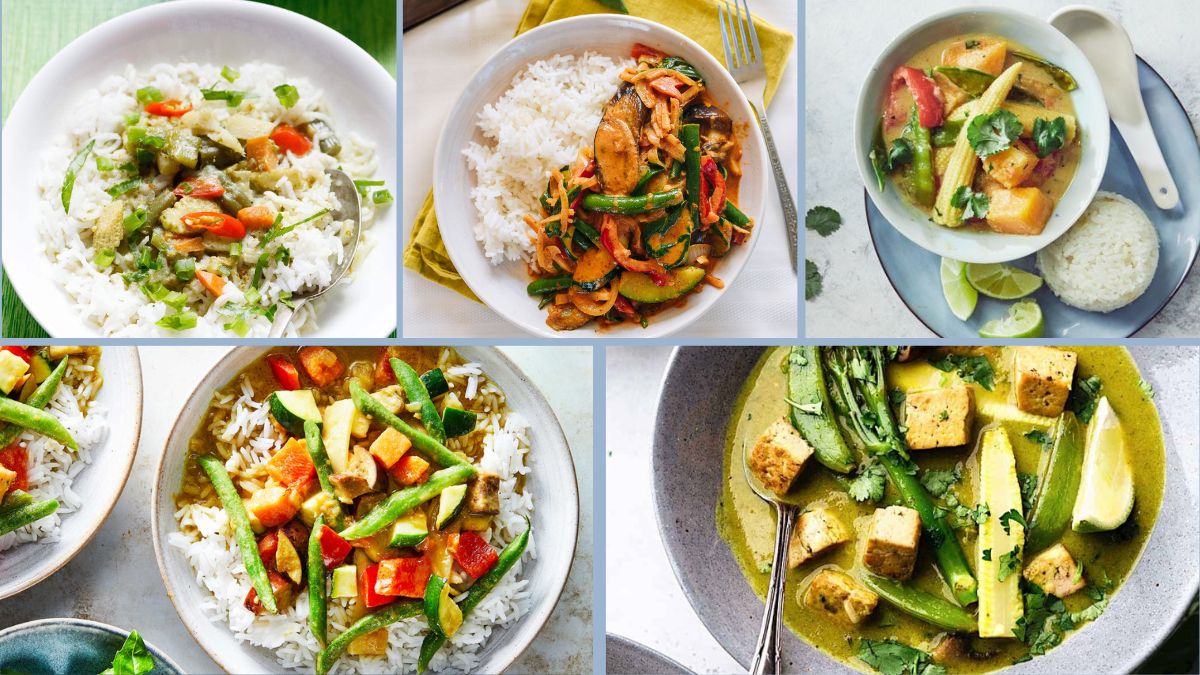
Fusion cuisine reflects the beauty of culinary evolution, blending flavors from different cultures while adapting to local tastes. One exciting example is Vegetable Thai Curry Indian Style—a dish that takes inspiration from the aromatic, coconut-based curries of Thailand and infuses them with Indian spices, vegetables, and culinary techniques. This combination creates a vibrant, nutritious, and flavorful curry that is both familiar and exotic.
This article presents a 7-step recipe for preparing Vegetable Thai Curry Indian Style, including nutritional insights, cultural context, serving suggestions, and expert tips to elevate this dish to a wholesome, vegetarian delight.
Why Vegetable Thai Curry Indian Style?
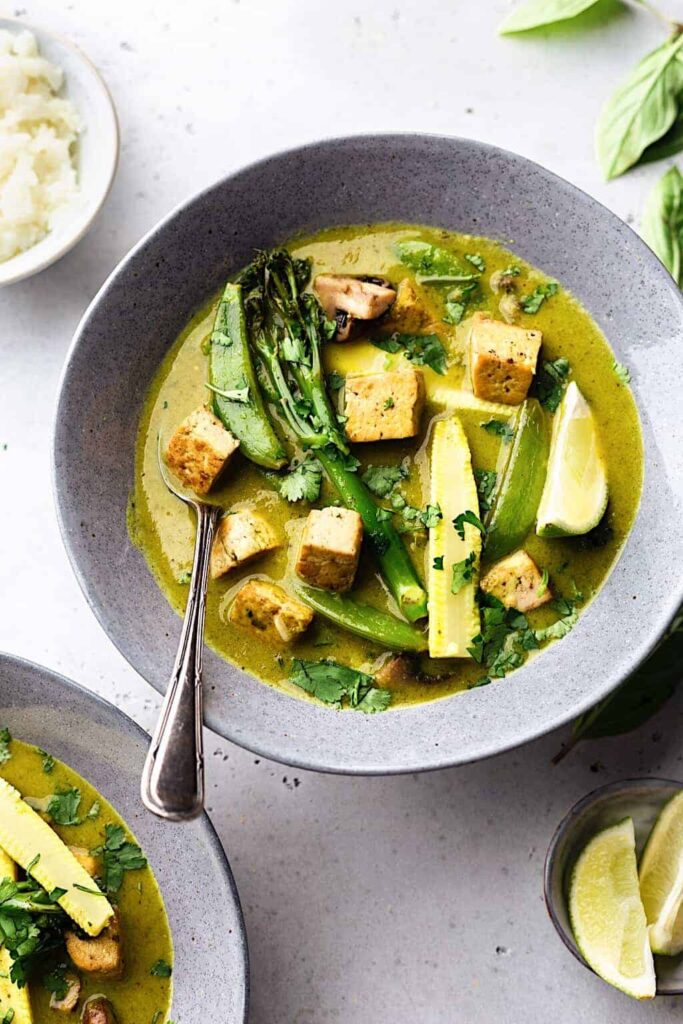
The growing popularity of fusion cuisine can be attributed to its adaptability, creativity, and balance of taste and nutrition. This curry offers several advantages:
- Nutrient-Rich – A variety of vegetables provides fiber, vitamins, and antioxidants.
- Vegetarian-Friendly – Entirely plant-based, suitable for all ages.
- Balanced Flavors – Combines Thai aromatics like coconut milk and lemongrass with Indian spices such as cumin, coriander, and garam masala.
- Quick and Easy – Ready in under 40–50 minutes, ideal for weeknight meals or festive occasions.
- Versatile – Can be paired with rice, roti, or even noodles for a complete meal.
Key Ingredients
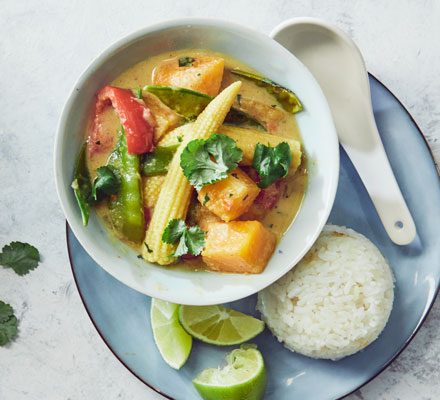
For 4 servings of Vegetable Thai Curry Indian Style, the following ingredients are needed:
Vegetables
- Carrots – 1 cup, chopped
- Bell peppers (capsicum) – 1 cup, sliced
- Green beans – ½ cup, chopped
- Broccoli – 1 cup, florets
- Cauliflower – 1 cup, florets
- Zucchini – 1 small, chopped
Curry Base
- Coconut milk – 1 ½ cups
- Onion – 1 medium, finely chopped
- Garlic – 3–4 cloves, minced
- Ginger – 1-inch piece, grated
- Green chilies – 1–2, chopped (adjust for spice)
- Tomatoes – 1 medium, chopped
- Lemongrass – 1 stalk, crushed lightly (optional)
Indian-Style Spices
- Cumin seeds – ½ tsp
- Mustard seeds – ½ tsp
- Turmeric powder – ¼ tsp
- Coriander powder – 1 tsp
- Garam masala – ½ tsp
- Red chili powder – ½ tsp (adjust for spice)
- Salt – to taste
Garnish
- Fresh coriander leaves – 2 tbsp, chopped
- Lime juice – 1 tsp
- Optional: Cashew paste – 2 tbsp for richness
The 7-Step Recipe
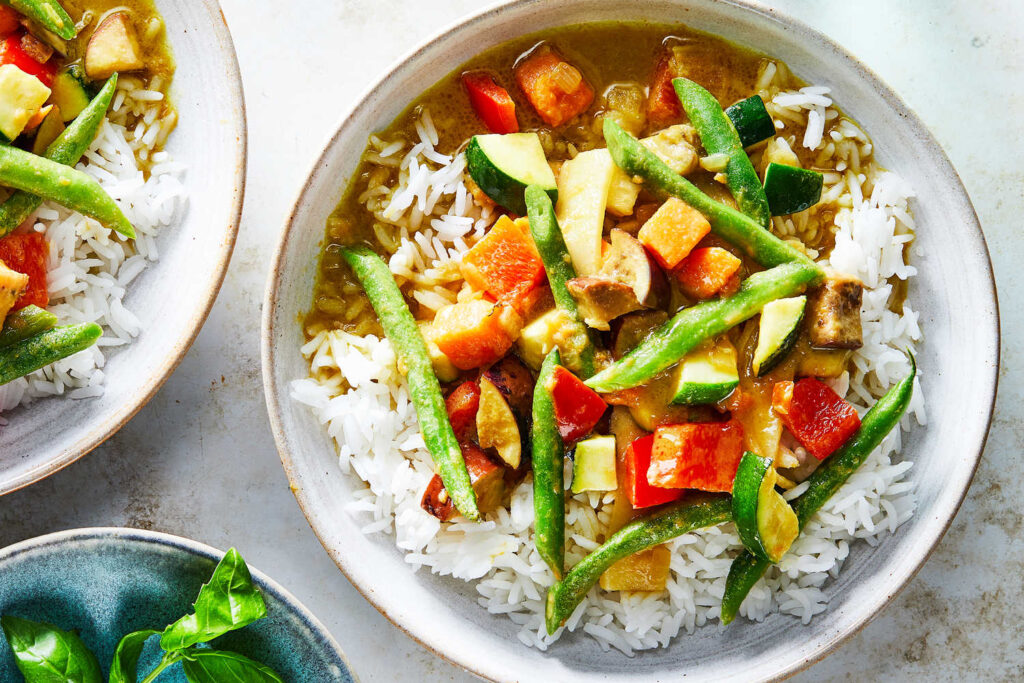
Step 1: Prepare the Vegetables
- Wash, peel, and chop all vegetables uniformly.
- Uniform cutting ensures even cooking and retains a pleasant texture.
- Lightly blanch harder vegetables like carrots, beans, and broccoli to maintain color and tenderness.
Step 2: Prepare the Curry Base
- Heat a non-stick pan and add a splash of water or a small amount of oil (optional).
- Sauté cumin seeds and mustard seeds until aromatic.
- Add chopped onions, garlic, ginger, and green chilies. Cook until onions are translucent.
This step forms the aromatic foundation of the curry, blending Indian and Thai flavors.
Step 3: Add Tomatoes and Spices
- Add chopped tomatoes and cook until soft.
- Incorporate turmeric powder, coriander powder, red chili powder, and garam masala.
- Stir gently until the spices release their aroma and blend with the tomato-onion base.
Step 4: Incorporate Coconut Milk
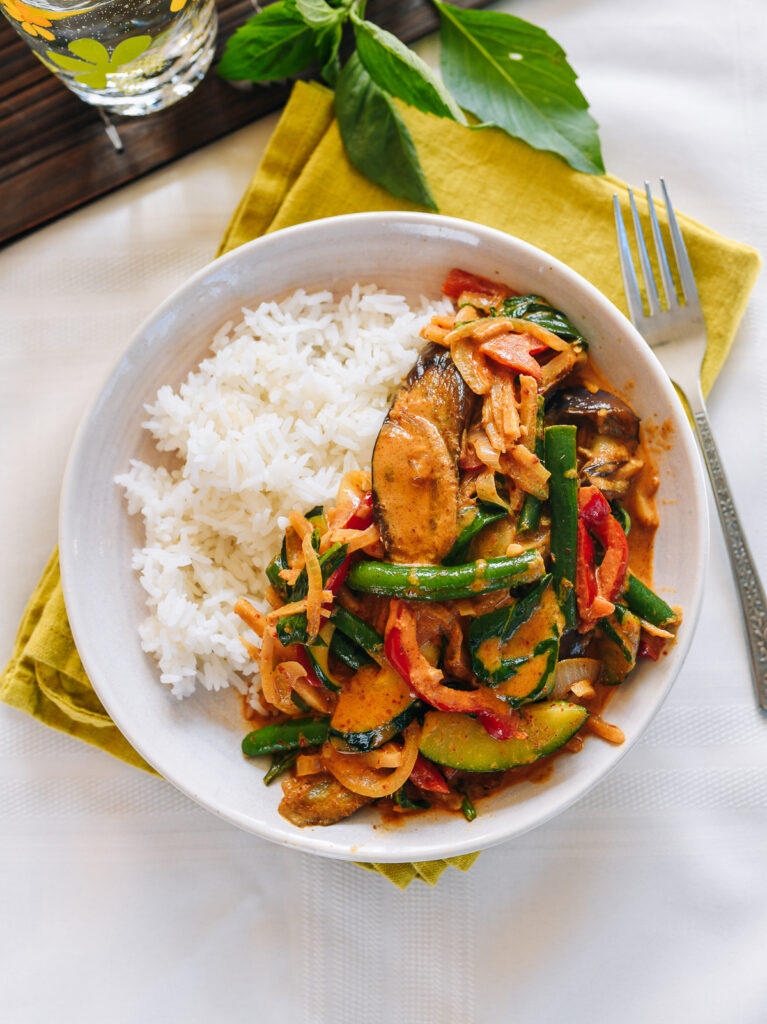
- Pour coconut milk into the pan, stirring gently to combine with the spice mixture.
- Simmer for 5–7 minutes on low heat, allowing the curry to thicken slightly.
- Coconut milk provides creaminess and balances the heat of Indian spices while mimicking the Thai style.
Step 5: Add the Vegetables
- Add all prepared vegetables to the coconut curry base.
- Cover and simmer for 10–15 minutes on medium heat.
- Stir occasionally to ensure vegetables cook evenly and absorb the curry flavors.
This step ensures the curry is nutrient-rich and maintains vibrant colors and textures.
Step 6: Adjust Consistency and Flavor
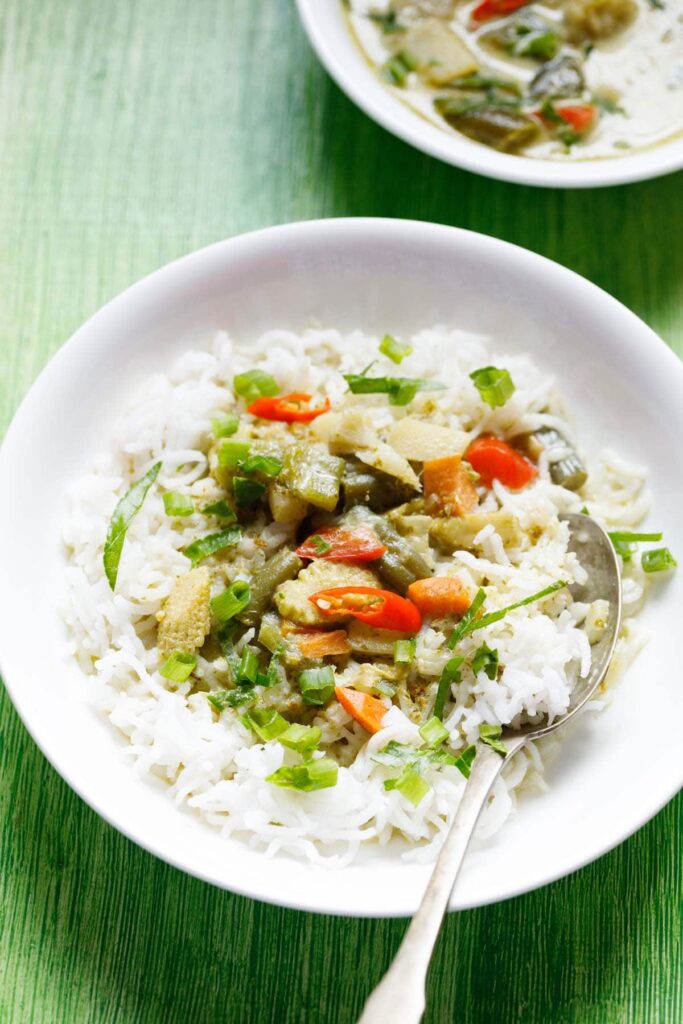
- Check for seasoning and adjust salt or spice level if needed.
- If the curry is too thick, add a small amount of water to achieve the desired consistency.
- Optional: Add cashew paste or a few crushed cashews for extra creaminess.
- Squeeze lime juice for tanginess, balancing the sweetness of coconut milk.
Step 7: Garnish and Serve
- Remove from heat and garnish with freshly chopped coriander leaves.
- Serve hot with steamed rice, roti, or noodles.
- For an extra touch, sprinkle lightly roasted sesame seeds or serve with a wedge of lime on the side.
Serving Suggestions
Vegetable Thai Curry Indian Style is highly versatile:
- With Rice – Pair with steamed basmati or jasmine rice for a wholesome meal.
- With Indian Breads – Enjoy with roti, paratha, or naan for an Indo-Thai fusion experience.
- As a Light Meal – Serve in bowls with minimal accompaniments for a healthy lunch.
- Party Presentation – Garnish with fresh herbs, cashews, and lime wedges for an elegant presentation.
Nutritional Benefits
This fusion curry combines the richness of coconut milk with the nutritional power of vegetables and spices:
- Vegetables – Provide fiber, vitamins A, C, K, and antioxidants that support immunity.
- Coconut Milk – Supplies healthy fats, promoting satiety and enhancing nutrient absorption.
- Spices – Turmeric, cumin, and coriander have anti-inflammatory and digestive properties.
- Lime Juice and Fresh Herbs – Add freshness, vitamin C, and enhance flavor without additional calories.
Approximate nutrition per serving (1 cup curry with vegetables):
- Calories – 180–220 kcal
- Protein – 4–5 g
- Carbohydrates – 15–18 g
- Fat – 12–14 g (from coconut milk)
- Fiber – 5–6 g
Cultural Significance
Vegetable Thai Curry Indian Style is an example of global culinary integration:
- Thai Influence – Uses coconut milk, lemongrass, and aromatic vegetables, characteristic of Southeast Asian curries.
- Indian Adaptation – Infuses familiar spices like turmeric, garam masala, and cumin, appealing to the Indian palate.
- Fusion Cuisine – Illustrates how traditional dishes can be adapted across cultures while maintaining nutritional value.
- Vegetarian-Friendly – Aligns with India’s predominantly plant-based culinary preferences, making it accessible and wholesome.
Expert Tips for Perfect Curry
- Uniform Vegetable Sizes – Ensures even cooking and pleasing texture.
- Simmer Gently – Avoid high heat to prevent coconut milk from curdling.
- Blanch Hard Vegetables – Retains color, texture, and nutrients.
- Balance Spices and Sweetness – Coconut milk adds sweetness; lime juice adds tanginess—adjust to taste.
- Use Fresh Herbs – Fresh coriander enhances aroma and presentation.
- Cashew Paste Optional – Adds richness without overpowering the curry.
- Serve Immediately – Curry tastes best fresh; leftovers can be reheated gently.
Comparison: Traditional Thai vs Indian-Style Vegetable Curry
| Feature | Traditional Thai Curry | Indian-Style Vegetable Curry (Fusion) |
|---|---|---|
| Base | Coconut milk and Thai spices | Coconut milk and Indian spices |
| Flavor Profile | Sweet, tangy, mildly spicy | Bold, aromatic, balanced sweetness |
| Vegetables | Local Thai vegetables | Indian vegetables (carrot, beans, capsicum) |
| Serving | Rice or noodles | Rice, roti, or noodles |
| Spice Adaptation | Mild-moderate | Adjustable to Indian palate |
| Nutritional Focus | Balanced | High in fiber and plant protein |
This demonstrates how Indian-style adaptations cater to local preferences while preserving the essence of Thai curry.
Conclusion
The Vegetable Thai Curry Indian Style is a vibrant and nutritious dish that celebrates the fusion of culinary traditions. By following this 7-step recipe—preparing vegetables, making the curry base, adding tomatoes and spices, incorporating coconut milk, cooking vegetables, adjusting consistency, and garnishing—you can create a wholesome, flavorful, and visually appealing curry.
This dish brings together the creaminess of coconut milk, the freshness of vegetables, the warmth of Indian spices, and the aromatic influence of Thai ingredients. Perfect for lunch, dinner, or festive occasions, it embodies the essence of global fusion cuisine adapted for the Indian vegetarian palate.
Whether for family meals, hosting guests, or experimenting with flavors, Vegetable Thai Curry Indian Style demonstrates that healthy, vegetarian cooking can be exotic, comforting, and full of character—all on a single plate.