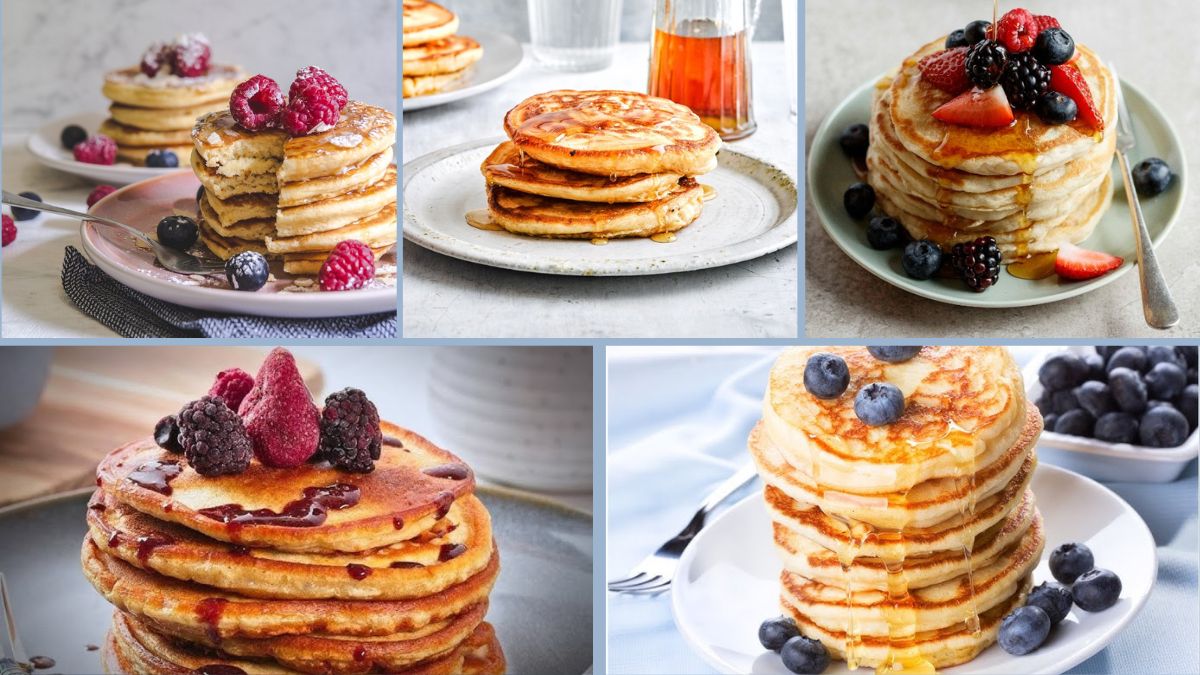
Few breakfast dishes evoke comfort and joy quite like a stack of pancakes. Their golden-brown surface, tender bite, and fluffy interior symbolize morning indulgence, whether served with syrup, fruits, or nut butter. Traditionally, pancakes rely on eggs and milk to achieve lift, tenderness, and richness. However, as plant-based diets become more popular, home cooks and professional chefs alike are discovering ways to replicate—if not improve—the classic pancake experience without animal-derived ingredients.
The secret lies not in one magical substitution, but in a collection of thoughtful strategies. By understanding the science of ingredients and applying careful techniques, anyone can achieve light, airy, and flavorful vegan pancakes every single morning. Below are ten proven hacks, each rooted in culinary knowledge and practical experimentation, to guarantee consistent success.
Hack 1: Choose the Right Egg Substitute
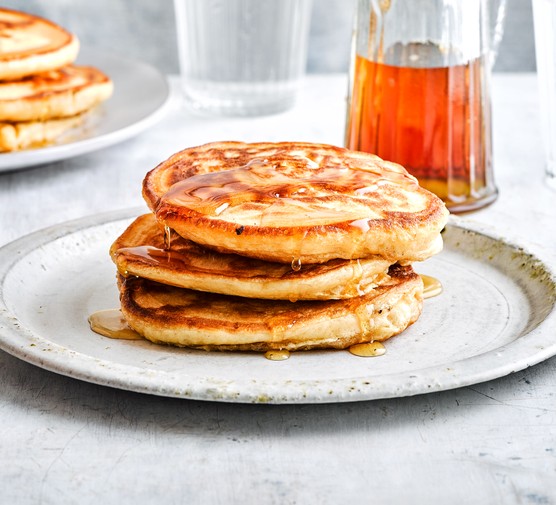
Eggs usually provide structure and aeration in pancakes, but several vegan alternatives replicate these roles:
- Flaxseed or Chia Gel: Mix 1 tablespoon ground flaxseed or chia seeds with 3 tablespoons water. Let it sit until gel-like, then add to batter. This provides binding without heaviness.
- Mashed Banana: Half a ripe banana per egg replacement adds moisture and natural sweetness.
- Applesauce: ¼ cup unsweetened applesauce works well, keeping the pancakes soft.
- Baking Soda + Vinegar: Combine 1 teaspoon baking soda with 1 tablespoon vinegar (apple cider or white). The fizz provides lift and fluffiness.
Science Insight: The mucilage in flax and chia mimics egg proteins by creating viscosity, while acidic reactions with baking soda generate carbon dioxide, giving rise to airy pancakes.
Hack 2: Opt for the Best Plant-Based Milk
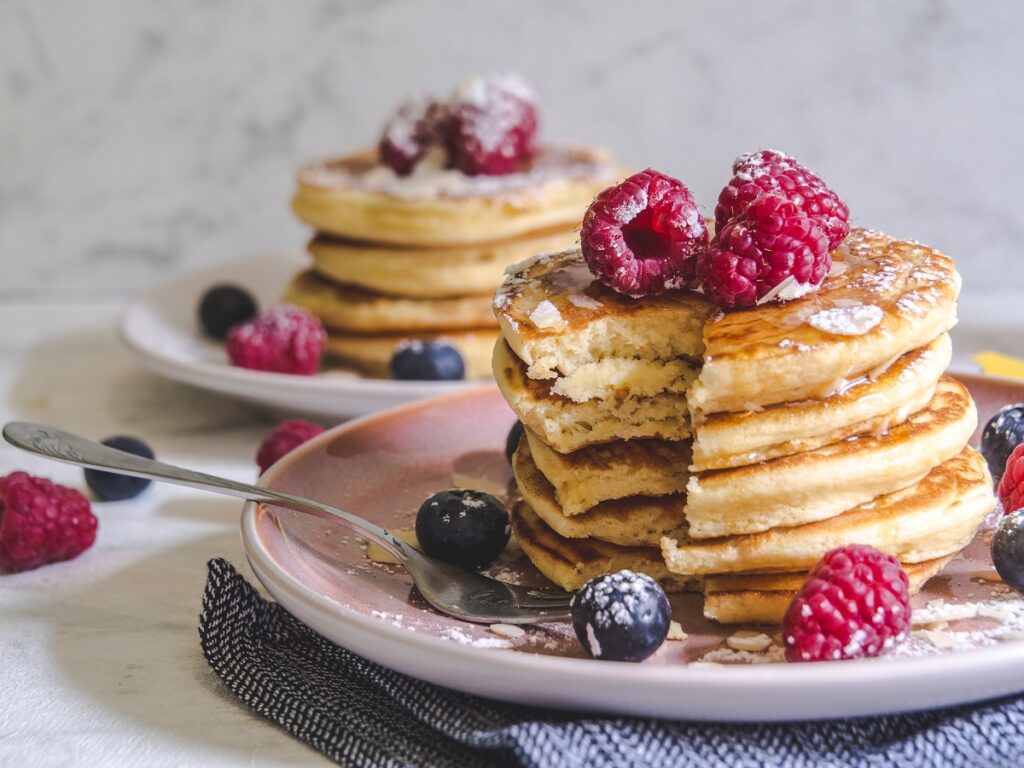
The choice of liquid influences flavor and texture. While water works in emergencies, plant-based milks elevate pancakes.
- Soy Milk: High in protein, it curdles beautifully with vinegar, mimicking buttermilk.
- Oat Milk: Neutral flavor, naturally creamy, perfect for classic-style pancakes.
- Almond or Cashew Milk: Light and nutty, pairs well with fruit toppings.
- Coconut Milk: Adds richness, ideal for tropical-inspired pancakes.
Tip: Always mix plant milk with a teaspoon of vinegar or lemon juice to create “vegan buttermilk.” The acidity reacts with leavening agents, improving fluffiness.
Hack 3: Use a Balanced Flour Blend
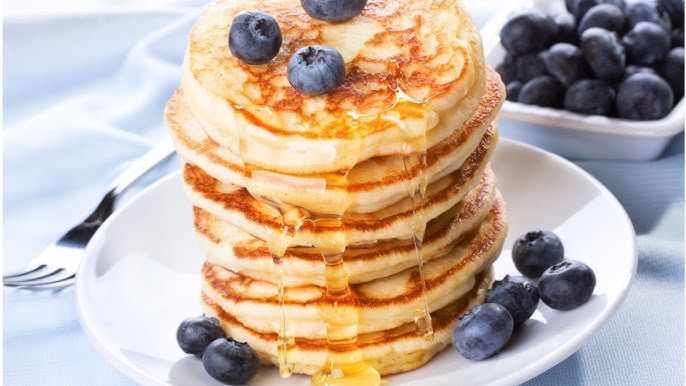
Flour contributes structure, but choosing wisely prevents dense pancakes.
- All-Purpose Flour: Reliable and produces consistent results.
- Whole Wheat Flour: Adds fiber and nutty flavor but can weigh pancakes down—use a 50:50 mix with all-purpose.
- Oat Flour: Creates tender, slightly chewy pancakes. Best blended with wheat flour for structure.
- Gluten-Free Blends: A mix of rice flour, potato starch, and tapioca flour works well if bound with xanthan gum.
Food Science Note: Gluten develops when flour proteins hydrate. Too much mixing strengthens gluten, making pancakes tough. The solution is gentle folding until just combined.
Hack 4: Control the Batter Consistency
The perfect pancake batter should be thick yet pourable. Too thin, and the pancakes spread flat; too thick, and they cook unevenly.
Rule of Thumb: Aim for a consistency similar to heavy cream. Adjust by adding a splash of plant milk if too thick or a spoon of flour if too runny.
Tip: Let the batter rest for 5–10 minutes before cooking. This hydrates the flour and allows leavening agents to activate, resulting in better lift.
Hack 5: Harness the Power of Leavening Agents
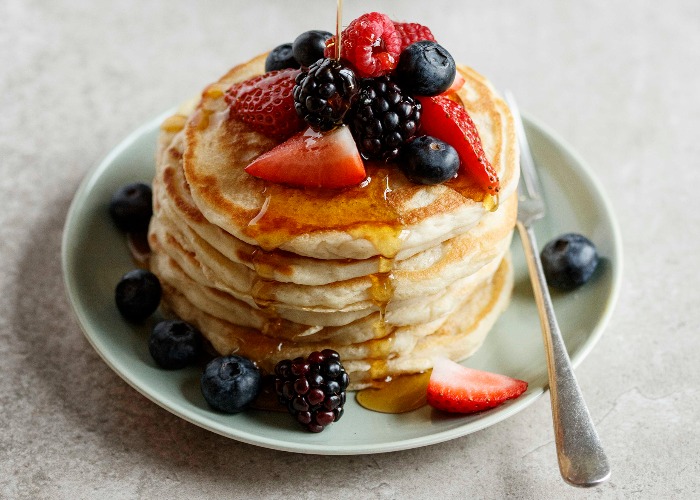
Leavening is the key to fluffiness.
- Baking Powder: The most reliable option, releasing gas as soon as it contacts liquid and again during baking.
- Baking Soda + Acid: Combine with vinegar, lemon juice, or vegan buttermilk for extra lift.
Pro Hack: Use 1 teaspoon baking powder + ½ teaspoon baking soda with an acidic liquid for tall, cloud-like pancakes.
Food Science Insight: Carbon dioxide bubbles trapped within the batter expand under heat, creating the airy structure.
Hack 6: Keep the Pan Temperature Steady
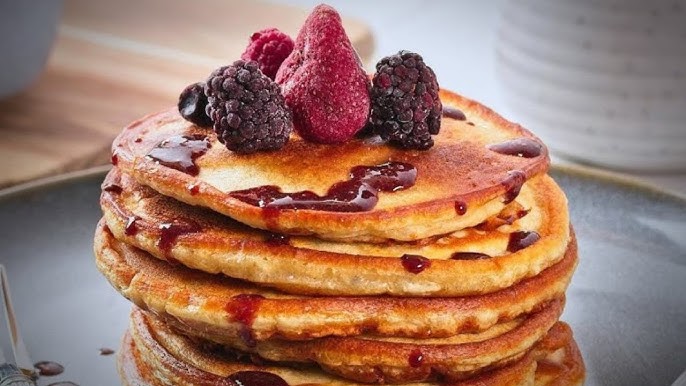
Cooking pancakes requires temperature control.
- Medium Heat is Best: Too hot, and pancakes burn outside but stay raw inside. Too low, and they dry out before browning.
- Test with Water Drops: Sprinkle a few drops of water on the pan—if they dance and evaporate steadily, the pan is ready.
- Nonstick or Cast Iron Skillet: Both hold heat evenly. Lightly oil or grease before pouring batter.
Tip: Resist flipping too soon. Wait until bubbles form on the surface and edges look set—usually 2–3 minutes—before turning.
Hack 7: Add Extra Moisture and Flavor with Mix-Ins
Vegan pancakes benefit from mix-ins that enhance taste and texture.
- Fresh Fruits: Blueberries, raspberries, or chopped apples add bursts of juiciness.
- Spices: Cinnamon, nutmeg, or cardamom add warmth.
- Nuts and Seeds: Walnuts, pecans, or pumpkin seeds provide crunch and nutrients.
- Chocolate Chips: Use vegan dark chocolate for indulgence.
Science Note: Moist ingredients like fruit release water during cooking, keeping pancakes tender, while fat-rich additions like nuts contribute richness.
Hack 8: Don’t Overmix the Batter
Perhaps the most common mistake in pancake-making is overmixing. Vigorous stirring activates gluten and knocks out air, producing flat, chewy pancakes.
Solution: Mix wet and dry ingredients separately, then fold them together gently. A few lumps are acceptable—they disappear during cooking.
Analogy: Treat pancake batter like muffin batter—minimal handling for maximum fluff.
Hack 9: Stack and Serve Smartly
Presentation affects enjoyment almost as much as flavor.
- Keep Warm: Place cooked pancakes on a plate covered with a clean towel or keep them in a low oven (90°C / 200°F) until serving.
- Layer with Toppings: Spread nut butter, jam, or vegan yogurt between pancakes for decadent layers.
- Classic Garnish: A drizzle of maple syrup and a sprinkle of powdered sugar never fails.
- Healthy Twist: Top with chia jam, sliced bananas, or toasted seeds.
Cultural Note: In many traditions, pancakes symbolize abundance and celebration—stacking them high adds to the ritual of indulgence.
Hack 10: Experiment with Flavors and Styles
The beauty of vegan pancakes lies in their adaptability. Once the base recipe is mastered, variations bring excitement to the breakfast table:
- Tropical Pancakes: Use coconut milk and add shredded coconut with pineapple chunks.
- Savory Pancakes: Reduce sugar and mix in herbs, spinach, or grated zucchini. Serve with vegan sour cream or hummus.
- Protein-Packed Pancakes: Add a scoop of plant protein powder or blend chickpea flour into the mix.
- Dessert Pancakes: Layer with melted vegan chocolate and strawberries for a decadent treat.
Tip: Keep a record of your variations—like a pancake diary—so you can revisit your favorites or refine recipes.
Conclusion
Achieving fluffy vegan pancakes every morning is not about compromise, but about creativity and understanding food science. By carefully selecting egg substitutes, balancing flours, mastering batter consistency, and controlling cooking conditions, anyone can create stacks that rival or even surpass traditional recipes.
These ten hacks prove that plant-based cooking is not only possible but exciting, opening doors to endless variations and healthier choices. Whether enjoyed with fruit and tea on a weekday morning or stacked high with maple syrup on a lazy weekend, vegan pancakes deliver comfort, joy, and nourishment—without a single non-veg ingredient.
So tomorrow morning, gather your ingredients, heat your skillet, and put these hacks to the test. A fluffy, golden stack of vegan pancakes awaits.