
Among the many comfort foods that warm our tables during autumn and winter, few can rival the elegance and satisfaction of butternut squash soup. With its golden color, velvety texture, and subtle sweetness, this soup is both nourishing and versatile. Traditionally, recipes may call for cream or animal-based broth, but a rich, plant-based version is not only possible—it often tastes fresher and more vibrant.
Achieving the perfect butternut squash soup requires more than simply simmering vegetables together. It depends on understanding flavors, textures, and cooking methods that unlock the best qualities of this naturally sweet vegetable. In this article, we’ll uncover six secrets that transform butternut squash soup into a culinary masterpiece—creamy, aromatic, and wholesome, without relying on any non-vegetarian ingredients.
Secret 1: Choose and Prepare the Squash Thoughtfully
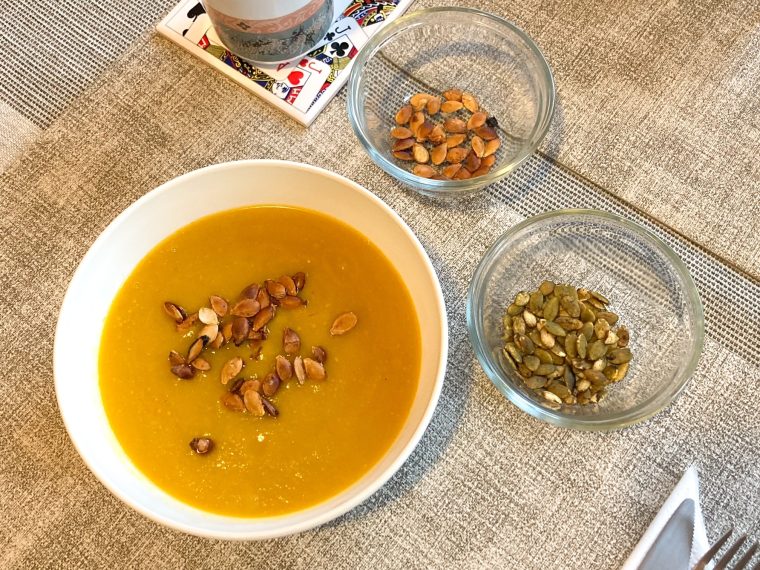
The foundation of a great soup begins with quality produce. Butternut squash is known for its natural sweetness, smooth texture, and bright orange flesh.
- Selecting the Squash: Look for firm squash with matte, unblemished skin. A heavy feel indicates ripeness and dense flesh. Avoid squash with soft spots or cracks.
- Peeling and Cutting: Though intimidating at first, peeling becomes easier with a sharp vegetable peeler. Slice off both ends, peel the skin, and cut into cubes for even cooking.
- Roasting vs. Boiling: For deeper flavor, roast the squash cubes at 200°C (400°F) with a drizzle of olive oil until caramelized. Roasting enhances sweetness through the Maillard reaction. Boiling or steaming works too, but it yields a milder taste.
Food Science Insight: Roasting breaks down starches into simple sugars, intensifying the natural sweetness of the squash. This caramelization step is a shortcut to richness without adding sugar.
Secret 2: Build Layers of Flavor with Aromatics
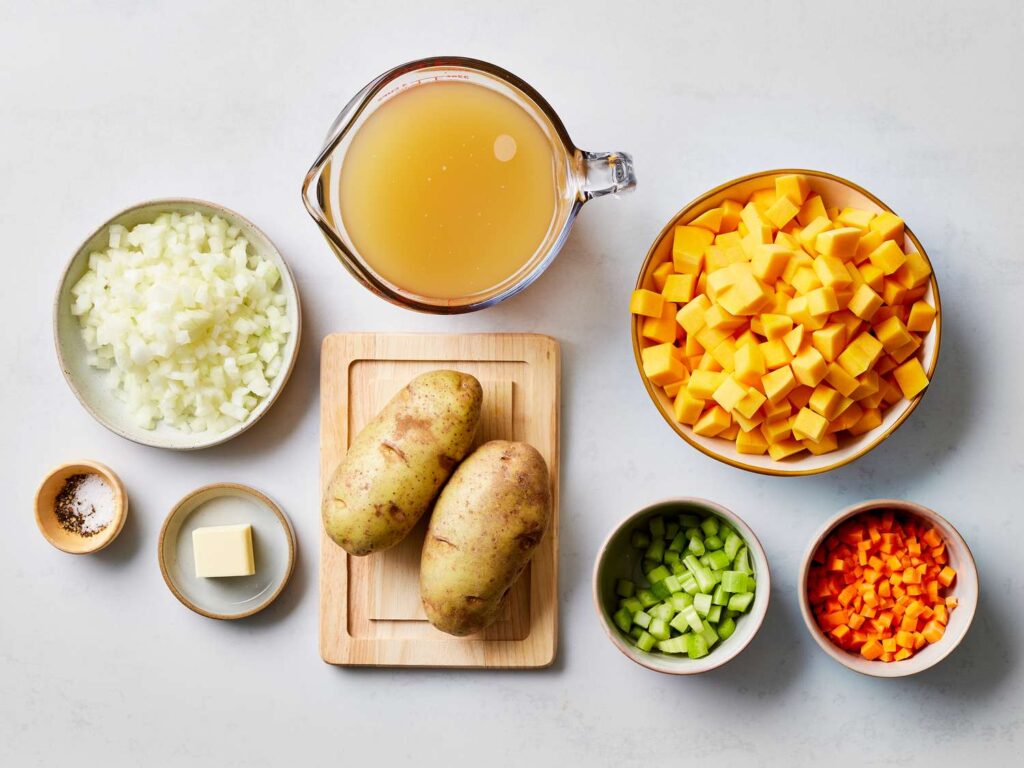
Soup without aromatics risks tasting flat. The right combination of vegetables and spices creates depth.
- Onions and Garlic: Essential base flavors. Onions bring sweetness; garlic adds warmth and complexity.
- Carrots or Celery (Optional): Carrots reinforce sweetness, while celery adds a subtle earthy note.
- Spices: A touch of nutmeg, cinnamon, or smoked paprika complements squash’s sweetness. For a savory profile, add cumin or turmeric.
- Fats for Sautéing: Olive oil or coconut oil replaces butter, providing plant-based richness.
Technique: Slowly sauté onions and garlic over medium heat until translucent. Add carrots or spices afterward to release essential oils, creating a fragrant base before adding the squash.
Science Note: Aromatics release volatile compounds when gently heated in fat. These compounds form the “flavor foundation” that permeates the entire soup.
Secret 3: Use the Right Liquid Base

Liquid transforms roasted or sautéed vegetables into a soup. The choice of liquid determines body and balance.
- Vegetable Broth: A classic option for depth of flavor. Look for low-sodium varieties to control salt levels.
- Coconut Milk: Adds creaminess and mild sweetness, pairing beautifully with squash.
- Cashew Cream: Blend soaked cashews with water for a neutral, silky base.
- Oat or Soy Milk: Excellent alternatives for lighter creaminess without strong flavor.
Pro Hack: Combine vegetable broth with a splash of plant-based cream for balance between richness and brightness.
Science Insight: Plant-based fats in coconut milk or cashew cream coat the palate, mimicking the luxurious mouthfeel of dairy cream while maintaining a vegan profile.
Secret 4: Seasoning and Balancing Flavors
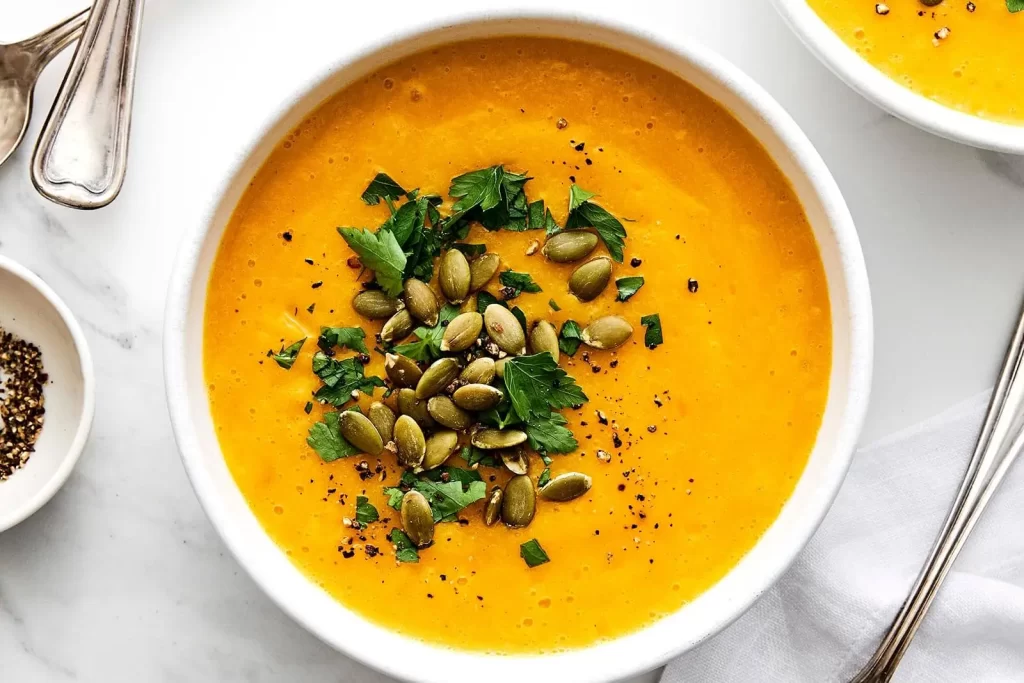
Butternut squash is naturally sweet, so seasoning is essential to prevent an overly sugary profile.
- Salt: Draws out natural sweetness and balances flavors. Add gradually during cooking.
- Acidity: A splash of lemon juice, apple cider vinegar, or even a diced tomato cuts through sweetness and brightens the soup.
- Herbs: Fresh thyme, rosemary, or sage complement squash beautifully. Add during simmering for infusion and garnish with fresh herbs before serving.
- Pepper and Heat: Black pepper or a pinch of chili flakes introduces contrast to the sweetness.
Food Science Insight: Acids reduce the perception of sweetness and balance fat, while herbs add volatile aromatic oils that enhance the soup’s complexity.
Secret 5: Perfecting the Texture through Blending
Texture distinguishes an average soup from a restaurant-quality dish.
- Immersion Blender: Convenient and safe for hot liquids, blending directly in the pot for a smooth texture.
- Countertop Blender: Produces the silkiest results but requires transferring in batches.
- For Extra Creaminess: Blend a portion of the soup with cashew cream or coconut milk, then return it to the pot.
Tip: If the soup becomes too thick, adjust with vegetable broth until the desired consistency is achieved.
Science Note: Blending breaks down plant fibers and starches, suspending them evenly in liquid. This creates a naturally thick, creamy consistency without needing flour or dairy.
Secret 6: Serving and Garnishing with Style

Presentation elevates a simple bowl of soup into a dining experience.
- Toppings for Contrast: Drizzle with olive oil, swirl in coconut cream, or sprinkle toasted pumpkin seeds for crunch.
- Bread Pairings: Serve with warm sourdough, garlic toast, or vegan focaccia for balance.
- Fresh Garnishes: Chopped parsley, cilantro, or basil add brightness. A pinch of smoked paprika or chili powder creates color contrast.
- Texture Variations: For a rustic soup, blend only half the mixture, leaving chunks of squash intact.
Cultural Note: In many cuisines, soups are not only meals but rituals of comfort and hospitality. A beautifully garnished butternut squash soup embodies warmth and care.
Conclusion
The perfect butternut squash soup depends on more than a recipe—it relies on thoughtful preparation and understanding of flavor science. By applying these six secrets—choosing quality squash, building flavor with aromatics, selecting the right liquid base, balancing seasonings, blending for texture, and presenting with style—you can transform a humble vegetable into a sophisticated, plant-based dish.
This approach demonstrates that creaminess and depth do not require dairy or non-vegetarian ingredients. Instead, careful technique and natural plant-based alternatives unlock the full potential of butternut squash.
Whether enjoyed as a comforting weeknight dinner or served elegantly at a gathering, this soup captures the essence of wholesome, modern cooking: simple ingredients elevated through knowledge and care.