
Potato leek soup, or Potage Parmentier as it is traditionally known in French cuisine, is a timeless comfort dish. Its creamy texture, subtle sweetness, and delicate aroma make it an elegant yet nourishing option for any meal. While classic recipes often include cream or butter, modern plant-based adaptations can achieve the same velvety richness without animal products.
Achieving a smooth, flavorful potato leek soup requires attention to ingredients, cooking techniques, and seasoning. Here, we explore eight secrets to crafting a soup that is not only creamy and luxurious but also fully vegetarian, hearty, and satisfying.
Secret 1: Choose the Right Potatoes
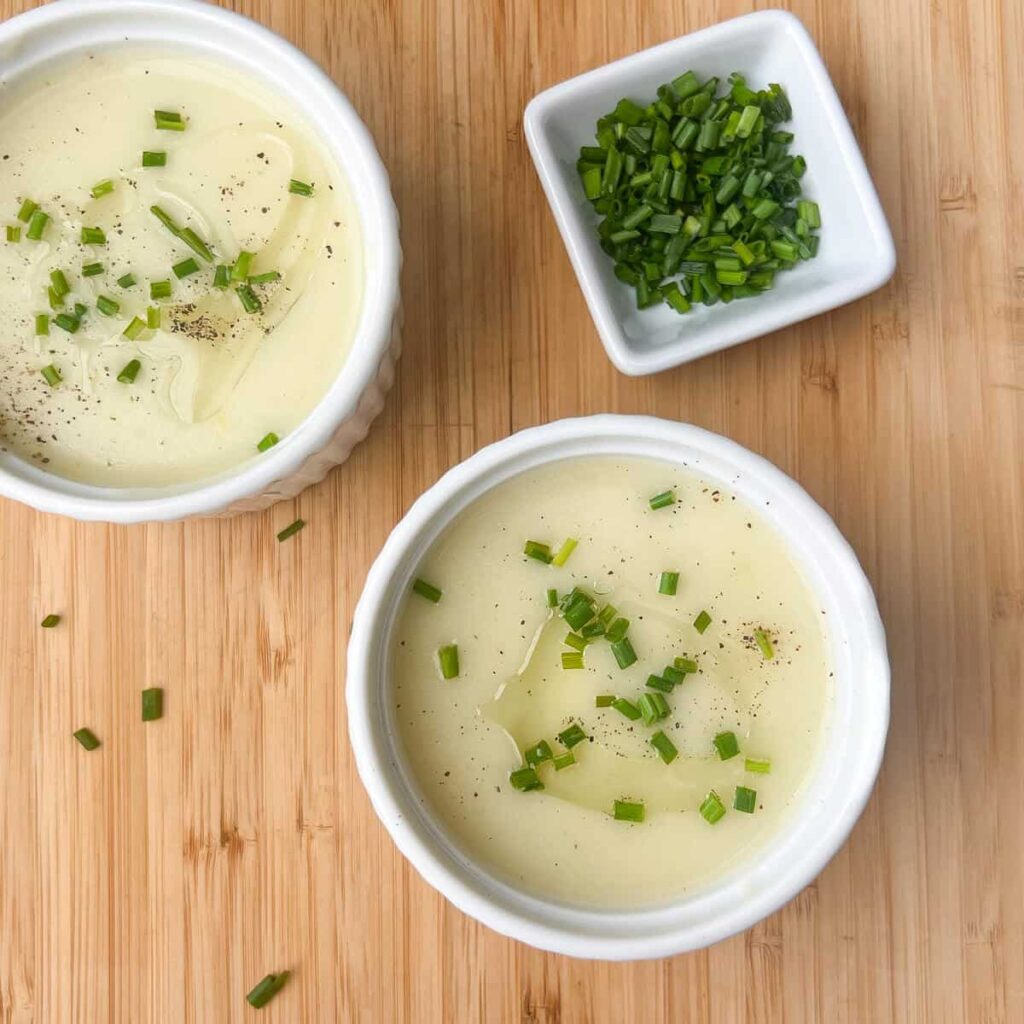
Potatoes are the backbone of the soup, providing both body and starch for natural creaminess.
- Starchy Potatoes: Varieties such as Russets or Yukon Golds break down easily during cooking, creating a smooth texture. Yukon Golds offer a buttery flavor even without dairy.
- Waxy Potatoes: Red or fingerling potatoes can be used for chunkier soups but will yield a less creamy base.
- Cutting Technique: Dice potatoes into uniform pieces to ensure even cooking and consistent texture.
Food Science Insight: Starch molecules in potatoes gelatinize when heated, absorbing liquid and thickening the soup naturally. This eliminates the need for flour or cream as thickeners.
Secret 2: Prepare Leeks Properly

Leeks provide the aromatic heart of this soup, contributing subtle sweetness and a mild onion flavor.
- Cleaning: Leeks often contain sand between layers. Slice and rinse thoroughly under running water to remove grit.
- White and Light Green Parts: These portions are tender and flavorful. Dark green tops can be reserved for stock or garnish.
- Slicing: Thinly slice for even cooking and smooth blending.
Pro Tip: Sauté leeks gently in plant-based oil until soft but not browned. This releases natural sugars without adding bitterness.
Secret 3: Build a Flavorful Base
Even the simplest soup benefits from a thoughtful base of aromatics and seasoning.
- Aromatics: Onion, garlic, and celery can be sautéed along with leeks to deepen flavor.
- Fats: Use olive oil or plant-based butter to gently cook aromatics. This adds richness and carries flavors.
- Herbs and Spices: Bay leaves, thyme, and a pinch of nutmeg enhance depth without overpowering.
Science Insight: Sautéing aromatics triggers the Maillard reaction, developing complex flavor compounds. Fat molecules help release these volatile compounds, creating a fuller aroma.
Secret 4: Use the Right Liquid

The choice of liquid is crucial to achieving a creamy yet balanced soup.
- Vegetable Broth: Provides a savory base. Homemade broth made from onion, celery, carrots, and herbs adds extra depth.
- Plant-Based Cream Alternatives: Coconut milk, oat cream, or cashew cream can enhance richness and smoothness.
- Water (Optional): Can be used if broth is unavailable, but flavor may be less complex.
Pro Hack: For extra umami, add a small piece of kombu or a few dried mushrooms while simmering, then remove before blending.
Food Science Insight: Adding fat and starch together emulsifies the soup, creating a smooth, creamy texture without dairy.
Secret 5: Simmer Gently and Evenly
Cooking technique affects both flavor and texture.
- Simmer, Don’t Boil: High heat can break down potatoes too quickly, creating grainy textures.
- Cooking Time: Simmer until potatoes are fully tender, usually 20–30 minutes. Stir occasionally to prevent sticking.
- Layering Flavors: Add herbs early to allow infusion; adjust seasoning toward the end.
Science Note: Slow cooking allows starch granules to absorb liquid gradually, yielding natural thickness and silkiness.
Secret 6: Blend for Perfect Smoothness

Blending transforms cooked ingredients into velvety perfection.
- Immersion Blender: Convenient for direct pot blending.
- Countertop Blender: Achieves ultra-smooth results, though soup should cool slightly before blending in batches.
- Texture Adjustment: For chunkier soups, blend only half the mixture and fold it back.
Pro Tip: For extra silkiness, stir in plant-based cream or cashew cream after blending. This keeps the soup glossy and luscious.
Science Insight: Blending disrupts cell walls, releasing starch and fiber into the liquid, naturally thickening and smoothing the soup.
Secret 7: Balance Flavor with Acidity and Salt

Even the creamiest soup benefits from brightening elements.
- Salt: Enhances the natural sweetness of potatoes and leeks. Add gradually throughout cooking.
- Acidity: A splash of lemon juice or apple cider vinegar at the end balances richness and prevents the soup from tasting flat.
- Optional Garnishes: Fresh herbs, a drizzle of olive oil, or a sprinkle of smoked paprika adds aroma and visual appeal.
Pro Tip: Taste the soup multiple times while cooking—potatoes absorb salt quickly, so seasoning must be layered carefully.
Secret 8: Serve Thoughtfully
Presentation and accompaniments elevate the dining experience.
- Serving Temperature: Serve hot but not boiling; extreme heat can dull flavor perception.
- Garnishes: Crispy croutons, roasted seeds, or thinly sliced leek tops add texture.
- Accompaniments: Pair with rustic bread, sourdough toast, or a light salad to complete the meal.
- Make-Ahead Tip: Potato leek soup tastes even better the next day as flavors meld. Reheat gently over low heat to maintain texture.
Cultural Note: In France, this soup is traditionally enjoyed as a starter, but its heartiness makes it a satisfying main course in modern vegetarian meals.
Conclusion
Velvety potato leek soup is a classic comfort dish that can be effortlessly transformed into a vegetarian masterpiece. By following these eight secrets—choosing the right potatoes, preparing leeks properly, building a flavorful base, selecting the right liquid, simmering gently, blending perfectly, balancing flavors, and serving thoughtfully—you can create a soup that is creamy, aromatic, and deeply satisfying.
This plant-based adaptation shows that richness and elegance do not require dairy or meat. Instead, careful ingredient selection, culinary technique, and attention to detail yield a soup that warms both body and soul.
Whether served as a simple weeknight dinner, an elegant starter for guests, or reheated for a nourishing lunch, potato leek soup exemplifies how humble ingredients can achieve sophistication through care and knowledge. With these strategies, every bowl can capture the timeless comfort of a classic French soup—smooth, flavorful, and undeniably velvety.