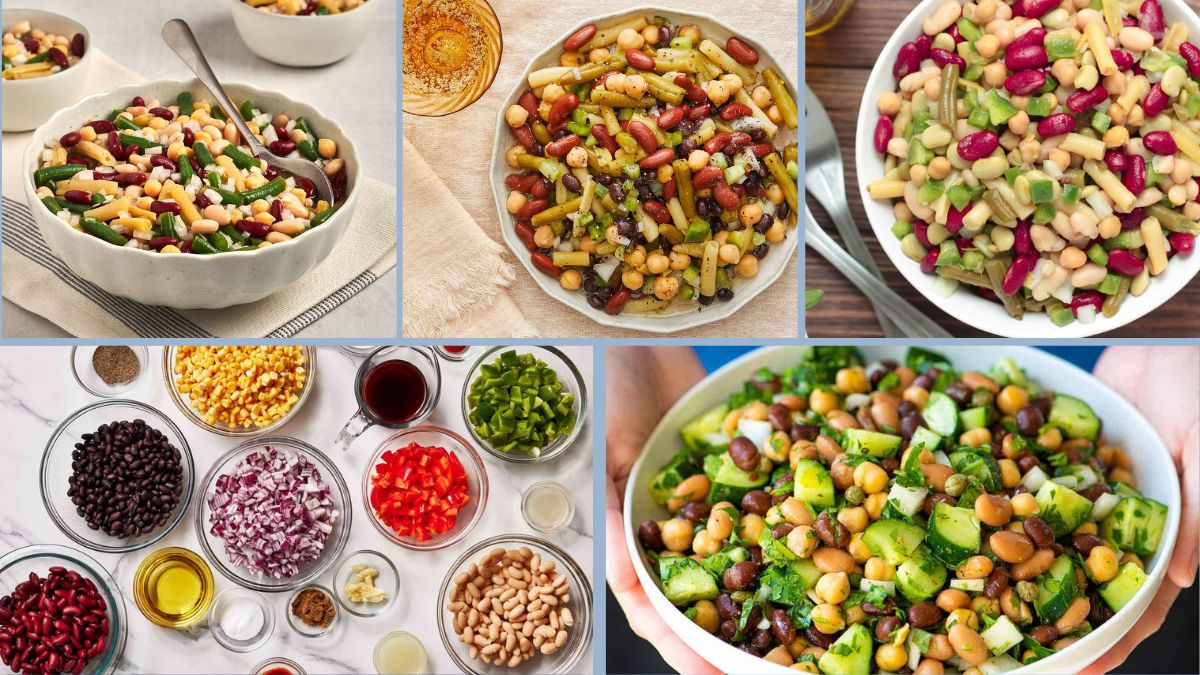
Bean salads are the unsung heroes of healthy eating: they are protein-rich, fiber-packed, versatile, and endlessly customizable. Whether you’re preparing a quick weekday lunch, a potluck dish, or a refreshing dinner side, bean salads offer a perfect balance of nutrition and flavor. Best of all, they are plant-based and can be adapted to suit countless dietary preferences without sacrificing taste.
But crafting a truly great bean salad is about more than tossing beans and vegetables together. To make it nutritious, satisfying, and flavorful, you need the right approach. Here are five steps to creating a bean salad that is wholesome, delicious, and worthy of being a staple in your kitchen.
Step 1: Choose a Variety of Beans
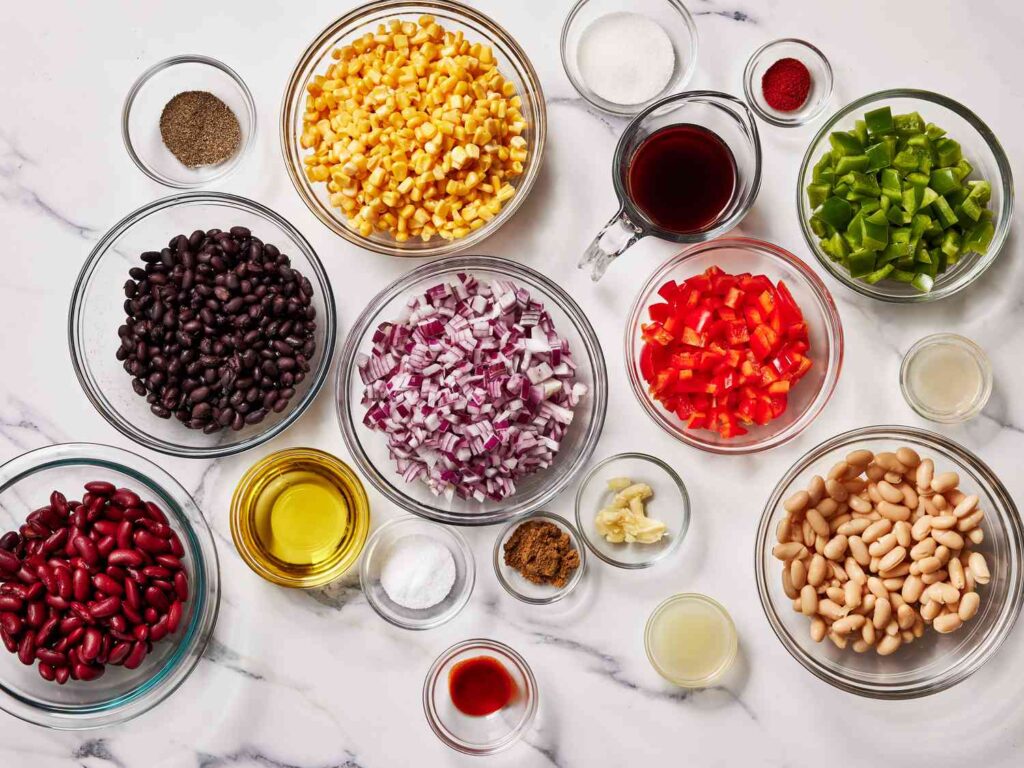
The heart of a bean salad lies in its legumes. Using a mix of beans not only enhances nutritional value but also adds visual appeal and texture.
- Classic Choices: Kidney beans, black beans, chickpeas, and cannellini beans.
- Other Options: Lima beans, navy beans, or adzuki beans.
- Texture Play: Combine firm beans (like chickpeas) with softer ones (like black beans) for variety.
Pro Tip: If using canned beans, rinse thoroughly under cold water to remove excess sodium and starch. If cooking dried beans, soak overnight and cook until tender but not mushy.
Nutrition Insight: Beans are rich in plant-based protein, iron, magnesium, and soluble fiber, which aids digestion and helps regulate blood sugar. By combining different beans, you create a broader nutrient spectrum.
Step 2: Add Fresh, Colorful Vegetables
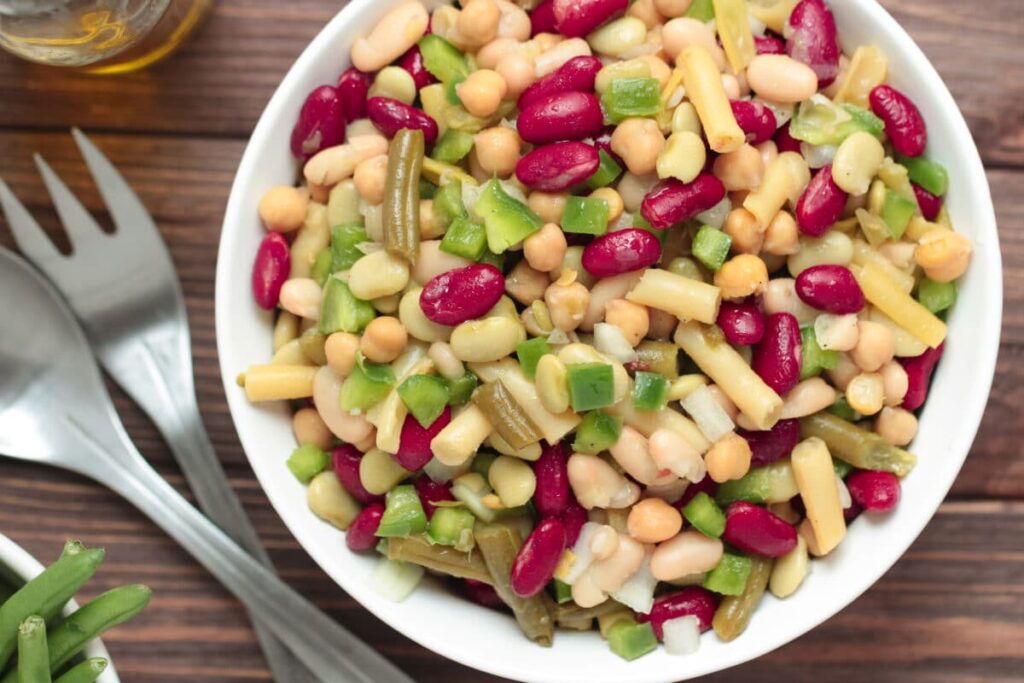
Vegetables bring crunch, freshness, and extra vitamins to your bean salad. They also introduce color contrast, making the dish visually appealing.
- Crunchy Veggies: Bell peppers, cucumbers, celery, or radishes.
- Sweet Notes: Corn kernels, cherry tomatoes, or shredded carrots.
- Leafy Greens: Spinach, arugula, or kale to bulk up the salad.
- Zing Factor: Red onions or scallions add sharpness and depth.
Pro Tip: Dice vegetables evenly for a consistent bite and polished presentation.
Science Insight: The pigments in colorful vegetables (like carotenoids in carrots and anthocyanins in red cabbage) are antioxidants that reduce oxidative stress in the body.
Styling Hack: Aim for at least three to four colors in your salad—this not only improves nutrition but also makes the dish more Instagram-worthy.
Step 3: Build Flavor with Herbs and Aromatics
Fresh herbs and aromatics are the secret weapons in bean salads. They brighten flavors and add complexity.
- Herbs: Parsley, cilantro, dill, or basil for freshness.
- Aromatics: Garlic, ginger, or finely chopped shallots for depth.
- Citrus Zest: Lemon or lime zest provides a refreshing lift.
Pro Tip: Add herbs just before serving to preserve their aroma and vibrant green color.
Science Note: Herbs like cilantro and basil contain essential oils that are volatile, meaning their aroma diminishes with heat and time. Adding them fresh keeps your salad lively and fragrant.
Step 4: Create a Balanced Dressing
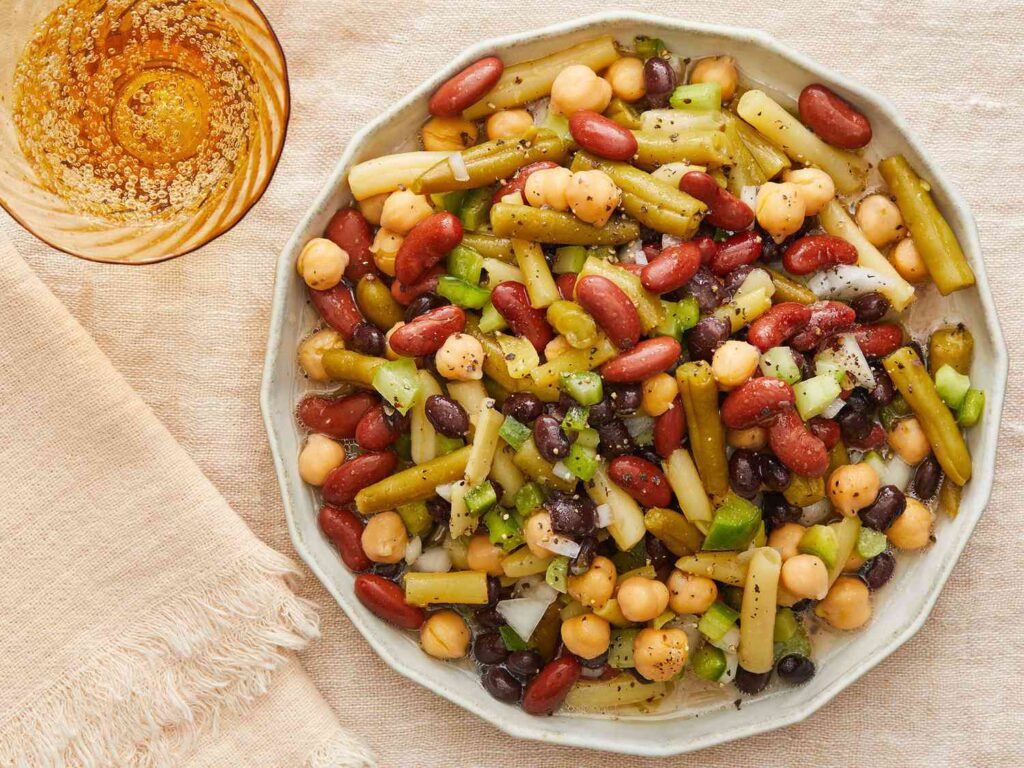
The dressing ties the beans and vegetables together into a cohesive dish. A good dressing should balance acidity, fat, sweetness, and saltiness.
- Acid: Lemon juice, lime juice, or apple cider vinegar brightens flavors.
- Fat: Extra virgin olive oil or avocado oil provides creaminess and helps absorb fat-soluble vitamins.
- Sweetness: Maple syrup or agave balances acidity.
- Salt & Depth: Sea salt, tamari, or miso add savory complexity.
Pro Tip: Whisk the dressing until emulsified, or shake in a jar for convenience. Taste and adjust seasoning before pouring over your salad.
Science Insight: Emulsification (blending oil and acid into a stable mixture) ensures even coating on beans and vegetables, creating a creamy, cohesive texture.
Styling Hack: Drizzle a little extra dressing on top just before serving for a glossy finish.
Step 5: Add Texture and Garnishes
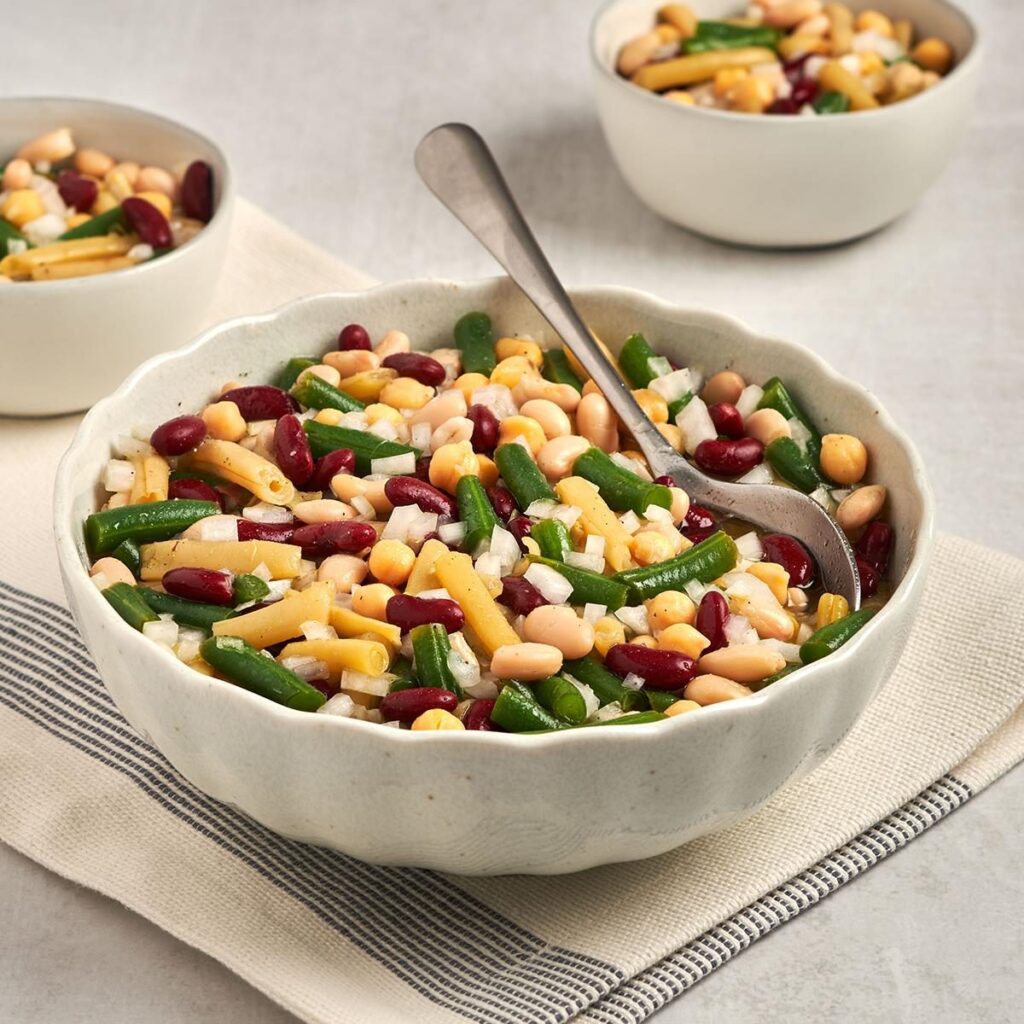
Texture is what makes a bean salad exciting to eat. Adding crunch, creaminess, or unexpected garnishes transforms it from ordinary to exceptional.
- Crunch Factor: Toasted pumpkin seeds, sunflower seeds, or crushed nuts.
- Creaminess: Avocado cubes or tahini drizzle.
- Extra Depth: Olives, capers, or roasted red peppers for bursts of flavor.
- Finishing Touches: Freshly ground black pepper, chili flakes, or microgreens.
Pro Tip: Keep garnishes fresh and add them just before serving to maintain crunch and color.
Food Science Note: Crunchy garnishes provide textural contrast against soft beans, creating a balanced mouthfeel that keeps each bite interesting.
Bonus Tips for Success
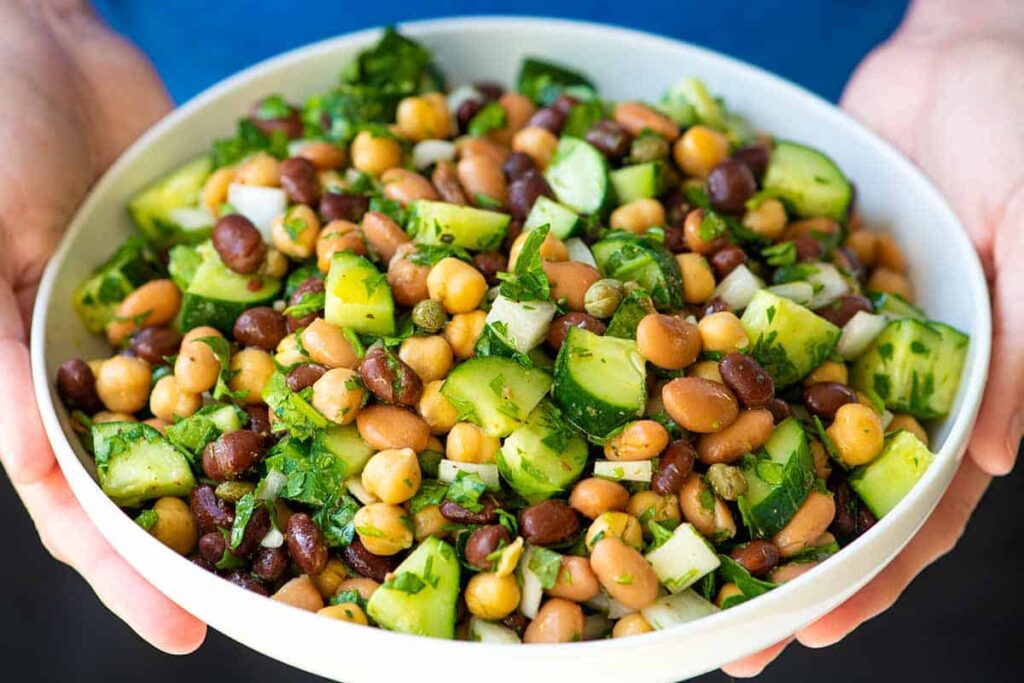
- Meal Prep Friendly: Bean salads hold up well in the fridge for 3–4 days. Store dressing separately if you prefer crunchier vegetables.
- Temperature Matters: Serve slightly chilled or at room temperature; extreme cold can mute flavors.
- Protein Boost: Add marinated tofu, tempeh, or quinoa for even more satiety.
- Seasoning Layering: Don’t rely on dressing alone—season beans and vegetables lightly before mixing.
- Portioning: Use a wide, shallow bowl for serving; it showcases ingredients beautifully and makes mixing easier.
Conclusion
A bean salad is more than just a quick dish—it’s a powerhouse of nutrition, flavor, and texture. By following these five steps—choosing a variety of beans, adding colorful vegetables, building flavor with herbs and aromatics, creating a balanced dressing, and finishing with texture and garnishes—you can craft a bean salad that is both wholesome and delicious.
This plant-based dish demonstrates that healthy eating can be satisfying and exciting. Every ingredient, from protein-packed beans to crunchy vegetables and zesty dressings, plays a role in creating harmony on the plate. Whether served as a light lunch, a hearty side, or the centerpiece of a meal, bean salads are versatile, affordable, and endlessly customizable.
By mastering these steps, you’ll not only improve your culinary skills but also create a dish that nourishes the body, delights the senses, and adds a splash of color to your table. With thoughtful preparation, your bean salad can be both nutritious fuel and a culinary masterpiece.