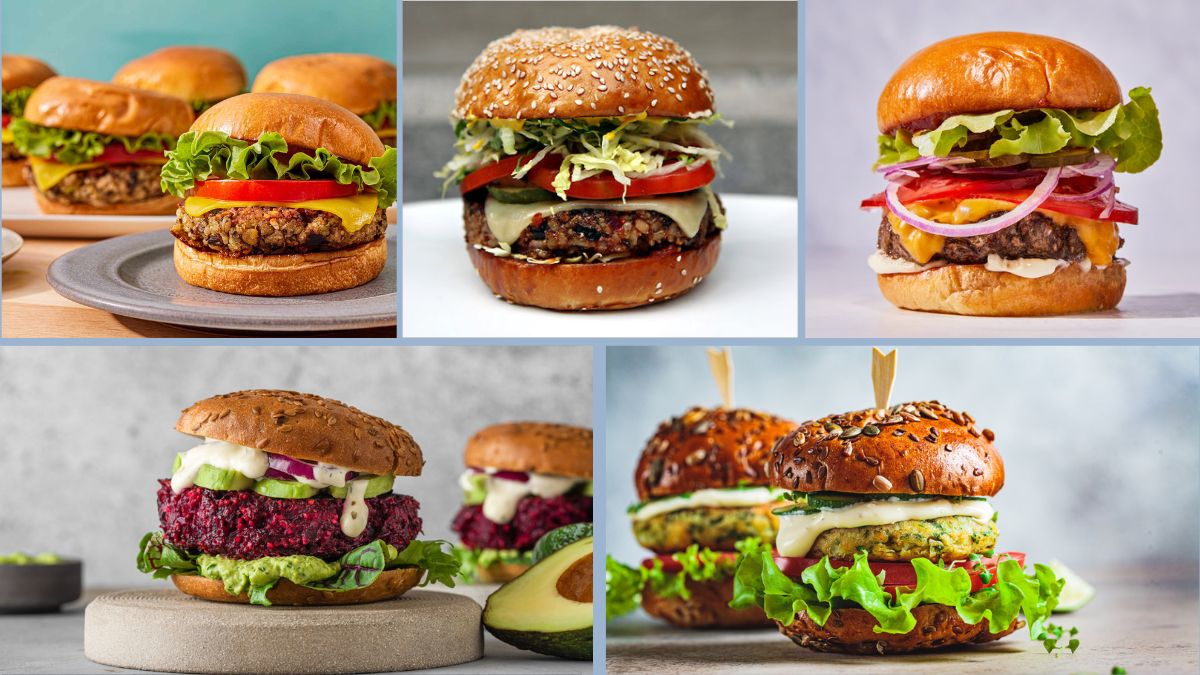
Veggie burgers have become a staple of plant-based cuisine, offering a hearty, nutritious, and delicious alternative to meat-based patties. Yet, anyone who has attempted to make them at home knows the challenges: patties that are bland, mushy, or—worst of all—fall apart before they even reach the bun.
Crafting the perfect veggie burger is a balance of flavor, texture, and binding. Unlike meat, which naturally holds together through fat and protein, plant-based ingredients require more thoughtful preparation. By applying the right techniques, you can create burgers that are flavorful, firm, and satisfying. Here are six secrets to help you master the art of veggie burger making.
Secret 1: Choose the Right Base Ingredients
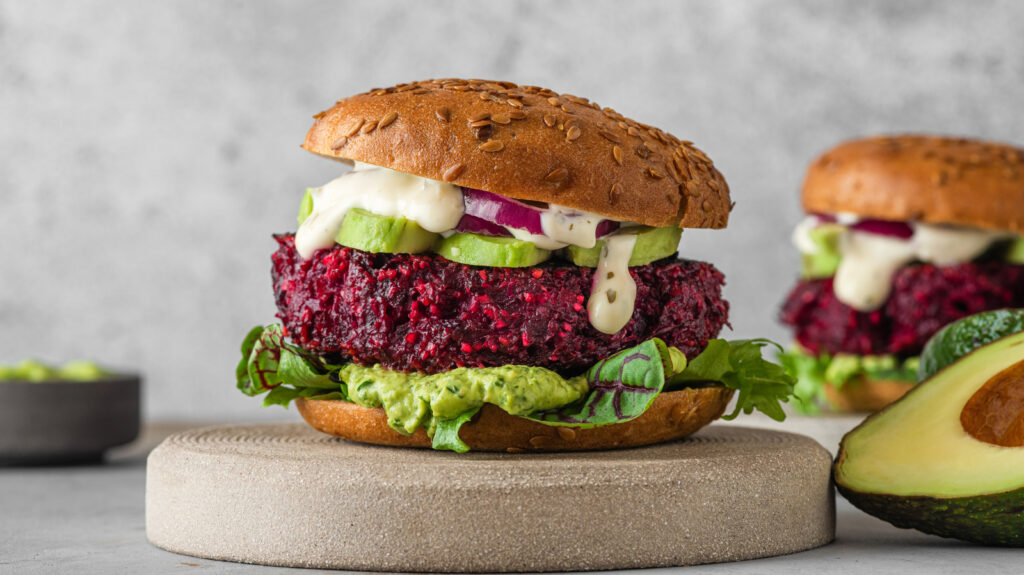
The base is the foundation of your veggie burger. It determines the texture, flavor, and nutritional value of the patty.
- Legumes: Black beans, chickpeas, and lentils add protein and fiber.
- Vegetables: Mushrooms, beets, zucchini, or carrots bring moisture and depth.
- Whole Grains: Brown rice, quinoa, or bulgur provide structure and chew.
- Nuts & Seeds: Walnuts, sunflower seeds, or flaxseeds add richness and crunch.
Pro Tip: Avoid relying on only one base ingredient. A mix of legumes, grains, and vegetables ensures balance and prevents mushiness.
Nutrition Insight: Combining legumes with whole grains forms a complete protein, supplying all essential amino acids for a satisfying plant-based meal.
Secret 2: Master Moisture Control
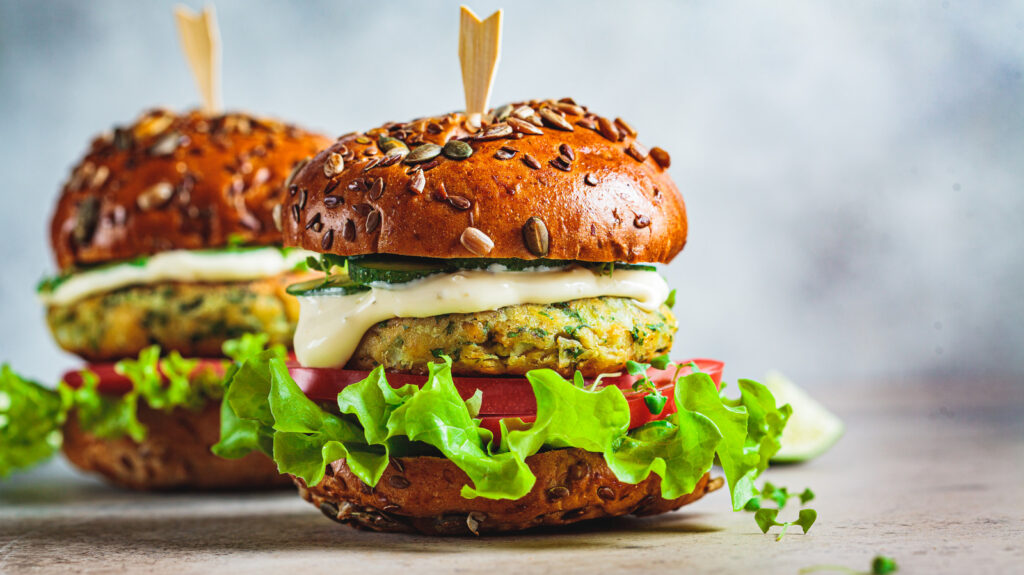
One of the biggest issues with veggie burgers is too much moisture, which leads to soggy, crumbly patties.
- Cook Vegetables First: Sauté mushrooms, onions, or zucchini to release water before mixing.
- Drain Legumes Properly: If using canned beans, rinse and dry thoroughly. Mash only part of them to maintain texture.
- Use Absorbents: Ingredients like oats, breadcrumbs, or ground flaxseed soak up excess moisture.
Pro Tip: After mixing, refrigerate the burger mixture for 30 minutes. This helps ingredients firm up and bind together before shaping.
Science Insight: Excess water interferes with binding agents, weakening the structure of the patty. Absorbent ingredients create balance, ensuring the burger holds its form during cooking.
Secret 3: Use Effective Binders
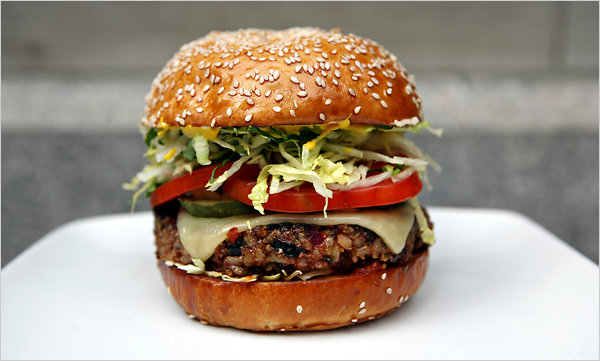
Without the natural proteins in meat, veggie burgers need binding agents to hold everything together.
- Flax or Chia Egg: Mix 1 tablespoon ground flaxseed or chia with 3 tablespoons water. Let sit until gel-like.
- Nut Butters: Peanut or almond butter adds creaminess and acts as a binder.
- Mashed Ingredients: Sweet potatoes, cooked quinoa, or even mashed beans help bind.
- Breadcrumbs: Traditional or gluten-free options add structure.
Pro Tip: Combine at least two binders (e.g., flax egg + breadcrumbs) for maximum stability.
Science Insight: Flax and chia seeds contain mucilage, a gel-forming fiber that mimics the binding effect of eggs, helping the burger hold together during cooking.
Secret 4: Layer in Bold Flavors
A veggie burger should never taste bland. Since plant-based bases are milder than meat, seasoning is essential.
- Herbs & Spices: Cumin, smoked paprika, coriander, garlic powder, and chili flakes add warmth.
- Umami Boosters: Soy sauce, tamari, miso, or nutritional yeast enhance depth.
- Fresh Ingredients: Cilantro, parsley, or green onions brighten flavor.
- Roasted Vegetables: Caramelized onions, roasted beets, or peppers provide sweetness and smokiness.
Pro Tip: Taste the burger mixture before shaping. Adjust seasoning at this stage rather than after cooking.
Food Science Note: Umami-rich ingredients activate glutamate receptors on the tongue, giving plant-based burgers the same savory satisfaction as meat.
Secret 5: Perfect the Cooking Method
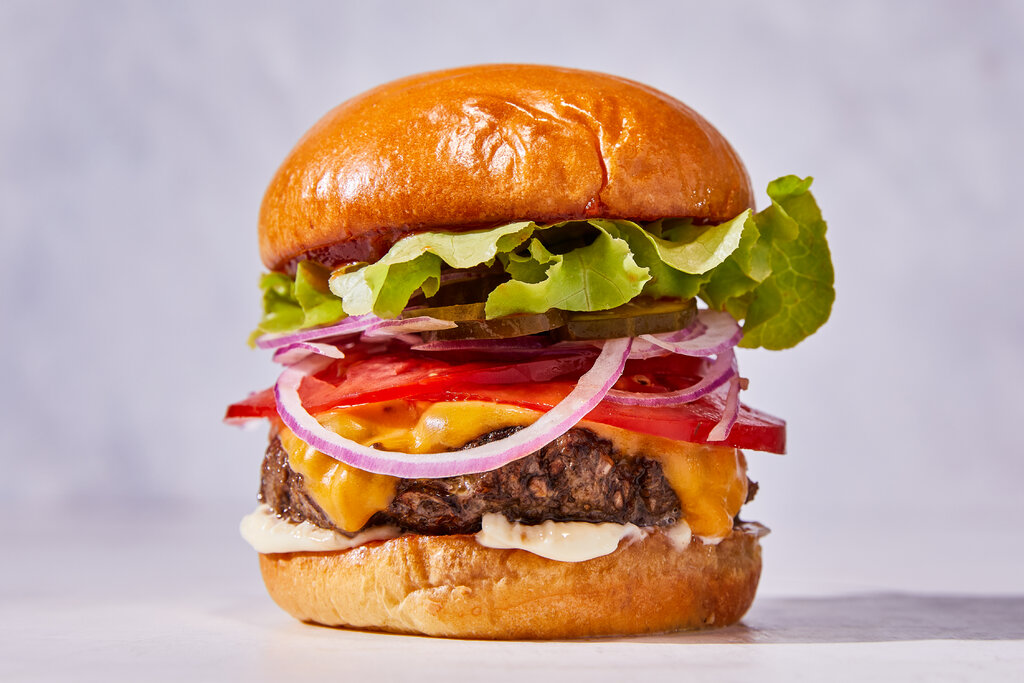
How you cook your veggie burgers affects both texture and flavor.
- Pan-Frying: Creates a crisp exterior while keeping the inside tender. Use medium heat and minimal oil.
- Baking: Yields firmer patties and is great for batch cooking. Flip halfway for even browning.
- Grilling: Works best for firm mixtures. Brush with oil to prevent sticking.
- Air Frying: Produces a crunchy crust with minimal oil.
Pro Tip: Always cook patties on parchment paper or a lightly oiled surface to prevent sticking. Avoid flipping too soon—let a crust form first.
Science Insight: Browning occurs through the Maillard reaction, a chemical process between amino acids and sugars that creates rich, savory flavors and crispy textures.
Secret 6: Assemble with Balance and Care
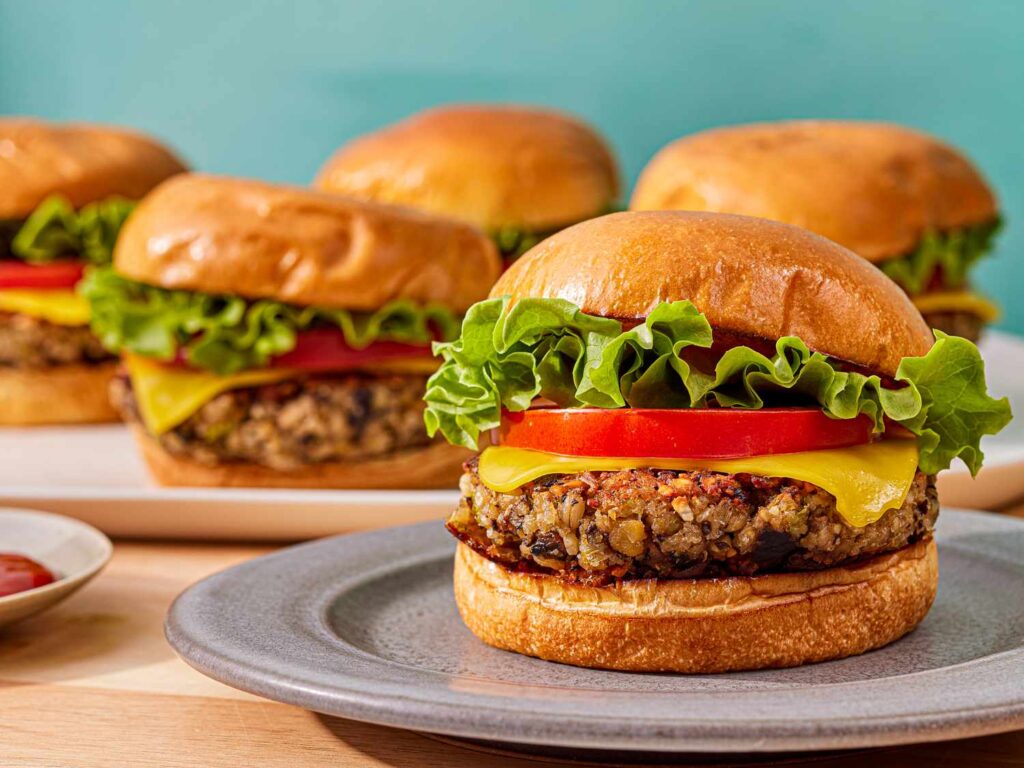
A great veggie burger isn’t just the patty—it’s the whole experience. Building the burger with balance in mind enhances flavor and texture.
- Buns: Choose whole grain or brioche-style vegan buns for sturdiness. Toast them for extra crunch.
- Sauces: Creamy hummus, tahini, vegan mayo, or spicy sriracha aioli add richness.
- Fresh Layers: Lettuce, tomato, pickles, or avocado bring freshness.
- Texture Contrast: Add something crunchy—like slaw, onion rings, or cucumber slices.
Pro Tip: Don’t overload the burger. Aim for balance—each layer should contribute without overwhelming the patty.
Styling Hack: For Instagram-worthy presentation, stack neatly and secure with a skewer.
Bonus Tips for Success
- Meal Prep: Freeze uncooked patties between parchment sheets. Cook directly from frozen, adding a few minutes.
- Portion Control: Use a measuring cup or scoop for uniform patties that cook evenly.
- Rest Time: Let patties rest after cooking for 5 minutes to firm up.
- Flavor Twists: Try global variations—Mexican-inspired black bean burgers with avocado salsa or Mediterranean chickpea burgers with tahini sauce.
- Nutritional Boost: Mix in superfoods like quinoa, hemp seeds, or shredded kale.
Conclusion
Crafting the perfect veggie burger requires a balance of flavor, texture, and structure. By following these six secrets—choosing the right base, managing moisture, using effective binders, layering bold flavors, perfecting the cooking method, and assembling with care—you can create patties that are hearty, delicious, and stable.
Unlike store-bought versions that often rely on additives, homemade veggie burgers celebrate whole, plant-based ingredients. With lentils, beans, mushrooms, grains, and fresh herbs, you can achieve a burger that not only stays together but also excites the palate.
Whether you’re serving them at a summer barbecue, a weeknight dinner, or meal prepping for the week, these veggie burgers will win over even the most skeptical eaters. The secret lies in technique—and once you master it, you’ll never settle for bland or crumbly patties again.