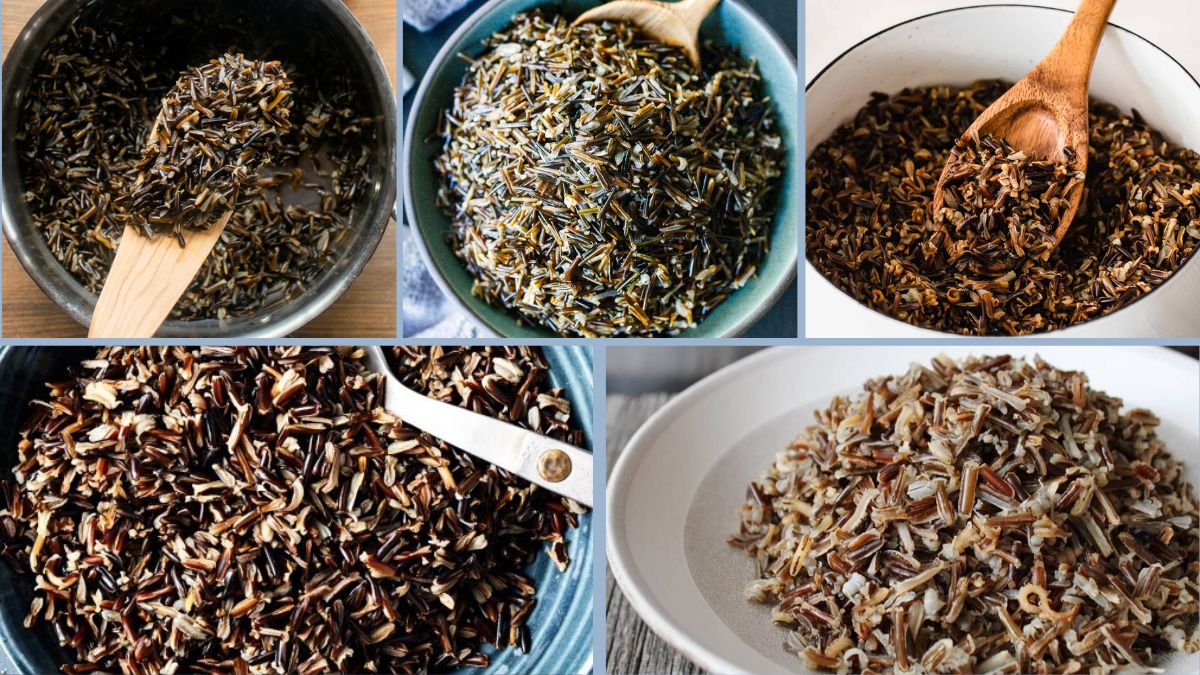
Wild rice has been treasured for centuries, not only for its nutty flavor and chewy texture but also for its impressive nutritional profile. Unlike white rice, which is polished and stripped of much of its fiber, wild rice is a whole grain with a rich earthy taste, high in protein, dietary fiber, antioxidants, and minerals like magnesium and phosphorus.
However, many people find cooking wild rice tricky. Sometimes it turns mushy, sometimes it’s undercooked and tough, and other times the flavor feels flat. The good news? With the right techniques, you can consistently achieve perfectly cooked wild rice that is fluffy, aromatic, and delicious—without compromising its nutrients.
Here are five secrets to perfectly cooked wild rice, along with practical tips to help you master this wholesome grain.
Secret 1: Rinse and Soak Before Cooking
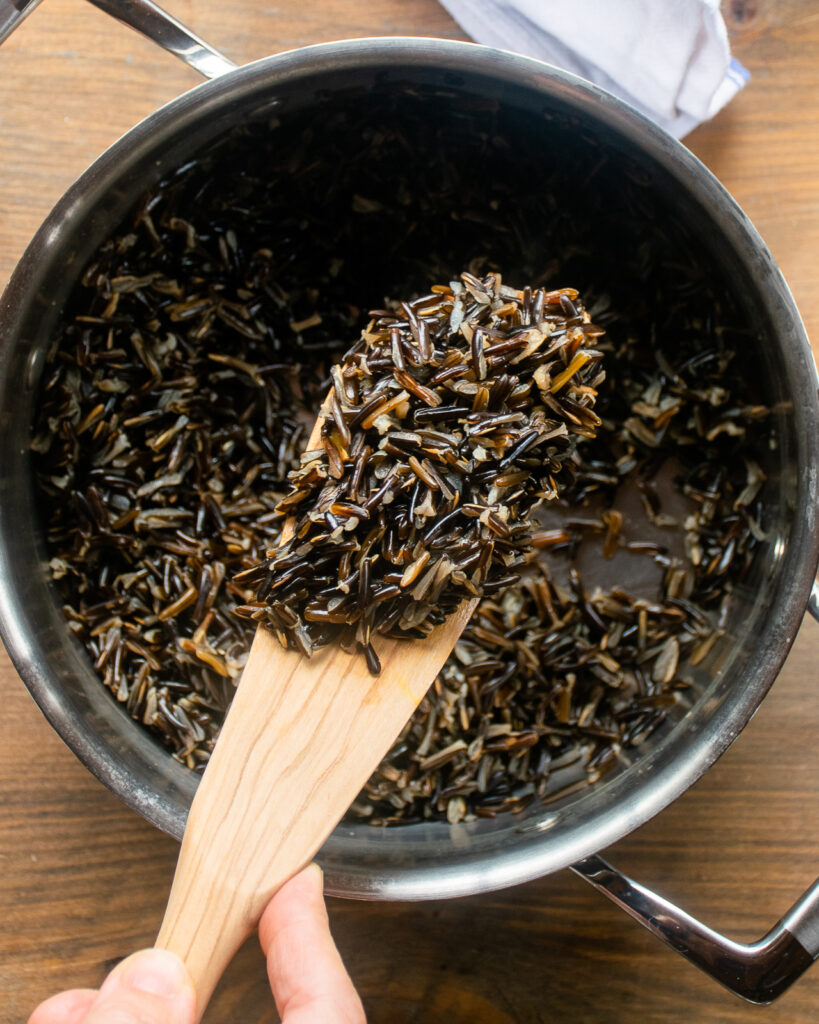
One of the biggest mistakes people make with wild rice is cooking it straight from the package. Wild rice has a naturally dark outer sheath that can harbor dust, excess starch, or debris. Skipping the rinse not only affects texture but can also dull the flavor.
- Rinse thoroughly: Place your wild rice in a fine-mesh strainer and rinse under cold running water for 30–60 seconds. This helps wash away surface starches that could cause gumminess.
- Soak for better texture: While not absolutely required, soaking wild rice for 4–6 hours (or overnight) helps soften the tough outer hull. This reduces cooking time by 15–20 minutes and ensures the grains cook evenly without splitting too much.
- Quick soak option: If you forgot to soak, you can pour boiling water over the rice, cover it, and let it sit for an hour before cooking.
By rinsing and soaking, you’re setting the stage for rice that’s clean, tender, and flavorful.
Secret 2: Use the Correct Water-to-Rice Ratio
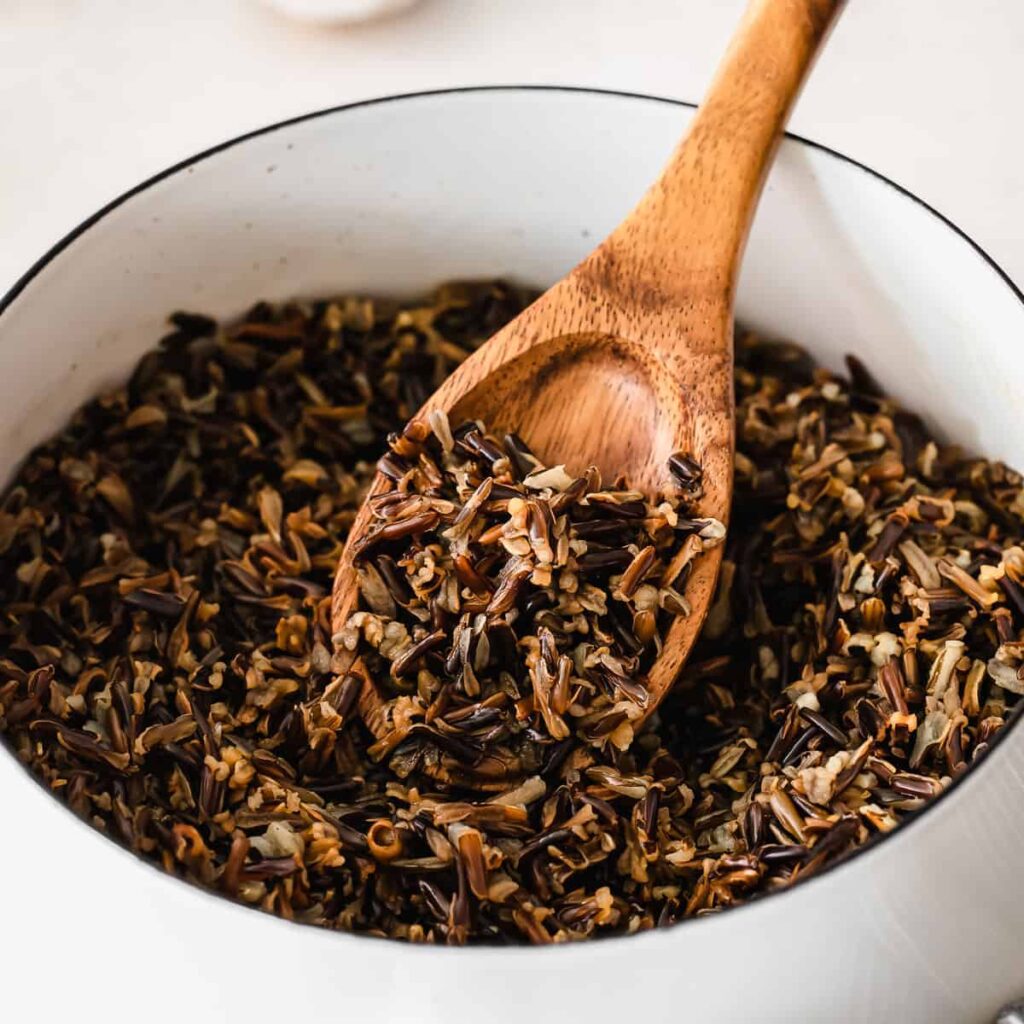
Wild rice behaves differently from white or brown rice—it absorbs water unevenly and expands dramatically while cooking (sometimes up to four times its original volume). Too little water leads to dry, undercooked grains, while too much leaves you with a soggy mess.
The ideal water-to-rice ratio is typically 3:1 (three cups of water for every cup of wild rice). If you’ve pre-soaked your rice, you may reduce this to 2.5:1. Always use a heavy-bottomed pot to prevent sticking or burning.
Here’s a simple method:
- Bring water (or vegetable broth for extra flavor) to a rolling boil.
- Add rinsed rice, stir once, and reduce heat to a gentle simmer.
- Cover loosely—wild rice benefits from some steam release rather than a tight seal.
Cooking time usually ranges from 45 to 55 minutes. The grains should burst slightly, revealing a tender inside while maintaining a pleasant chewiness. Drain excess water at the end, much like pasta, if necessary.
Secret 3: Boost Flavor with Broths and Aromatics
One reason wild rice sometimes tastes flat is because it’s cooked only in plain water. Since the grain itself is earthy and nutty, pairing it with aromatics enhances its natural qualities.
- Vegetable broth: Swap half (or all) of the cooking water for a good-quality vegetable broth. This infuses the rice with subtle savory notes.
- Aromatics: Add a bay leaf, crushed garlic clove, chopped onion, or sprig of thyme while simmering. Remove before serving.
- Toasted grains: Before adding liquid, toast the wild rice in a dry pan or with a teaspoon of olive oil for 3–5 minutes until fragrant. This deepens its nutty character.
Experimenting with flavor boosters transforms wild rice from a plain side dish into the star of your plate.
Secret 4: Pay Attention to Doneness
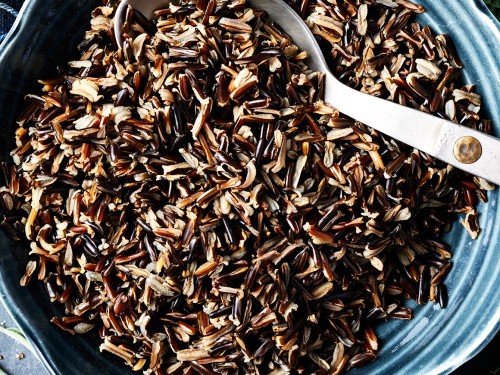
Unlike white rice, wild rice doesn’t turn out uniformly tender. Some grains may burst open while others remain intact—that’s normal. The key is recognizing when it’s “done.”
- Texture check: Perfect wild rice should be tender yet chewy, not hard or mushy. Bite into a grain; it should resist slightly but not crunch.
- Color and split: The outer sheath often splits open, revealing a curled, lighter-colored interior. This is a visual cue of doneness.
- Drain excess liquid: If water remains after cooking, simply drain it like pasta. Then, return the rice to the pot, cover with a towel or lid, and let it rest for 5–10 minutes. This step ensures fluffiness.
Cooking wild rice is as much about patience and observation as it is about timing. Taste-testing is your best guide.
Secret 5: Use Resting and Storage Techniques
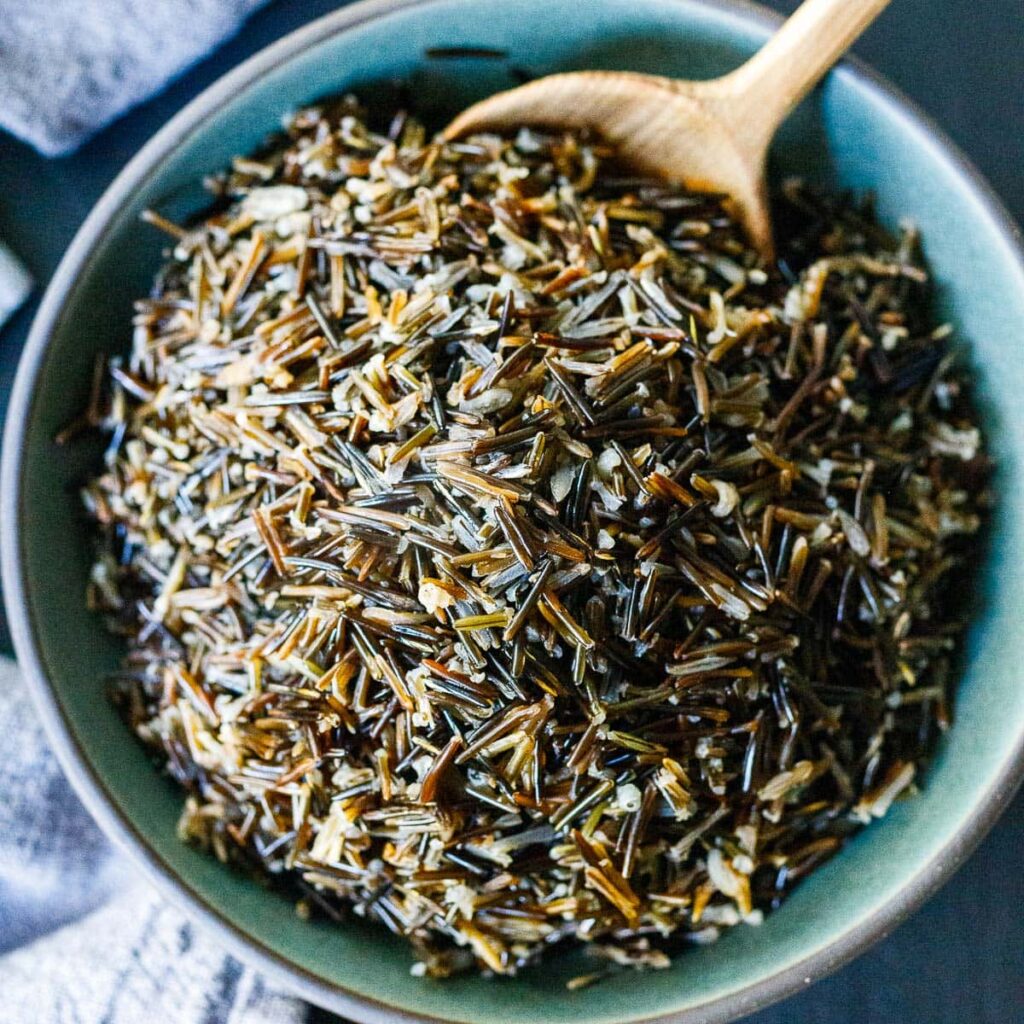
The final secret lies in what happens after cooking. Proper resting and storage elevate your wild rice experience:
- Resting: Once drained, let the rice rest in the pot (covered) for 10 minutes. This allows steam to redistribute, making grains less sticky and easier to fluff with a fork.
- Batch cooking: Wild rice keeps well in the refrigerator for 5–6 days and freezes beautifully for up to 3 months. Store in airtight containers or freezer bags.
- Reheating: To reheat without drying out, sprinkle with a few teaspoons of water, cover, and warm gently on the stovetop or in the microwave.
This makes wild rice an excellent choice for meal prep—ready to be added to salads, soups, grain bowls, or casseroles throughout the week.
Serving Ideas (All Plant-Based)
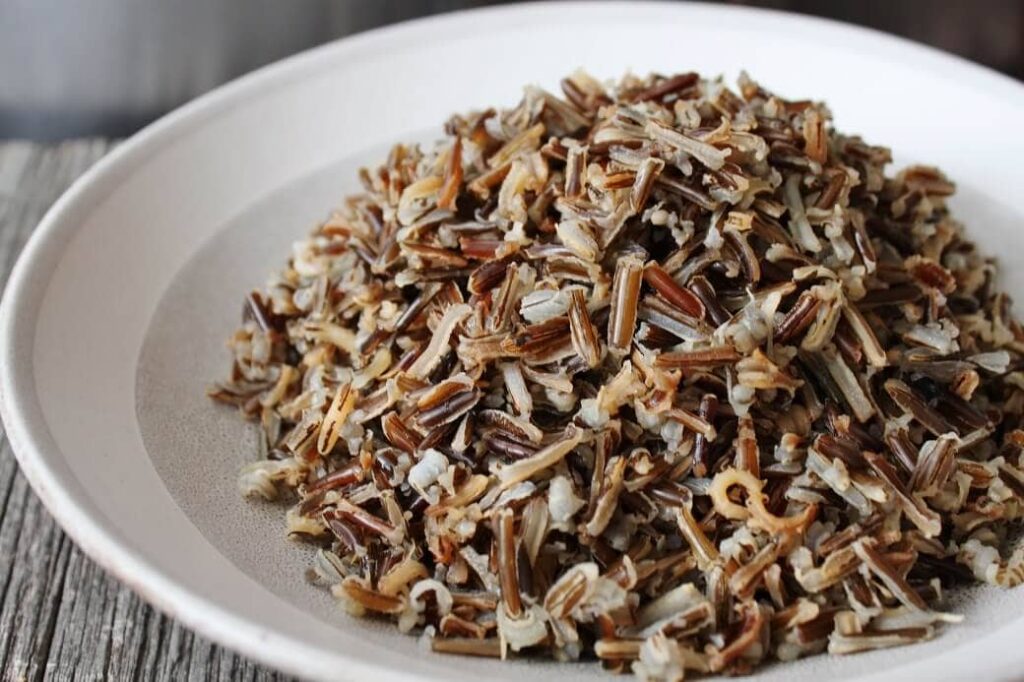
Wild rice is versatile and can easily be the centerpiece of vegetarian and vegan meals. Here are some ideas to inspire you:
- Wild Rice Pilaf – Sauté onions, carrots, and celery in olive oil, then mix with cooked wild rice, fresh herbs, and toasted almonds.
- Stuffed Vegetables – Fill bell peppers, tomatoes, or zucchini with wild rice, chickpeas, and spices, then bake until tender.
- Wild Rice Salad – Toss chilled wild rice with cranberries, chopped kale, orange segments, and a lemon-tahini dressing.
- Hearty Soup – Add cooked wild rice to a creamy mushroom or vegetable soup for added texture and nutrition.
- Breakfast Bowl – Use wild rice as a base for a warm breakfast, topped with cinnamon, almond milk, and roasted nuts.
Final Thoughts
Perfectly cooked wild rice is not difficult once you know the secrets. It’s about preparing carefully, measuring water correctly, infusing flavor, cooking attentively, and finishing properly. With these five steps, you’ll consistently achieve wild rice that is fluffy, nutty, and packed with nutrients—without frustration.
Whether enjoyed as a simple side or transformed into a main dish, wild rice deserves a regular place in your kitchen. It’s a grain that bridges health and flavor beautifully, making it ideal for anyone seeking hearty, plant-based nourishment.