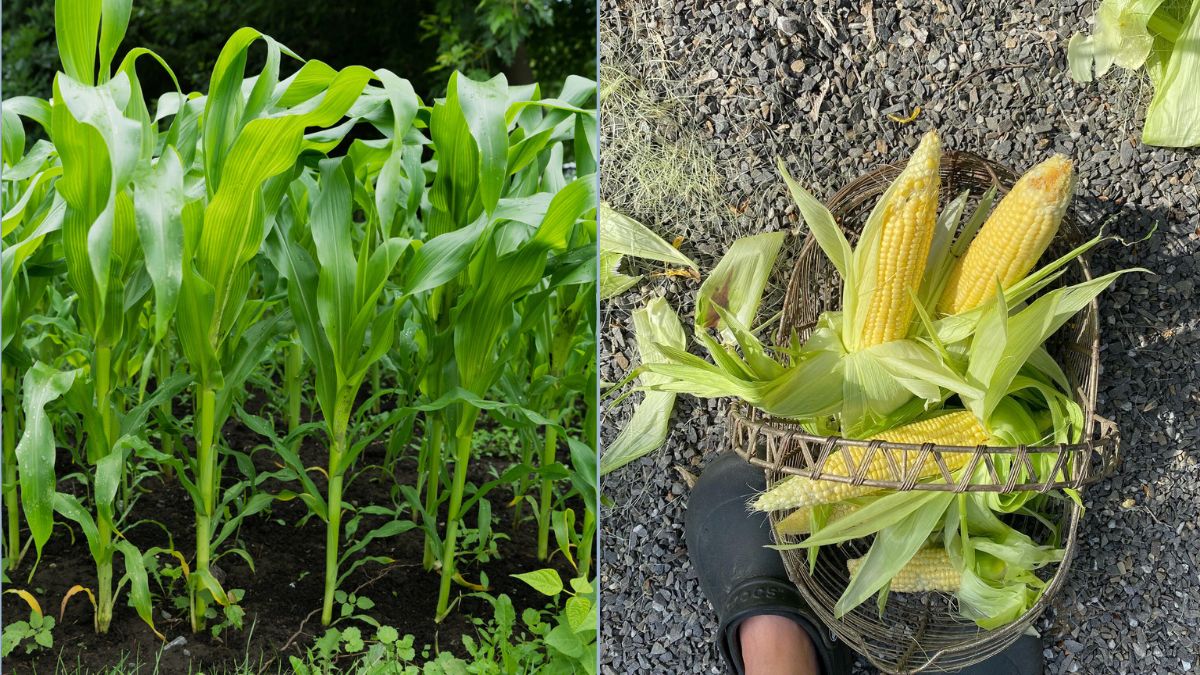
Sweet corn (Zea mays saccharata) is a popular summer vegetable, valued for its sweet kernels and versatility in culinary applications. While traditionally grown in large fields, sweet corn can be successfully cultivated in small garden beds with careful planning and management. This article provides a comprehensive, thesis-style guide to growing sweet corn in limited spaces, focusing on site selection, soil preparation, planting techniques, nutrient management, pest control, and harvest strategies.
1. Introduction
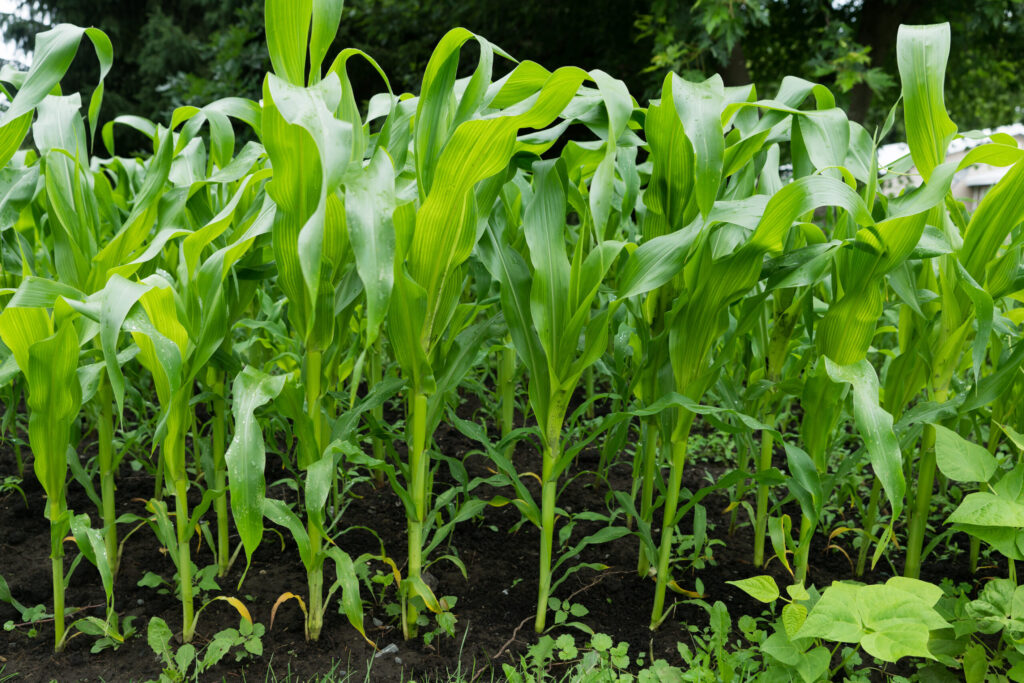
Sweet corn is a warm-season crop requiring full sun, fertile soil, and adequate water for optimal growth. Small garden beds present unique challenges, including limited space, soil nutrient constraints, and potential pollination issues. However, with proper techniques, gardeners can achieve high yields in a compact area. Small-scale cultivation is also suitable for educational and research purposes, allowing the study of plant growth, pollination efficiency, and sustainable gardening practices.
2. Benefits of Growing Sweet Corn in Small Garden Beds
a. Efficient Space Use
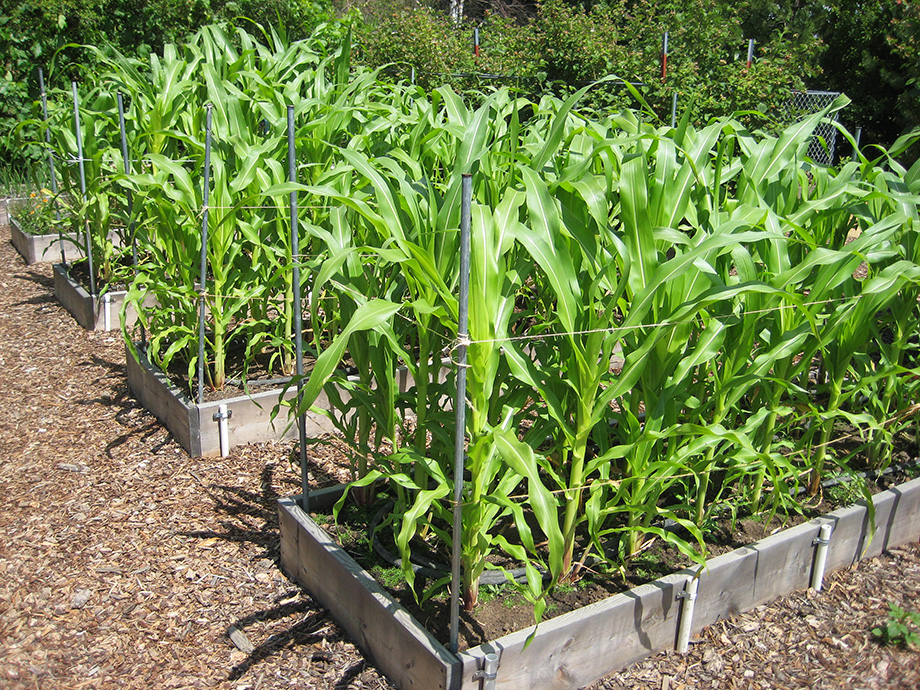
With careful spacing and variety selection, small garden beds can support multiple corn plants, maximizing productivity per square foot.
b. Controlled Soil Management
In smaller beds, gardeners can precisely manage soil fertility, pH, and drainage, promoting healthier plants.
c. Pest and Disease Management
Limited areas allow for easier monitoring and timely intervention to prevent pest outbreaks and fungal infections.
d. Accessibility
Small beds make watering, fertilization, and harvesting easier and more convenient.
e. Educational and Research Potential
Small garden plots provide controlled conditions for experimental studies, variety comparisons, and learning opportunities about plant biology and sustainable cultivation.
3. Selecting the Right Sweet Corn Variety
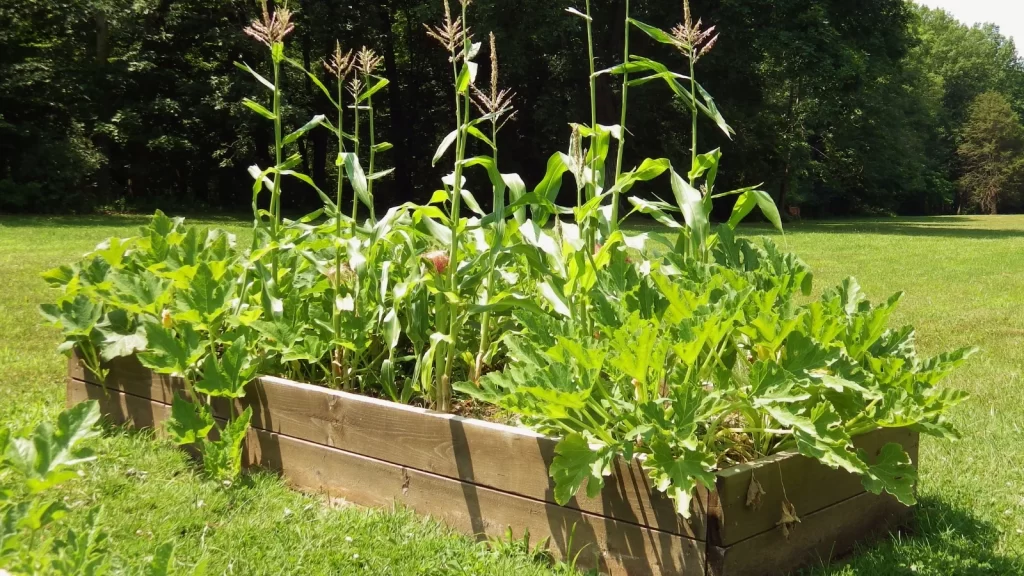
Compact, early-maturing varieties are ideal for small garden beds. Recommended varieties include:
- ‘Sugar Buns’ – Early-maturing, compact, high sugar content.
- ‘Golden Bantam’ – Traditional sweet corn with manageable plant height.
- ‘Early Xtra Sweet’ – Produces sweet, tender kernels in a short growing season.
- ‘Silver Queen’ – White kernel variety, suitable for small-scale plots.
- ‘Honey Select’ – Sweet, disease-resistant variety ideal for research plots.
Selecting early-maturing or dwarf varieties reduces competition for space and allows multiple planting cycles in one season.
4. Site Selection and Garden Bed Preparation
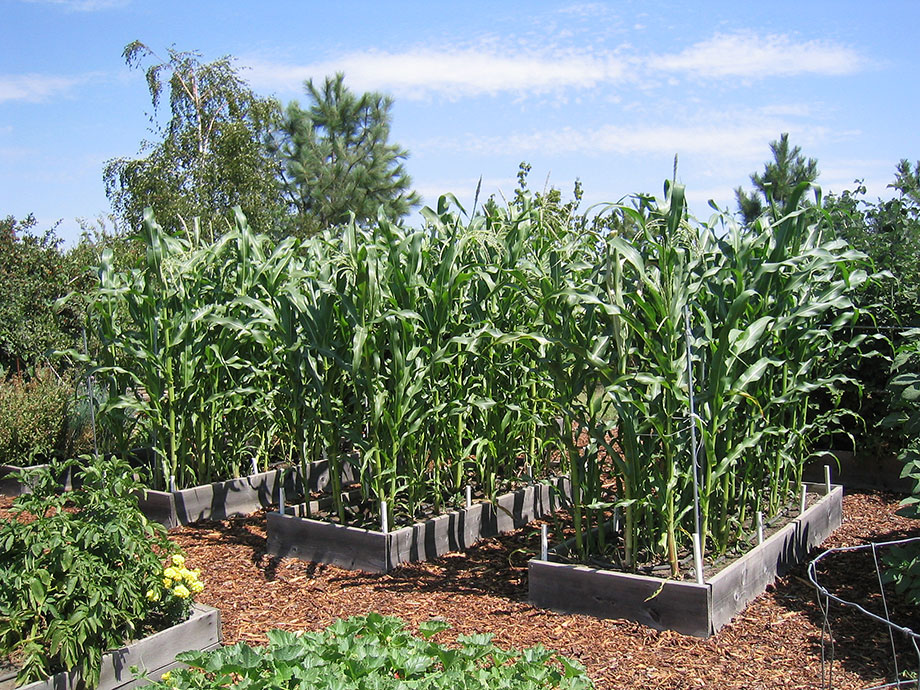
Sweet corn thrives in fertile, well-drained soil with full sun exposure.
a. Sunlight Requirements
- Minimum 6–8 hours of direct sunlight daily
- Adequate light ensures robust plant growth, kernel development, and pollination success
b. Soil Requirements
- Loamy, well-draining soil enriched with organic matter
- Soil pH: 6.0–6.8
- Ensure the bed has good drainage to prevent root rot
c. Bed Size and Layout
- Minimum 3–4 feet wide for a small bed
- Length can vary depending on available space
- Plant in blocks rather than single rows to improve pollination
5. Soil Preparation and Fertility Management
Healthy soil is critical for small-bed corn production.
a. Organic Matter
- Incorporate well-aged compost or organic manure into the soil before planting
- Enhances fertility, moisture retention, and microbial activity
b. Fertilization
- Pre-planting: Apply balanced fertilizer (NPK 10-10-10)
- Growing stage: Supplement with nitrogen-rich fertilizers to promote leafy growth
- Tasseling and kernel development: Apply phosphorus and potassium to support flowering and fruiting
c. Soil Conditioning
- Loosen soil to a depth of 8–10 inches for strong root development
- Mix in perlite or vermiculite for aeration in compacted small beds
6. Planting Sweet Corn in Small Beds
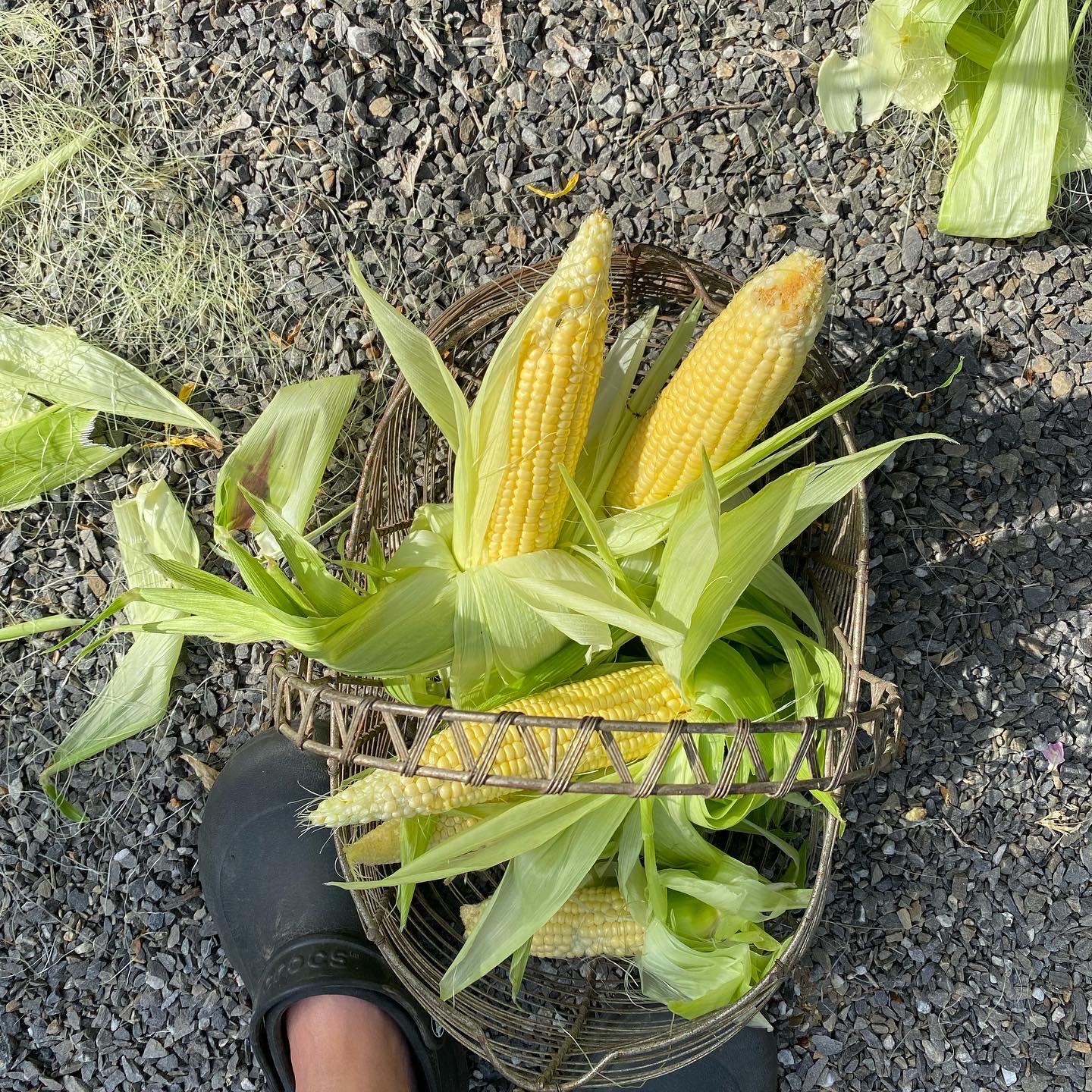
a. Seed Spacing
- Plant seeds 1–2 inches deep
- Space 8–12 inches apart within rows
- Maintain 24–30 inches between rows to allow airflow and sunlight penetration
b. Block Planting
- Plant corn in blocks rather than single long rows
- Block planting enhances wind-pollination and kernel set in small beds
c. Succession Planting
- Stagger sowing every 2–3 weeks to extend harvest duration
- Maximizes production in a small area and maintains continuous yield
7. Watering Requirements
Sweet corn requires consistent moisture, especially during tasseling and kernel formation:
- Water deeply 1–2 times per week depending on rainfall
- Avoid wetting leaves to prevent fungal infections
- Mulch the soil surface with straw or leaf mulch to retain moisture and regulate temperature
8. Pollination Strategies
Corn is wind-pollinated, and pollination efficiency is critical in small beds:
- Ensure block planting for better pollen transfer
- Gently shake tassels daily during flowering to assist pollen distribution
- Adequate spacing and airflow enhance natural pollination
Proper pollination prevents missing kernels and ensures uniform cob development.
9. Pest and Disease Management (Non-Toxic Methods)
Even in small beds, corn may encounter pest and disease challenges:
Common Pests
- Corn earworms
- Aphids
- Cutworms
Preventive Measures
- Handpick pests when observed
- Use companion planting (e.g., basil, marigolds) to deter insects
- Maintain good airflow and remove debris to prevent fungal infections
Disease Prevention
- Rotate crops annually to reduce soil-borne diseases
- Avoid overhead watering to reduce fungal growth
- Remove yellowing or diseased leaves promptly
10. Maintenance and Support
a. Fertilization During Growth
- Side-dress with compost or organic nitrogen-rich fertilizers when plants are 12 inches tall
- Apply additional fertilizer at tasseling for optimal kernel development
b. Staking (if necessary)
- In windy areas or with taller varieties, provide support stakes to prevent lodging
c. Pruning
- Minimal pruning is required; remove damaged or diseased leaves to maintain plant health
11. Harvesting Sweet Corn
a. Timing
- Harvest when silks turn brown, and kernels are plump and milky
- Typically 18–24 days after silk emergence
b. Technique
- Gently twist the cob downward and cut from the stalk
- Regular harvesting encourages continuous production and prevents over-mature kernels
c. Succession Harvest
- Staggered planting allows small beds to provide fresh corn over an extended period
12. Maximizing Yield in Small Beds
To achieve optimal productivity in limited space:
- Block planting ensures effective pollination
- Succession planting extends harvest duration
- Companion planting reduces pest pressure and improves soil fertility
- Consistent watering and fertilization maintain vigorous growth
- Mulching conserves moisture and regulates soil temperature
By integrating these strategies, small garden beds can produce a substantial and consistent sweet corn harvest.
13. Sustainability Considerations
Growing sweet corn in small beds supports environmentally responsible gardening:
- Reduces land and water use compared to large-scale cultivation
- Encourages organic fertilization and minimal chemical input
- Promotes local, fresh food production in urban environments
- Supports educational and research applications in small-scale agriculture
Using recycled containers or raised beds and organic soil amendments further enhances sustainability.
14. Challenges and Solutions in Small-Bed Cultivation
- Limited space: Choose compact or early-maturing varieties
- Pollination issues: Use block planting and manual tassel shaking
- Pest infestations: Apply organic controls and companion plants
- Soil nutrient depletion: Use compost, organic fertilizers, and crop rotation
Addressing these challenges ensures successful sweet corn cultivation in small areas.
15. Conclusion
Growing sweet corn in small garden beds is both feasible and productive with careful planning, variety selection, and management. By optimizing space, preparing fertile soil, providing consistent water and nutrients, and employing effective pollination and pest control methods, gardeners can achieve high-quality, abundant yields. Small-bed cultivation of sweet corn offers sustainable food production opportunities, research potential, and educational value while minimizing space and resource requirements.
With regular maintenance, succession planting, and careful observation, even a limited garden bed can produce fresh, nutritious sweet corn throughout the growing season, demonstrating that small-scale gardening can be highly rewarding and efficient.