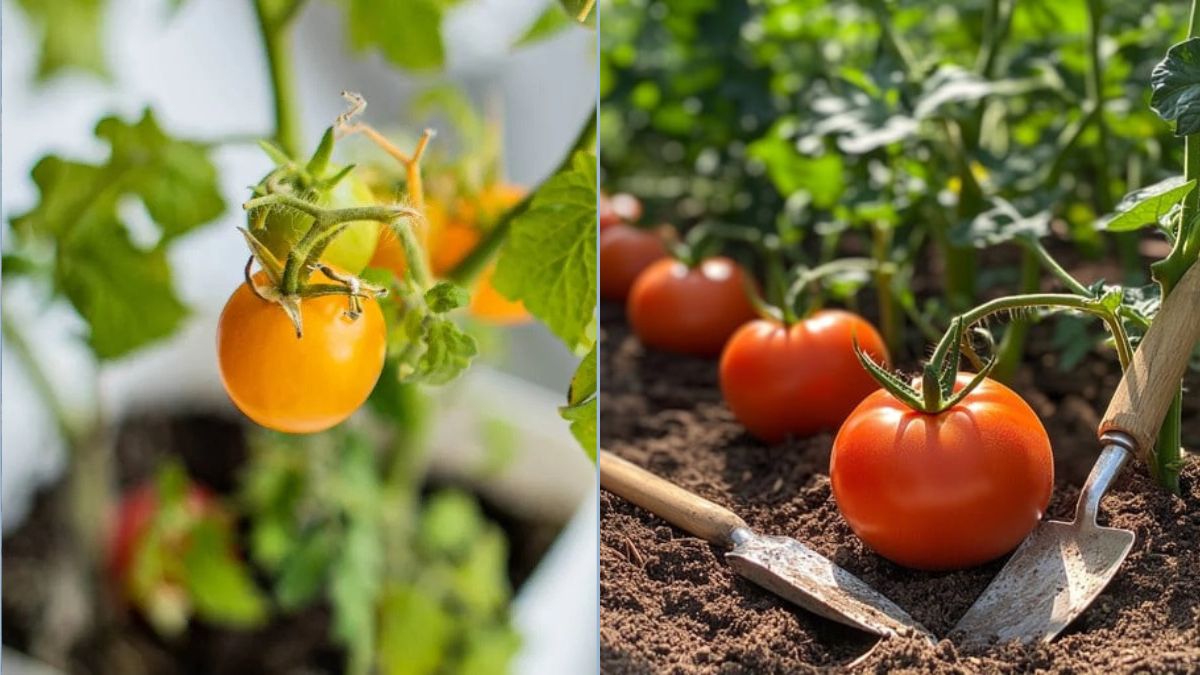
Tomatoes (Solanum lycopersicum) are among the most popular vegetables grown worldwide due to their nutritional value, culinary versatility, and rewarding cultivation. Traditionally grown in outdoor gardens, tomatoes can thrive indoors when proper techniques and management practices are applied. Growing tomatoes on trays provides urban gardeners, students, and researchers with a compact, space-efficient method to produce healthy fruit year-round. This article explores step-by-step strategies for successful indoor tomato cultivation on trays, focusing on container selection, environmental conditions, nutrient management, pest control, and productivity optimization.
1. Introduction
Indoor gardening offers a controlled environment that reduces dependence on seasonal changes and protects plants from pests, extreme weather, and soil-borne diseases. Growing tomatoes on trays is particularly advantageous for those with limited space, such as apartments, research labs, or small balconies. This method also provides an ideal setting for scientific observation, experimentation, and academic study in horticulture and plant science.
Tomatoes grown in trays can reach full productivity when given the correct substrate, lighting, nutrients, and care. By integrating vertical and intensive planting techniques, indoor gardeners can maximize yield per square foot while maintaining plant health and fruit quality.
2. Benefits of Growing Tomatoes on Trays Indoors
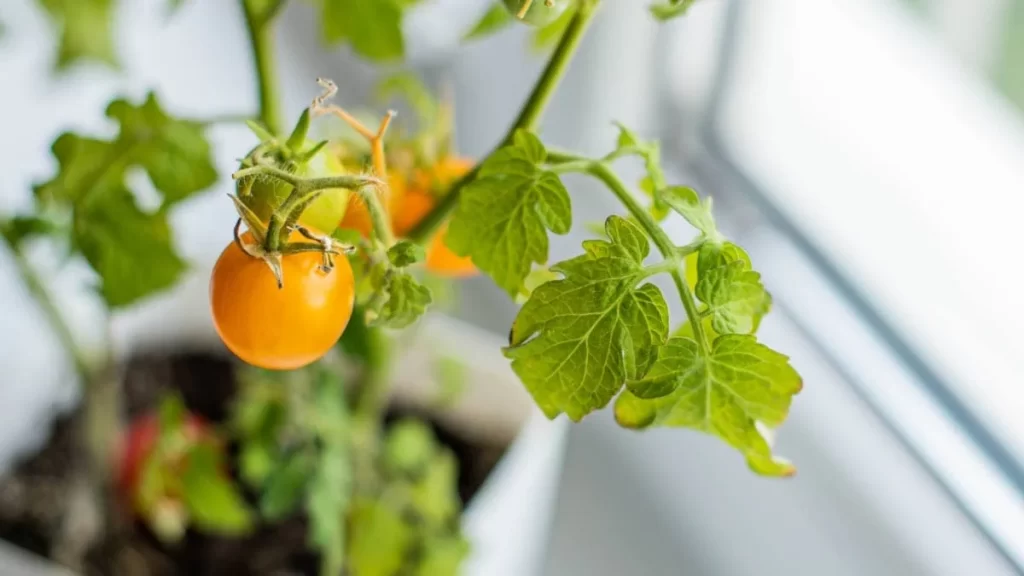
a. Space Optimization
Tray-based cultivation allows multiple plants to grow in confined areas, making efficient use of limited indoor space.
b. Controlled Environment
Growers can regulate light, temperature, humidity, and airflow, leading to more consistent growth and reduced disease pressure.
c. Easier Maintenance
Indoor tray systems simplify watering, fertilization, and monitoring of plant development compared to outdoor beds.
d. Year-Round Production
Indoor conditions allow tomato production regardless of outdoor climate or season, enhancing food security and research opportunities.
e. Reduced Pest Incidence
Growing off the ground minimizes contact with soil-borne pathogens and common outdoor pests.
3. Choosing the Right Tomato Variety for Trays
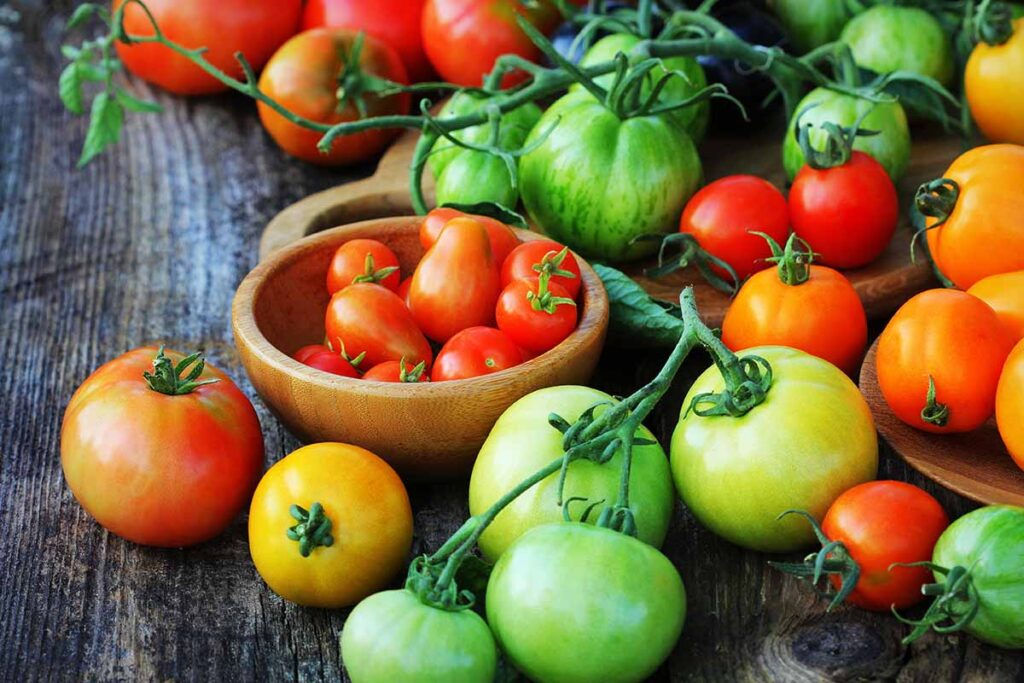
Compact or dwarf tomato varieties are ideal for tray cultivation. Recommended types include:
- ‘Tiny Tim’ – Miniature cherry tomatoes, highly productive, suitable for containers.
- ‘Patio Princess’ – Bush-type variety that thrives in small trays.
- ‘Red Robin’ – Compact and early-maturing, producing flavorful fruit.
- ‘Micro Tom’ – One of the smallest tomato varieties, perfect for experimental setups.
- ‘Sweet 100’ – Cherry tomato variety with manageable vines and high fruit set.
Selecting dwarf or determinate varieties ensures plants remain manageable within the tray system and reduces the need for extensive pruning or support.
4. Tray and Container Selection
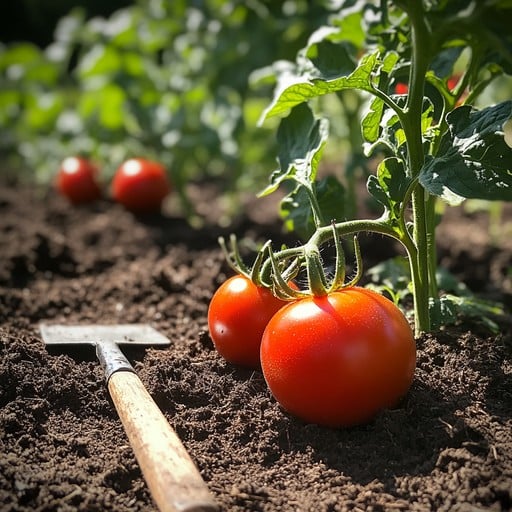
Tray design is critical for root health, drainage, and nutrient availability.
a. Tray Types
- Seedling trays – Ideal for starting seedlings and early growth stages.
- Shallow growing trays – Suitable for hydroponic setups or nutrient-rich substrates.
- Modular containers in trays – Each plant grows in an individual cell, minimizing root competition.
b. Material
- Plastic trays – Lightweight and durable, retain moisture well.
- Fabric inserts or grow cubes – Provide aeration and reduce root circling.
- Recycled trays – Sustainable alternative for eco-conscious gardeners.
c. Drainage
Ensure trays have adequate drainage holes to prevent waterlogging, which can lead to root rot or fungal infections.
5. Soil and Growing Medium
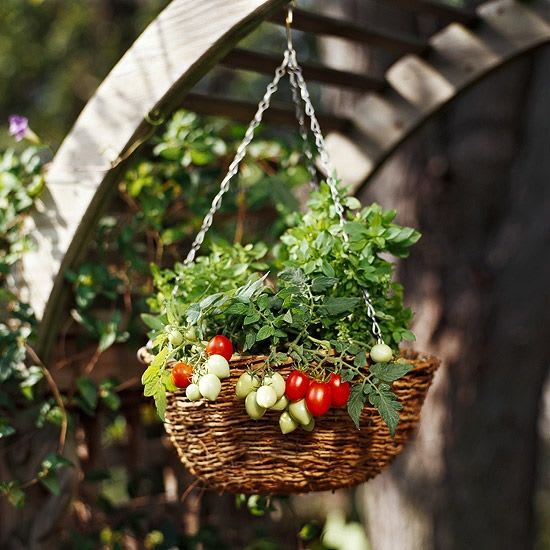
Tomatoes require a fertile, well-draining growing medium.
a. Recommended Medium
- 40% organic compost
- 40% coco coir or peat moss
- 20% perlite or vermiculite
b. Soil pH
Ideal pH range: 6.0–6.8
Regular monitoring ensures nutrient uptake and avoids deficiencies.
c. Fertility Management
- Pre-planting: Incorporate a balanced organic fertilizer.
- During growth: Apply liquid compost tea or seaweed extract every 7–10 days.
- Fruit development stage: Supplement with potassium and phosphorus-rich fertilizers to improve fruit size and flavor.
6. Seedling Preparation and Transplanting
a. Starting Seeds
- Sow seeds ¼ inch deep in the tray medium.
- Maintain moisture and warmth (70–75°F / 21–24°C) for germination.
- Germination typically occurs within 5–10 days.
b. Transplanting
- Transplant seedlings when they have 2–3 true leaves into larger cells or individual trays.
- Space plants to prevent overcrowding, typically 2–3 inches apart in early stages.
c. Hardening Off
- Gradually acclimate seedlings to higher light and airflow conditions before full exposure to indoor grow lights or open windows.
7. Light Requirements
Adequate light is critical for photosynthesis and fruit development.
- Minimum 12–16 hours of bright light daily
- Full-spectrum LED grow lights or fluorescent lamps provide optimal wavelengths for growth.
- Place lights 12–18 inches above the canopy, adjusting height as plants grow.
- Rotate trays to ensure uniform light exposure for all seedlings.
8. Temperature and Humidity Management
Tomatoes prefer moderate temperatures and consistent humidity:
- Daytime: 70–80°F (21–27°C)
- Nighttime: 60–65°F (15–18°C)
- Humidity: 50–70%
- Avoid sudden temperature fluctuations, which may cause flower drop or poor fruit set.
- Use fans or dehumidifiers to maintain airflow and prevent fungal diseases.
9. Watering and Irrigation
Proper moisture management supports root development and fruit production:
- Keep soil evenly moist without waterlogging.
- Water at the base of the plant to prevent wetting foliage.
- Mulch tray surfaces with perlite or coir fibers to retain moisture.
- Drip irrigation or capillary mats can improve water efficiency in indoor setups.
10. Pollination Strategies for Indoor Tomatoes
Indoor environments may limit natural pollinators. Manual pollination ensures fruit set:
- Gently shake flower clusters to distribute pollen.
- Use a small paintbrush or cotton swab to transfer pollen from male to female flowers.
- Morning hours are optimal for pollination.
Proper pollination encourages uniform fruit development and higher yields.
11. Pruning and Training Techniques
Pruning improves airflow, light penetration, and energy distribution:
- Remove lower leaves and suckers below the first flower cluster.
- Support plants with small stakes or miniature trellis systems within trays.
- Train vines vertically to maximize space and reduce fruit contact with the growing medium.
Pruning also minimizes disease risks by improving ventilation around foliage.
12. Pest and Disease Management (Non-Toxic Methods)
Even indoor tray systems can encounter pests and diseases:
Common Pests
- Aphids
- Spider mites
- Whiteflies
Preventive Measures
- Inspect plants regularly for early signs of infestation.
- Apply neem oil or mild insecticidal soap as needed.
- Maintain airflow and proper spacing between trays.
Disease Prevention
- Avoid overhead watering to prevent fungal growth.
- Remove yellowing or diseased leaves promptly.
- Rotate growing medium or disinfect trays between planting cycles.
13. Harvesting Tomatoes from Trays
a. Timing
- Harvest when fruit is firm, fully colored, and slightly soft to touch.
- Frequent harvesting encourages continued flowering and fruiting.
b. Technique
- Use clean scissors or pruning shears to avoid damaging the plant.
- Harvest smaller tomatoes early for optimal flavor and size.
Regular harvesting ensures continuous productivity in limited space.
14. Maximizing Productivity in Tray Systems
Strategies to increase yield in indoor tray gardening:
- Succession planting – Start new seeds every 3–4 weeks for continuous harvest.
- Vertical integration – Use mini trellises or netting to grow multiple plants in minimal space.
- Nutrient monitoring – Adjust fertilizers based on growth stage and plant needs.
- Environmental optimization – Maintain stable temperature, humidity, and light levels.
By combining these strategies, even a small tray system can produce substantial quantities of healthy, high-quality tomatoes.
15. Sustainability Considerations
Tray-based indoor tomato cultivation aligns with sustainable gardening practices:
- Reduces the need for outdoor land and transportation.
- Encourages organic fertilization and minimal chemical use.
- Promotes urban food security and accessibility.
- Allows for recycling containers and growing medium to reduce waste.
16. Conclusion
Growing tomatoes on trays provides an accessible, efficient, and productive method for indoor gardening. By selecting compact varieties, preparing fertile growing media, providing sufficient light, managing water and nutrients, and employing pruning and pollination techniques, gardeners can successfully cultivate tomatoes in limited spaces. Tray-based systems not only maximize yield per square foot but also reduce pest and disease risks, offering sustainable solutions for urban food production and academic research.
With careful observation and consistent maintenance, tray-grown tomatoes can produce abundant, nutritious fruits year-round, making indoor gardening simple, efficient, and rewarding for both practical and research purposes.