An Eco-Friendly, Cost-Effective Approach to Sustainable Gardening
Tomatoes are among the most widely used vegetables in households across the globe. From salads and sauces to juices and curries, their versatility makes them a staple in daily cooking. However, many people are unaware that tomatoes can be regrown easily from kitchen scraps rather than purchasing new seeds or seedlings. This sustainable approach not only reduces waste but also encourages self-reliance and environmentally conscious gardening.
This article explains in detail how to grow tomatoes from kitchen leftovers, the benefits of the process, the materials needed, and the best practices to ensure a healthy yield—all without using any non-vegetarian products or animal-based fertilizers.
1. Why Grow Tomatoes From Kitchen Scraps?
Growing tomatoes from scraps offers multiple advantages:
a. Waste Reduction
Tomato seeds extracted from leftover slices are often discarded. Regrowing them transforms waste into a valuable resource.
b. Budget-Friendly Gardening
Seed packets and nursery seedlings can be expensive. Using scraps makes growing tomato plants almost free.
c. Eco-Friendly Practice
This method supports recycling and reduces reliance on commercially produced seeds and plastic packaging.
d. Educational Value
Children and beginners can learn about plant growth, seed germination, and sustainability through hands-on practice.
2. Choosing the Right Tomato for Regrowth
Not all tomato varieties produce viable seeds. Here are key considerations when selecting scraps:
- Avoid Hybrid Varieties: Many supermarket tomatoes are hybrids that produce weak or nonproductive plants. Heirloom or open-pollinated types are ideal.
- Opt for Fully Ripe Tomatoes: Seeds in underripe tomatoes may not germinate well.
- Use Fresh Scraps Promptly: Older scraps may harbor mold or bacteria.
If you are unsure of the variety, you can still experiment, but expect varied results.
3. Extracting and Preparing Tomato Seeds
Tomato seeds are covered in a natural gel that inhibits germination. Proper preparation ensures successful sprouting.
Step 1: Collect the Seeds
Slice a ripe tomato and scoop out the seedy pulp using a spoon. Avoid seeds from canned or cooked tomatoes.
Step 2: Natural Fermentation (Optional but Effective)
Place the pulp and seeds in a small glass, add a tablespoon of water, and let it sit at room temperature for 2–3 days. Stir daily. Once a white film forms at the surface, the fermentation is complete. This breaks down the seed gel and kills many seed-borne pathogens.
Step 3: Rinse and Separate
Pour the contents into a fine mesh strainer. Rinse thoroughly under running water while rubbing the seeds gently to remove any residue.
Step 4: Drying
Spread the cleaned seeds on a paper towel, cloth, or parchment sheet. Allow them to air dry in a shaded, well-ventilated area for 2–4 days. Do not place them under direct sunlight or in high heat. Once completely dry, the seeds are ready for sowing.
4. Materials Needed for Planting
To grow tomatoes from scraps, you need the following:
- Containers (recycled cups, biodegradable pots, trays)
- Potting mixture (organic, soil-based or soilless)
- Compost (plant-based; no animal manure needed)
- Spray bottle or watering can
- Labels (optional)
- A sunny spot (balcony, terrace, garden bed, or windowsill)
An ideal soil mix may include:
- 50% garden soil
- 30% homemade compost or vermicompost
- 20% cocopeat or sand for drainage
No non-veg fertilizers or bone meal should be used.
5. Seed Sowing Method
a. Preparing the Container
Fill the container with moist potting mix. Press lightly to remove air pockets.
b. Sowing Depth
Place seeds 1 cm deep. You can sow 2–3 seeds per small pot to ensure germination.
c. Covering the Seeds
Gently cover the seeds with a thin layer of soil. Avoid pressing too firmly.
d. Watering
Use a spray bottle to dampen the soil. Keep the surface moist but never waterlogged.
6. Ideal Germination Conditions
Tomato seeds need warmth and moisture to sprout.
- Temperature Range: 20–30°C (68–86°F)
- Light Requirements: Indirect sunlight until germination; later, at least 6 hours of direct sunlight
- Humidity: Maintain soil moisture but ensure good airflow to avoid fungal growth
Seeds typically germinate within 7–14 days.
7. Transplanting the Seedlings
Once seedlings are 3–4 inches tall and have at least 2 true leaves:
a. Preparing the New Pot or Bed
Use a larger pot (at least 12 inches deep) or a garden patch with rich, loose soil.
b. Transplanting Technique
Gently loosen the seedling with its surrounding soil. Place it deeper than its original position, as tomatoes can root from the buried stem.
c. Spacing
Maintain 1–1.5 feet between plants in containers or garden beds to ensure proper airflow and growth.
8. Care and Maintenance
Proper plant care ensures healthy flowers and fruits.
a. Watering
- Water the base, not the leaves.
- Maintain consistent moisture.
- Reduce watering after fruiting begins to promote ripening.
b. Organic Fertilizers
Use only plant-based options such as:
- Compost tea
- Banana peel liquid fertilizer
- Neem cake powder
- Vermicompost (veg-based)
Avoid fish emulsion, blood meal, or any non-vegetarian products.
c. Sunlight
Tomato plants thrive in full sun. Ensure at least 6–8 hours of light daily.
d. Mulching
Use dry leaves, straw, or shredded newspaper to retain moisture and suppress weeds.
e. Staking
As plants grow taller, support them using bamboo sticks or trellises to prevent branches from snapping.
9. Pest and Disease Management (Vegetarian Solutions)
Avoid chemical pesticides and non-veg solutions.
Common Issues and Plant-Based Remedies:
- Aphids & Whiteflies: Spray diluted neem oil (2–3 ml in 1 liter of water).
- Fungal Spots: Use baking soda spray (1 tsp with a drop of dish soap per liter of water).
- Cutworms & Snails: Surround plant bases with crushed eggshell alternatives like dry leaves or rough mulch if avoiding any animal product completely.
Ensure good air circulation, remove yellowing leaves, and avoid overhead watering.
10. Flowering and Pollination
Tomatoes are self-pollinating, but gentle tapping of the stems or placing them in breezy spots can help better fruit set. Avoid overcrowding plants, as this can hinder airflow and pollination success.
11. Harvesting the Tomatoes
Tomatoes are ready to harvest when:
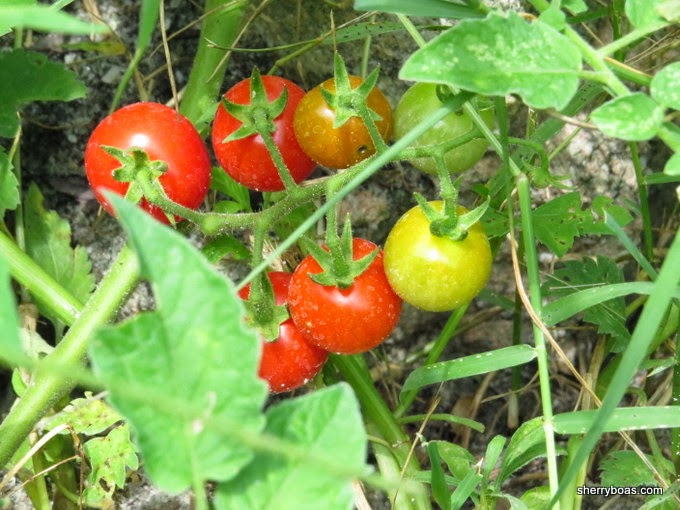
- Their skin turns red, yellow, pink, or orange depending on the variety
- They feel slightly firm but not hard
- The fruit detaches easily when gently twisted
Harvesting regularly encourages more fruiting.
You can also pick them at the “breaker stage”—when the fruit just starts to change color—and ripen them indoors to reduce pest damage.
12. Saving Seeds for Future Planting
If your plant produces healthy tomatoes, repeat the seed extraction and drying process to continue the cycle. Choose the best and most ripe tomatoes for seed collection.
13. Advantages of Vegetarian Tomato Gardening
By avoiding non-veg inputs, you support ethical, plant-based growing practices. Some key benefits include:
- Suitable for vegan and vegetarian households
- Reduced risk of contamination from animal-based fertilizers
- Lower environmental footprint
- Better compatibility with organic gardening standards
14. Troubleshooting Common Problems
| Problem | Cause | Solution |
|---|---|---|
| Poor germination | Old seeds or improper drying | Use fresh, fully dried seeds |
| Yellow leaves | Nutrient deficiency or overwatering | Add compost and improve drainage |
| Flower drop | Heat stress or low nutrients | Shade during peak heat and add liquid fertilizer |
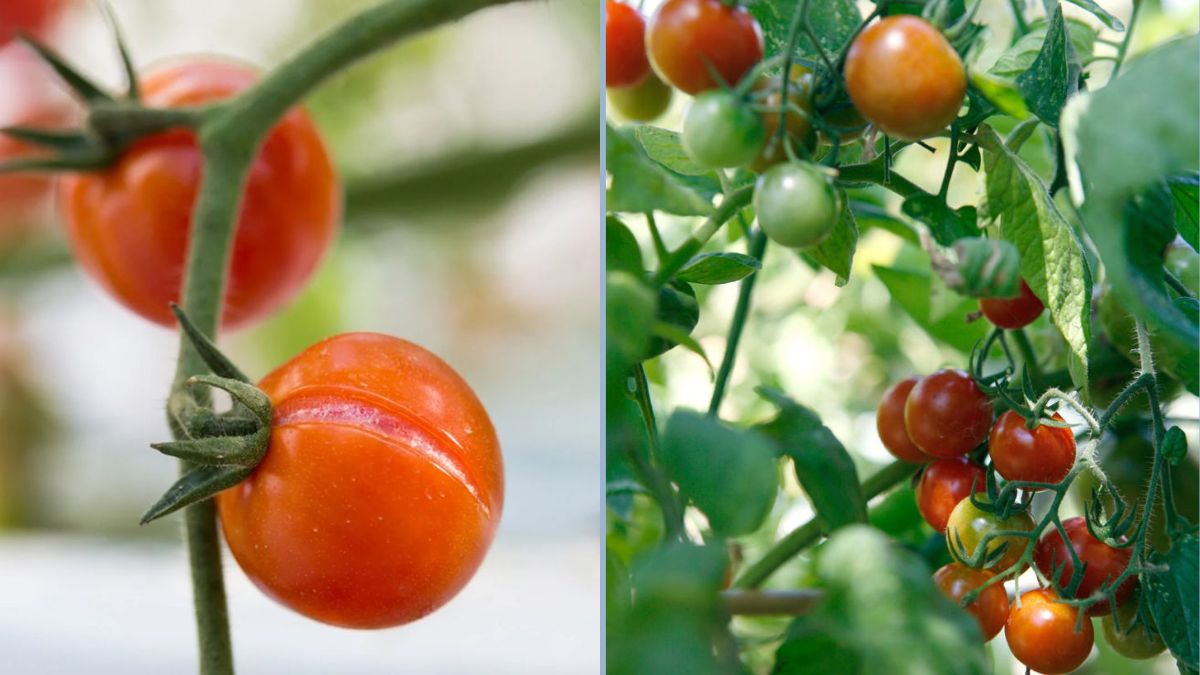
| Cracked fruits | Inconsistent watering | Maintain steady soil moisture |
15. Conclusion
Growing tomatoes from kitchen scraps is a sustainable, cost-effective, and fulfilling practice that contributes to environmental stewardship. With basic materials, proper preparation, and plant-based care methods, anyone—from apartment dwellers to home gardeners—can successfully grow tomatoes. This method not only reduces waste but empowers individuals to cultivate fresh, chemical-free produce at home without reliance on non-vegetarian inputs.
Whether you’re pursuing this as part of academic research, a personal project, or a step toward self-sufficiency, regrowing tomatoes from scraps represents a practical and meaningful contribution to