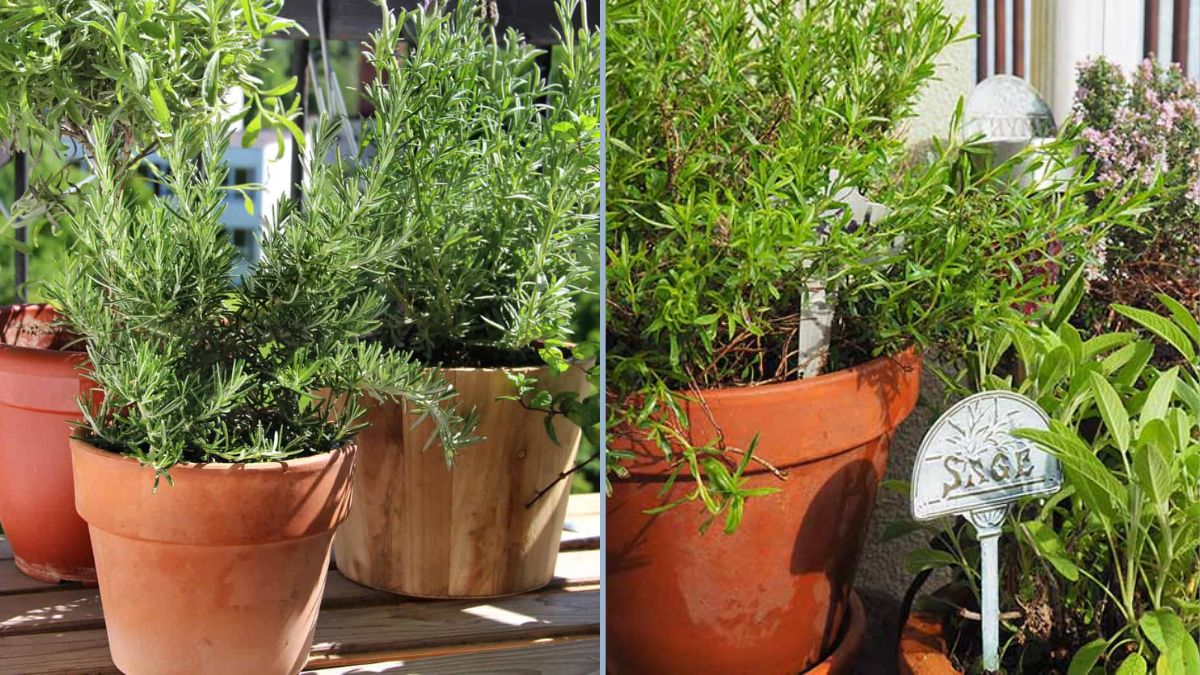
Fresh herbs elevate the flavor, aroma, and nutritional value of plant-based meals. Growing your own herbs at home ensures that your kitchen is stocked with vibrant, pesticide-free, and fully organic ingredients. Whether you live in a small apartment, have a balcony, or simply want an indoor gardening project, cultivating fresh herbs is a practical and rewarding endeavor. This article provides comprehensive guidance on growing, maintaining, and using fresh herbs daily, with a focus on plant-based, sustainable practices.
Why Grow Your Own Herbs?
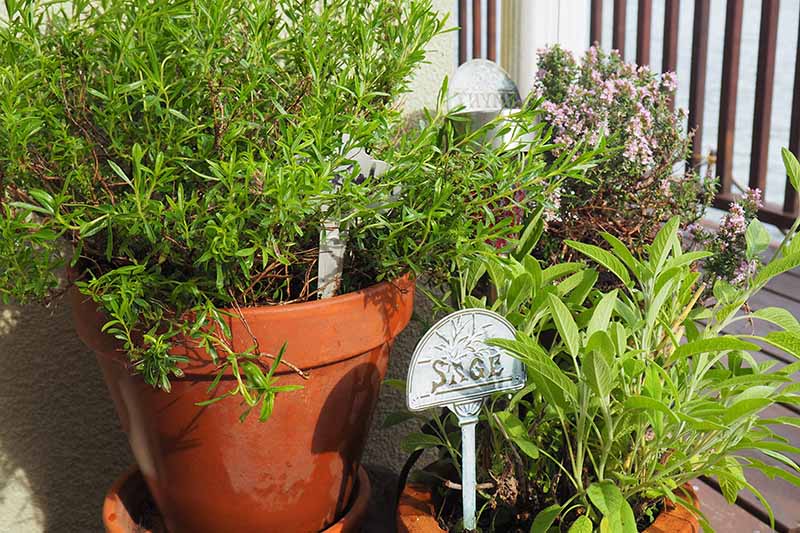
Homegrown herbs offer several advantages:
- Freshness and Flavor: Fresh herbs retain more volatile oils than store-bought alternatives, enhancing taste and aroma.
- Nutritional Benefits: Many herbs are rich in antioxidants, vitamins, and minerals.
- Sustainability: Growing at home reduces packaging waste and transportation emissions.
- Cost-Effective: Cultivating herbs saves money compared to buying fresh or dried herbs regularly.
- Aesthetic and Therapeutic Value: Herb gardens add greenery to your home, improve indoor air quality, and provide a relaxing, mindful gardening experience.
Essential Requirements for Herb Gardening
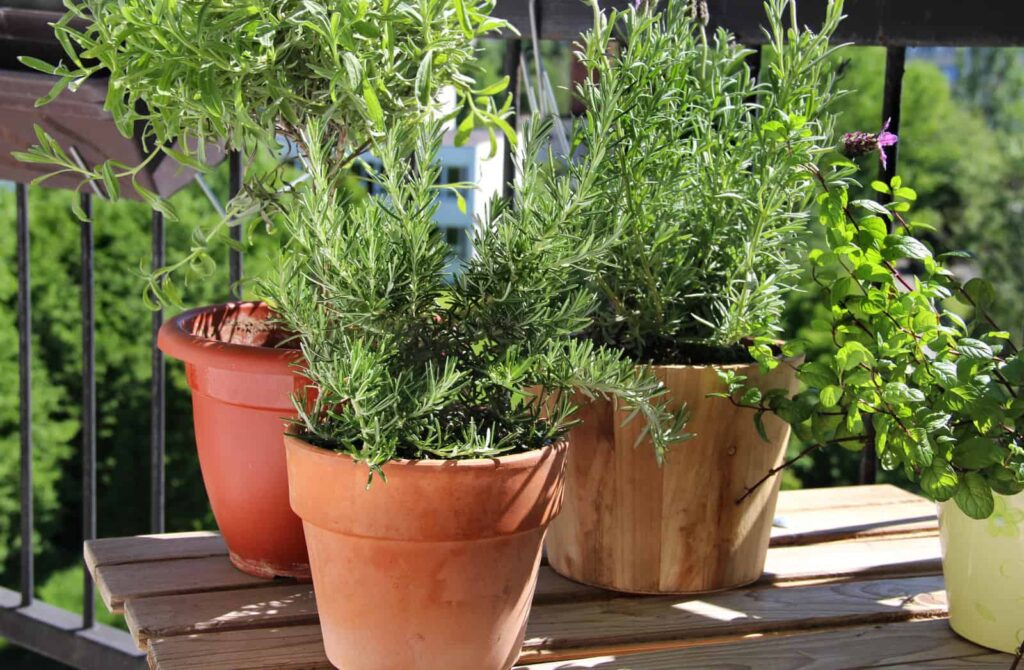
To ensure healthy growth, herbs require proper light, containers, soil, water, and nutrition.
1. Light
- Most culinary herbs need 4–6 hours of direct sunlight per day.
- South-facing windows are ideal, but indoor grow lights can supplement light in low-sunlight apartments.
2. Containers
- Use pots or containers with drainage holes to prevent waterlogging.
- Small to medium-sized pots are ideal for indoor herbs; larger pots are suitable for balcony gardens.
- Materials such as ceramic, terracotta, or plastic are recommended.
3. Soil and Substrate
- Choose a well-draining potting mix.
- Incorporate organic compost or plant-based fertilizers to support growth.
- Avoid garden soil or chemically fertilized substrates.
4. Watering
- Keep the soil evenly moist but not waterlogged.
- Overwatering can cause root rot; under-watering stresses plants and reduces yield.
- Misting herbs occasionally can maintain humidity, especially in dry indoor air.
5. Fertilization
- Use organic, plant-based liquid fertilizers every 2–3 weeks.
- Compost tea, seaweed extract, and other organic nutrient sources are ideal.
Best Herbs to Grow for Daily Cooking
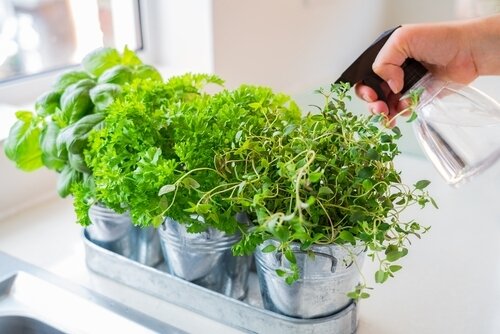
Certain herbs are particularly well-suited for indoor gardening due to their compact growth habits, ease of care, and frequent culinary use.
1. Basil (Ocimum basilicum)
Growth Time: 20–30 days for first harvest
Tips:
- Prefers bright, indirect sunlight.
- Pinch tops regularly to encourage bushy growth.
- Ideal for salads, pasta, pesto, and sauces.
2. Cilantro/Coriander (Coriandrum sativum)
Growth Time: 30–40 days
Tips:
- Grows quickly in containers with well-draining soil.
- Prefers cooler indoor temperatures.
- Both leaves and seeds are useful for cooking.
3. Mint (Mentha spp.)
Growth Time: 25–30 days
Tips:
- Thrives in partial sunlight.
- Grows vigorously; consider container cultivation to prevent spreading.
- Ideal for teas, salads, beverages, and desserts.
4. Parsley (Petroselinum crispum)
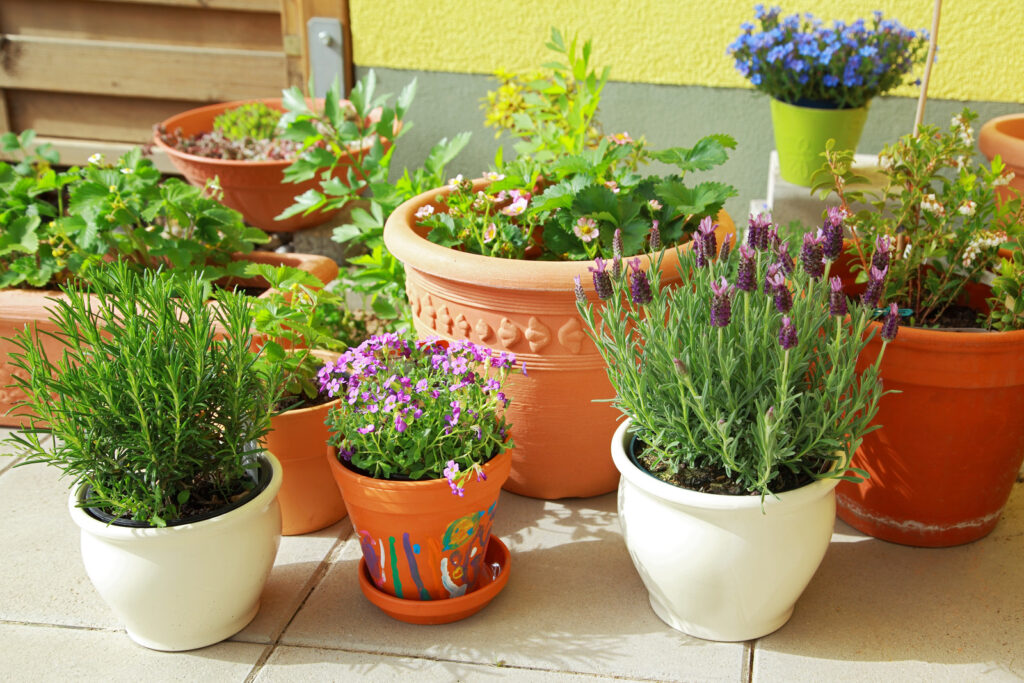
Growth Time: 30–45 days
Tips:
- Prefers bright, indirect sunlight.
- Harvest outer leaves first to promote continuous growth.
- Suitable for garnishes, soups, and plant-based dishes.
5. Dill (Anethum graveolens)
Growth Time: 30–40 days
Tips:
- Requires moderate sunlight and consistent moisture.
- Pinch regularly to prevent flowering.
- Perfect for salads, pickles, and seasoning.
6. Chives (Allium schoenoprasum)
Growth Time: 20–30 days
Tips:
- Thrives in bright light and shallow containers.
- Snip leaves as needed; they regrow quickly.
- Ideal for garnishing soups, salads, and vegetable dishes.
7. Thyme (Thymus vulgaris)
Growth Time: 30–50 days
Tips:
- Prefers sunny, well-draining locations.
- Trim regularly to maintain compact growth.
- Enhances sauces, soups, and roasted vegetables.
Steps to Start Your Indoor Herb Garden
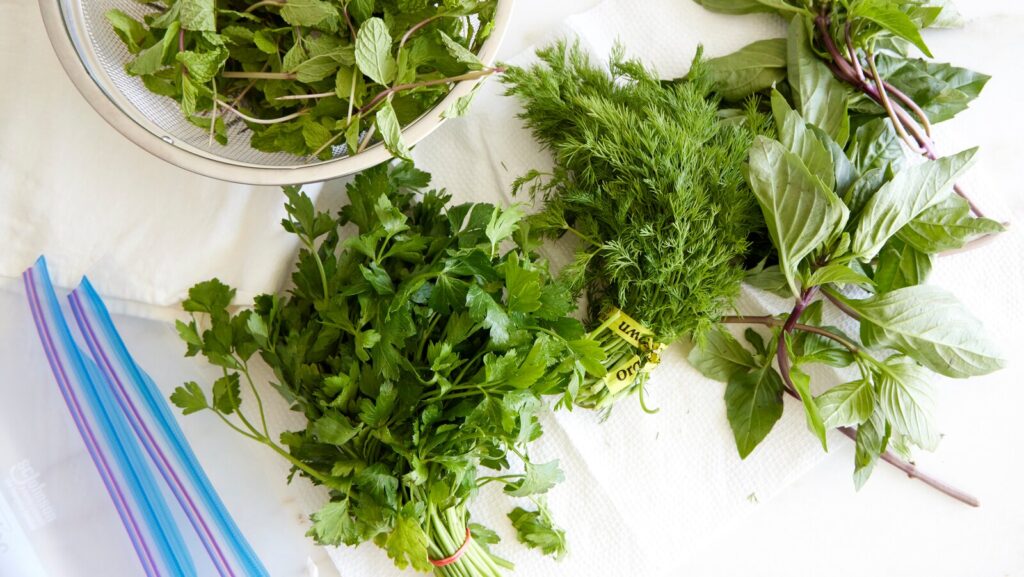
Step 1: Selecting Containers
- Choose pots with drainage holes.
- Consider using recycled jars, cups, or small trays for micro-herbs.
- Label containers to avoid confusion between species.
Step 2: Preparing Soil
- Mix organic compost with potting soil for a nutrient-rich medium.
- Avoid soil compaction to ensure proper root development.
Step 3: Planting Seeds or Seedlings
- Sow seeds according to depth indicated on seed packets.
- Transplant seedlings carefully to avoid root damage.
- Lightly firm soil around seeds and water gently.
Step 4: Providing Light
- Position pots near windows or under grow lights for 4–6 hours daily.
- Rotate containers periodically for uniform growth.
Step 5: Watering and Fertilization
- Water when the topsoil feels dry.
- Fertilize biweekly with plant-based organic solutions.
Maintenance Tips for Continuous Growth
- Regular Trimming: Harvest leaves and tips frequently to promote bushier growth.
- Deadheading: Remove flowers if the plant starts flowering to redirect energy to leaf production.
- Air Circulation: Ensure good ventilation to prevent fungal growth.
- Pest Management: Use neem oil, soapy water sprays, or manual removal for occasional pests.
Harvesting and Storage
- Timing: Harvest herbs in the morning when leaves are most flavorful.
- Method: Snip outer leaves or stems carefully using scissors.
- Frequency: Avoid removing more than one-third of the plant at once to prevent stress.
- Storage: Fresh herbs can be kept in small jars of water in the refrigerator or dried for later use.
Creative Indoor Herb Garden Ideas
- Windowsill Herb Garden: Line a sunny windowsill with small pots for easy access during cooking.
- Tiered Shelves: Use multi-level shelving to grow multiple herbs in limited space.
- Hanging Planters: Suspend pots with ropes or macrame to maximize vertical space.
- Jar Gardening: Repurpose glass jars for small herbs and microgreens.
- Combination Planting: Mix herbs with salad greens or edible flowers in shared containers.
Challenges and Solutions
| Challenge | Cause | Solution |
|---|---|---|
| Yellowing leaves | Overwatering or nutrient deficiency | Adjust watering and apply organic fertilizer |
| Leggy growth | Insufficient light | Move to brighter location or use grow lights |
| Slow growth | Overcrowding | Thin plants or transplant to larger pots |
| Pest infestation | Aphids or mites | Use neem oil spray or manual removal |
Sustainability Practices
- Plant-Based Fertilizers: Avoid chemical or animal-based fertilizers; use compost or seaweed extracts.
- Water Conservation: Collect and reuse rainwater or kitchen water for irrigation.
- Recycling Containers: Repurpose jars, cups, or trays as planters.
- Zero-Waste Cooking: Grow herbs to reduce packaged herb purchases, minimizing plastic and transportation waste.
Conclusion
Growing fresh herbs at home is a simple, rewarding, and sustainable practice that benefits both cooking and well-being. By selecting fast-growing and easy-to-maintain herbs such as basil, cilantro, mint, parsley, dill, chives, and thyme, anyone can cultivate a thriving herb garden indoors. Success depends on providing adequate light, proper soil, consistent watering, and regular harvesting.
An indoor herb garden not only supplies fresh, flavorful ingredients for plant-based meals but also enhances indoor aesthetics, reduces stress, and promotes eco-friendly living. With careful planning, creativity, and dedication, anyone can transform a small indoor space into a vibrant, productive herb sanctuary that supports daily cooking and a healthy lifestyle.