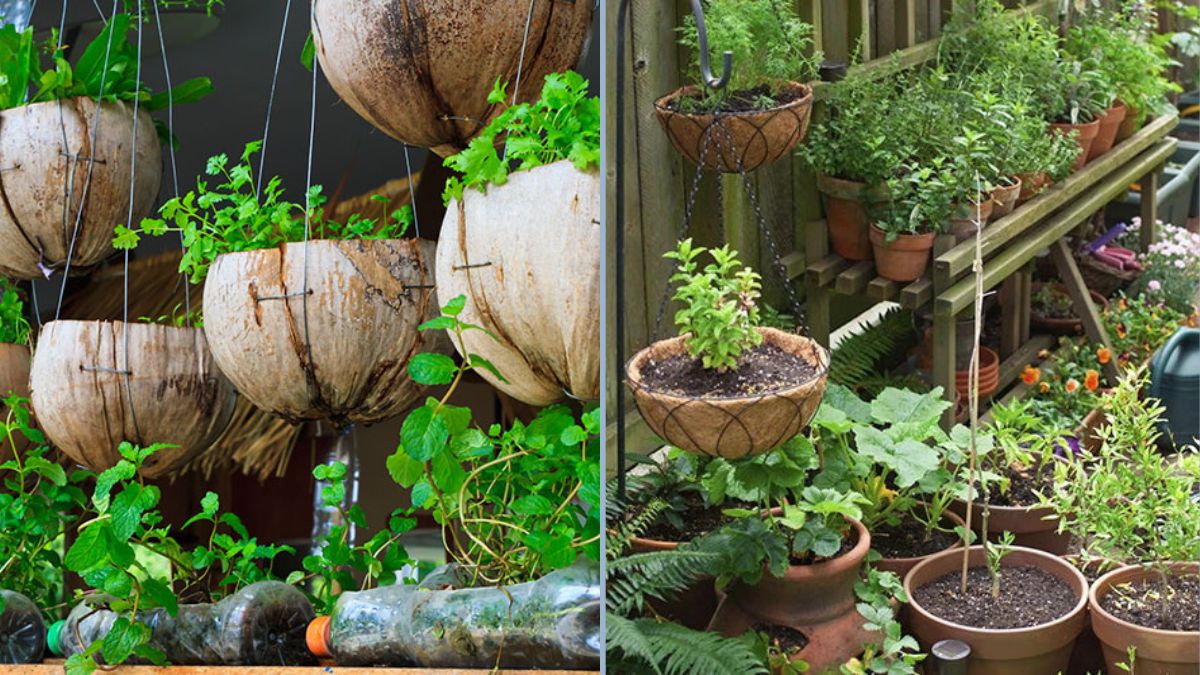
Growing vegetables indoors has become an appealing solution for people with limited outdoor space, urban gardeners, apartment dwellers, or anyone looking to enjoy fresh produce year-round. With the right combination of fast-growing plant varieties, appropriate containers, and suitable indoor conditions, you can cultivate a thriving vegetable garden without ever stepping outside. This article explores quick-growing vegetables ideal for indoor environments, the conditions they require, and practical tips for harvesting high yields—all while staying fully plant-based and avoiding any non-vegetarian options.
Why Grow Vegetables Indoors?
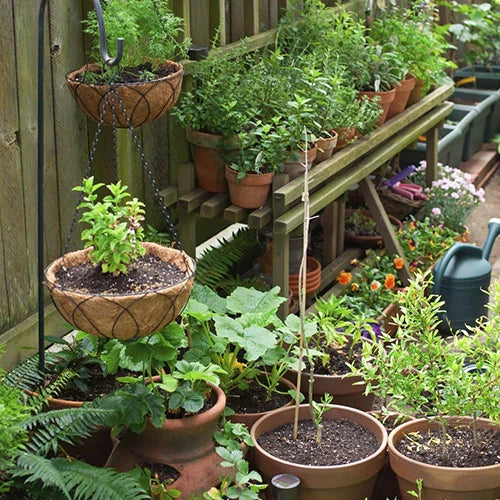
Indoor vegetable gardening provides several distinct advantages:
- Space Efficiency: Apartments, dorms, and compact homes can easily accommodate container-grown plants on windowsills, countertops, or shelves.
- Climate Control: You can grow vegetables regardless of season, frost, or unpredictable weather.
- Pest Reduction: Indoor gardens face fewer insect issues, reducing the dependence on pesticides.
- Nutritional and Economic Benefits: Homegrown vegetables are fresh, chemical-free, and cost-effective over time.
- Aesthetic and Psychological Benefits: Indoor plants enhance your living spaces and contribute to stress reduction.
When choosing vegetables for indoor gardening, focus on varieties that mature quickly, adapt to container life, and don’t require deep soil or sprawling space.
Key Requirements for Indoor Vegetable Growth
Before exploring specific vegetables, it’s important to understand the essential elements for success:
1. Light
- Most vegetables need 6–8 hours of direct or supplemental light.
- A sunny south-facing window works well, but LED grow lights or fluorescent bulbs can supply consistent illumination.
2. Containers and Soil
- Use containers with drainage holes to prevent root rot.
- Choose lightweight, well-draining potting mix rather than outdoor garden soil.
- Self-watering pots or grow bags are helpful for moisture consistency.
3. Water and Humidity
- Keep the soil evenly moist but not waterlogged.
- Indoor air can be dry, especially in heated or air-conditioned spaces—mist plants occasionally or use a humidity tray if needed.
4. Temperature
- Most leafy and root vegetables thrive between 18°C–24°C (65°F–75°F).
- Avoid placing plants directly next to heaters, air vents, or drafty windows.
5. Fertilization
- Use organic, plant-based liquid fertilizers or compost tea every few weeks during active growth.
Top Quick-Growing Indoor Vegetables
Below are some of the fastest-growing and most successful vegetables for indoor environments. These varieties germinate and mature quickly, making them ideal for small spaces and short timeframes.
**1. Microgreens
Maturity Time: 7–14 days
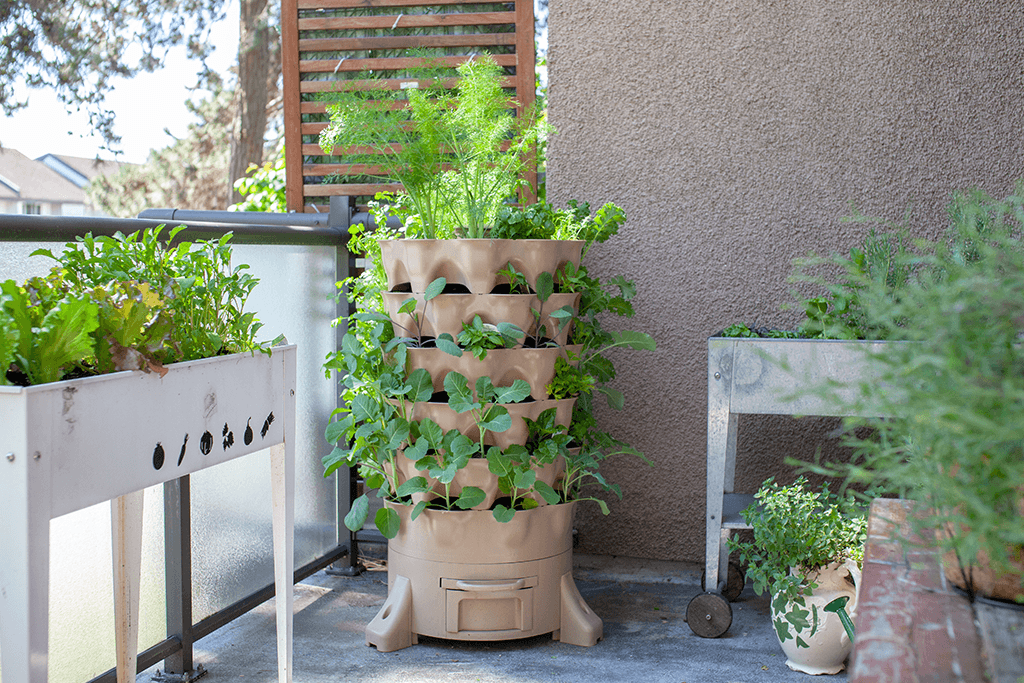
Microgreens are young seedlings of vegetables like radish, broccoli, mustard, and beet. You harvest them when they’re just a few inches tall. They’re dense in nutrients and simple to grow in shallow trays. Because they require minimal light and space, they’re ideal for kitchen counters or windowsills.
Growing Tips:
- Scatter seeds densely on moist soil.
- Cover lightly and mist daily.
- Harvest with scissors once the first true leaves appear.
2. Lettuce and Leafy Greens
Maturity Time: 25–40 days
Loose-leaf varieties like romaine, oak leaf, and butterhead grow exceptionally well indoors. You can harvest outer leaves continually, allowing the plant to keep producing.
Growing Tips:
- Use wide containers at least 4–6 inches deep.
- Provide bright light for 6+ hours.
- Snip leaves when they reach 3–4 inches long.
Other leafy options include:
- Spinach
- Arugula
- Kale (dwarf varieties)
3. Green Onions (Scallions)
Maturity Time: 15–30 days
Green onions regenerate quickly and need very little space. You can grow them from seeds or regrow store-bought scraps by placing the white bulb section in water or soil.
Growing Tips:
- Keep in a jar of water or in a small pot of soil.
- Harvest leaves as needed; they’ll regrow repeatedly.
4. Radishes
Maturity Time: 20–30 days
Radishes are among the quickest root vegetables to mature. Compact varieties like Cherry Belle and French Breakfast perform well in containers.
Growing Tips:
- Use pots at least 6 inches deep.
- Provide moderate sunlight.
- Thin seedlings early for proper root development.
Radish greens are also edible and nutritious.
5. Baby Carrots
Maturity Time: 30–45 days
While full-sized carrot varieties are harder to grow indoors, baby or “mini” carrots are perfect for pots.
Growing Tips:
- Use deep, loose soil (8–10 inches).
- Maintain consistent moisture.
- Harvest once the tops peek above the soil surface.
6. Herbs (Fast-Growing Culinary Varieties)
Maturity Time: 21–35 days for first harvest
Though technically not vegetables, herbs are essential in plant-based cooking and many thrive quickly indoors:
- Basil
- Cilantro
- Parsley
- Mint
- Dill
Most can be clipped frequently once established.
7. Pea Shoots
Maturity Time: 10–20 days
Pea shoots grow rapidly and can be harvested when they reach 4–6 inches tall. They’re tender and flavorful, perfect for stir-fries, salads, and sandwiches.
Growing Tips:
- Soak seeds for 6–8 hours before planting.
- Keep soil evenly moist.
- Harvest young stems and leaves.
Maximizing Yield in Small Indoor Spaces
To increase productivity, use the following strategies:
Vertical Gardening
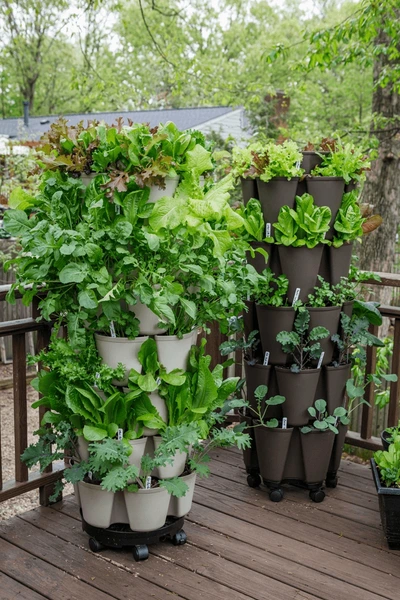
- Install shelves or tiered plant stands near windows.
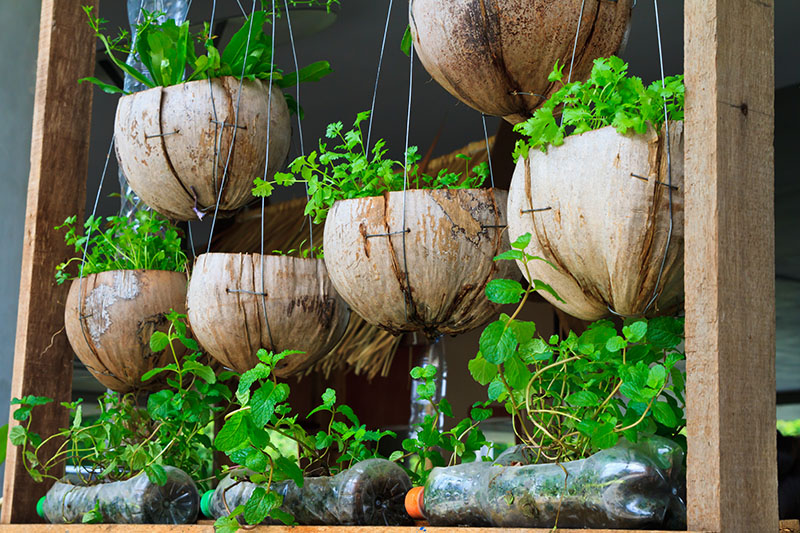
- Hanging planters conserve floor space.
Succession Planting
- Plant seeds in small batches every week or two.
- This ensures a constant supply of fresh produce.
Hydroponic Systems
- Water-based growing systems can accelerate growth.
- Lettuce, herbs, and microgreens especially benefit.
Companion Growing
- Pair compatible plants in larger containers.
- For example, lettuce with green onions or basil with spinach.
Common Challenges and Solutions
| Challenge | Cause | Solution |
|---|---|---|
| Leggy Plants | Insufficient light | Use grow lights or move to brighter area |
| Yellow Leaves | Overwatering or poor drainage | Check soil moisture and pot drainage |
| Slow Growth | Low nutrients or weak light | Fertilize and increase light exposure |
| Mold on Soil | Poor airflow or excess moisture | Improve ventilation and reduce watering |
Harvesting and Regrowth
One of the greatest benefits of indoor gardening is the ability to harvest slowly and regrow. For cut-and-come-again plants like lettuce and herbs, always clip the outermost leaves first. Root vegetables like radishes and mini carrots should be harvested all at once, but you can immediately replant for a new batch.
With scallions, romaine hearts, or celery bases, you can place the bottom section in water and encourage fresh shoots to grow. After regrowth begins, transplant into soil for long-term harvests.
Eco-Friendly and Plant-Based Practices
Since you prefer options without non-vegetarian inputs, prioritize the following:
- Plant-Based Fertilizers: Choose compost, seaweed extract, worm castings, or plant-based liquid feeds.
- Coconut Coir and Peat Alternatives: These improve soil aeration without animal products.
- Natural Pest Control: Use neem oil spray, soapy water, or manual removal for occasional pests.
Avoid any fertilizers containing fish emulsion, bone meal, or manure-based composts if you want completely vegan gardening.
Conclusion
Growing quick-yield vegetables indoors is not only practical but rewarding and sustainable. With minimal space, a few containers, and basic supplies, you can cultivate leafy greens, microgreens, radishes, herbs, and more in a matter of days or weeks. These fast-growing vegetables fit perfectly into plant-based living, save money, and offer a continuous supply of fresh, chemical-free produce right at your fingertips.
By focusing on lighting, moisture, and proper soil nutrition—and selecting crops that mature rapidly—you’ll transform any indoor environment into a thriving mini garden. Whether you’re pursuing a thesis, planning a home project, or aiming for greater food independence, quick-growing indoor vegetables provide an accessible and fulfilling solution.
If you’d like a formatted PDF, references, or additional sections such as methodology or experiments for a thesis submission, just let me know!