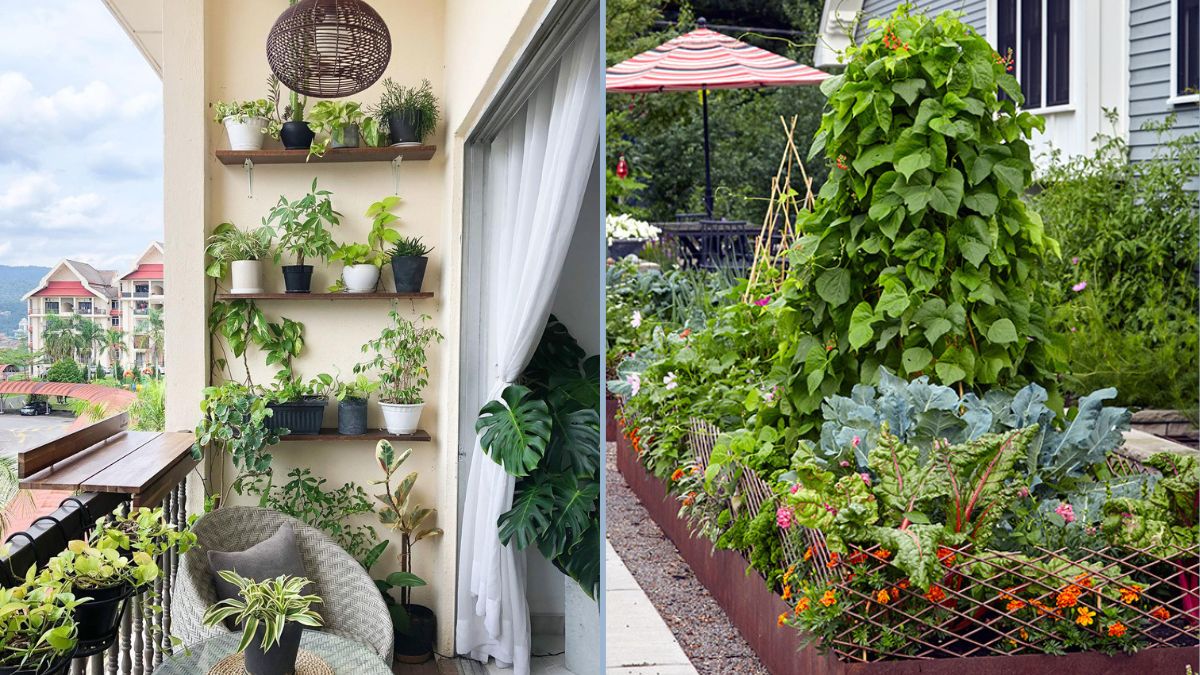
In today’s urban lifestyle, space is often limited, and access to fresh greenery is rare. Apartments, especially in bustling cities, may lack traditional garden space, but that doesn’t mean you cannot enjoy the joys of gardening. A DIY mini garden offers a practical, sustainable, and aesthetically pleasing solution for apartment dwellers. This article explores how to design and maintain a mini garden in small indoor or balcony spaces, focusing on plant-based options without any non-vegetarian inputs, and provides detailed guidance for beginners and experienced urban gardeners alike.
Why Create a Mini Garden in Apartments?
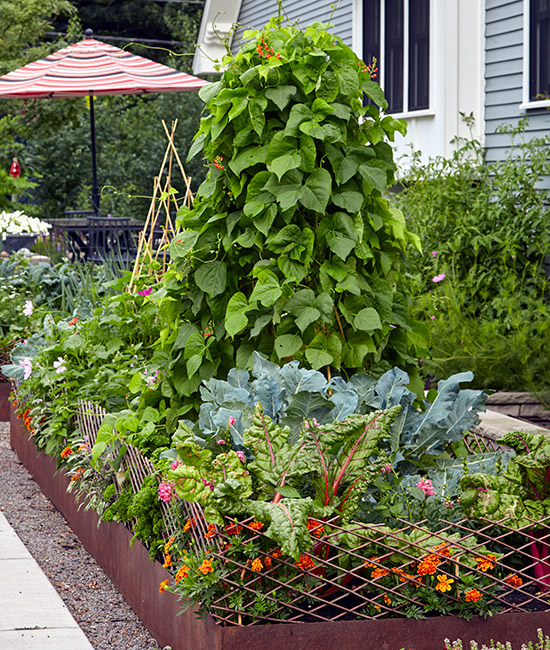
Urban living often limits opportunities for outdoor gardening. However, a DIY mini garden brings multiple benefits:
- Space Efficiency: Even tiny balconies, windowsills, or corners can host productive plant arrangements.
- Fresh Produce and Herbs: Grow vegetables, herbs, and edible greens right at your doorstep.
- Aesthetic Appeal: Plants enhance interiors and create a natural, calming environment.
- Health and Wellness: Gardening reduces stress, improves mental health, and encourages a connection with nature.
- Environmental Impact: Small-scale urban gardens contribute to cleaner indoor air and reduce carbon footprints by growing your own food.
A mini garden doesn’t require vast knowledge or space. The key is selecting suitable plants, containers, and growing methods that thrive in indoor or balcony environments.
Essential Elements for Apartment Gardening
To successfully cultivate a DIY mini garden, consider these critical elements:
1. Light
- Most plants require at least 4–6 hours of indirect sunlight daily.
- South-facing windows are ideal, but LED grow lights can supplement if sunlight is insufficient.
2. Containers and Pots
- Choose pots with proper drainage holes to prevent root rot.
- Lightweight materials like plastic, fabric grow bags, or terracotta are ideal.
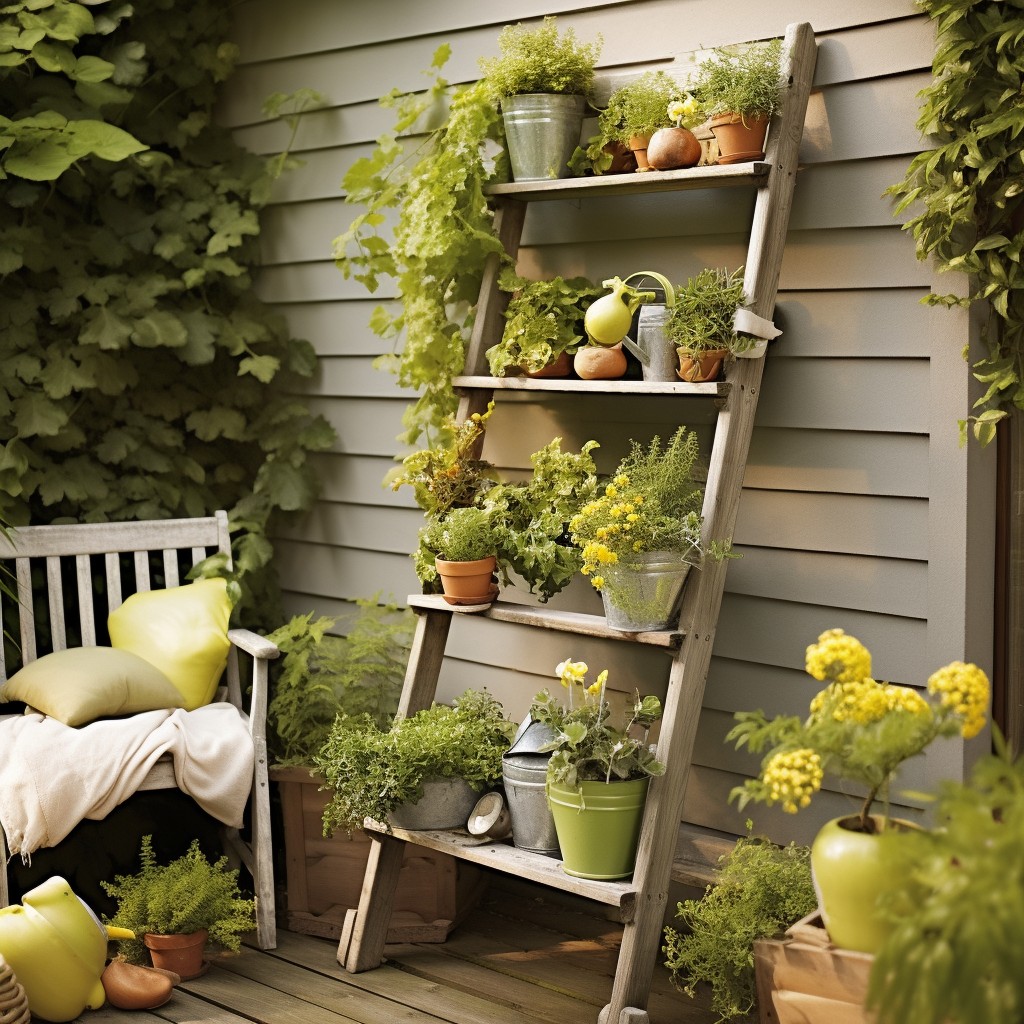
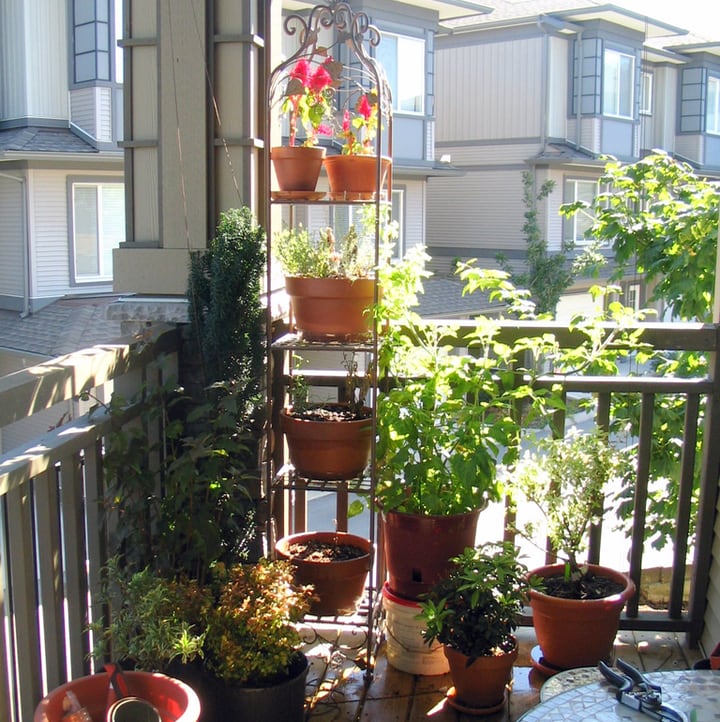
- Vertical planters or tiered stands maximize limited space.
3. Soil and Substrate
- Use a well-draining potting mix enriched with compost or organic fertilizers.
- For herbs and leafy vegetables, a mix of cocopeat, vermiculite, and garden soil ensures aeration and moisture retention.
4. Watering and Humidity
- Water consistently but avoid waterlogging.
- Indoor air can be dry; mist plants occasionally or use small trays of water for humidity.
5. Fertilization
- Apply organic, plant-based fertilizers every 2–3 weeks to ensure continuous growth.
- Options include compost tea, seaweed extract, or homemade plant-based liquid fertilizers.
Choosing Plants for a DIY Mini Garden
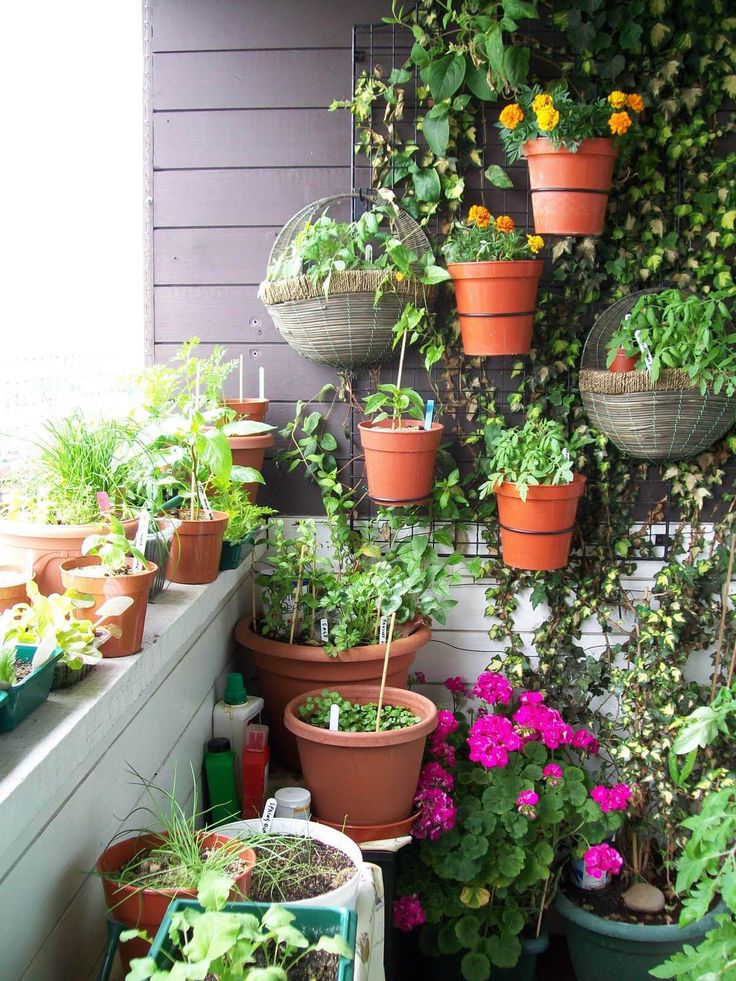
A thriving mini garden requires plants that adapt to container life, limited space, and sometimes low light. For apartment setups, consider fast-growing, low-maintenance vegetables, herbs, and decorative plants.
1. Leafy Greens and Salad Plants
Examples: Lettuce, spinach, arugula, kale (dwarf varieties)
Why Ideal:
- Quick-growing (25–40 days for first harvest)
- Can be grown in shallow containers
- Harvest outer leaves repeatedly
Tips:
- Use wide, shallow containers for loose-leaf varieties.
- Ensure bright light for 5–6 hours daily.
- Maintain moderate moisture without overwatering.
2. Herbs
Examples: Basil, coriander (cilantro), mint, parsley, dill
Why Ideal:
- Compact, aromatic, and easy to grow indoors
- Enhance plant-based cooking
- Regrow quickly after harvesting
Tips:
- Regular trimming promotes bushier growth.
- Keep soil evenly moist but avoid soggy conditions.
- Rotate pots occasionally to ensure even sunlight.
3. Microgreens
Examples: Radish, beet, mustard, broccoli sprouts
Why Ideal:
- Extremely fast-growing (ready in 7–14 days)
- Require minimal space and shallow trays
- Nutrient-dense and versatile for salads or garnishes
Tips:
- Spread seeds densely over moistened soil.
- Mist lightly to maintain moisture.
- Harvest when the first true leaves appear, cutting close to the soil surface.
4. Compact Root Vegetables
Examples: Radishes, baby carrots
Why Ideal:
- Adaptable to pots and small garden beds
- Harvest in 20–45 days depending on variety
- Leaves are also edible and nutritious
Tips:
- Use containers at least 6–8 inches deep.
- Thin seedlings to prevent overcrowding.
- Maintain consistent soil moisture.
5. Climbing Plants
Examples: Peas, cherry tomatoes, dwarf beans
Why Ideal:
- Perfect for vertical or trellis setups on balconies
- Yield fresh produce in compact spaces
Tips:
- Provide support with stakes, trellises, or strings.
- Position in sunny spots for at least 6 hours a day.
- Regularly prune to maintain airflow and prevent disease.
6. Decorative Indoor Plants
Examples: Spider plant, pothos, snake plant, aloe vera
Why Ideal:
- Improve indoor air quality
- Require minimal maintenance
- Complement edible plants aesthetically
Tips:
- Group plants based on light and water requirements.
- Rotate occasionally to encourage balanced growth.
- Aloe vera is also multipurpose: its gel can be used for skin care.
Creative DIY Mini Garden Ideas
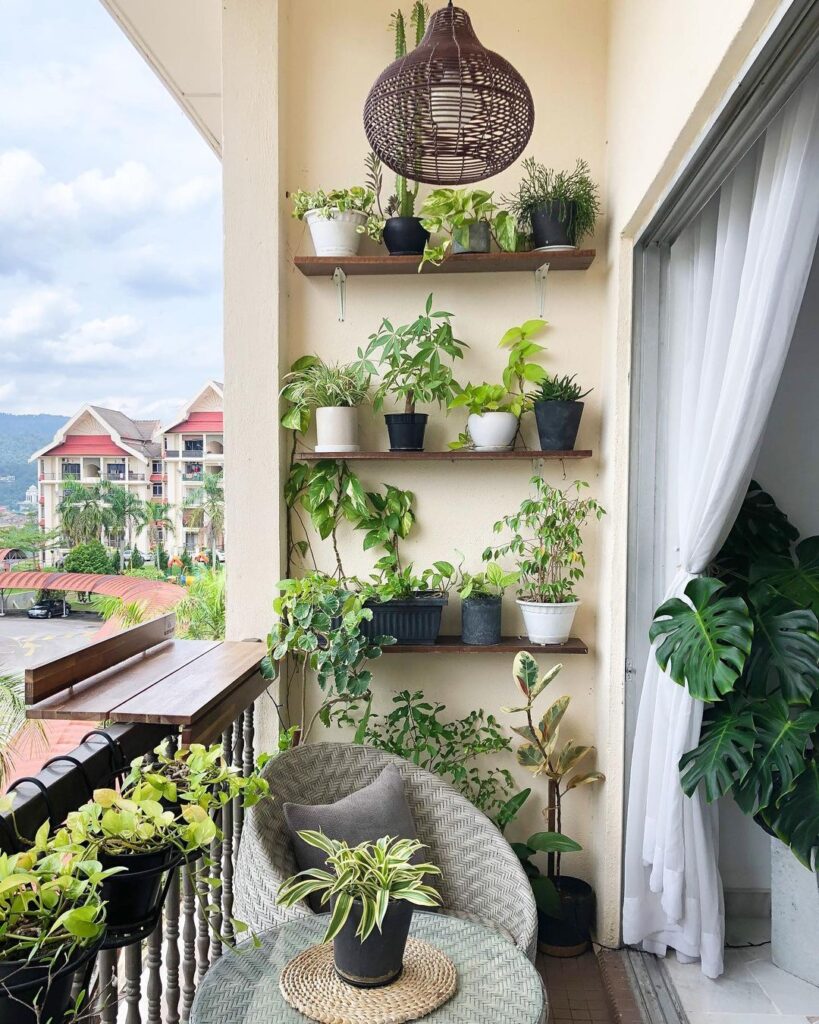
- Vertical Gardens: Use wall-mounted planters, hanging pockets, or stacked pots to save floor space.
- Windowsill Garden: Line a bright windowsill with herbs, leafy greens, or microgreens.
- Tiered Shelves: Install multi-tiered shelves with pots and trays for diverse plant arrangements.
- Terrariums and Glass Containers: Small succulents, moss, or herbs thrive in enclosed or semi-enclosed glass containers.
- Upcycled Planters: Reuse jars, bottles, or boxes as plant containers for an eco-friendly approach.
Maintenance and Care
Proper care ensures continuous growth and healthy plants:
- Watering: Monitor soil moisture and water consistently without overwatering.
- Lighting: Ensure plants receive adequate sunlight; rotate pots if some leaves are shaded.
- Fertilization: Apply plant-based fertilizers biweekly for optimal nutrient supply.
- Pruning and Harvesting: Regularly trim leaves and harvest produce to encourage new growth.
- Pest Control: Use natural methods like neem oil, soapy water, or manual removal for occasional infestations.
Challenges and Solutions
| Challenge | Cause | Solution |
|---|---|---|
| Leggy or weak plants | Insufficient light | Add grow lights or move closer to sunlight |
| Yellowing leaves | Overwatering or nutrient deficiency | Adjust watering schedule and fertilize organically |
| Mold or fungal growth | Poor air circulation or excess moisture | Improve ventilation and reduce watering |
| Low yield | Overcrowded containers | Thin plants or transplant to larger pots |
Sustainability and Eco-Friendly Practices
A DIY mini garden aligns well with sustainable living:
- Composting: Convert kitchen scraps into nutrient-rich compost.
- Rainwater Harvesting: Use collected rainwater for watering plants.
- Vegan Fertilizers: Avoid animal-based fertilizers; use plant-based composts and liquid feeds.
- Upcycling: Reuse jars, bottles, or containers as planters.
These methods reduce waste, enhance plant health, and create an eco-conscious indoor gardening system.
Conclusion
A DIY mini garden transforms apartments into green havens, offering fresh produce, herbs, and decorative plants in limited spaces. By selecting fast-growing, low-maintenance vegetables, herbs, and indoor plants, apartment dwellers can enjoy the benefits of gardening without outdoor space. Attention to light, soil, water, and container selection ensures healthy growth, while vertical, windowsill, and tiered designs maximize available space.
Beyond aesthetic appeal, mini gardens improve air quality, enhance mental well-being, and provide sustainable, plant-based nourishment. With careful planning and regular care, anyone can cultivate a thriving indoor garden, turning even the smallest apartment into a vibrant green retreat.