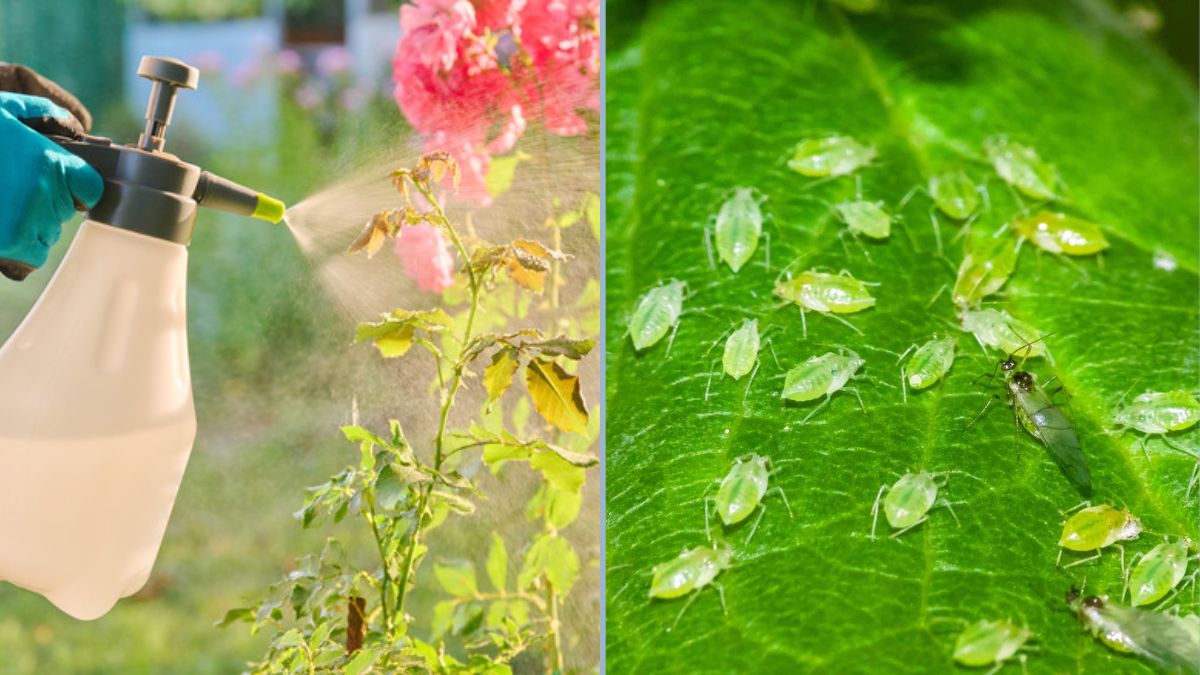
Herbs are among the most cherished plants in home gardens, balconies, and kitchen containers. Whether grown for culinary use, medicinal properties, or their fragrance, herbs require regular care to stay healthy. Among the most persistent threats to herb plants are aphids—tiny sap-sucking insects that multiply rapidly and damage foliage, stems, and growth patterns. Controlling aphids without using non-vegetarian (animal-derived) products can be both practical and sustainable. This article explores detailed, plant-based and eco-friendly methods to prevent and eliminate aphids from herbs while maintaining plant vigor.
Understanding Aphids and Their Impact
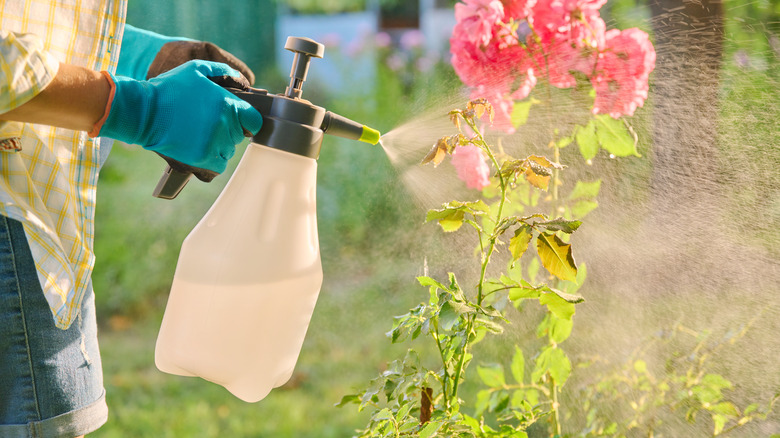
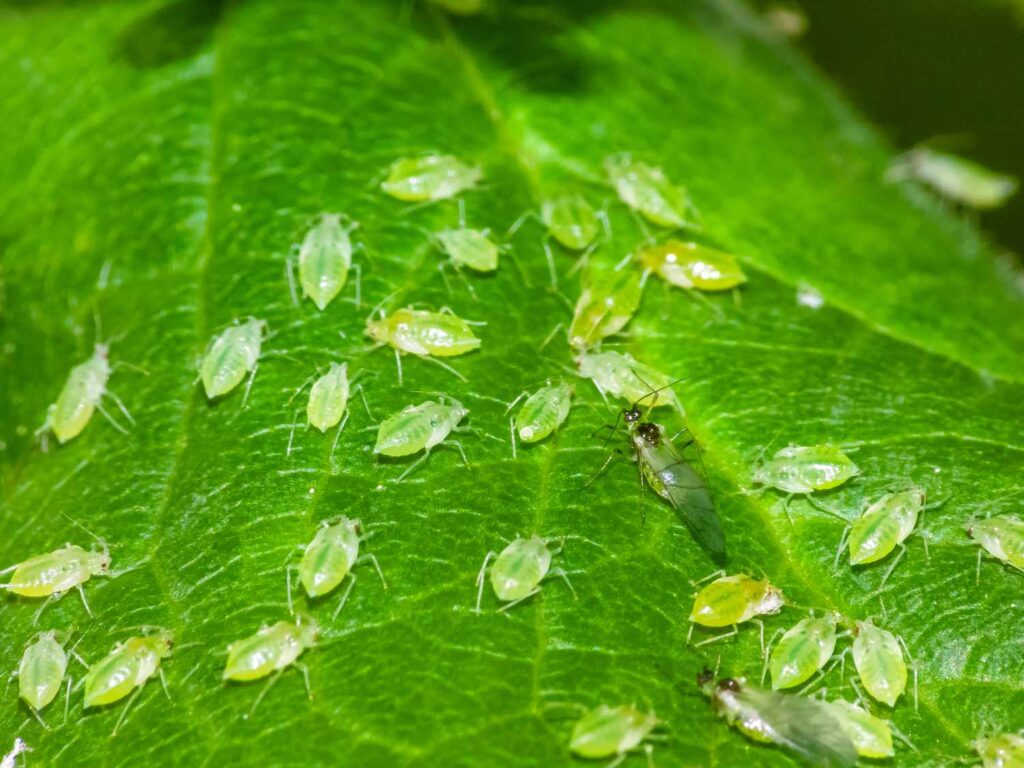
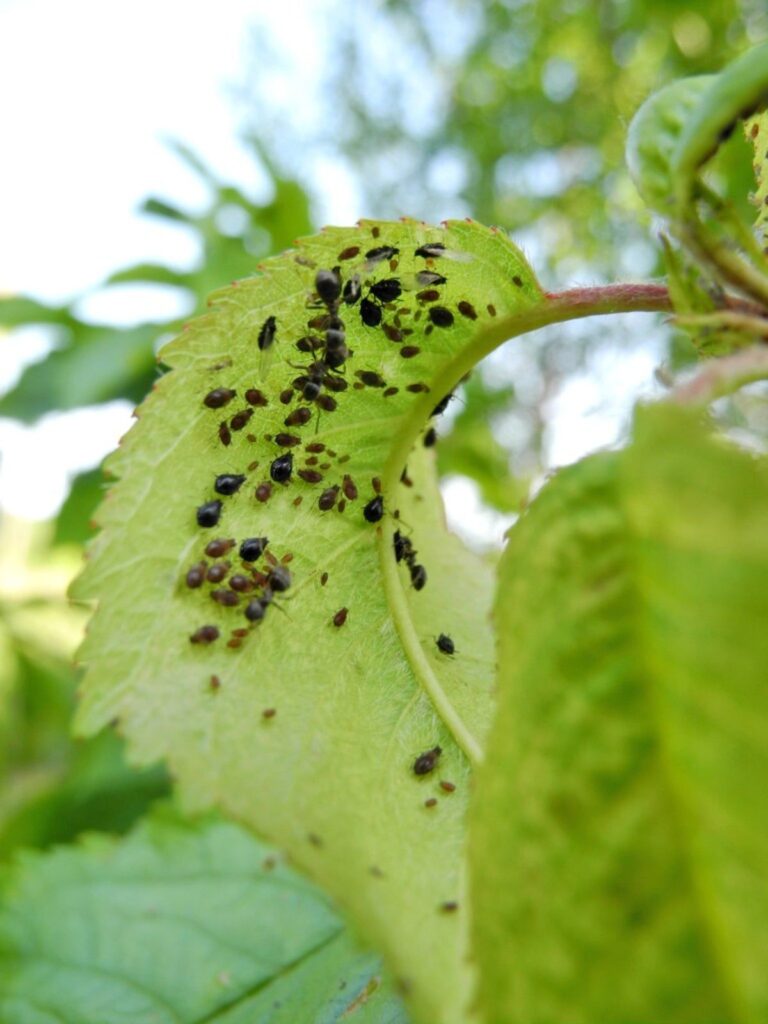
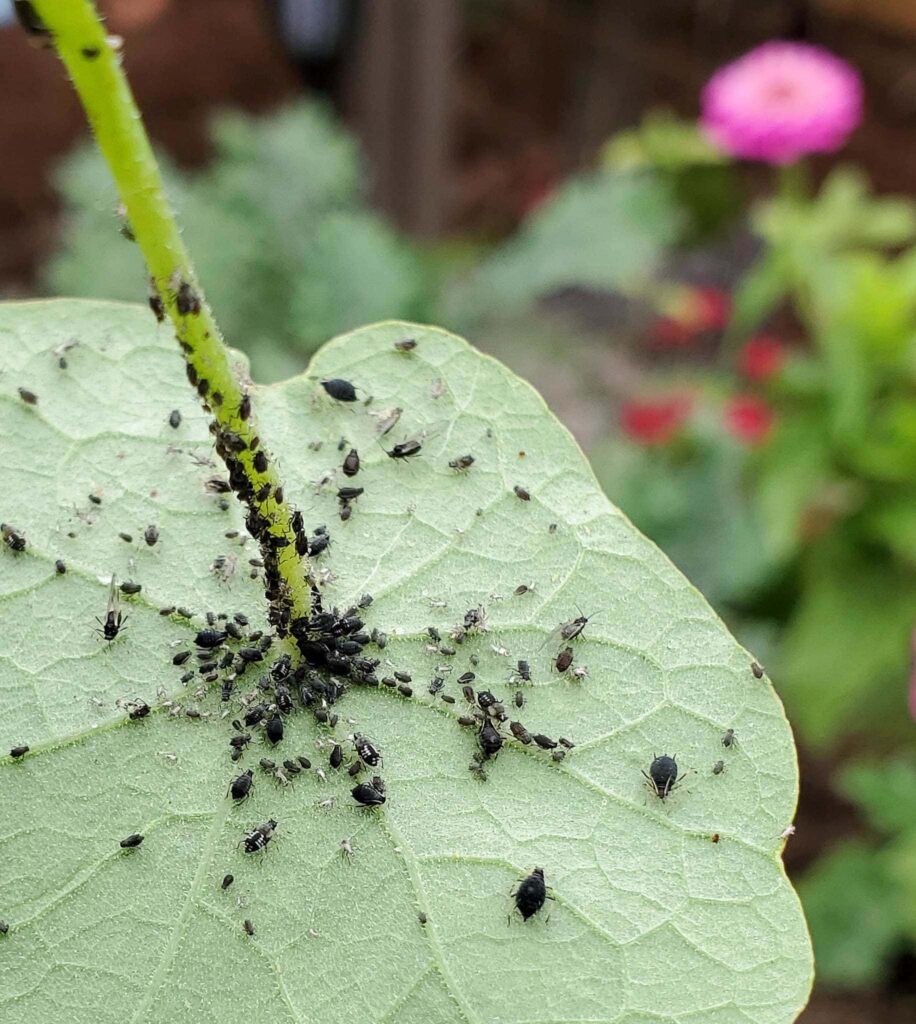
Aphids are small, soft-bodied insects ranging from light green to black, brown, or yellow. They congregate on tender parts of plants, such as new shoots, young leaves, and flower buds. Most species reproduce quickly, making infestations escalate within days if not addressed.
Signs of Aphid Infestation
- Curled or distorted leaves
- Sticky residue (honeydew) on foliage
- Stunted growth
- Presence of ants (attracted to honeydew)
- Yellowing or wilting tips
- Clusters of small insects on the underside of leaves
Unchecked, aphids weaken herb plants, reduce yield, and invite fungal growth such as sooty mold. Early intervention and long-term prevention are essential.
1. Prevention Through Plant Health
Healthy plants are better equipped to resist pests.
Choose Suitable Locations
- Ensure herbs receive adequate sunlight (most need 6–8 hours daily).
- Maintain good airflow around plants to discourage pests.
Avoid Over-Fertilization
Excess nitrogen can trigger soft, tender leaf growth, which aphids love. Use balanced, organic fertilizers sparingly.
Water Correctly
Overwatering weakens roots and encourages pests. Water in the morning and allow proper drainage.
2. Physical Removal Methods
When aphid populations are small, direct removal can be surprisingly effective.
Manual Removal
- Use gloved fingers or a soft brush to wipe aphids off leaves and stems.
- For fragile herbs like basil or dill, gently pinch affected areas.
Water Spray
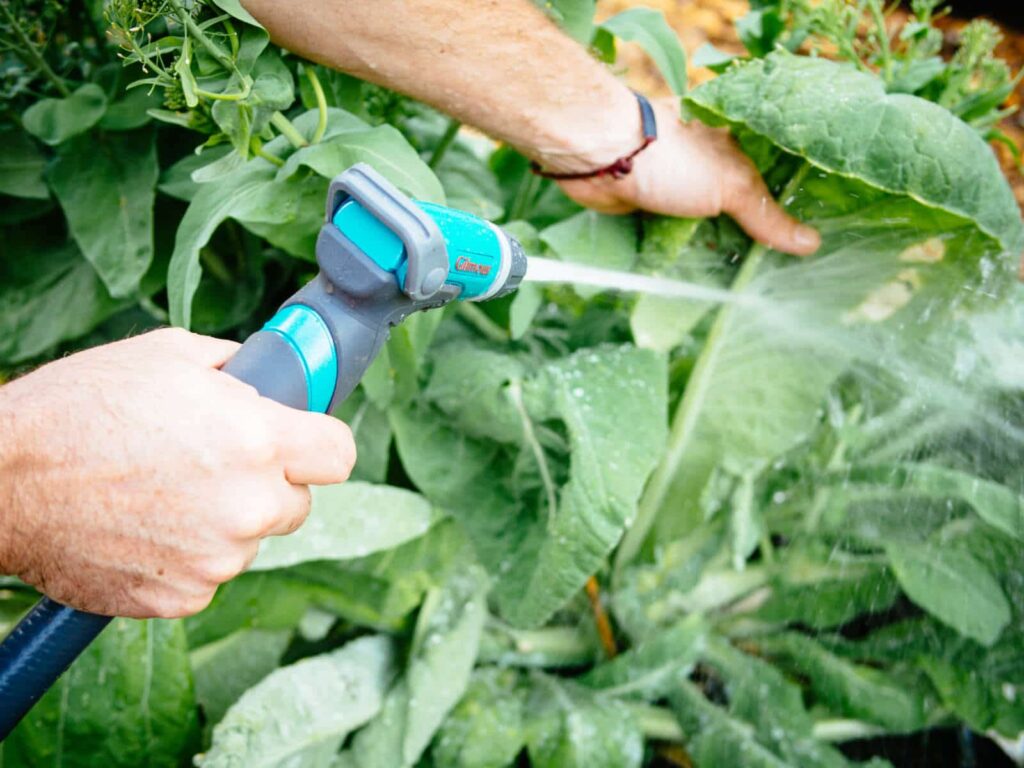
- Spray a strong but controlled stream of water on both sides of leaves.
- Focus on underside surfaces where aphids hide.
- Repeat every few days until signs diminish.
This approach is chemical-free and safe for edible herbs.
3. Companion Planting (Plant-Based Defense)
Strategic companion planting creates a natural deterrent while promoting biodiversity.
Repellent Plants
Certain aromatic plants naturally repel aphids:
- Marigold
- Catnip
- Garlic
- Chives
- Onions
- Mint
Plant these around or between herb varieties to create a barrier.
Trap Crops
Some plants attract aphids more than herbs do:
- Nasturtium
- Calendula
- Mustard greens
Place trap crops a short distance away. Inspect and remove aphids from them regularly.
4. Homemade Herbal Sprays (Vegan-Friendly)
Plant-based sprays are excellent alternatives to commercial insecticides and meet the requirement of avoiding non-veg products.
a. Neem Oil Spray
- Mix 1–2 teaspoons of cold-pressed neem oil with a few drops of mild plant-based dish soap in 1 liter of lukewarm water.
- Shake well and spray thoroughly on stems and undersides of leaves.
- Apply in the early morning or late evening, twice a week until aphids disappear.
Neem disrupts aphid feeding and reproduction without harming herbs when diluted correctly.
b. Soap Spray (Vegan Dish Soap)
- Combine 1 tablespoon of biodegradable, plant-derived dish soap with 1 liter of water.
- Spray directly on aphids. The solution breaks down their waxy outer layer.
- Rinse plants with clean water after a few hours to avoid residue buildup.
c. Garlic or Onion Spray
- Crush 4–5 garlic cloves or a small onion and soak them in 1 liter of water for 24 hours.
- Strain and add a teaspoon of mild liquid soap.
- Spray weekly for prevention and pest control.
The strong odor repels aphids and deters re-infestation.
d. Chili Pepper Spray
- Blend 2–3 fresh chilies with 1 liter of water.
- Strain and mix with a teaspoon of soap.
- Spray lightly on affected areas, avoiding delicate foliage.
Always conduct a patch test on a small section of the plant.
5. Encourage Beneficial Insects (Without Non-Veg Options)
You can attract insect predators that naturally feed on aphids—without purchasing or using animal-based inputs.
Attractors for Helpful Insects
Plant or maintain:
- Dill
- Fennel
- Yarrow
- Chamomile
- Lavender
- Sweet alyssum
These attract aphid-eating insects like lacewings, hoverflies, and ladybugs already present in your ecosystem.
6. Use Natural Barriers and Mulches
Organic mulches help disrupt pest movement and support soil health.
- Apply straw, dry leaves, or composted plant matter around herb bases.
- Keep mulch dry on top and slightly moist underneath.
- Avoid wood chips that retain too much moisture near stems.
Floating row covers made from breathable fabric can also block aphids, especially for young plants.
7. Regular Inspection and Maintenance
Consistent observation is central to pest prevention.
Check Frequently
- Inspect undersides of leaves twice a week.
- Monitor newly transferred or purchased plants before introducing them to existing herb patches.
Prune Affected Areas
- Remove heavily infested stems using clean, sharp shears.
- Dispose of pruned sections in sealed bags, not compost.
Rotate Herbs
Growing the same herb in one spot every season encourages pests. Rotation disrupts pest life cycles and preserves soil health.
8. Natural Sprinkling Powders (Non-Animal Based)
Some powdered substances discourage aphids without harming the plant.
Diatomaceous Earth (Food Grade)
Made from fossilized algae, it scratches the protective coating of soft-bodied insects. Lightly dust soil and stems, avoiding blooms and new shoots.
Wood Ash
If available from untreated firewood, sprinkle small amounts around plant bases. It repels sap-sucking pests but should not be overused, as it can alter soil pH.
9. Maintaining Environmental Balance
Creating an ecosystem where aphids struggle to thrive is better than treating outbreaks repeatedly.
Avoid Monocropping
Mix herbs with flowers and vegetables to confuse pests and limit rapid spread.
Encourage Air Circulation
Space plants properly and prune overcrowded growth to prevent humidity pockets.
Use Raised Beds or Pots
Containers allow better monitoring and root control. Aphids are less likely to transfer between isolated plants.
10. Long-Term Organic Practices
Sustainable cultivation methods discourage aphid resurgence.
Compost Wisely
Use well-decomposed plant matter to enrich the soil, boost microbes, and reduce susceptibility to pests. Avoid raw or partially composted materials.
pH Balance
Most herbs prefer neutral to slightly alkaline soil. Test periodically to ensure aphid-favorable stress conditions do not develop.
Seasonal Clean-Up
Clear dried stems and leaves at the end of each growing cycle. Dormant aphid eggs often hide in debris.
Conclusion
Keeping aphids off your herbs is entirely achievable with a detailed, preventive, and plant-based strategy. By combining natural sprays, companion planting, physical techniques, and consistent monitoring, you create an environment that discourages pests without relying on non-vegetarian or chemical options. Prevention starts with plant health—sunlight, airflow, proper watering, and nutrition. Homemade vegan sprays such as neem, garlic, onion, or soap solutions offer targeted relief, while beneficial insects and fragrant companions deter aphids naturally.
Above all, awareness and quick action are key. A holistic, eco-friendly approach not only protects your herbs but also supports a resilient and sustainable garden ecosystem. With these methods, your basil, rosemary, mint, thyme, coriander, or any other herb can flourish aphid-free throughout the growing season.