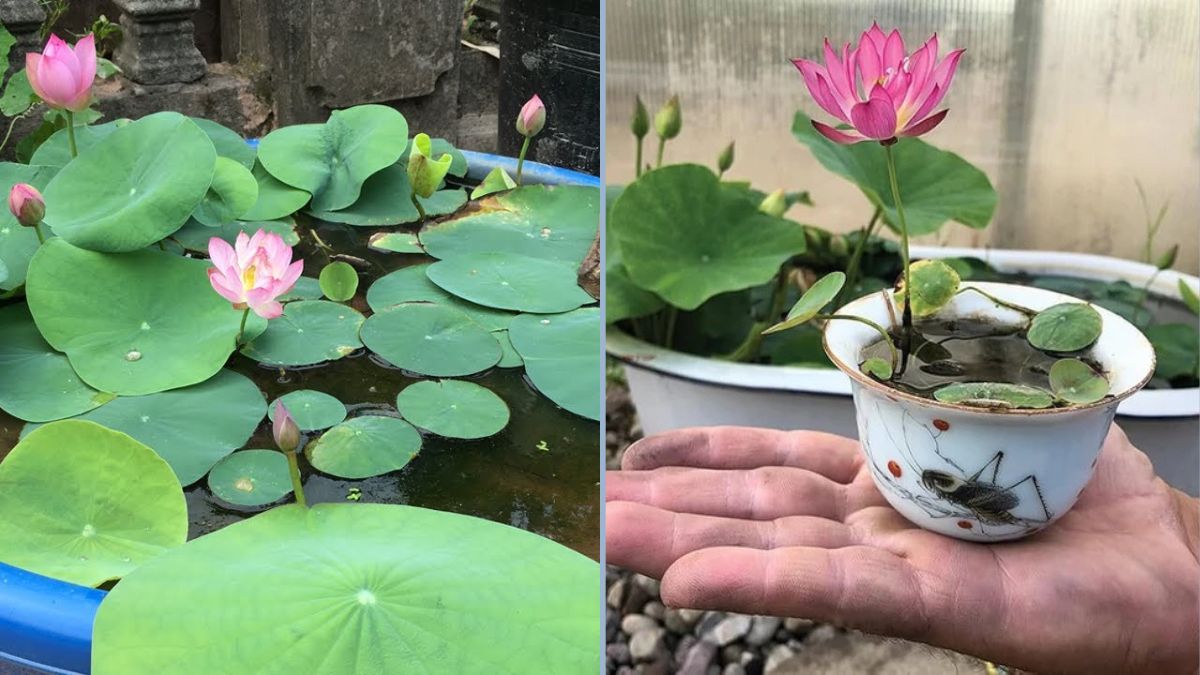
The lotus — a symbol of purity, peace, and beauty — is one of the most breathtaking plants you can grow. Its large, vibrant flowers and elegant leaves can transform any balcony, terrace, or backyard into a peaceful oasis. Contrary to what many people believe, you don’t need a pond or large water garden to grow lotus. With the right setup, you can easily grow lotus in pots or containers right at home, even as a beginner.
Inspired by the YouTube tutorial “How to Grow Lotus in Pots from Lotus Roots for Beginners | Grow Lotus at Home,” this comprehensive guide will walk you through everything you need to know — from choosing lotus rhizomes and preparing containers, to planting, caring, and enjoying the spectacular blooms.
Let’s dive into the calm and rewarding world of lotus gardening.
Why Grow Lotus in Pots?
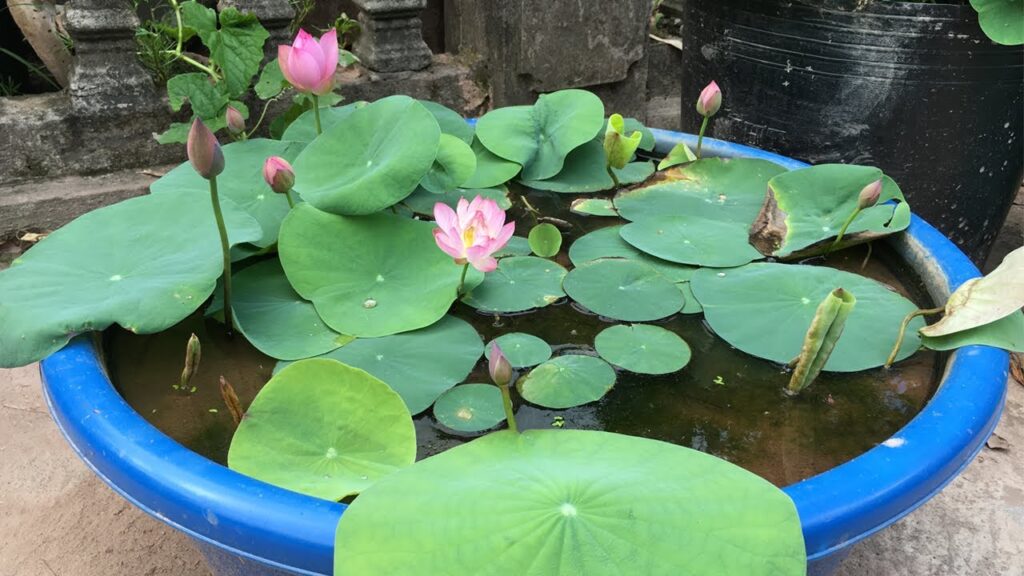
Growing lotus in pots offers several benefits, especially for beginners or urban gardeners:
- Space-saving: Perfect for balconies, terraces, or patios. You don’t need a pond or large water body.
- Easy maintenance: You control the water level, sunlight, and nutrients.
- Aesthetic appeal: Lotus adds elegance and tranquility to your home.
- Natural air purifier: The plant improves air quality and creates a calming environment.
- Cultural and spiritual significance: Lotus is sacred in many traditions, symbolizing purity, enlightenment, and growth.
With patience and proper care, your lotus will reward you with stunning blooms year after year.
Understanding the Lotus Plant
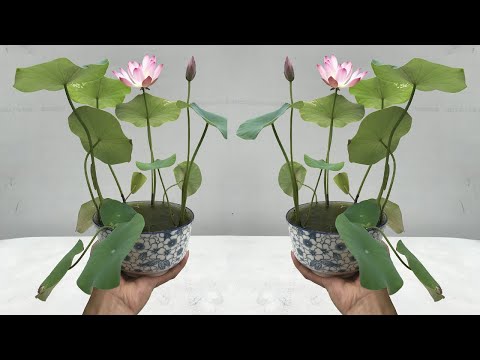
Before planting, it’s helpful to understand the basics of the lotus plant:
- Botanical name: Nelumbo nucifera (Sacred Lotus)
- Type: Aquatic perennial plant
- Parts used for planting: Rhizomes (lotus roots)
- Growing medium: Water and clay-rich soil
- Sunlight: Full sunlight (at least 6–8 hours daily)
- Blooming season: Late spring to early autumn (depending on your climate)
Unlike water lilies, which float on the surface, lotus leaves and flowers rise above the water, creating a mesmerizing display.
Materials You’ll Need
To start growing lotus at home, gather the following items:
- Lotus rhizome (root):
- Purchase healthy rhizomes from a trusted nursery or garden supplier.
- A good rhizome should have at least 2–3 growing tips (called “eyes”) and no signs of rot or damage.
- Container or pot:
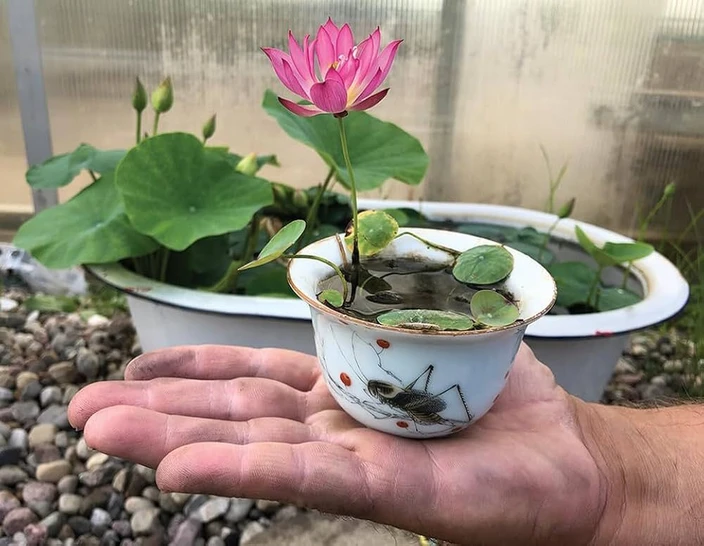
- Choose a wide and shallow container, at least 45–60 cm (18–24 inches) in diameter and 20–30 cm (8–12 inches) deep.
- Avoid containers with drainage holes (to retain water). Plastic tubs, ceramic basins, or old bathtubs work well.
- Soil:
- Use heavy loamy soil or clay-based garden soil. Avoid light potting mixes, which float and make the water muddy.
- Water:
- Clean, chlorine-free water is best. If you use tap water, let it sit for 24 hours before use.
- Fertilizer (optional):
- Use slow-release aquatic plant fertilizer or organic compost pellets after the plant is established.
- Stones or pebbles (optional):
- Used to hold down the rhizome and prevent floating.
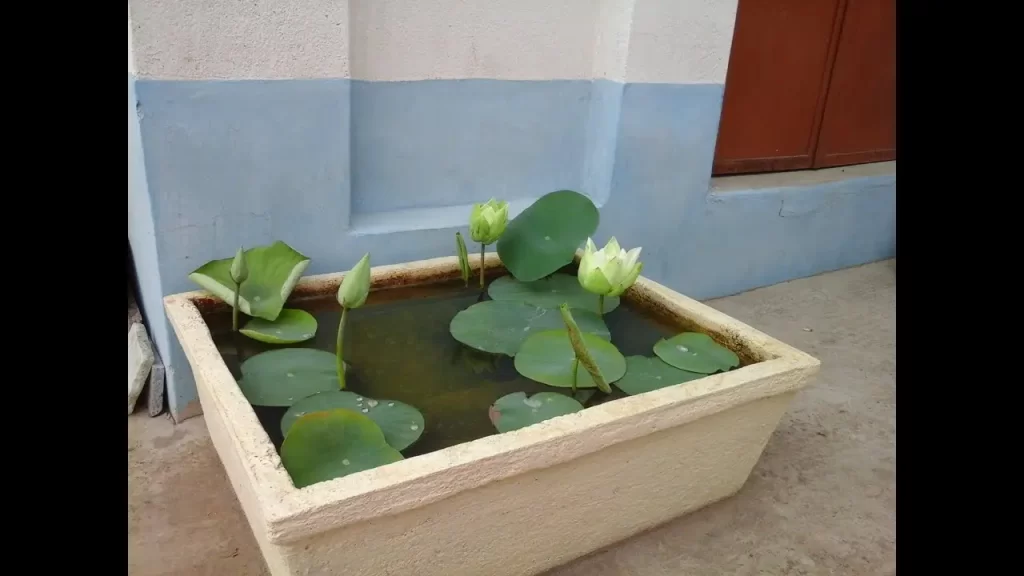
Step-by-Step: How to Grow Lotus in Pots from Lotus Roots
Step 1: Prepare the Container
Choose a wide, sturdy container without drainage holes. Clean it thoroughly to remove any dirt or residue.
If your pot is too deep, fill the bottom one-third with clean sand or bricks to reduce depth — lotus prefers shallow water (15–25 cm).
Step 2: Add Soil
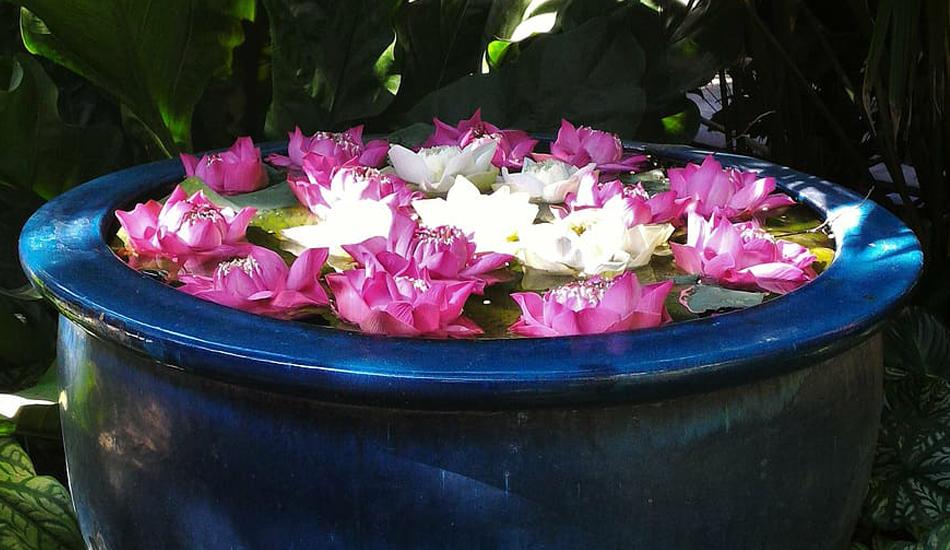
Fill the pot with heavy garden soil or clay up to about two-thirds full.
Avoid using compost or potting mix at this stage — they’re too light and will float. The soil should be compact enough to anchor the rhizome firmly.
Step 3: Place the Lotus Rhizome
This is a crucial step — planting the lotus root correctly determines whether it grows or rots.
- Gently place the lotus rhizome horizontally on the soil surface.
- Make sure the growing tip (eye) faces upward and remains slightly above the soil.
- Do not bury the entire rhizome, as this can cause rot.
- Lightly press the back end of the rhizome into the soil to anchor it, leaving the growing tip exposed.
- You can place a few small stones over the rhizome to keep it stable (but not directly on the growing tip).
Step 4: Add Water Slowly
Gently pour clean water into the pot until it covers the soil by about 5–8 cm.
If the soil becomes muddy, let it settle for a few hours before adding more water. Over the next few days, gradually increase the water level to about 15–20 cm as the plant begins to grow.
Step 5: Choose the Right Location
Place your lotus container in a sunny spot that receives at least 6–8 hours of direct sunlight daily.
Lotus loves warmth and light. Inadequate sunlight will result in slow growth or no flowers.
If you live in a very hot region, partial shade during the harshest afternoon sun is fine.
Step 6: Early Growth and Maintenance
Within 1–2 weeks, you’ll see small shoots emerging from the rhizome.
- Keep the water level consistent: Always ensure the soil remains submerged, but not too deep.
- Add water as needed: Refill when evaporation lowers the level.
- Clean debris: Remove fallen leaves or algae from the surface to maintain clean water.
Lotus plants grow quickly in warm conditions. The first leaves (called floating leaves) will appear on the water surface, followed by aerial leaves that rise above it.
Step 7: Feeding the Plant (After Growth Begins)
Avoid fertilizing immediately after planting — young rhizomes are delicate.
Once you see 5–6 leaves or about 4–6 weeks of healthy growth:
- Insert a small amount of slow-release aquatic fertilizer or organic compost ball into the soil near the rhizome (not directly on it).
- Repeat feeding every 3–4 weeks during the growing season.
Too much fertilizer early on can burn the rhizome and stunt growth.
Step 8: Flowering Time
With good sunlight, warmth, and care, your lotus plant will start flowering in 2–3 months.
- Each flower blooms for about 3–5 days.
- Remove faded blooms and yellow leaves to encourage new growth.
- During peak summer, the plant will produce multiple blooms, one after another.
Lotus flowers open in the morning and close in the evening — a truly mesmerizing daily cycle to witness!
Caring for Lotus Throughout the Seasons
During Summer
This is the lotus’s prime growing and flowering season.
- Maintain clean water and consistent sunlight.
- Add fertilizer regularly.
- Ensure the pot doesn’t dry out — lotus needs constant moisture.
During Monsoon
Rain is usually beneficial, but heavy rainfall can overflow the container and disturb soil.
- Move the pot to a sheltered area if there’s excessive rain.
- Trim any damaged or yellowing leaves.
During Winter
Lotus goes dormant in cooler months. The leaves will wither and die back — don’t worry, the rhizome is resting.
- Stop fertilizing.
- Reduce water level slightly, but don’t let it dry out completely.
- Keep the pot in a frost-free area or cover lightly if you live in a cold region.
When spring returns, new shoots will appear again from the rhizome.
Common Mistakes to Avoid
- Planting rhizome too deep: Leads to rot — always keep the tip slightly above the soil.
- Using light soil: Potting mixes float; use heavy garden soil or clay.
- Lack of sunlight: Without at least 6 hours of sun, your lotus may not bloom.
- Too much fertilizer: Burns roots — feed only after healthy leaves appear.
- Shallow water during heat: In hot weather, increase water depth slightly to keep roots cool.
Quick Troubleshooting
| Problem | Possible Cause | Solution |
|---|---|---|
| Rhizome rotting | Buried too deep / poor soil | Replant shallowly with heavy soil |
| Leaves turning yellow | Lack of nutrients / too little sun | Add fertilizer & move to sunnier spot |
| No flowers | Immature plant / low sunlight | Be patient; ensure 6+ hrs of sun |
| Algae growth | Too much organic matter | Clean surface, replace part of water |
Lotus Varieties You Can Grow in Pots
- Miniature lotus: Perfect for small containers and balconies.
- Dwarf lotus: Medium-sized, ideal for terrace gardens.
- Standard lotus: For large tubs or garden ponds, producing big flowers.
Choose a variety suited to your available space and climate.
The Joy of Growing Lotus at Home
There’s something magical about watching a lotus bloom in your own home. From the moment the first leaves emerge to the full blossom that greets the morning sun, every stage of growth brings peace and joy.
This practice isn’t just gardening — it’s meditative. The lotus reminds us that beauty can rise even from the mud, a powerful symbol of resilience and renewal.
With the simple method of planting lotus roots in pots, anyone — even a complete beginner — can enjoy this serene experience.
Final Thoughts
Growing lotus in pots is a rewarding and peaceful gardening project. With the right soil, sunlight, and patience, your home can become a mini water garden filled with the grace of lotus blooms.
You don’t need a pond or professional tools — just a container, clean water, and love for nature.
So why wait? Bring this sacred, beautiful plant into your home today and let your lotus journey begin.
I think this site contains some real fantastic information for everyone : D.