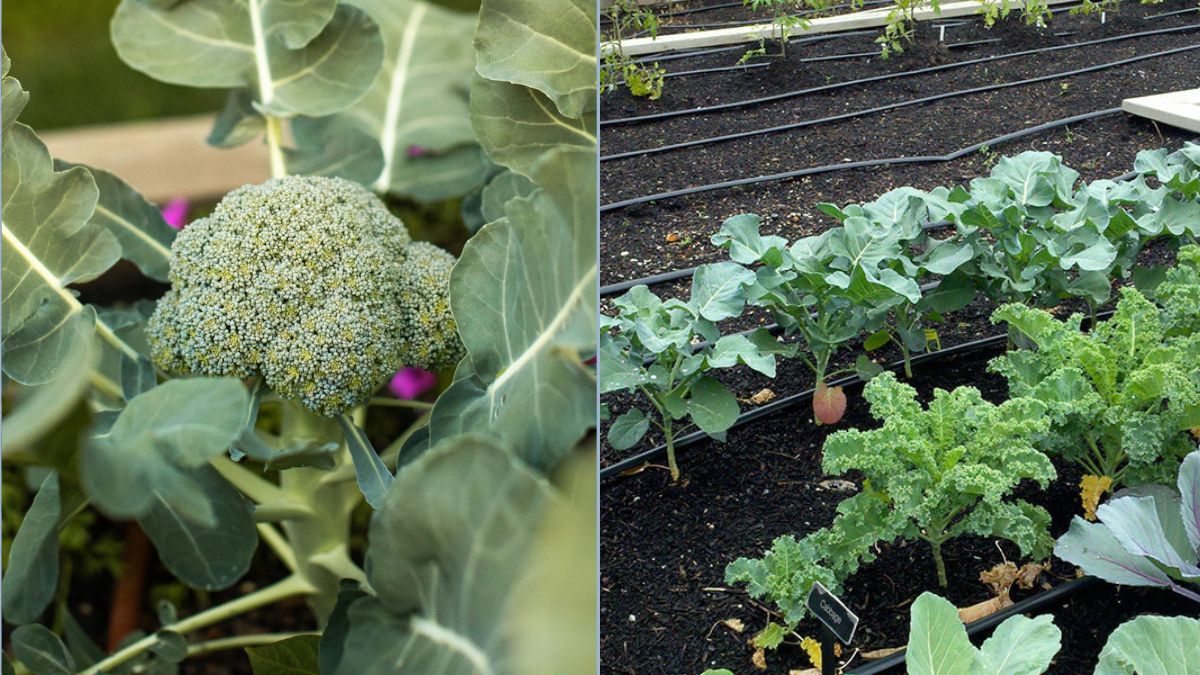
Broccoli (Brassica oleracea var. italica) is a nutrient-rich, cool-season vegetable prized for its edible flower heads and stalks. Traditionally cultivated in garden beds, broccoli can also thrive in containers with proper planning and management. Container cultivation offers flexibility for urban gardeners, researchers, and students interested in controlled environment agriculture. This article provides a comprehensive, thesis-style guide for successfully growing broccoli in containers, emphasizing container selection, soil preparation, planting, maintenance, and yield optimization.
1. Introduction
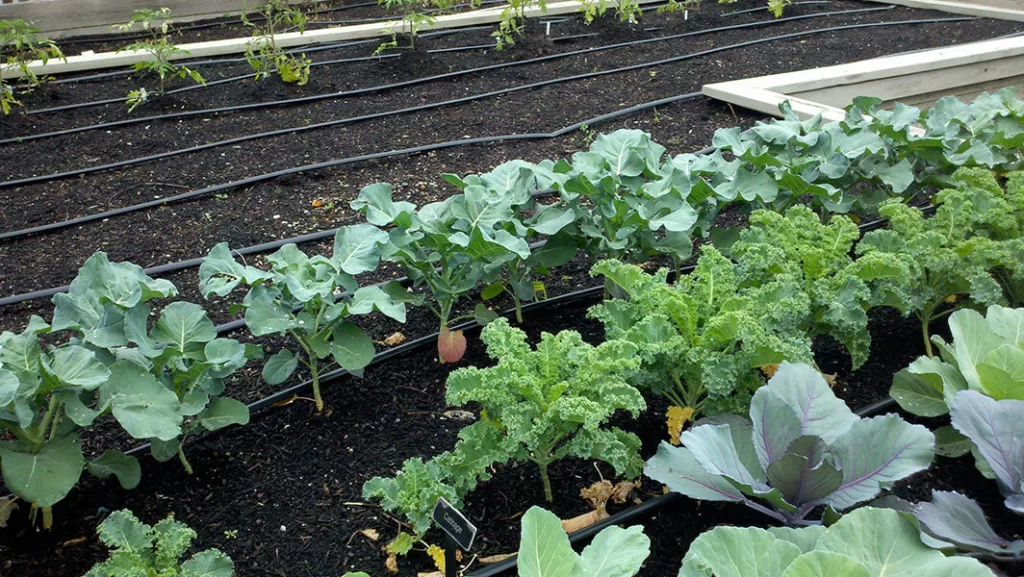
Broccoli is a hardy vegetable known for its high vitamin and mineral content, making it a staple in healthy diets. Container gardening of broccoli enables cultivation in limited spaces such as balconies, patios, rooftops, or research greenhouses. Container-based growth also allows for precise control of soil, water, and nutrient management, minimizing pest and disease pressure while supporting year-round production. Understanding the specific requirements for broccoli in containers is essential for maximizing growth, achieving high-quality harvests, and conducting controlled research studies.
2. Benefits of Container-Grown Broccoli
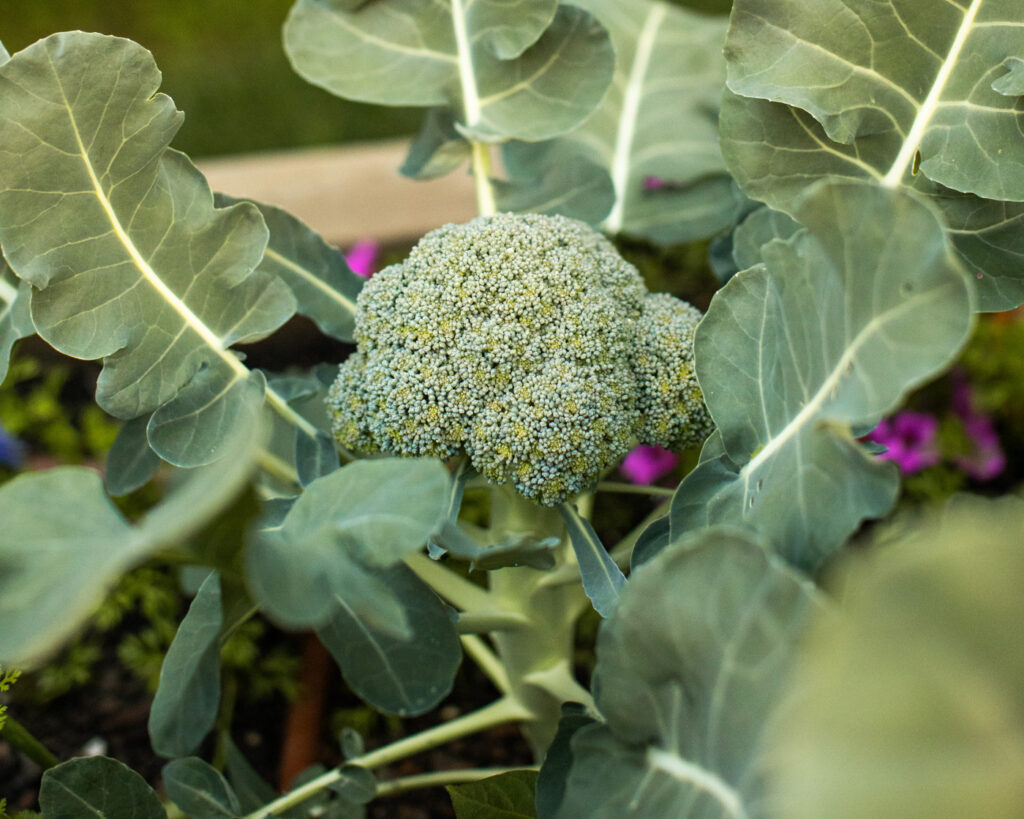
Growing broccoli in containers offers several advantages:
a. Space Efficiency
Containers allow cultivation in small urban or indoor spaces where traditional garden beds are not feasible.
b. Soil and Nutrient Control
Using containers provides the ability to manage soil composition, pH, and nutrient levels precisely, improving plant health and productivity.
c. Pest and Disease Management
Elevating plants reduces contact with soil-borne pathogens and minimizes infestation from ground-dwelling pests.
d. Portability
Containers can be moved to optimize sunlight exposure, avoid harsh weather conditions, or facilitate experimental studies.
3. Choosing the Right Broccoli Variety
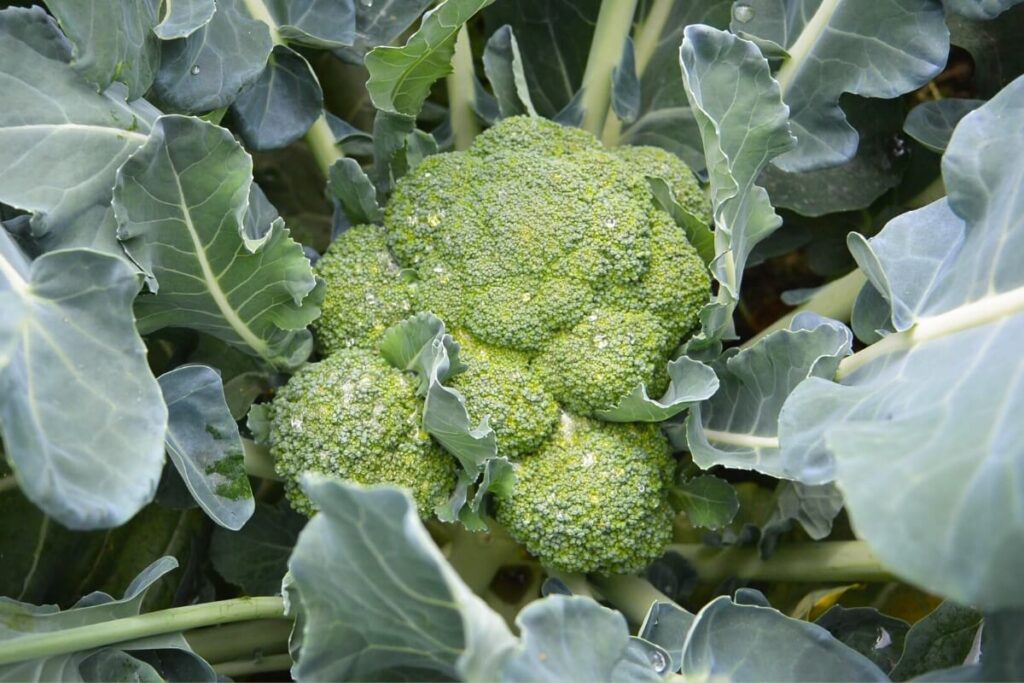
Selecting an appropriate broccoli variety is critical for container success. Compact, early-maturing varieties are ideal:
- ‘Green Magic’ – Compact, high-yield, and heat-tolerant.
- ‘Calabrese’ – Classic variety with medium-sized heads.
- ‘Waltham 29’ – Produces uniform heads and is disease-resistant.
- ‘Sprouting Broccoli’ – Produces multiple small heads suitable for frequent harvest.
- ‘Gypsy’ – Short, bushy habit suitable for smaller containers.
Choosing varieties with shorter maturity cycles can allow multiple crops per season in container systems.
4. Container Selection
The success of broccoli cultivation in containers largely depends on selecting an appropriate container size and material:
a. Container Size
- Minimum 12–15 inches deep and 12–18 inches in diameter per plant
- Larger containers allow better root development and moisture retention
b. Container Material
- Plastic or ceramic pots – Lightweight, retain moisture well
- Fabric grow bags – Enhance aeration and drainage, prevent root circling
- Wooden boxes – Offer durability and insulation from temperature fluctuations
Ensure containers have adequate drainage holes to prevent waterlogging and root rot.
5. Soil Preparation
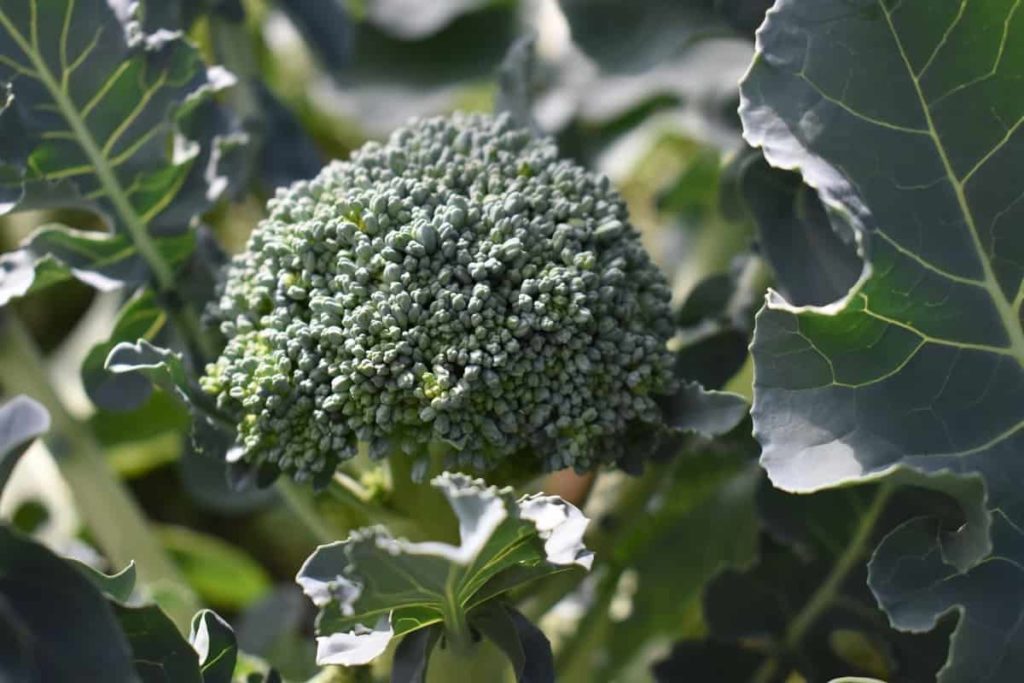
Healthy broccoli plants require fertile, well-draining soil. Container soil must support robust root growth and nutrient availability.
a. Soil Composition
- 40% organic compost or well-aged manure
- 40% loamy soil
- 20% perlite or vermiculite for aeration
b. Soil pH
Optimal pH range: 6.0–7.0
Regular testing ensures nutrient uptake efficiency and reduces the risk of nutrient deficiencies.
c. Fertility Management
- Pre-planting: Incorporate a slow-release balanced fertilizer (NPK 10-10-10)
- Growing stage: Apply organic liquid fertilizer (e.g., compost tea, seaweed extract) every 2 weeks
- Flowering and head formation: Supplement with phosphorus and potassium-rich feed to enhance head development
6. Planting Broccoli in Containers
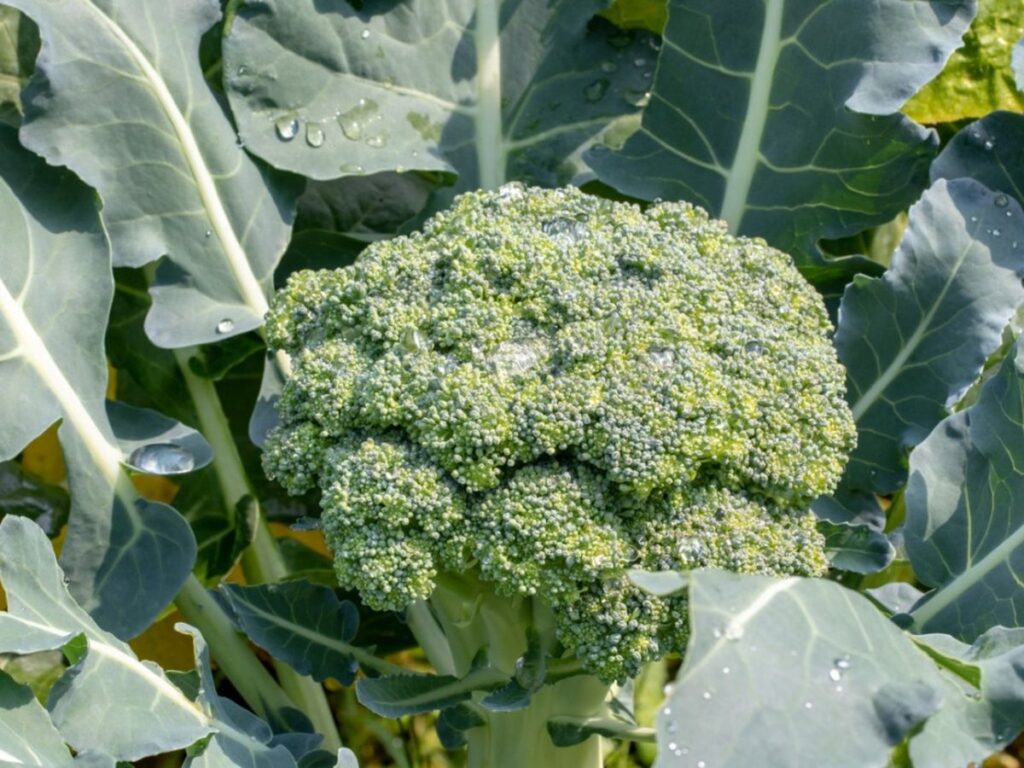
a. Starting from Seeds
- Sow seeds ¼–½ inch deep in starter pots or seed trays
- Maintain consistent moisture and warmth (65–75°F / 18–24°C) for germination
- Transplant seedlings to the main container when 3–4 true leaves develop
b. Direct Transplanting
- Seedlings purchased from nurseries can be directly transplanted into containers
- Space one plant per container to prevent overcrowding
c. Spacing
- Maintain 12–18 inches between container edges to allow airflow and growth
7. Light Requirements
Broccoli requires full sun for optimal growth:
- Minimum 6–8 hours of sunlight daily
- For indoor or shaded conditions, use full-spectrum LED grow lights
- Position containers to maximize light exposure and rotate periodically for uniform growth
Adequate light ensures healthy leaves, strong stems, and larger heads.
8. Watering and Moisture Management
Broccoli has moderate to high water requirements. Proper watering is essential for container-grown plants:
- Keep soil consistently moist but not waterlogged
- Water at the base of the plant, avoiding wetting foliage to reduce fungal risk
- Mulch the soil surface with straw, shredded leaves, or coco coir to retain moisture and regulate temperature
Container plants may require more frequent watering than in-ground counterparts due to limited soil volume.
9. Fertilization During Growth
Container-grown broccoli benefits from regular fertilization to maintain nutrient levels:
- Use organic fertilizers to promote sustainable growth
- Apply nitrogen-rich feed during leaf development
- Switch to phosphorus and potassium supplements as flower heads begin forming
- Avoid over-fertilization, which can promote excessive leafy growth at the expense of head formation
10. Temperature and Environmental Conditions
Broccoli prefers cool temperatures:
- Optimal range: 60–70°F (15–21°C)
- Avoid prolonged exposure above 75°F (24°C) to prevent bolting
- In hot climates, provide partial shade during peak sunlight hours or move containers to cooler areas
- Cooler nights enhance head compactness and quality
11. Pest and Disease Management (Non-Toxic Methods)
Container cultivation reduces some pest pressure, but broccoli may still encounter challenges:
Common Pests
- Aphids
- Cabbage worms
- Flea beetles
Control Strategies
- Manual removal of pests
- Neem oil or insecticidal soap sprays
- Introduce beneficial insects (ladybugs, lacewings) in greenhouse or semi-controlled conditions
Disease Prevention
- Avoid overhead watering
- Ensure adequate spacing and airflow between containers
- Remove diseased leaves promptly
12. Harvesting Broccoli
Harvesting at the right stage ensures maximum flavor and quality:
- Pick central heads when tight and firm
- Leave side shoots to continue producing smaller secondary heads
- Use a sharp knife or scissors to cut the stem cleanly, avoiding damage to the plant
- Frequent harvesting encourages extended production
13. Maintenance and Pruning
Maintaining container broccoli plants involves monitoring growth, removing damaged foliage, and managing side shoots:
- Trim yellowing or diseased leaves to prevent infection
- Thin overcrowded foliage to improve airflow
- Side shoots can be harvested continuously for multiple crops
14. Maximizing Yield in Containers
Strategies to enhance productivity in container-grown broccoli:
- Succession planting – Stagger seed sowing to maintain continuous harvest
- Container rotation – Move pots to optimize sunlight and airflow
- Integrated mulching and fertilization – Maintain consistent moisture and nutrient levels
- Companion planting – Include herbs or leafy greens to optimize space and soil use
15. Sustainability Considerations
Container-grown broccoli supports sustainable gardening by:
- Minimizing land use and optimizing space
- Promoting organic fertilization and reduced pesticide use
- Facilitating urban food production
- Supporting educational and research initiatives in compact agriculture
Using recycled containers and organic soil amendments further enhances sustainability.
16. Conclusion
Growing broccoli in containers is highly feasible and productive when proper planning, soil management, and care techniques are applied. By selecting compact varieties, using appropriately sized containers, providing optimal sunlight, water, and nutrients, and managing pests organically, gardeners can achieve high-quality harvests even in limited spaces. Container cultivation not only maximizes yield per square foot but also promotes sustainable urban agriculture practices, making broccoli accessible to gardeners in apartments, rooftops, and other small spaces.
Through careful observation, pruning, and succession planting, container-grown broccoli can provide abundant, nutritious produce year-round, offering both practical and research opportunities for students and urban agriculturalists.