Lettuce is one of the most popular leafy greens worldwide, celebrated for its crisp texture, delicate flavor, and versatility in a variety of dishes ranging from fresh salads to sandwiches. Despite its popularity, one of the major challenges faced by consumers and culinary enthusiasts alike is keeping lettuce fresh and crisp throughout the week. This is particularly important in maintaining the nutritional value, visual appeal, and overall quality of the vegetable. This article explores the science behind lettuce freshness, common causes of wilting, and effective strategies to maintain its crispness without relying on animal-based products.
Understanding Lettuce Structure and Freshness
To comprehend why lettuce wilts and how to prevent it, it is crucial to understand its cellular structure. Lettuce leaves consist of cells that are turgid when hydrated. Turgidity refers to the pressure of the cell contents against the cell wall, which keeps the leaf firm and crisp. Loss of water from these cells causes them to collapse, leading to limp and wilted leaves. The rate at which this happens is influenced by temperature, humidity, light, and handling methods.
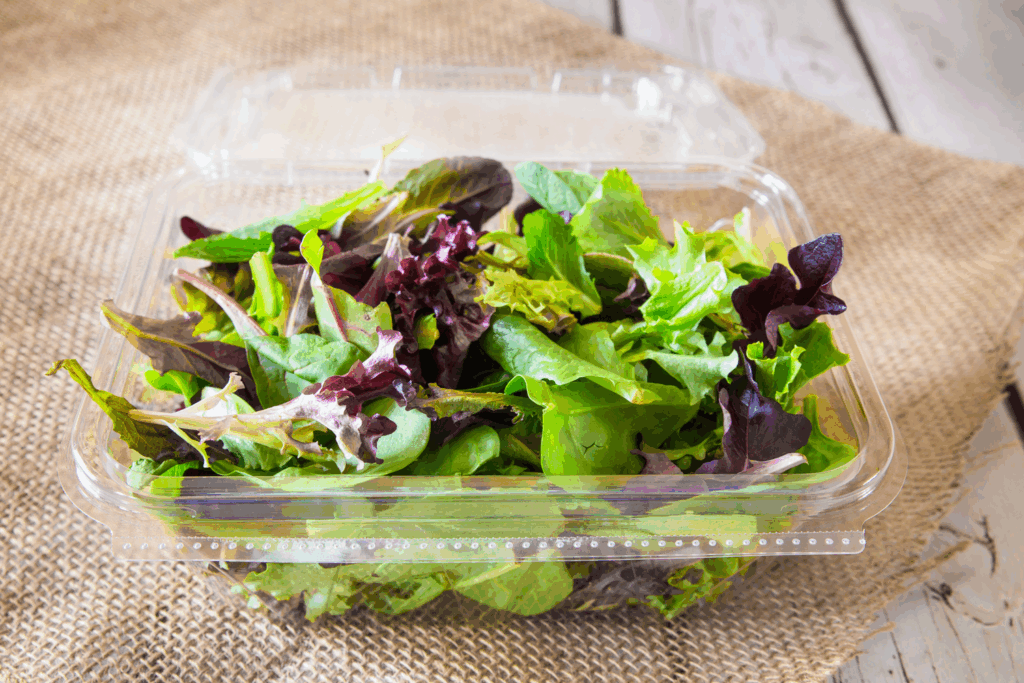
Different types of lettuce, such as romaine, butterhead, and iceberg, have varying water content and cellular structures. For instance, iceberg lettuce has a higher water content and denser structure, making it generally more resilient to wilting, whereas butterhead varieties are softer and more prone to dehydration. Understanding these differences helps in tailoring preservation methods to specific lettuce types.
Common Causes of Lettuce Wilting
Several factors contribute to the deterioration of lettuce after harvest:
- Water Loss: Evaporation from leaf surfaces and transpiration from the stem are primary causes of wilting. Once the water content decreases below a certain level, leaves lose their crispness.
- Ethylene Exposure: Ethylene is a naturally occurring plant hormone that accelerates ripening and aging. Vegetables like lettuce are sensitive to ethylene, and exposure can hasten leaf degradation.
- Temperature Fluctuations: Lettuce is highly perishable and thrives in cold storage. Higher temperatures increase metabolic activity, leading to faster wilting.
- Physical Damage: Bruising or tearing leaves during harvest, transport, or storage can create entry points for microorganisms, hastening spoilage.
- Microbial Activity: Bacteria and fungi can accelerate leaf decay, especially in warm or damp conditions.
Strategies for Maintaining Lettuce Crispness
There are several effective, vegetarian-friendly strategies for keeping lettuce crisp all week. These strategies focus on hydration, temperature control, and proper storage methods.
1. Proper Washing and Drying
Washing lettuce removes dirt, bacteria, and pesticide residues, but over-washing can be detrimental. It is important to use cold, clean water and handle the leaves gently. After washing, drying the leaves thoroughly is essential. Excess moisture on leaves can promote microbial growth and spoilage. Salad spinners or clean kitchen towels can be used to gently remove water without damaging leaf structure.
2. Hydration Techniques
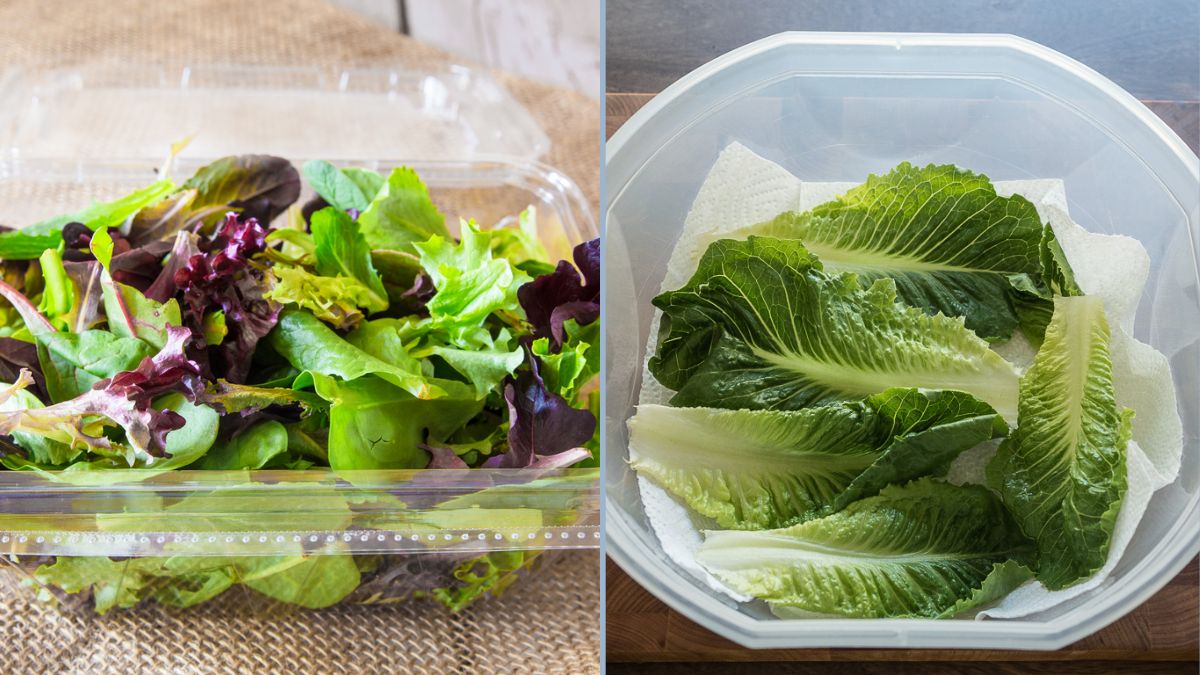
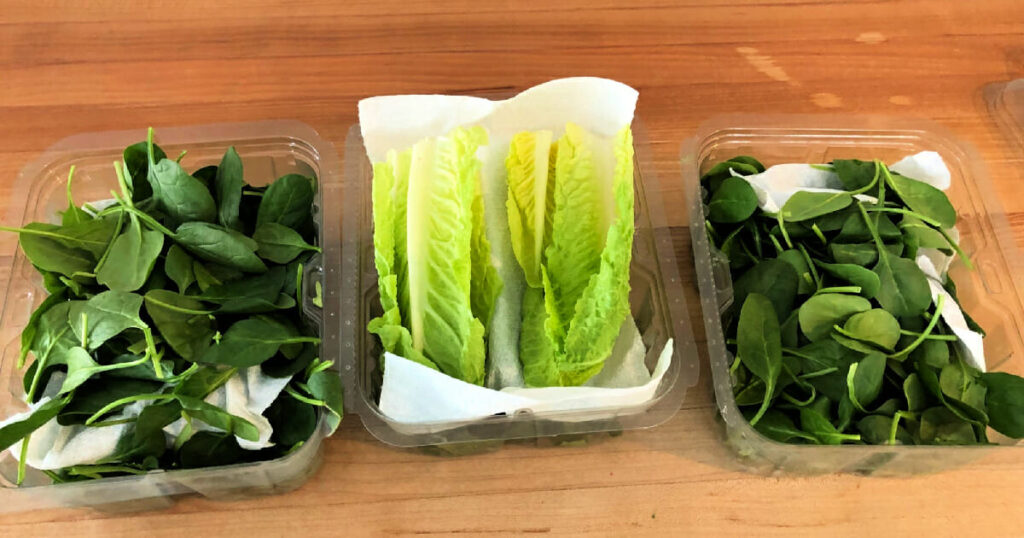
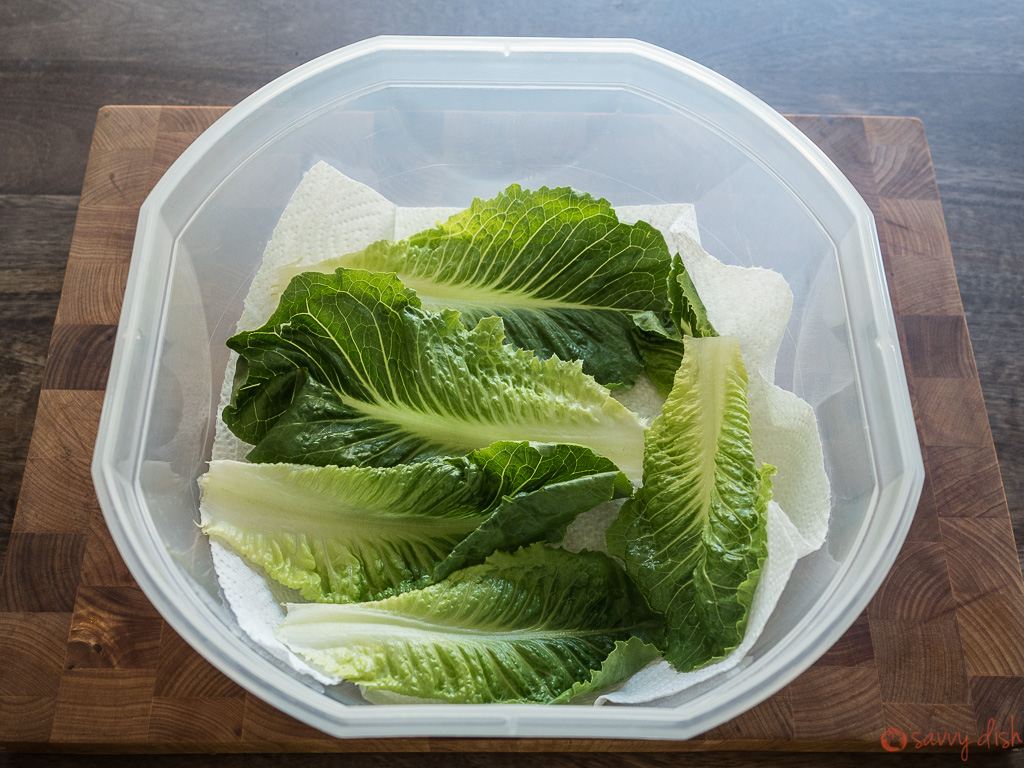
Rehydration is a key method to restore wilted lettuce. If leaves begin to lose turgidity, placing them in ice-cold water for 10–15 minutes can reinstate cellular water pressure, making them crisp again. For longer-term storage, some experts recommend wrapping washed leaves in damp, breathable paper towels to maintain consistent moisture without waterlogging the leaves.
3. Optimal Storage Conditions
Temperature and humidity control are critical in preserving lettuce freshness. The ideal temperature for storing lettuce is around 0–4°C (32–39°F). Refrigerators are suitable, but the crisper drawer is particularly effective because it maintains higher humidity levels while protecting leaves from direct airflow, which can dry them out.
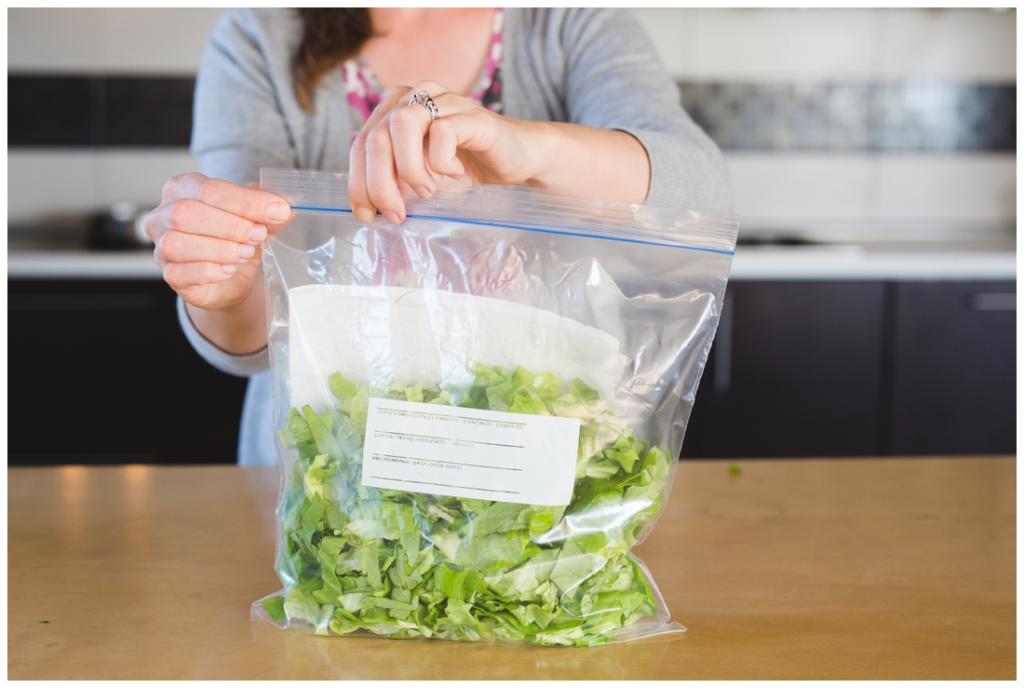
Humidity should be maintained at approximately 95% to prevent dehydration while avoiding excess condensation that promotes microbial growth. Using perforated plastic bags or reusable produce storage bags helps regulate humidity while allowing airflow.
4. Ethylene Management
Since lettuce is sensitive to ethylene, it is important to store it away from fruits and vegetables that produce high levels of this gas, such as apples, bananas, and tomatoes. Commercial solutions, such as ethylene-absorbing packets, can also extend shelf life for home-stored lettuce.
5. Innovative Storage Methods
Several modern techniques have emerged for prolonging lettuce crispness:
- Vacuum Sealing: Removing air from storage bags reduces oxygen exposure, slowing down oxidative damage and wilting. However, care must be taken to avoid crushing the leaves.
- Hydro-cooling: This method involves immersing lettuce in chilled water immediately after harvest, reducing field heat and extending freshness. While more common in commercial production, small-scale hydro-cooling can be adapted at home by soaking leaves in ice water before refrigeration.
- Modified Atmosphere Storage: This technique involves adjusting the levels of oxygen, carbon dioxide, and nitrogen around stored lettuce to slow metabolism. While typically used in commercial settings, it illustrates the science behind freshness retention.
6. Regular Inspection and Leaf Rotation
Even with the best storage practices, some leaves may start to degrade sooner than others. Regular inspection allows for the removal of damaged or yellowing leaves, preventing the spread of microbial activity to healthier leaves. Rotating leaves and using older ones first ensures maximum freshness throughout the week.
7. Preparing Lettuce for Longer Storage
For those who want ready-to-use lettuce for salads throughout the week, pre-preparation techniques can help. Chopping lettuce just before storage reduces oxidation compared to leaving large exposed surfaces. Separating leaves and storing them in small, breathable containers with a damp paper towel layer helps maintain moisture and prevents wilting.
Benefits of Crisp Lettuce
Maintaining lettuce crispness is not just about aesthetics; it has several nutritional and culinary benefits. Fresh, hydrated lettuce retains higher levels of water-soluble vitamins, including vitamin C and folate. Crisp leaves also provide better texture and mouthfeel in salads and sandwiches, enhancing the overall eating experience. Furthermore, reducing food waste by extending lettuce shelf life is an environmentally responsible practice, promoting sustainability in everyday food consumption.
Conclusion
Keeping lettuce crisp all week requires a combination of careful handling, proper hydration, temperature management, and attention to storage conditions. Understanding the cellular structure of lettuce, the factors contributing to wilting, and implementing simple yet effective preservation techniques can make a significant difference in maintaining freshness. From washing and drying correctly to using modern storage innovations, these methods ensure that lettuce remains visually appealing, nutritionally rich, and delightfully crisp throughout the week. By integrating these strategies into daily routines, both households and professional kitchens can enjoy the full benefits of lettuce without compromise.
Through careful attention to detail and application of scientific principles, the challenge of maintaining lettuce crispness can be effectively overcome. This knowledge not only enhances the culinary experience but also supports health, sustainability, and food efficiency, making every leaf of lettuce as fresh and enjoyable as the day it was harvested.