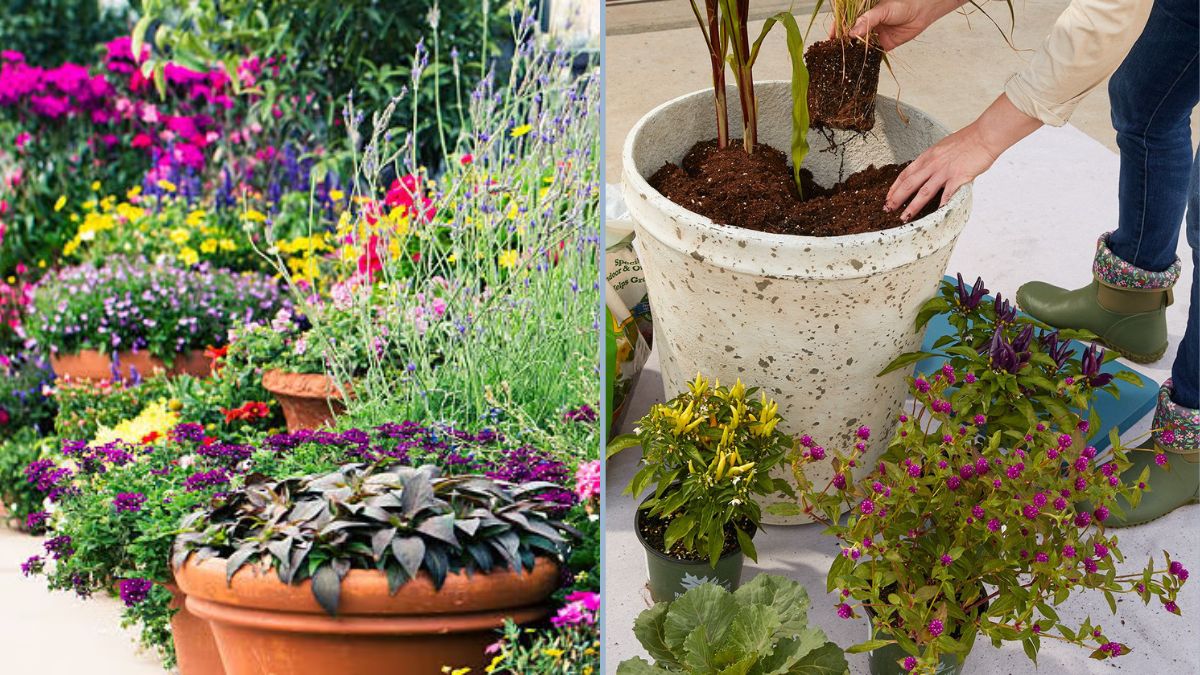
Modern life is filled with deadlines, long work hours, and constant digital distractions. Yet many people still yearn for the peace and satisfaction that comes with growing plants. Container gardening offers the perfect solution for individuals with limited time, space, or energy. Whether you live in an apartment, commute daily, or juggle family responsibilities, you can create a thriving mini-garden without the demands of traditional landscaping. This article explores how busy people can successfully grow plants in containers, with clear guidance, minimal maintenance techniques, and practical tools. All examples and suggestions are vegetarian-friendly, focusing only on plants, herbs, flowers, and produce.
1. Why Container Gardening Works for Busy People
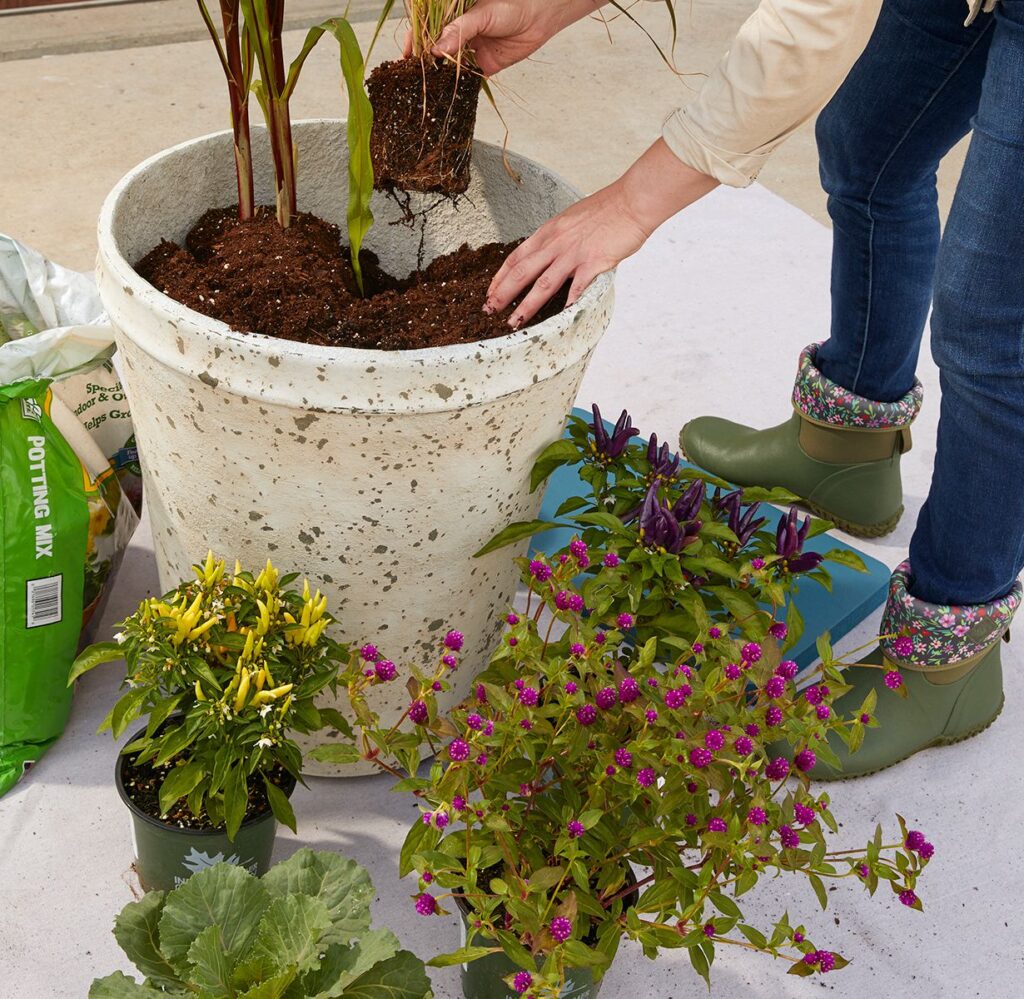
Container gardening is flexible, compact, and easy to maintain. Rather than preparing large garden beds or lawns, plants can be grown in pots, planters, hanging baskets, window boxes, or repurposed materials like buckets and wooden crates. Here are some of its advantages:
- Space Efficiency: Ideal for balconies, patios, rooftops, windowsills, or indoor areas with sunlight.
- Mobility: Containers can be moved based on weather, light requirements, or convenience.
- Low Maintenance: No need to weed large plots or manage pests on a large scale.
- Time-Friendly: Watering, pruning, and harvesting can be done in minutes rather than hours.
- Soil Control: Plants get healthier growth with tailored potting mixes, reducing disease and nutrient problems.
Busy individuals benefit especially from being able to start small and scale up as time permits.
2. Choosing the Right Containers
The right container helps plants grow successfully with minimal intervention.
Size and Depth
Each plant has specific root needs. Small herbs like basil or mint need shallow pots, while tomatoes or dwarf fruit trees require deeper planters. For low-maintenance gardening, choose containers that are at least 20–30 cm deep for most vegetables and flowers.
Material Options
- Plastic Pots: Lightweight, budget-friendly, and slow to dry out—good for busy schedules.
- Ceramic or Terracotta: Attractive but may require more frequent watering.
- Fabric Grow Bags: Improve air circulation and drainage.
- Metal or Wooden Boxes: Durable and visual appeal but need drainage holes.
Drainage
A container must allow excess water to escape. Poor drainage leads to root rot. If a pot doesn’t come with holes, drill or punch some at the bottom.
3. Selecting Low-Effort Plants
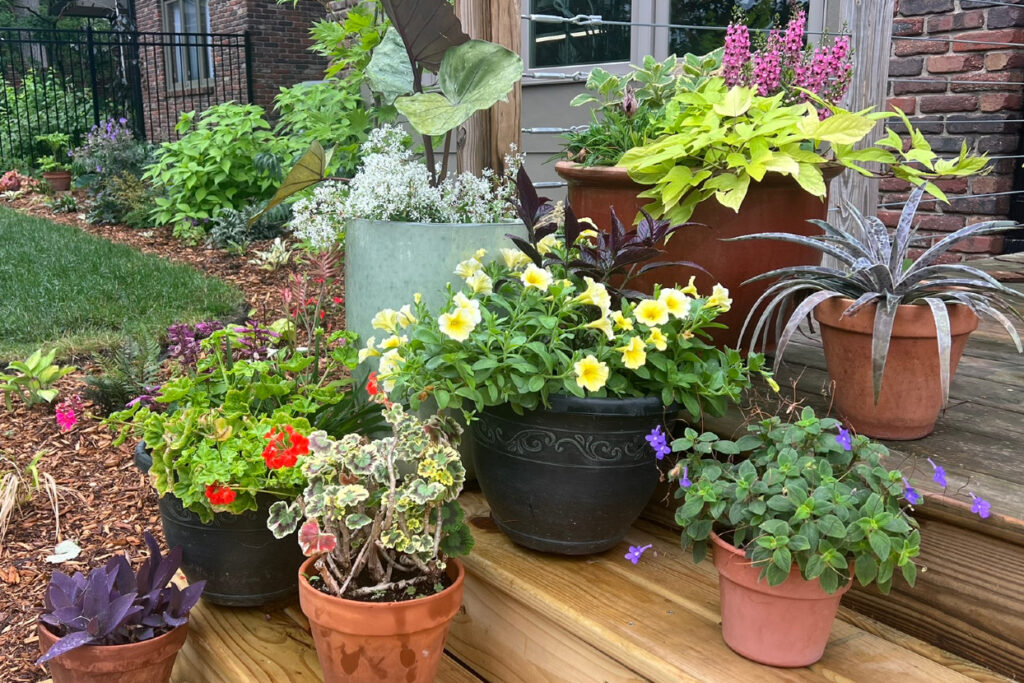
Busy people need plants that don’t require daily attention. The following categories are excellent choices, and all are plant-based with no animal products involved:
Herbs
- Basil, parsley, cilantro, mint, oregano, thyme, and chives thrive in containers.
- They require limited space and can be trimmed quickly for culinary use.
Leafy Greens
- Lettuce, spinach, arugula, and kale grow fast and can be harvested as needed.
- They grow well in shallow containers and do not need hours of work.
Fruit-Bearing Plants
- Cherry tomatoes, dwarf peppers, strawberries, and compact eggplants do well in pots with at least six hours of sun.
- Choose dwarf or patio varieties for lesser maintenance.
Flowers
- Marigolds, succulents, petunias, and pansies add color with minimal care.
Indoor-Friendly Options
- Snake plants, pothos, peace lilies, spider plants, and succulents thrive indoors and tolerate occasional neglect.
4. Soil and Nutrients Made Simple
Soil quality determines plant health. For container gardening:
- Use Potting Mix: Avoid regular garden soil because it compacts and hinders root growth. A high-quality potting mix contains peat, perlite, compost, or coco coir.
- Slow-Release Fertilizers: Mix organic slow-release granules or compost into the soil once every few months. This reduces the need for frequent feeding.
- Mulch: Add a thin layer of coco coir chips, straw, or dry leaves on top of the soil. This retains moisture and reduces watering frequency.
5. Watering with Minimal Effort
For people with packed schedules, watering can be a challenge. These strategies save time:
- Self-Watering Pots: These containers have a lower reservoir that hydrates plants gradually.
- Drip Irrigation Kits: Simple setups with a timer ensure consistent watering without supervision.
- Watering Schedule: Most plants need watering only when the top inch of soil is dry. Early mornings or evenings are ideal.
- Water-Retaining Soil Additives: Vermiculite or hydrogels help retain moisture in the soil.
6. Light Requirements and Placement
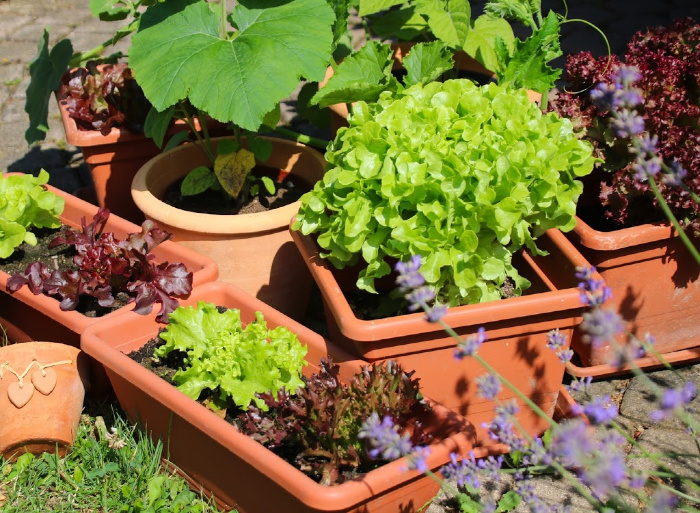
Plants cannot grow without adequate light, but strategic placement reduces maintenance:
- Sunny Balconies or Windows: Most herbs and vegetables need 4–6 hours of direct light.
- Artificial Grow Lights: LED grow bulbs can help in rooms with low sunlight. They are low-energy and can run on timers.
- Rotating Containers: Rotating pots every few days ensures even growth and reduces the need for pruning.
7. Managing Pests the Easy Way
Container gardens usually attract fewer pests than open soil gardens. Still, here are low-effort ways to keep plants safe:
- Inspect Weekly: Quick visual checks prevent bigger problems.
- Neem Oil or Soap Spray: A natural solution effective against many pests.
- Companion Planting: Marigolds, mint, or lemongrass can deter insects naturally.
Avoiding chemical pesticides reduces health risks and environmental damage.
8. Time-Saving Gardening Tools
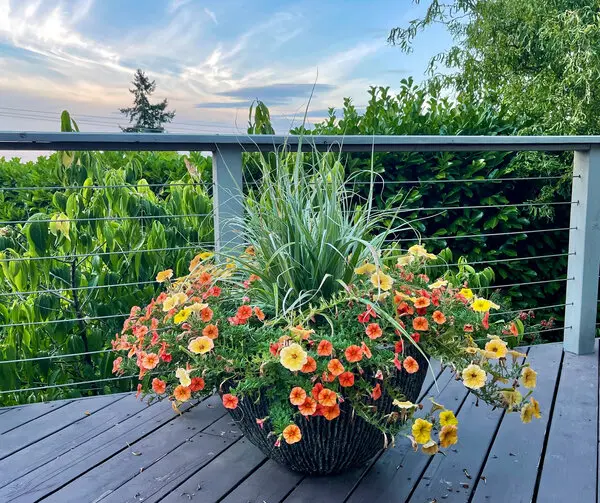
A few simple tools help reduce manual labor:
- Hand Trowel and Pruners: For planting and trimming.
- Spray Bottle: For misting seedlings or indoor plants.
- Plant Labels: Helps remember plant names and care needs.
- Water Meter: Tells you when a plant needs moisture.
Optional accessories like rolling plant stands help move containers easily.
9. Seasonal and Climate Tips
Even busy gardeners can plan smartly for seasons:
- Warm Months: Grow basil, tomatoes, peppers, marigolds, and cucumbers.
- Cool Seasons: Try spinach, lettuce, radishes, chives, and kale.
- Harsh Weather Protection: Move containers indoors, use frost cloths, or group pots together for warmth.
In tropical regions, choose heat-tolerant plants like okra, eggplant, or hardy herbs.
10. Reducing Work with Automation
Technology can simplify plant care:
- Timers for Lights and Watering: Automate daily tasks.
- Soil Moisture Sensors: Prevent overwatering.
- Vertical Stands or Shelves: Maximize space and keep plants organized.
Even small balconies can hold a productive mini-garden.
11. Recycling and Budget-Friendly Ideas
You don’t need expensive supplies to start:
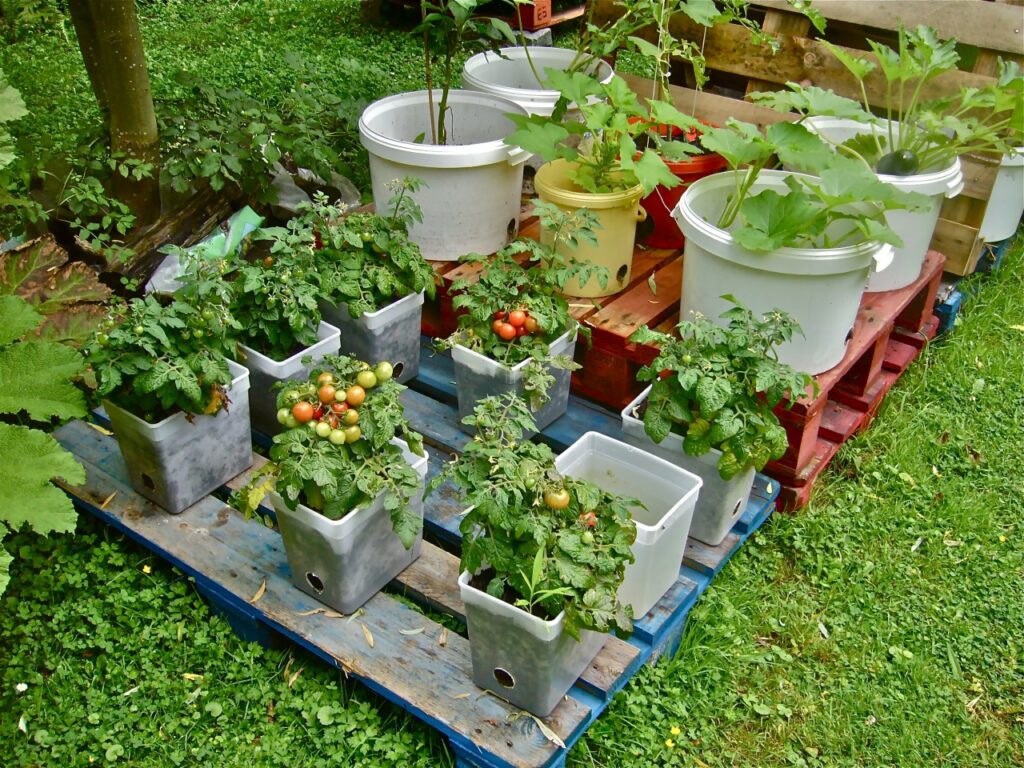
- Use old buckets, tins, or wooden crates as planters.
- Reuse plastic bottles for self-watering systems.
- Grow herbs from kitchen scraps (e.g., regrow green onions, lettuce stems, or ginger).
Sustainable practices reduce cost and waste.
12. Mindful Benefits for Busy Lives
Container gardening offers emotional and physical rewards:
- Stress Relief: Caring for plants, even briefly, can reduce anxiety.
- Fresh Produce: Homegrown herbs and vegetables improve nutrition.
- Creative Expression: Pots, plant combinations, and layouts can reflect personal style.
- Connection to Nature: Even in cities, people can experience greenery daily.
Short interactions with plants can refresh the mind better than long breaks.
13. Sample Weekly Routine for Busy People
Here is a practical care schedule that fits into tight routines:
Monday (5 minutes): Check soil moisture and water as needed.
Wednesday (5 minutes): Rotate containers for even light.
Friday (5 minutes): Inspect for pests and remove dry leaves.
Sunday (10 minutes): Harvest herbs or greens, prune lightly, and refill water reservoirs.
In less than half an hour per week, plants can flourish.
14. Inspiration for Small Spaces
Even with limited space, creativity makes a big difference:
- Hanging Baskets for strawberries, ivy, or trailing flowers.
- Ladder Shelves for herbs and succulents.
- Window Boxes for lettuce or flowers.
- Mini Raised Beds for patios.
- Indoor Racks with grow lights.
Start with one or two containers and expand at your own pace.
Conclusion
Container gardening allows busy individuals to enjoy greenery, fresh produce, and relaxation without demanding intensive labor or large spaces. With the right plants, containers, watering systems, and planning, anyone can create a thriving garden in just a few minutes a day. This sustainable, flexible, and vegetarian-friendly method of gardening aligns perfectly with modern urban lifestyles. Whether your goal is fresh herbs for cooking, leafy greens for daily meals, or flowers for beauty and peace, container gardening offers rewarding results with minimal time and effort.