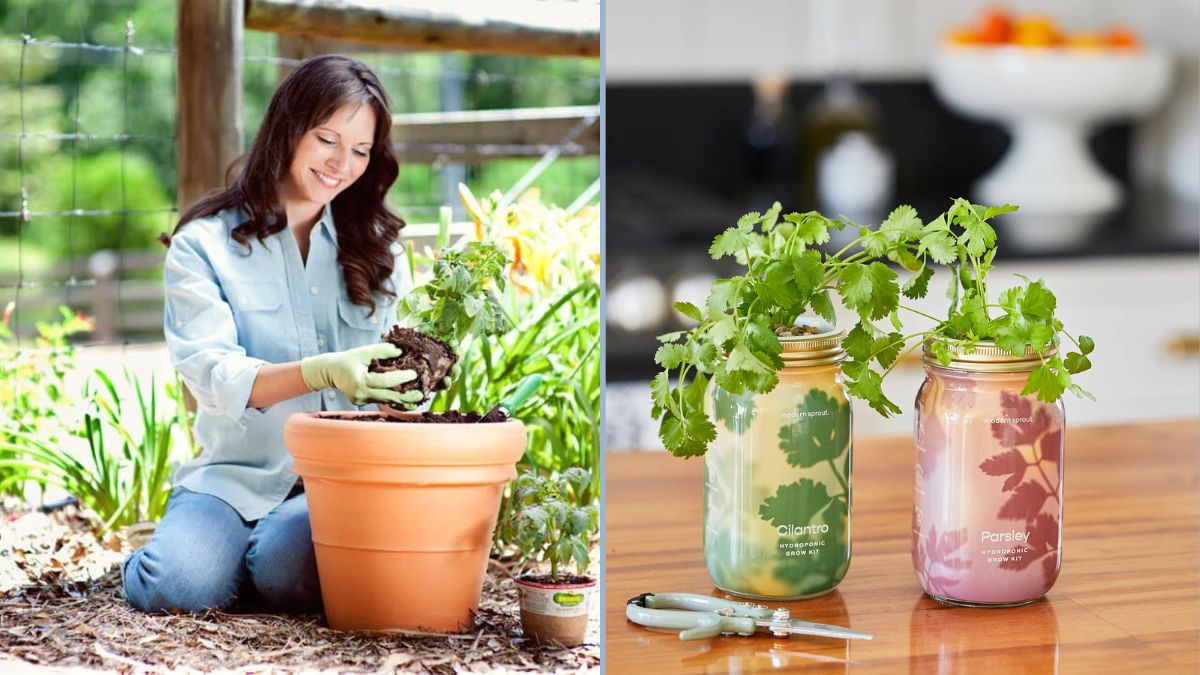
Urban living often limits space for traditional gardening, but the growing interest in sustainable living and homegrown produce has led to creative solutions like compact gardening in jars. This method allows individuals to cultivate vegetables, herbs, and ornamental plants in small, contained environments without requiring outdoor space. Compact gardening in jars is ideal for apartments, small kitchens, or offices and promotes a plant-based, eco-friendly lifestyle. This article explores the principles, benefits, and step-by-step guidance for creating thriving jar gardens at home.
Why Choose Compact Gardening in Jars?
Compact gardening in jars offers multiple advantages for urban dwellers:
- Space Efficiency: Ideal for apartments, balconies, and countertops.
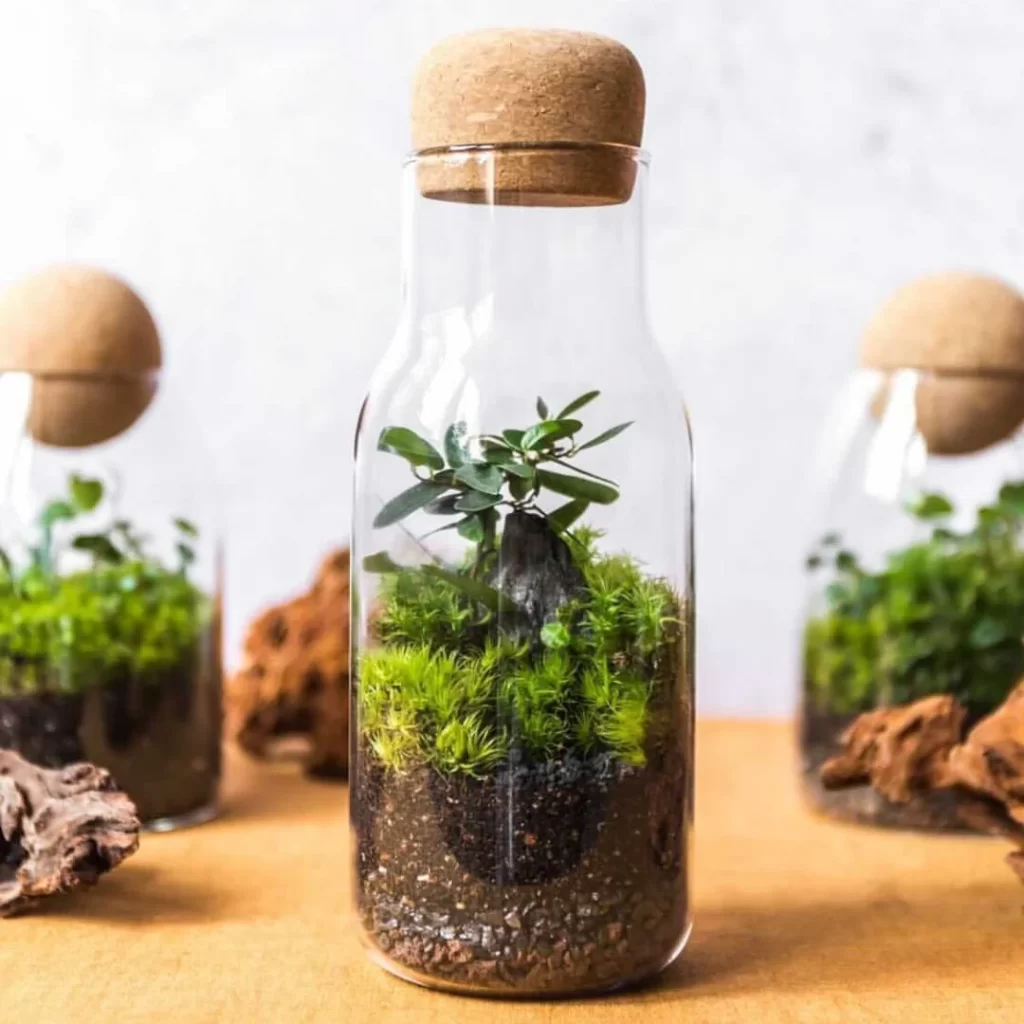
- Aesthetic Appeal: Clear jars display layered soil, roots, and greenery, creating a visually pleasing environment.
- Controlled Growth: The enclosed or semi-enclosed system allows easy monitoring of water, nutrients, and root development.
- Low Maintenance: Requires minimal tools, space, and effort compared to traditional gardening.
- Sustainable and Plant-Based: Promotes eco-friendly gardening using plant-based inputs, avoiding chemical fertilizers and non-vegetarian products.
This method can accommodate a variety of plants, including microgreens, herbs, leafy vegetables, and small flowering plants, making it versatile and practical for daily consumption and decoration.
Essential Components of Jar Gardening
Before starting, it’s important to understand the basic requirements for successful jar gardening:
1. Container Selection
- Glass Jars: Transparent jars are preferred as they allow observation of root growth and soil layers.
- Size Consideration: Small jars (250–500 ml) are ideal for herbs or microgreens, while larger jars (1–2 liters) can accommodate small vegetables or root crops.
- Drainage: Since most jars lack holes, creating a drainage layer with pebbles or activated charcoal prevents waterlogging and root rot.
2. Soil and Substrate
- Use lightweight, well-draining potting mix.
- Add organic compost or plant-based fertilizers for nutrition.
- Include a layer of sand or small stones at the bottom for drainage.
3. Watering and Humidity
- Maintain consistent moisture without overwatering.
- Closed or semi-closed jars create a humid microclimate suitable for many plants.
- Open jars allow better airflow, suitable for herbs and leafy greens.
4. Light
- Place jars in bright, indirect sunlight for 4–6 hours daily.
- Use LED grow lights for areas with limited natural light.
- Rotate jars occasionally to ensure even growth.
5. Temperature
- Most plants thrive in temperatures between 18°C–25°C (65°F–77°F).
- Avoid direct heat sources like radiators that can dry out soil and plants.
Types of Plants Suitable for Jar Gardening
Compact jar gardening works best with small, fast-growing plants that thrive in confined spaces. Here are some ideal options:
1. Microgreens
Growth Time: 7–14 days
Examples: Radish, mustard, broccoli, beet sprouts
Benefits:
- Nutrient-dense and versatile for salads or garnishes
- Require minimal space and shallow soil
Tips: - Sow seeds densely in moist soil.
- Mist regularly to maintain humidity.
- Harvest when the first true leaves appear.
2. Herbs
Growth Time: 20–40 days for first harvest
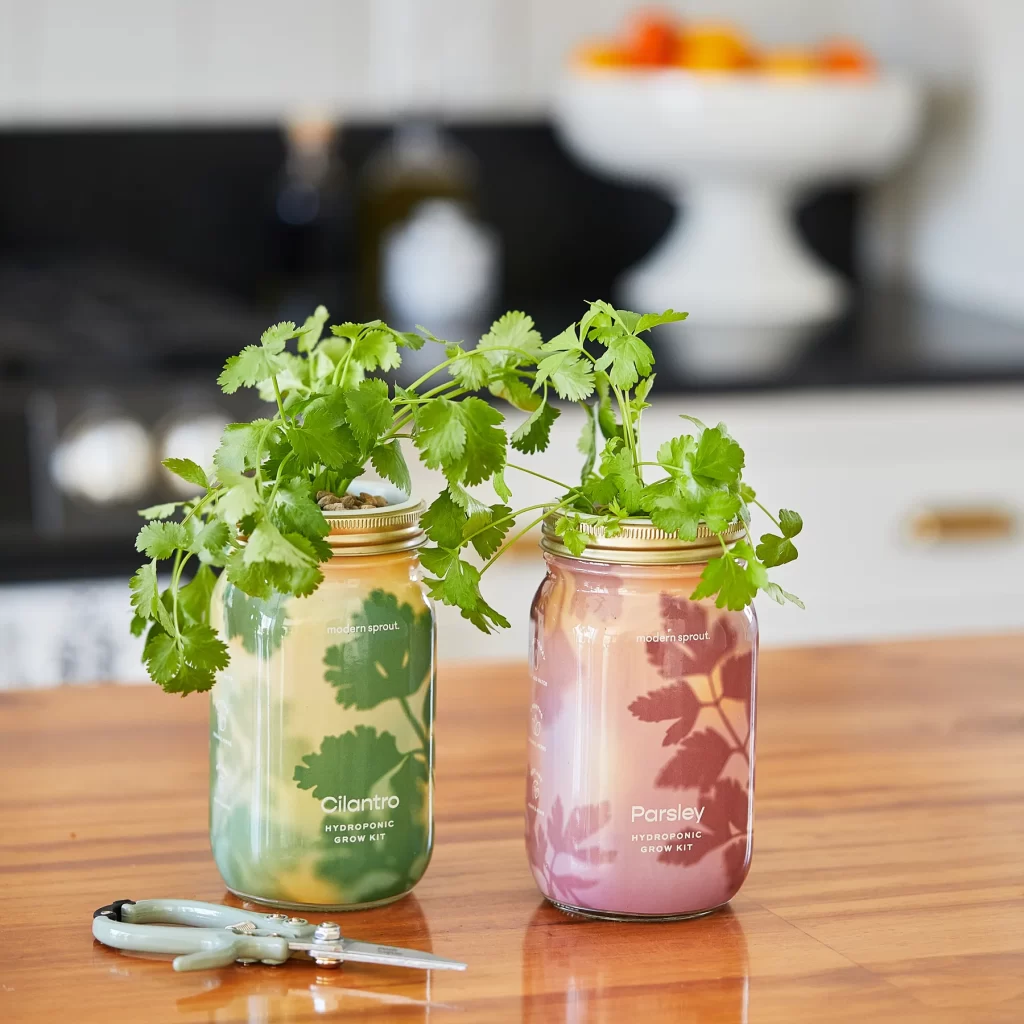
Examples: Basil, cilantro, mint, parsley, dill
Benefits:
- Compact, aromatic, and perfect for plant-based cooking
Tips: - Use small to medium-sized jars.
- Ensure at least 4–6 hours of bright light.
- Trim leaves regularly to encourage bushy growth.
3. Leafy Greens
Growth Time: 25–40 days
Examples: Lettuce, arugula, spinach, kale (dwarf varieties)
Benefits:
- Continuous harvest through “cut-and-come-again” method
Tips: - Use wider jars to accommodate spreading leaves.
- Keep soil consistently moist.
- Harvest outer leaves first to promote ongoing growth.
4. Edible Flowers
Growth Time: 40–60 days
Examples: Nasturtium, marigold, pansy, calendula
Benefits:
- Adds color, flavor, and nutrition to plant-based meals
Tips: - Use taller jars to accommodate growing stems.
- Provide adequate sunlight or grow light.
- Remove spent flowers to encourage continuous blooming.
5. Small Root Vegetables
Growth Time: 30–50 days
Examples: Radishes, mini carrots, baby beets
Benefits:
- Compact and suitable for jar depth of 6–8 inches
- Leaves are also edible and nutritious
Tips: - Thin seedlings to prevent overcrowding.
- Keep soil loose to allow root expansion.
- Use larger jars for root development.
Step-by-Step Guide to Creating a Jar Garden
Step 1: Prepare the Jar
- Clean and sterilize jars to prevent fungal growth.
- Place a 1–2 cm layer of small stones, pebbles, or activated charcoal at the bottom for drainage.
Step 2: Add Soil Layers
- Add 1–2 cm of sand or fine gravel for separation.
- Fill with 5–10 cm of well-draining potting soil mixed with compost.
- Level the soil gently, leaving room for planting.
Step 3: Plant Seeds or Seedlings
- Sow seeds according to the depth recommended on the packet.
- Transplant small seedlings carefully to avoid root damage.
- Press gently to ensure good soil contact.
Step 4: Watering
- Mist lightly or water gently to moisten the soil.
- Avoid waterlogging, especially in closed jars.
- For open jars, water when the top layer feels dry.
Step 5: Placement and Lighting
- Place jars in bright, indirect sunlight.
- Rotate jars every few days for even growth.
- Use grow lights for indoor setups without sufficient sunlight.
Step 6: Maintenance
- Remove dead leaves or flowers regularly.
- Trim herbs to encourage new growth.
- Fertilize with plant-based organic solutions every 2–3 weeks.
Creative Jar Garden Ideas
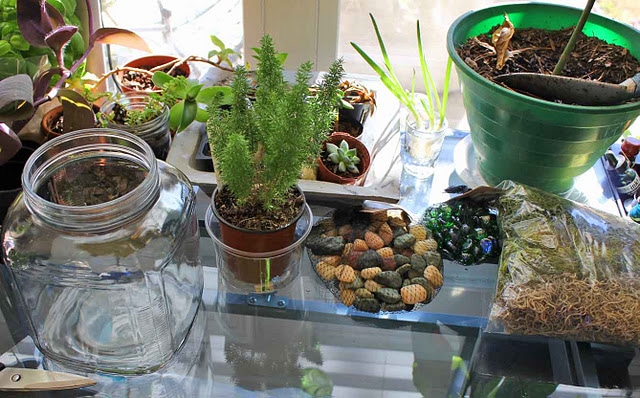
- Layered Terrariums: Create visually appealing layers of pebbles, activated charcoal, and colored sand for small herbs or microgreens.
- Hanging Jar Gardens: Suspend jars using ropes or macrame hangers to maximize vertical space.
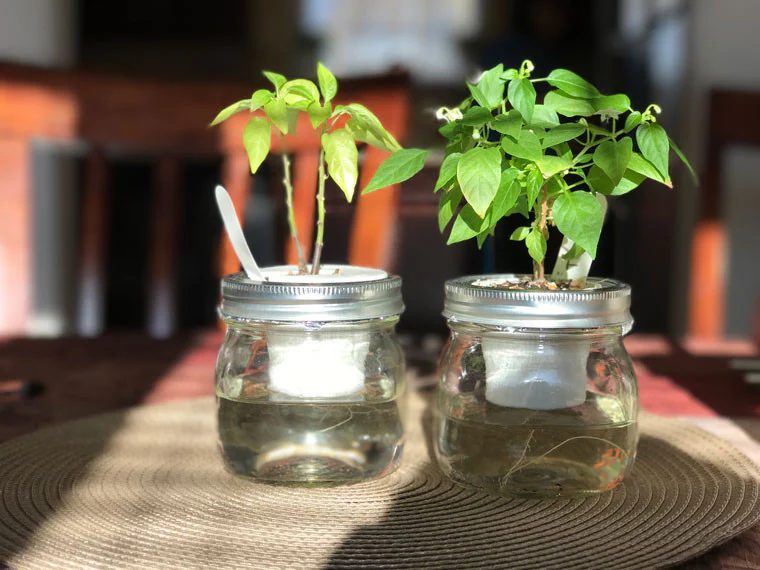
- Windowsill Garden: Align multiple jars on sunny windowsills for easy access and full sunlight.
- Companion Planting: Mix microgreens with small herbs in the same jar to maximize space and diversity.
- Themed Gardens: Create herbal, edible flower, or salad jars based on culinary preferences.
Challenges and Solutions
| Challenge | Cause | Solution |
|---|---|---|
| Mold growth | Excess moisture and poor ventilation | Open jar lids periodically or use airy containers |
| Leggy growth | Insufficient light | Use grow lights or reposition jars near sunlight |
| Slow growth | Nutrient deficiency | Apply plant-based organic fertilizers |
| Overcrowding | Planting too many seeds | Thin seedlings to allow proper growth |
Harvesting Tips
- Microgreens: Harvest with scissors when leaves are 2–3 inches tall.
- Herbs: Trim leaves regularly; pinch off flowers to maintain foliage.
- Leafy Greens: Use cut-and-come-again harvesting to prolong yield.
- Edible Flowers: Pick blossoms early in the day when fully open.
- Root Vegetables: Harvest when roots reach desired size; leaves can still be eaten.
Sustainability and Eco-Friendly Practices
- Plant-Based Fertilizers: Use compost, seaweed extract, or homemade plant teas.
- Water Conservation: Reuse kitchen water for watering plants.
- Upcycling: Use old glass jars, bottles, or containers instead of buying new pots.
- Waste Reduction: Grow kitchen herbs and microgreens to reduce dependence on store-bought produce and packaging.
Conclusion
Compact gardening in jars is an innovative, practical, and visually appealing solution for urban living. By using small containers, appropriate soil, plant-based fertilizers, and careful maintenance, anyone can cultivate herbs, leafy vegetables, edible flowers, microgreens, and even small root crops at home. This method offers numerous benefits: fresh, nutritious ingredients, improved indoor aesthetics, stress relief, and a sustainable, eco-conscious lifestyle.
Whether placed on a sunny windowsill, arranged on a balcony, or suspended as hanging gardens, jar gardening allows individuals to reconnect with nature and embrace the joy of growing their own food, even in limited spaces. By experimenting with different plants, combinations, and creative setups, compact jar gardens can transform homes into green sanctuaries while supporting a fully plant-based, sustainable diet.