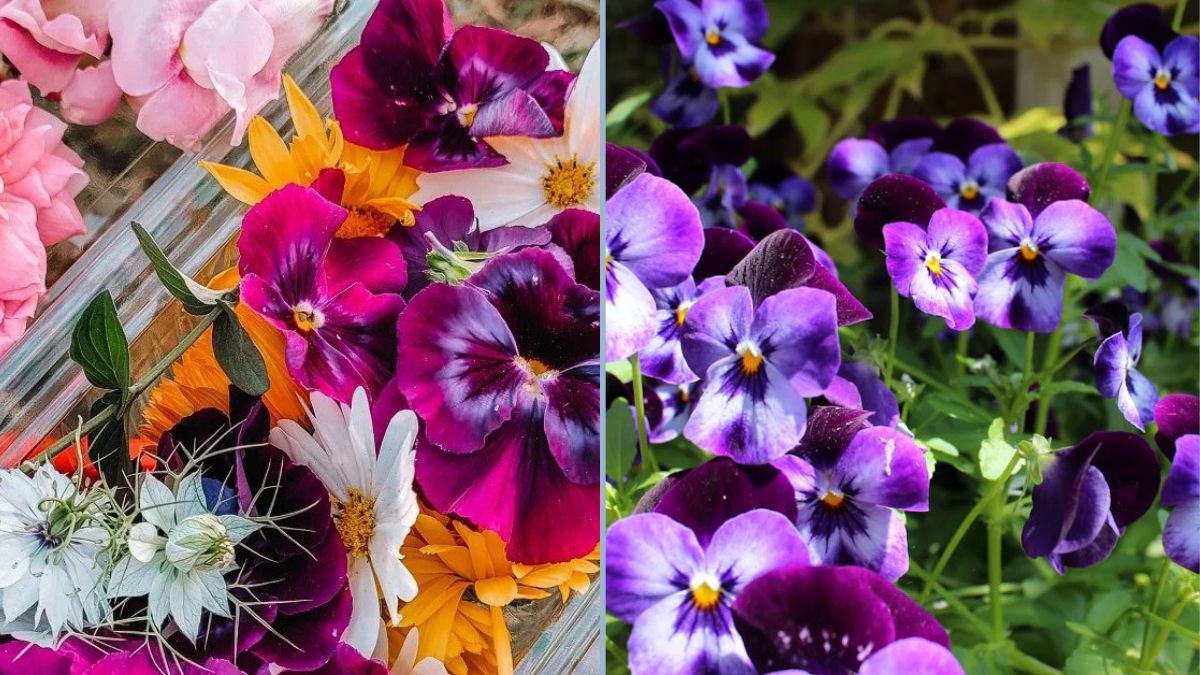
Edible flowers have long been cherished for their delicate flavors, vibrant colors, and health benefits. From garnishing salads to infusing teas, desserts, and beverages, these blossoms bring elegance and nutrition to daily meals. Growing edible flowers at home is not only a rewarding horticultural activity but also an excellent way to add fresh, chemical-free ingredients to plant-based diets. This article explores the process, benefits, and best practices for cultivating edible flowers at home, making it an ideal reference for urban gardeners, apartment dwellers, and anyone interested in sustainable home gardening.
Why Grow Edible Flowers at Home?
Homegrown edible flowers provide numerous benefits beyond aesthetics:
- Freshness and Safety: Growing at home ensures flowers are pesticide-free and safe to consume.
- Aesthetic Appeal: Vibrant blooms can brighten dishes and elevate culinary presentation.
- Nutritional Value: Many edible flowers contain antioxidants, vitamins, and minerals.
- Sustainability: Home cultivation reduces reliance on commercially grown flowers, which often involve chemical inputs.
- Therapeutic Benefits: Gardening, even on a small scale, has been shown to reduce stress, enhance mood, and provide a creative outlet.
For successful home cultivation, selecting fast-growing, easy-to-maintain edible flower varieties is essential.
Key Requirements for Growing Edible Flowers at Home
To cultivate edible flowers successfully, consider the following factors:
1. Light
- Most edible flowers require 6–8 hours of sunlight daily.
- Indoor gardeners can supplement with LED grow lights or fluorescent lamps if natural light is insufficient.
2. Containers and Soil
- Choose pots or containers with drainage holes to prevent waterlogging.
- Lightweight materials such as terracotta, plastic, or fabric grow bags work well.
- Use well-draining soil enriched with organic compost for optimal growth.
3. Watering and Humidity
- Keep the soil consistently moist but avoid overwatering.
- Indoor air can be dry, so mist plants occasionally or place a water tray nearby to maintain humidity.
4. Fertilization
- Apply organic, plant-based fertilizers every 2–3 weeks during the flowering season.
- Examples include compost tea, seaweed extract, or liquid organic fertilizers.
5. Temperature
- Most edible flowers thrive in temperatures between 18°C–25°C (65°F–77°F).
- Avoid placing plants near heat vents or drafty windows.
Top Edible Flowers to Grow at Home
Several edible flowers are particularly well-suited for home gardening. They grow quickly, require minimal space, and can be used in a variety of culinary applications.
1. Nasturtium (Tropaeolum majus)
Growth Time: 40–60 days
Uses: Leaves, flowers, and seeds are all edible; flowers add a peppery flavor to salads.
Tips:
- Thrives in sunny windows or balconies.
- Requires well-draining soil and moderate watering.
- Regularly pinch back stems to encourage more blooms.
2. Marigold (Tagetes spp.)
Growth Time: 45–60 days
Uses: Petals are slightly citrusy and can brighten soups, rice dishes, and desserts.
Tips:
- Grow in containers with good drainage.
- Deadhead spent flowers to promote continuous blooming.
- Can tolerate partial shade but prefers full sunlight.
3. Calendula (Calendula officinalis)
Growth Time: 50–60 days
Uses: Petals are mildly tangy and can be used in salads, teas, and baked goods.
Tips:
- Requires rich, well-draining soil.
- Prefers sunny locations and regular watering.
- Remove old flowers to encourage fresh blooms.
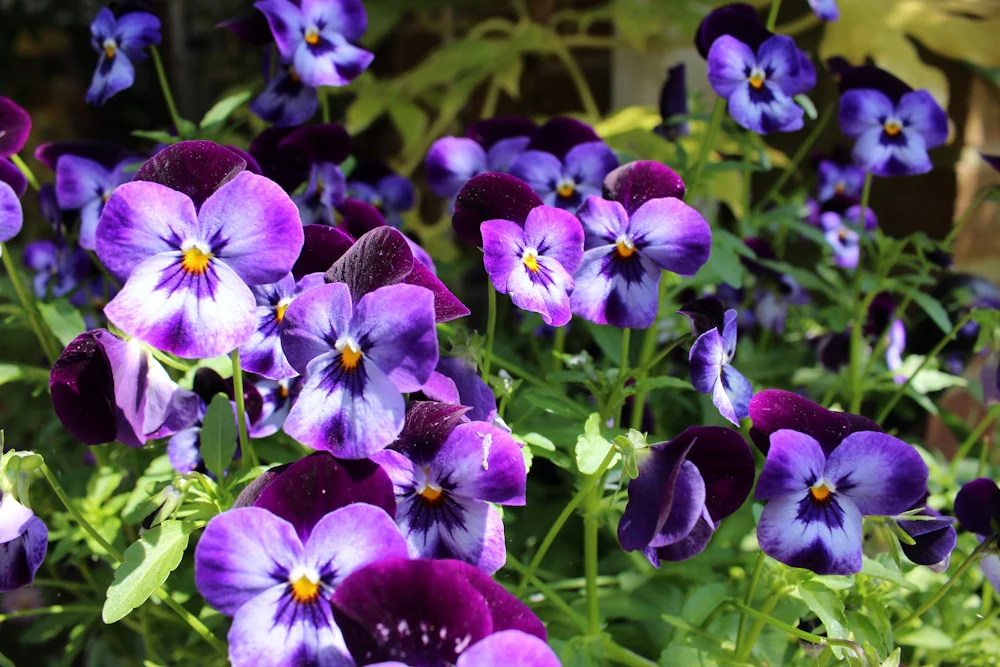
4. Violas and Pansies (Viola spp.)
Growth Time: 60–75 days
Uses: Mildly sweet flavor; perfect for garnishes, desserts, and teas.
Tips:
- Thrive in cooler indoor temperatures.
- Plant in well-draining pots with rich, fertile soil.
- Water consistently to keep soil moist.
5. Borage (Borago officinalis)
Growth Time: 50–70 days
Uses: Slight cucumber flavor; ideal for salads, beverages, and garnishes.
Tips:
- Prefers sunny spots or bright indirect light indoors.
- Requires moderately fertile soil with good drainage.
- Pinch back stems to encourage branching and more flowers.
6. Chrysanthemums (Chrysanthemum spp.)
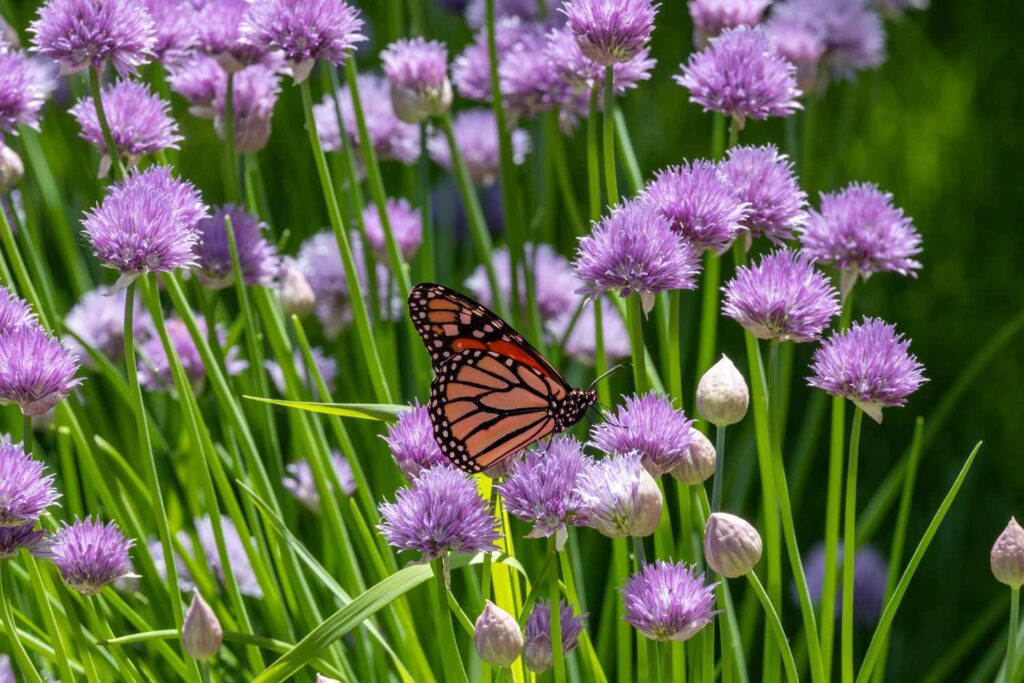
Growth Time: 60–80 days
Uses: Petals can be brewed for tea or used as garnish.
Tips:
- Require moderate sunlight and consistent moisture.
- Avoid overfertilization to prevent reduced blooming.
- Indoor growing may require staking for taller varieties.
7. Lavender (Lavandula spp.)
Growth Time: 70–90 days
Uses: Flowers are aromatic and ideal for teas, desserts, and infusions.
Tips:
- Requires sunny windowsill or balcony with at least 6 hours of light.
- Well-draining, slightly sandy soil is essential.
- Water sparingly; lavender prefers slightly dry conditions.
DIY Indoor Garden Setup for Edible Flowers
Step 1: Selecting Containers
- Choose small pots, window boxes, or vertical planters.
- Ensure drainage holes and use trays to catch excess water.
Step 2: Soil Preparation
- Mix organic compost, cocopeat, and garden soil to create a light, fertile medium.
- Avoid chemical fertilizers; opt for plant-based nutrient sources.
Step 3: Planting
- Sow seeds or seedlings according to the specific depth requirements of each flower.
- Space plants appropriately to allow airflow and prevent fungal diseases.
Step 4: Lighting
- Place containers near sunny windows or use supplemental grow lights for 12–16 hours daily.
- Rotate pots occasionally to ensure uniform light exposure.
Step 5: Watering and Fertilization
- Water consistently, keeping the soil moist but not waterlogged.
- Apply organic liquid fertilizers every 2–3 weeks during active growth.
Harvesting and Using Edible Flowers
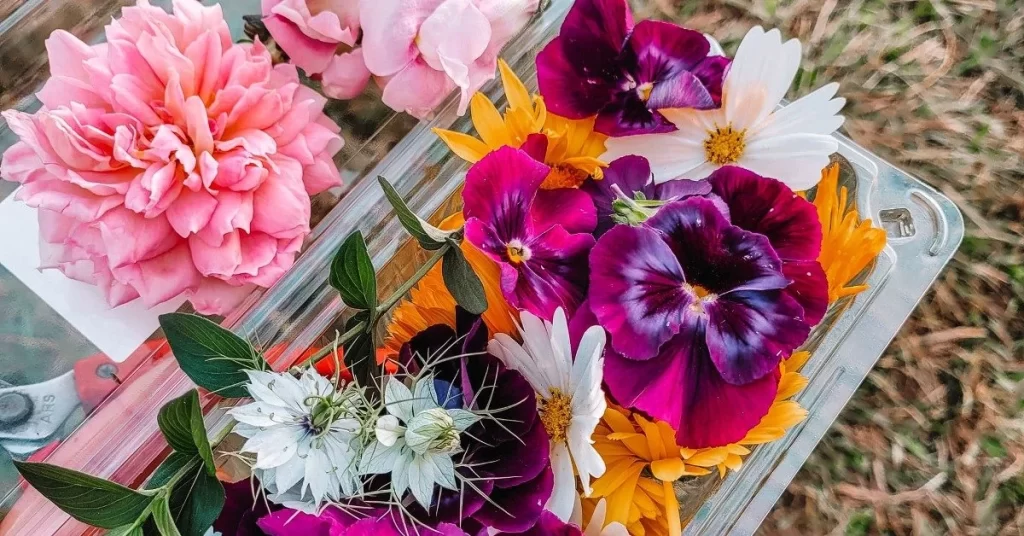
- Harvest Timing: Collect flowers early in the morning when blooms are fresh and fully open.
- Handling: Gently pluck flowers, avoiding bruising, and rinse carefully in cool water.
- Culinary Uses:
- Salads: Nasturtium, pansies, and calendula petals
- Teas: Chrysanthemums, lavender, and calendula
- Desserts and garnishes: Viola, marigold, and borage
- Storage: Store harvested flowers in the refrigerator for up to 2–3 days in a perforated container.
Challenges and Solutions
| Challenge | Cause | Solution |
|---|---|---|
| Wilting or drooping flowers | Underwatering or excessive heat | Water regularly and ensure proper light exposure |
| Yellow leaves | Nutrient deficiency | Apply organic, plant-based fertilizers |
| Slow blooming | Inadequate sunlight | Increase exposure to direct or grow-lighted sunlight |
| Pests | Aphids or spider mites | Use neem oil, soapy water spray, or remove pests manually |
Tips for Continuous Bloom and Home Success
- Succession Planting: Sow new seeds every few weeks for a continuous supply of blooms.
- Deadheading: Remove faded flowers regularly to encourage fresh blossoms.
- Pruning: Trim long stems to maintain compact growth and increase flowering.
- Indoor Placement: Use bright, well-ventilated areas; balconies and windowsills are ideal.
- Companion Planting: Mix edible flowers with herbs or vegetables to maximize space and enhance aesthetics.
Benefits Beyond Culinary Use
- Mental Well-being: Gardening fosters mindfulness and stress reduction.
- Air Quality Improvement: Indoor plants can reduce airborne pollutants.
- Sustainable Living: Growing your own edible flowers reduces the need for commercially packaged flowers, cutting down on plastic use and transportation emissions.
- Educational Value: Home gardening teaches patience, observation skills, and botanical knowledge.
Conclusion
Growing edible flowers at home is an enriching, versatile, and sustainable activity. By cultivating varieties such as nasturtium, marigold, pansies, borage, and lavender, gardeners can enjoy fresh, flavorful, and nutritious blooms year-round. With careful attention to light, water, soil, and organic fertilization, a small apartment space or balcony can transform into a vibrant mini garden.
Edible flowers not only enhance the aesthetic appeal of meals but also contribute to health, wellness, and environmental sustainability. Whether for garnishing salads, brewing herbal teas, or decorating desserts, homegrown edible flowers offer a unique intersection of culinary artistry and gardening satisfaction. Through thoughtful planning and regular care, anyone can cultivate these living, colorful additions to their plant-based kitchen and home environment.