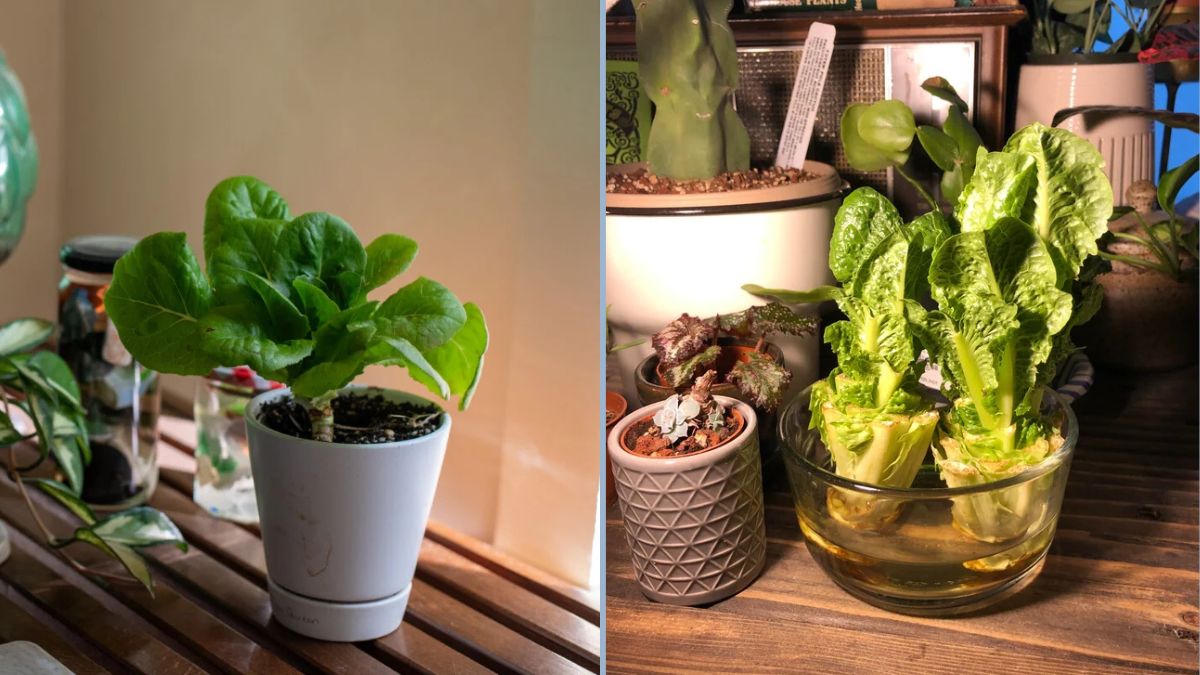
In urban living, access to fresh, chemical-free vegetables can be limited. Growing your own indoor salad garden offers a practical, sustainable, and highly rewarding solution. An indoor salad garden allows you to cultivate leafy greens, herbs, and other salad-friendly vegetables year-round, right in your kitchen, balcony, or any well-lit indoor space. This article explores the principles, plant choices, techniques, and tips for maintaining a thriving indoor salad garden, entirely plant-based and chemical-free.
Why Grow an Indoor Salad Garden?
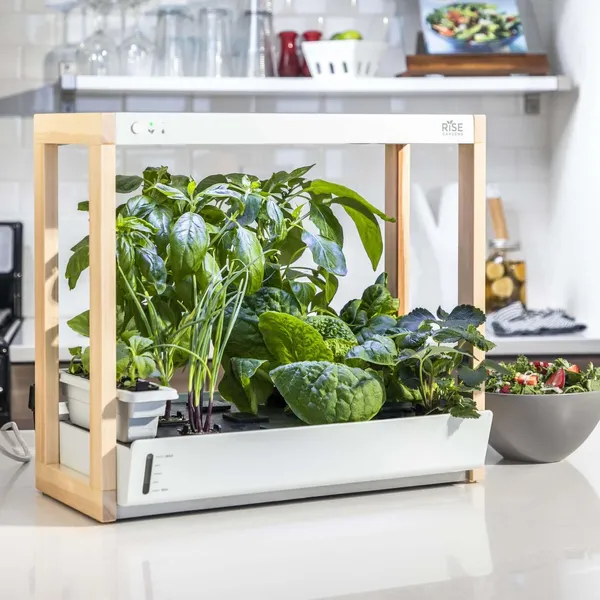
Indoor salad gardening has numerous advantages:
- Freshness and Nutrition: Homegrown greens are harvested at their peak, preserving vitamins, minerals, and flavor.
- Chemical-Free: Growing indoors allows you to avoid pesticides and chemical fertilizers.
- Convenience: Access fresh ingredients for meals without frequent trips to the grocery store.
- Aesthetic Appeal: Lush greenery brightens interiors and enhances living spaces.
- Sustainability: Reduces dependence on packaged vegetables, lowering environmental impact.
By cultivating a mix of leafy greens, microgreens, and herbs indoors, you can enjoy a diverse, nutrient-rich diet year-round.
Essential Requirements for Indoor Salad Gardening
To succeed in indoor salad gardening, attention to light, soil, containers, water, and nutrients is crucial.
1. Light
- Most salad greens need 4–6 hours of direct or bright indirect sunlight.
- South-facing windows are ideal, but LED or fluorescent grow lights can supplement natural light, especially in apartments with limited sun exposure.
2. Containers
- Wide, shallow containers are perfect for leafy greens as they allow spreading roots.
- Containers should have drainage holes to prevent waterlogging.
- Options include plastic pots, ceramic planters, window boxes, or repurposed trays.
3. Soil and Substrate
- Use a well-draining, nutrient-rich potting mix.
- Incorporate organic compost or plant-based fertilizers for ongoing nourishment.
- Avoid garden soil, which may be too dense and poorly aerated for container use.
4. Watering
- Keep the soil consistently moist but not soggy.
- Indoor air is often dry, so occasional misting helps maintain humidity.
- Overwatering can lead to root rot, while under-watering stresses plants and slows growth.
5. Fertilization
- Apply organic, plant-based fertilizers every 2–3 weeks.
- Options include compost tea, seaweed extract, or liquid plant fertilizers.
Best Plants for Indoor Salad Gardens
Indoor salad gardens thrive on plants that are fast-growing, compact, and tolerant of container life.
1. Lettuce
Growth Time: 25–40 days
Varieties: Loose-leaf, butterhead, romaine
Tips:
- Use shallow, wide containers for loose-leaf varieties.
- Harvest outer leaves continuously to promote regrowth.
- Provide bright light for at least 4–6 hours daily.
2. Spinach
Growth Time: 30–45 days
Tips:
- Sow seeds densely and thin seedlings for better growth.
- Prefers cooler temperatures (18°C–22°C).
- Keep soil evenly moist for tender, flavorful leaves.
3. Arugula
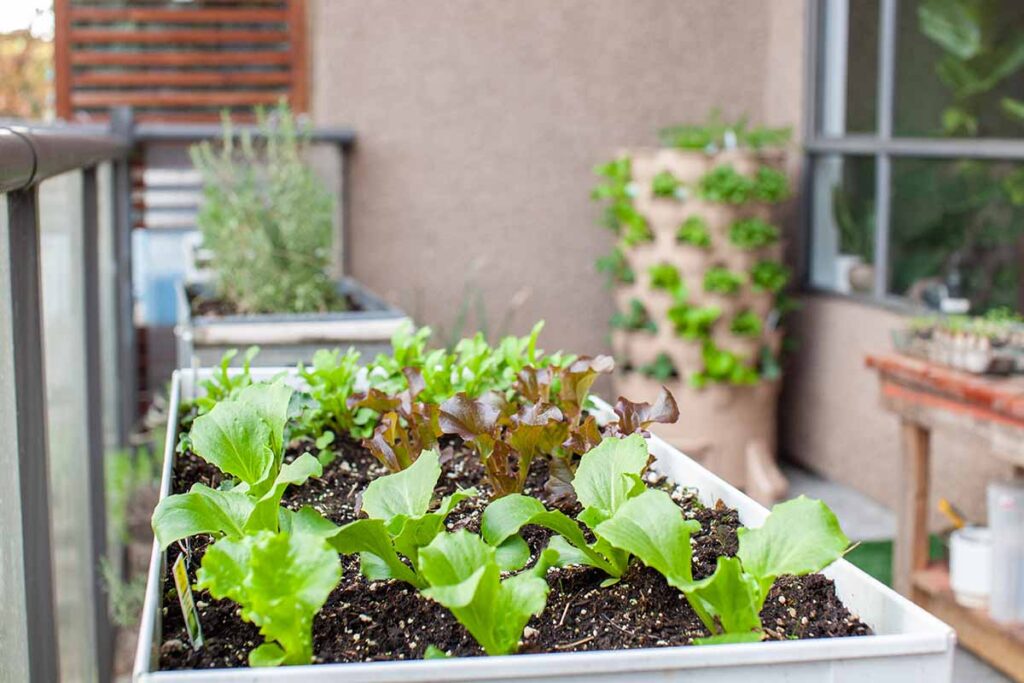
Growth Time: 20–30 days
Tips:
- Quick-growing and flavorful with a peppery taste.
- Performs well in small pots and containers.
- Can be harvested continuously using the cut-and-come-again method.
4. Kale (Dwarf Varieties)
Growth Time: 40–50 days
Tips:
- Compact varieties like “baby kale” are ideal for indoor spaces.
- Needs moderate light; can tolerate partial shade indoors.
- Harvest leaves from the bottom up to encourage new growth.
5. Microgreens
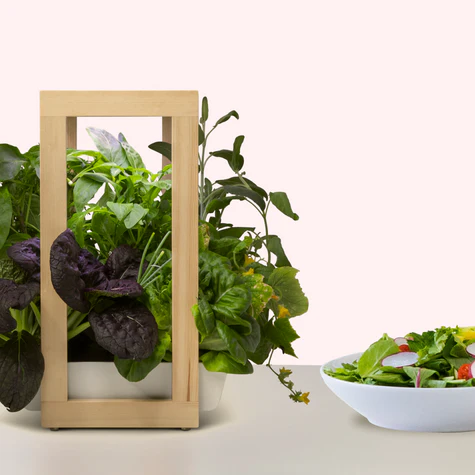
Growth Time: 7–14 days
Examples: Broccoli, radish, mustard, beet sprouts
Tips:
- Perfect for windowsills or small trays.
- Provide consistent moisture and indirect light.
- Harvest when the first true leaves appear, cutting just above soil level.
6. Herbs for Salads
Examples: Basil, cilantro, mint, parsley, dill
Growth Time: 20–35 days for first harvest
Tips:
- Herbs add aroma and flavor to salads.
- Grow in small pots or combine with leafy greens.
- Trim regularly to encourage bushy growth and prevent flowering.
Indoor Salad Garden Layouts
Effective use of indoor space improves productivity and aesthetics:
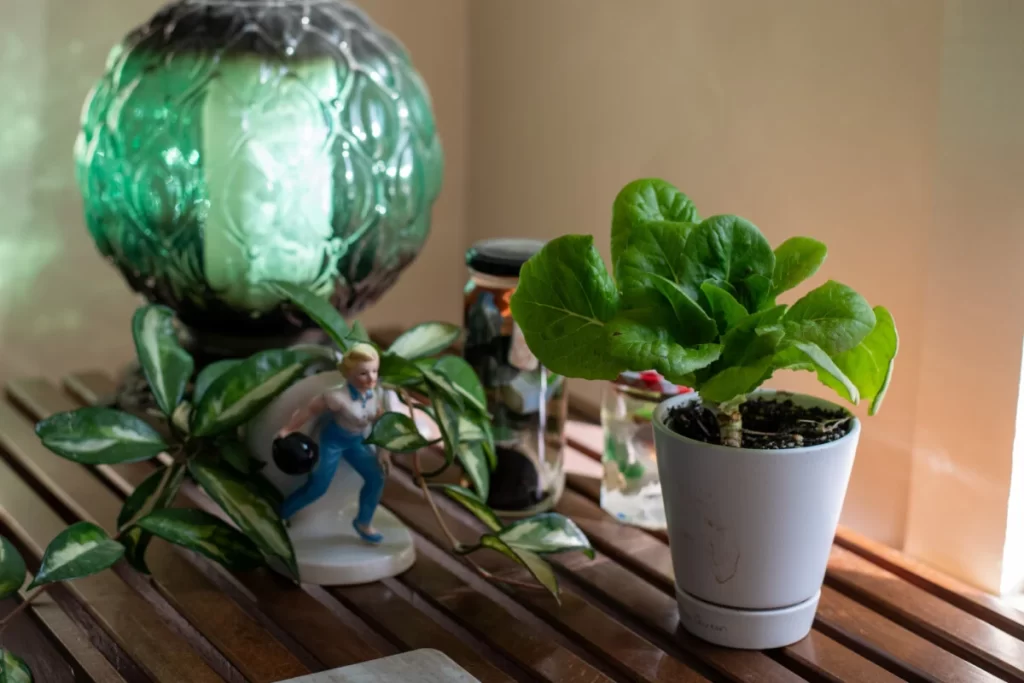
- Windowsill Gardens: Align pots along sunny windows for maximum light.
- Tiered Shelves: Use multi-level shelving to grow multiple plant types in a compact area.
- Hanging Planters: Maximize vertical space and add visual appeal.
- Tray Gardens: Shallow trays for microgreens and small herbs allow easy harvesting and rotation.
- Combination Containers: Plant leafy greens with herbs or microgreens in the same container to maximize yield.
Planting and Maintenance Tips
Planting
- Sow seeds according to packet instructions.
- Ensure proper spacing for air circulation and root growth.
- Lightly cover seeds with soil and mist gently.
Maintenance
- Rotate containers regularly to ensure even light exposure.
- Harvest outer leaves first to encourage continuous growth.
- Remove yellowing or damaged leaves to maintain plant health.
- Fertilize with plant-based solutions every 2–3 weeks.
Watering Techniques
- Use a spray bottle for delicate seedlings and microgreens.
- Check soil moisture before watering to avoid overwatering.
- Closed containers or small terrariums require less frequent watering.
Common Challenges and Solutions
| Challenge | Cause | Solution |
|---|---|---|
| Leggy or weak plants | Insufficient light | Increase exposure to sunlight or use grow lights |
| Yellowing leaves | Nutrient deficiency or overwatering | Apply organic fertilizer and adjust watering |
| Slow growth | Overcrowding | Thin seedlings and allow proper spacing |
| Mold on soil | Excess moisture | Improve airflow and reduce watering frequency |
Harvesting Tips
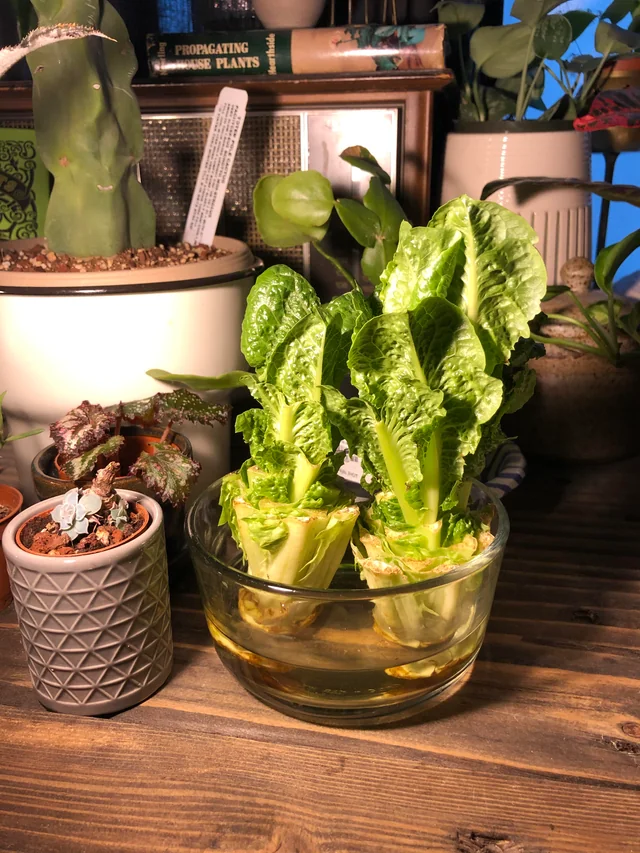
- Lettuce and Leafy Greens: Use the cut-and-come-again method by snipping outer leaves; inner leaves continue to grow.
- Microgreens: Harvest when 2–3 inches tall. Cut just above the soil surface.
- Herbs: Trim regularly to encourage bushier growth. Avoid harvesting more than one-third of the plant at a time.
Frequent harvesting not only provides fresh ingredients but also promotes continuous growth.
Sustainability Practices for Indoor Salad Gardening
- Plant-Based Fertilizers: Use compost, seaweed extract, or organic liquid feeds. Avoid chemical fertilizers.
- Water Conservation: Collect and reuse rainwater or kitchen water for irrigation.
- Recycling Containers: Repurpose jars, trays, or old pots as planters.
- Reduce Food Waste: Grow salad greens and herbs to supplement kitchen needs, decreasing dependence on store-bought produce.
Conclusion
An indoor salad garden is a practical, rewarding, and sustainable way to incorporate fresh, nutrient-rich greens into daily meals. By choosing fast-growing leafy greens, herbs, and microgreens, urban dwellers can enjoy year-round access to plant-based nutrition. Success relies on providing proper light, well-draining soil, consistent watering, and regular harvesting.
Indoor salad gardening not only enhances culinary experiences but also adds greenery to living spaces, improves mental well-being, and fosters sustainable living practices. With careful planning, creative layouts, and attentive care, anyone can transform small indoor spaces into vibrant, productive salad gardens that supply fresh, healthy, and delicious greens every day.